

Jerusalem Film Festival opens, honors Gal Gadot and producer Lawrence Bender
Festival director Roni Mahadev-Levin says 42nd film event is taking place despite ‘an unrelenting wave of attempts to cancel, silence, and boycott’
 Add ToI as a Preferred Source on Google
Jessica Steinberg, The Times of Israel's culture and lifestyles editor, covers the Sabra scene from south to north and back to the center
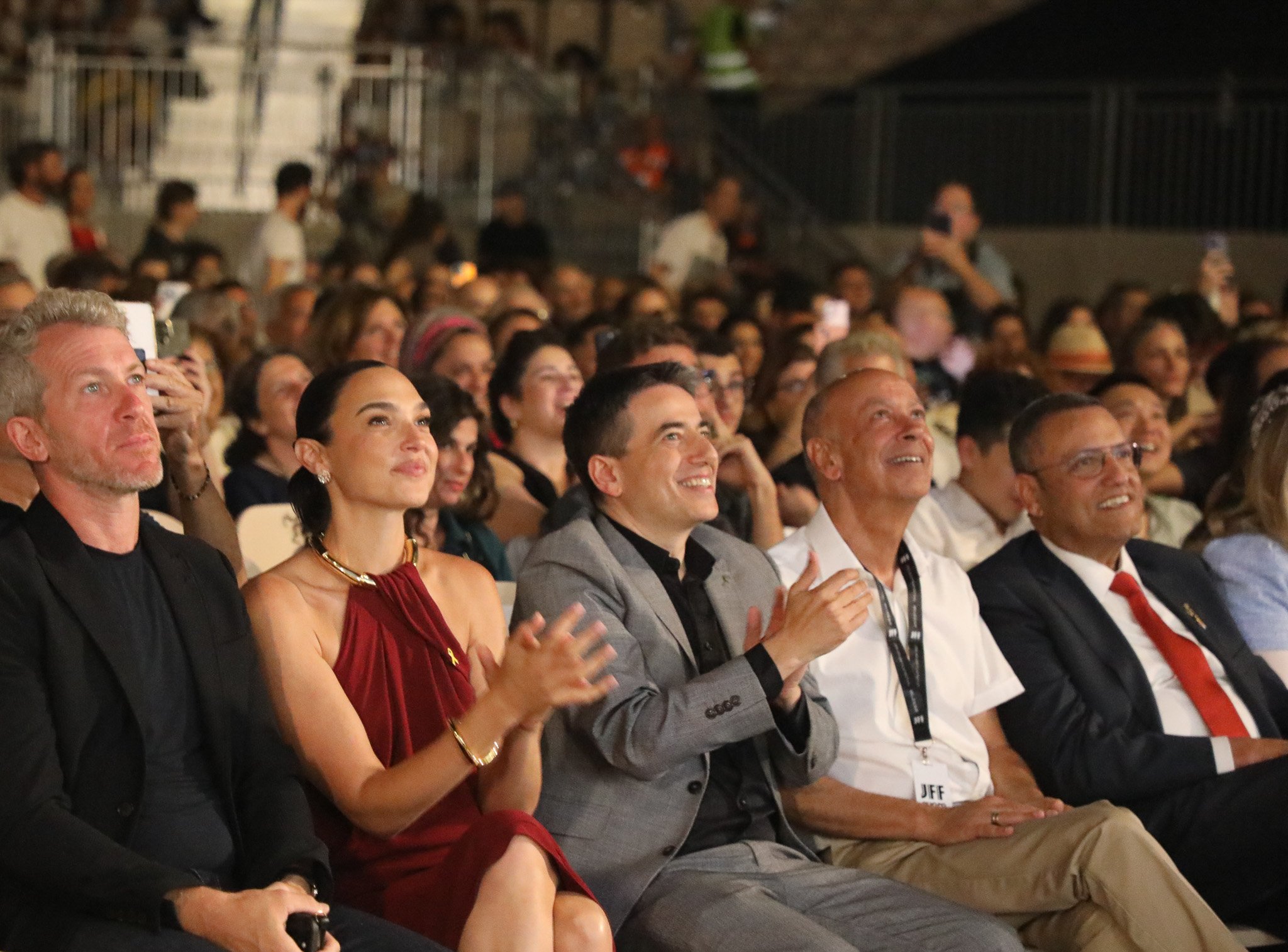
The Jerusalem Film Festival held its 42nd opening ceremony at Sultan’s Pool on Thursday night, honoring Hollywood star Gal Gadot and American producer Lawrence Bender, who received special awards of recognition.
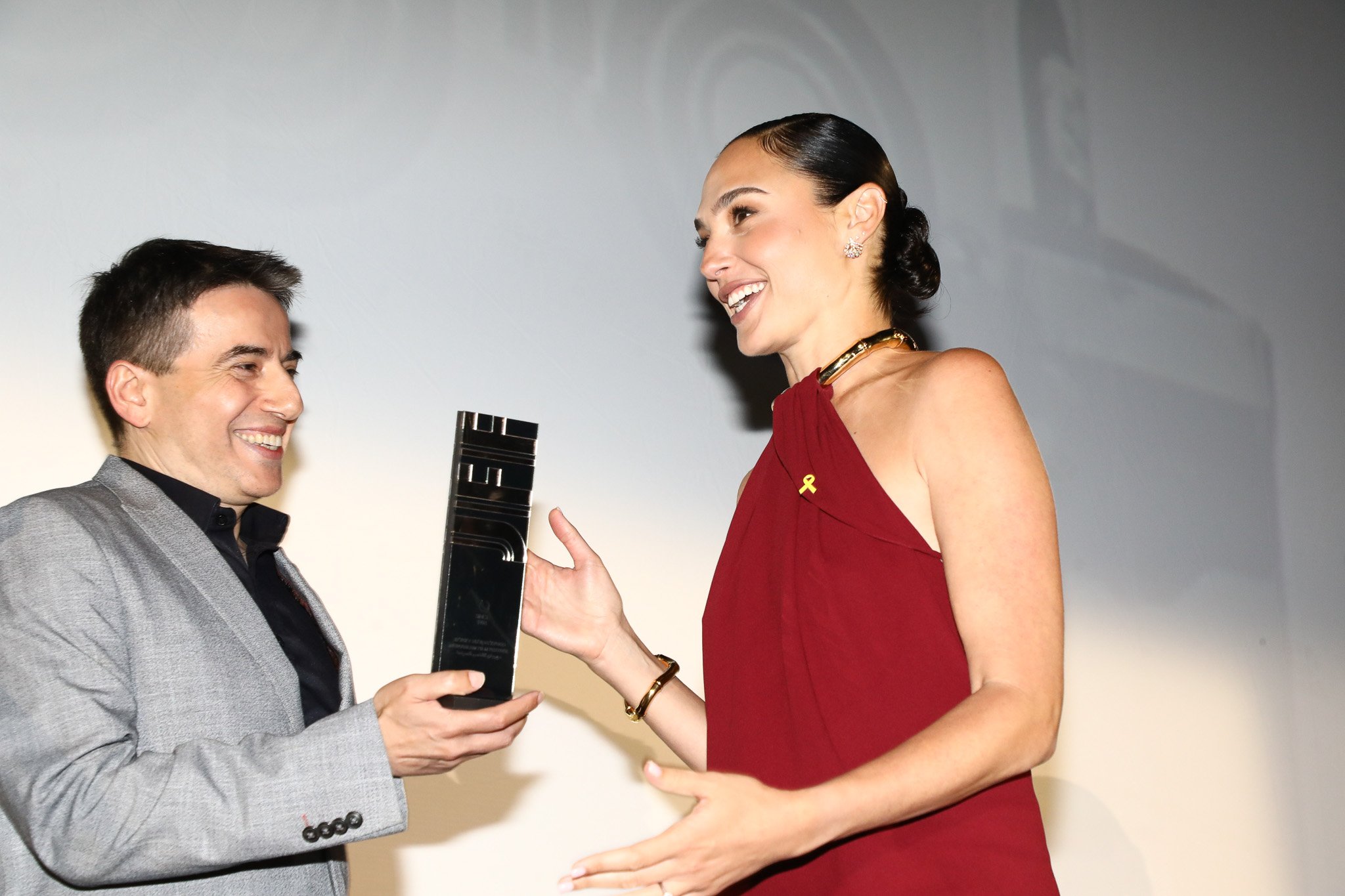
Gadot received two awards of recognition onstage, one from the Jerusalem Film Festival for her contribution to international cinema and her success over two decades of work, and the other from Hadassah, The Women’s Zionist Organization of America for her unwavering and courageous support of Israel and for using her global platform to promote truth and justice on behalf of Israel.
“I love my country, and I’m proud to be a part of it and to raise our voice for it,” said Gadot. “With so many film lovers here tonight, I want to use this opportunity to say: ‘I can’t wait to make an Israeli film — send me scripts!'”
Gadot also expressed her hopes for an end to the war and the return of the hostages. “I pray this war will end and that there will be peace and security for everyone,” she said. “I want to breathe again — and that will only happen when the hostages come home.”
Festival director Roni Mahadev-Levin thanked Gadot for her presence.
“We are proud to honor Gal Gadot tonight — an actress who turned the Israeli dream into a global reality,” he said. “A true movie star who turns films into blockbusters. A leading figure in world cinema who opened doors for Israeli creators around the globe and raised international awareness of Israeli culture.”
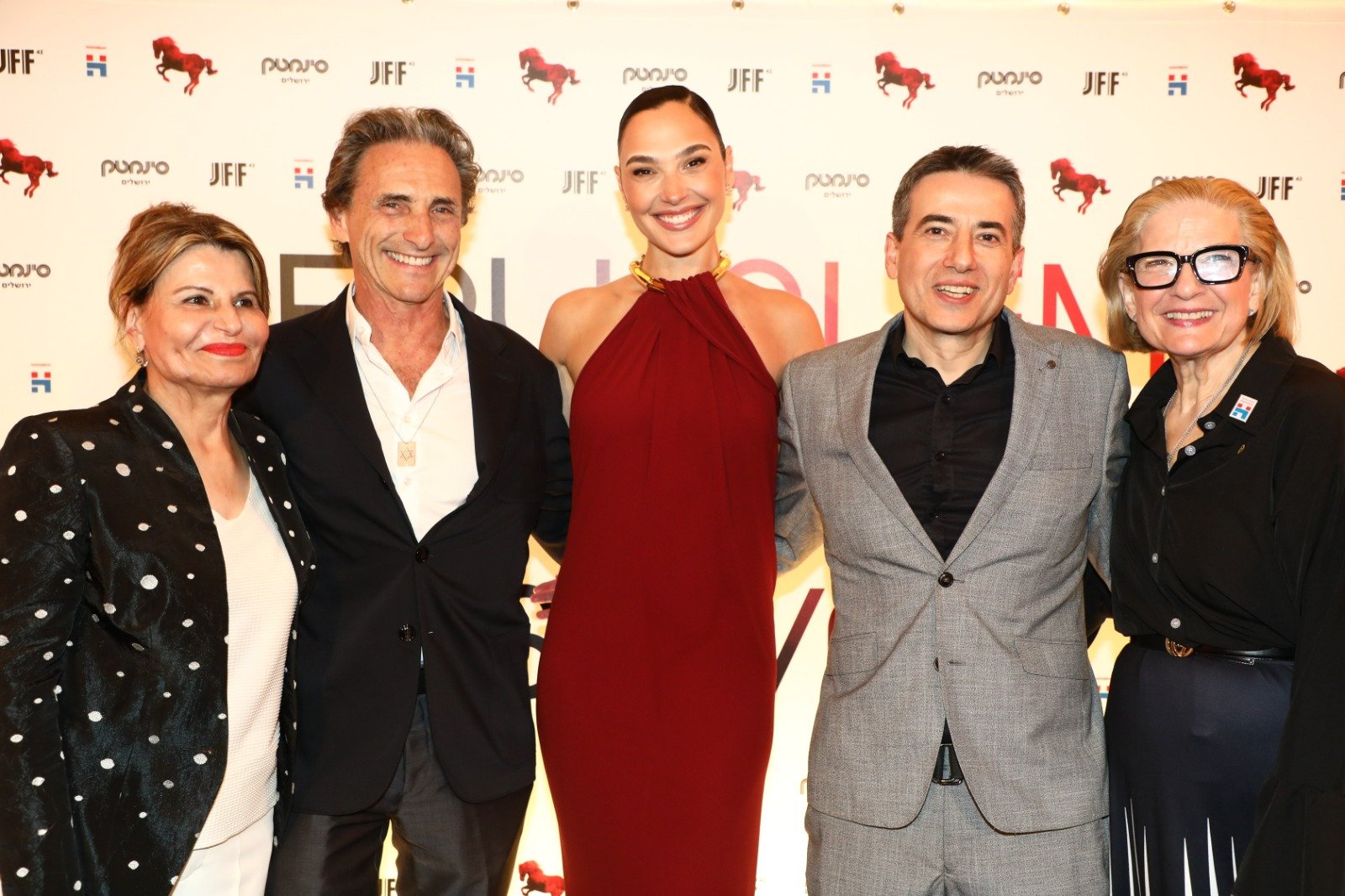
Hadassah president Carol Ann Schwartz and chairwoman Dalia Itzik noted that Gadot was an obvious choice for the award, which was previously presented to actress Gwyneth Paltrow.
“Choosing Gal Gadot was natural — she is a trailblazing woman who serves as an ambassador of Israel and the Jewish people wherever she goes,” said Schwartz.
Gadot, who has been vocal about her support for Israel, received a star on the Hollywood Walk of Fame in March, with a ceremony that was interrupted by anti-Israel protesters. The star was later vandalized by anti-Israel messages and cleaned by local Israelis.
Alongside Gadot, a recognition award was presented by the festival to Lawrence Bender, a three-time Academy Award nominee for his work as a producer and Quentin Tarantino’s longtime collaborator, particularly on his early films.
Bender said he has had the privilege of working with people from all walks of life in his career, but people that he loves have disappeared since the Hamas terrorist attack of October 7 and the concurrent outbreak of antisemitism and anti-Zionism.
“It broke me,” said Bender. “I knew it was my moment to be here.”
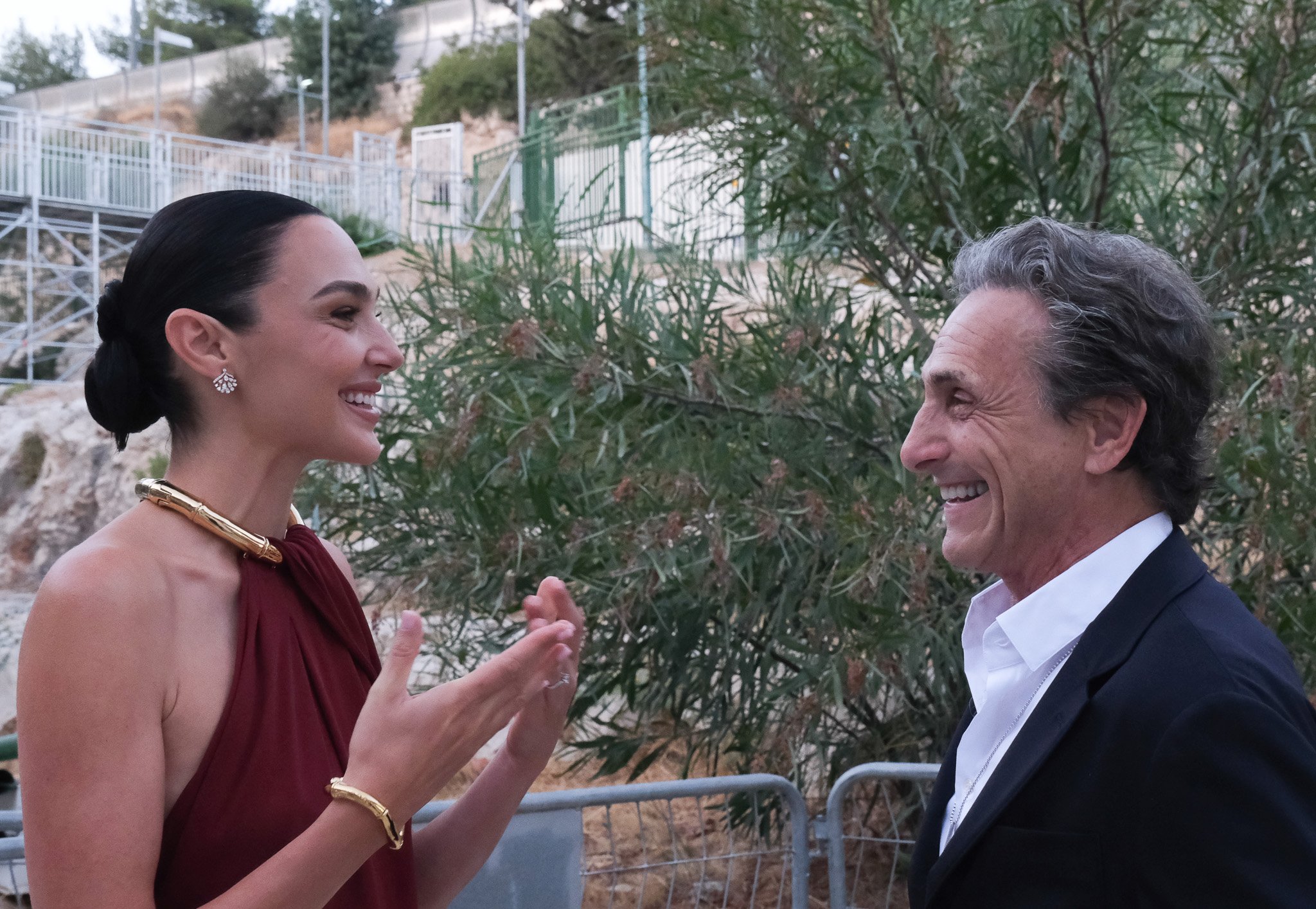
Bender spoke about executive producing a new five-part Israeli drama series called “Red Alert,” which is inspired by the events of the October 7 Hamas terror onslaught.
The series will tell the stories of five ordinary people who faced life-or-death situations and became heroes.
The series shows the world what happened, said Bender, “because I’m not sure the world understands.”
He spoke about visiting Israel’s south in the making of the series, and finding that Israeli civil society is alive and thriving.
“That’s what gave me hope,” said Bender. “Every part of me was moved by this journey. Thank you all.”
The festival opened with the premiere screening of the film “Sentimental Value” by Norwegian director Joachim Trier. The film won the Grand Prix award at the Cannes Film Festival.
Festival director Mahadev-Levin said at the opening that it is the second year in which the event is taking place during “an ongoing, senseless war,” and following last month’s conflict with Iran that put Israel’s very existence into question.
“And maybe because of all this, more than ever this year, we’ve seen an unrelenting wave of attempts to cancel, silence, and boycott,” said Mahadev-Levin. “Films, filmmakers — even the audience — have come under scrutiny. We received demands from politicians, organizations, and even a foreign embassy to cancel screenings that didn’t align with their worldview.”
Mahadev-Levin said the festival staff decided after dialogue to screen the films and let the cinema speak for itself.
“We’re here because we believe in the power of cinema — to offer moments of hope, comfort, and inspiration,” he said. “Especially now, when people are trying to silence it from all directions, it’s crucial for us — creators and viewers alike — to let cinema speak.”




The Times of Israel Community.