

Live updates (closed)
 Add ToI as a Preferred Source on Google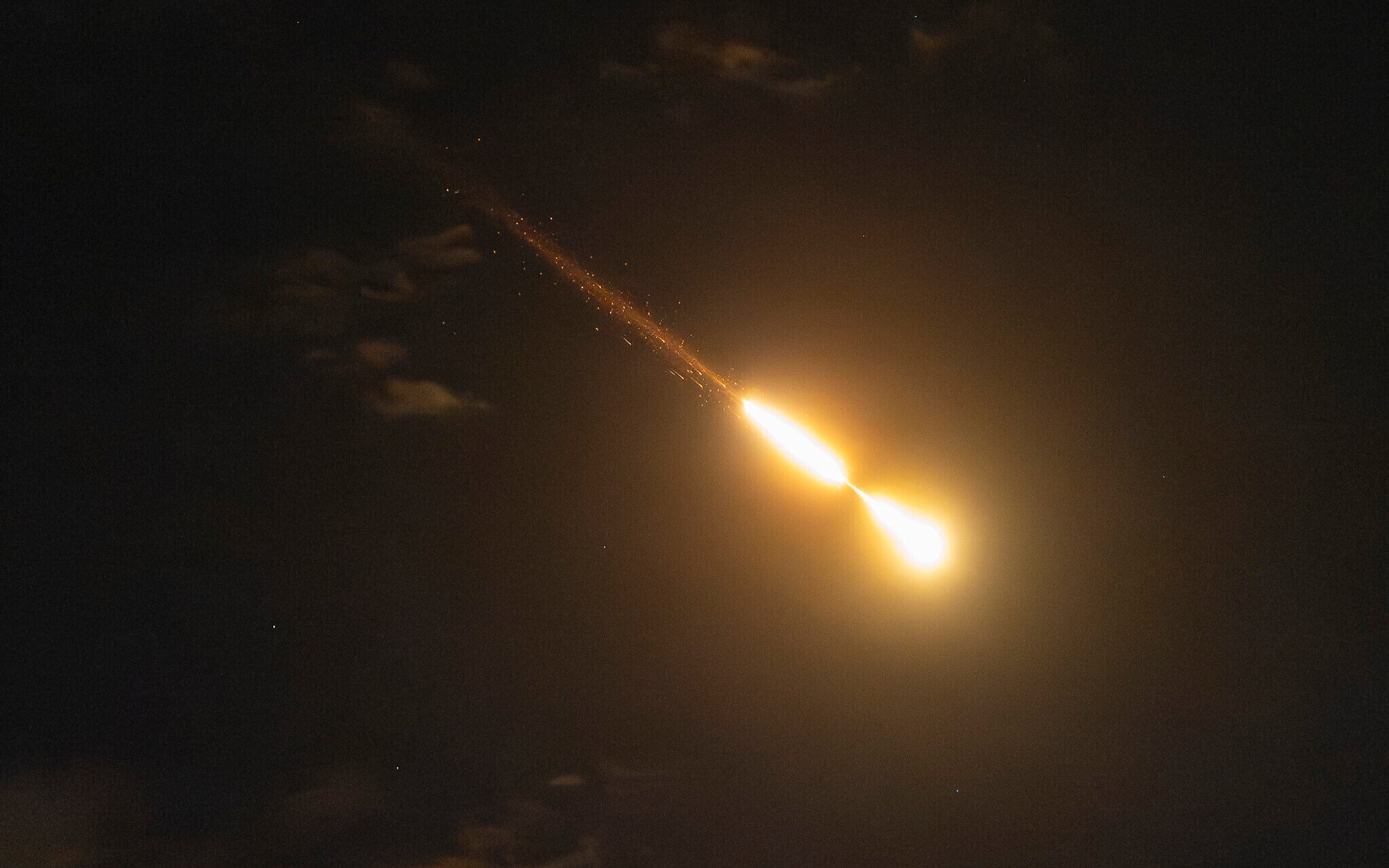
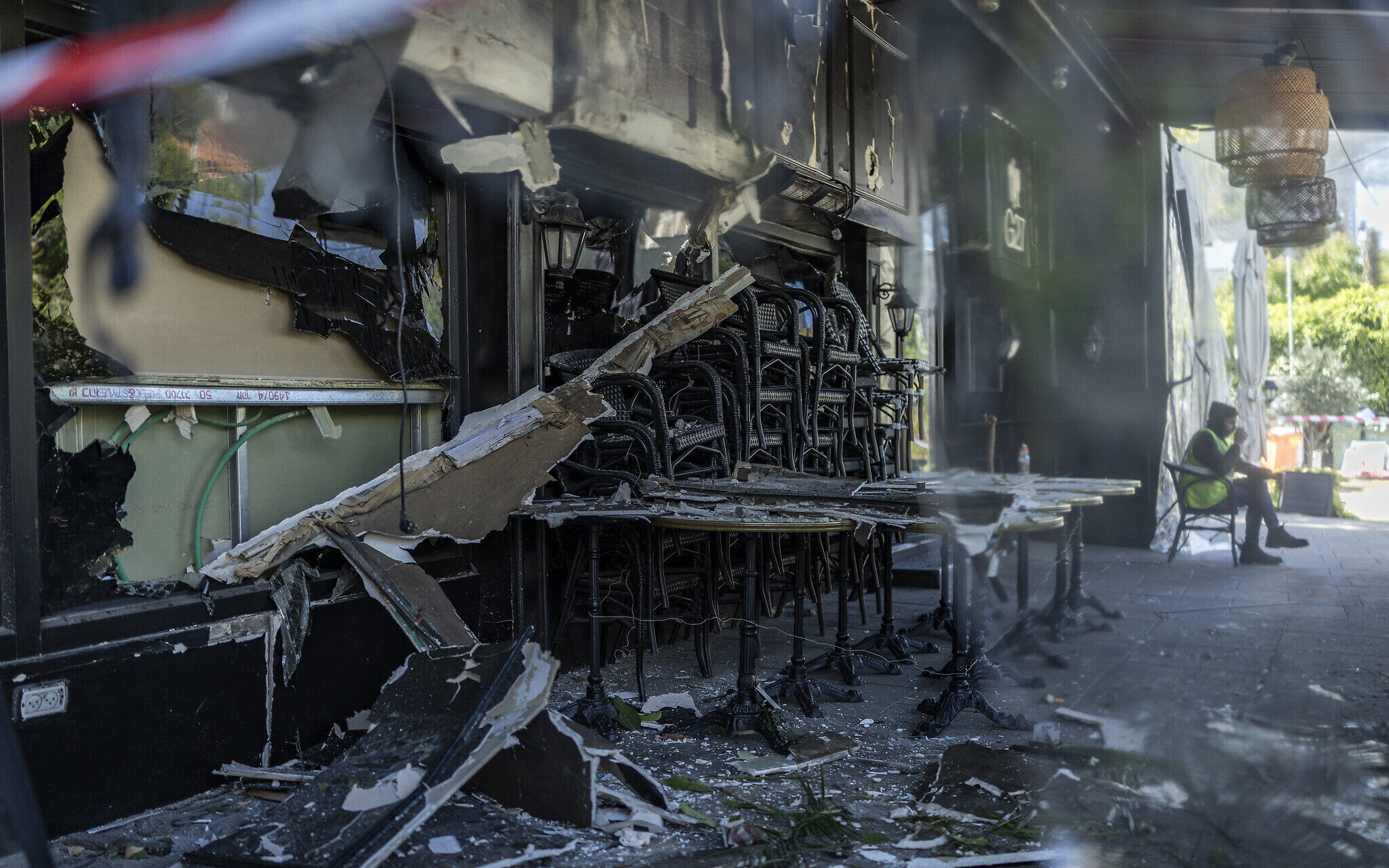
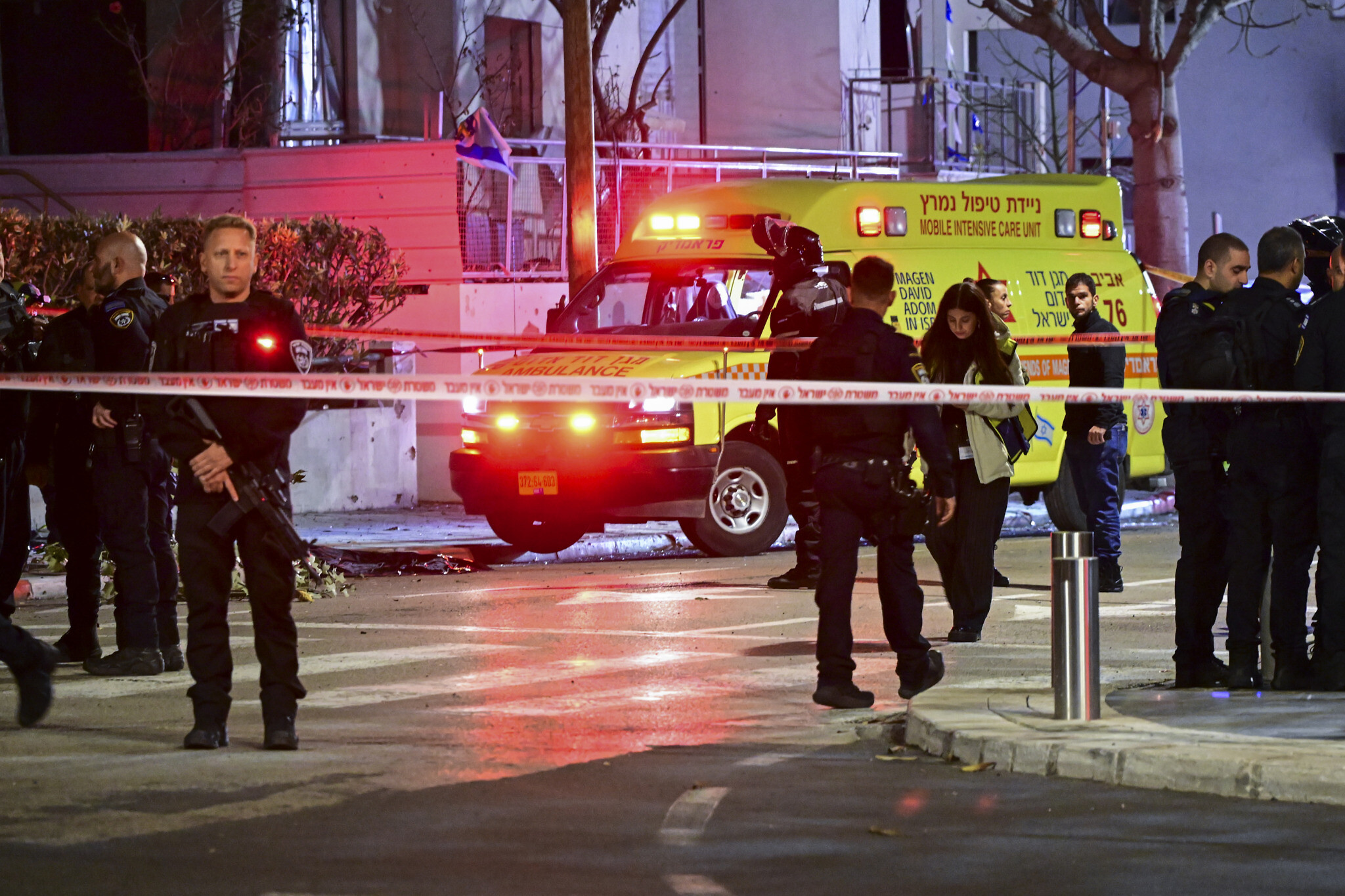
The Times of Israel liveblogged Saturday’s events as they unfolded.
Latest Iranian missile attack included cluster bomb, possible impacts reported
One of the ballistic missiles launched by Iran at central Israel a short while ago carried a cluster bomb warhead, footage shows.
Medics and rescue forces say they are responding to reports of possible bomb impacts at several locations.
Sirens had sounded across central Israel, the Jerusalem area, and parts of the West Bank.
One of the ballistic missiles launched by Iran at central Israel a short while ago carried a cluster bomb warhead, footage shows. pic.twitter.com/kBB25yEzHp
— Emanuel (Mannie) Fabian (@manniefabian) March 27, 2026
One killed, several injured in latest Iranian missile attack on central Israel — medics
One person has been killed and several others are injured as a result of impacts in central Israel from Iran’s latest ballistic missile attack, first responders say.
The missile had carried a cluster bomb warhead, spreading bomblets over a wide area.
Magen David Adom says one man in his 60s was killed at one location and at least two others were lightly injured at another.
Yemen’s Iran-backed Houthis threaten that they’re ready to join war
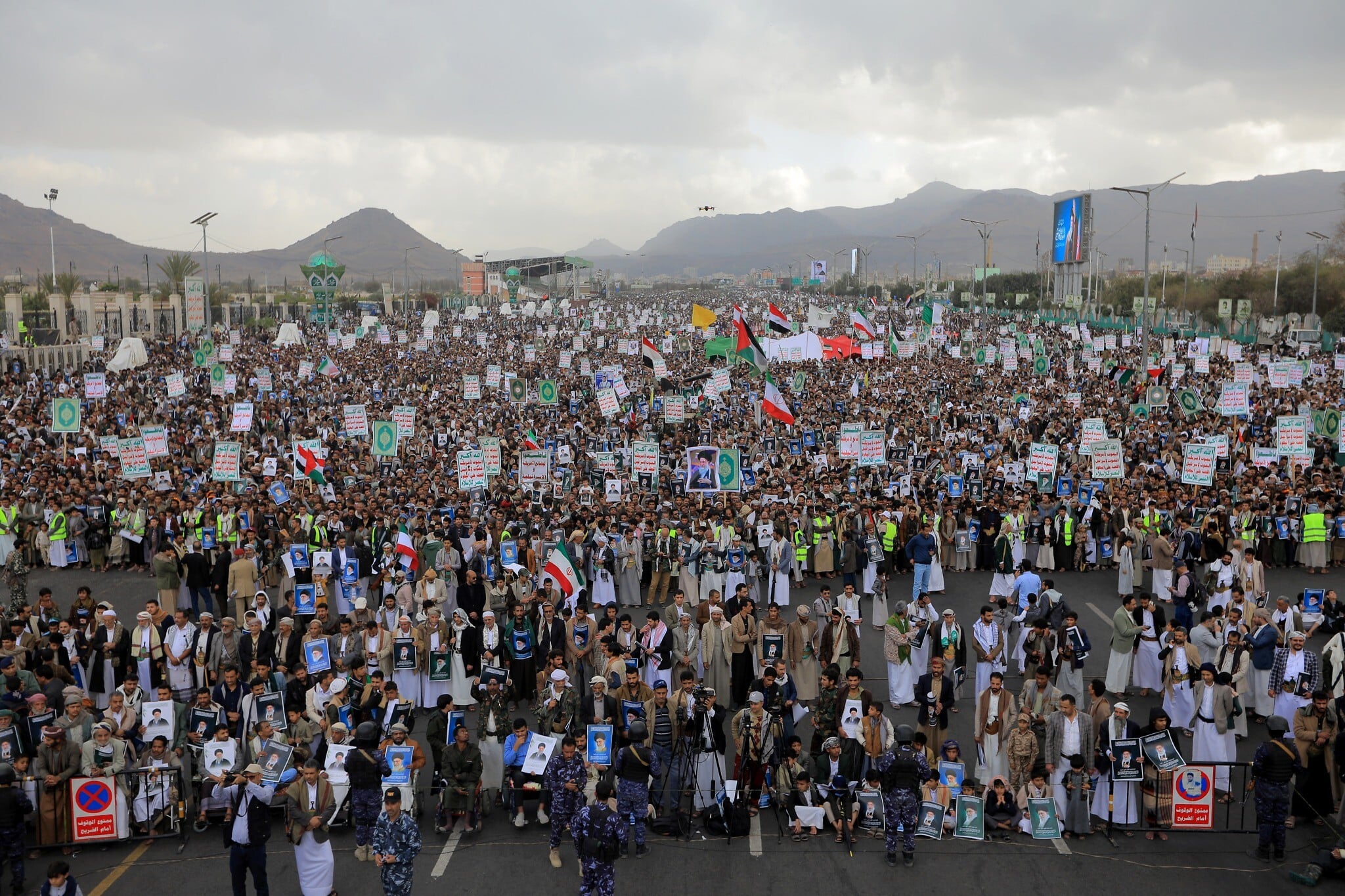
Houthis rally in solidarity with Iran and Lebanon, amid the US-Israeli conflict with Iran, in the Yemeni capital Sanaa on March 6, 2026. (Mohammed HUWAIS / AFP)
Yemen’s Iran-backed Houthi terror group says it is ready to intervene militarily in the US-Israeli war with Iran under certain conditions, including if new allies join the US and Israel or if the Red Sea is used to launch attacks on Iran.
Military spokesperson Yahya Saree makes the remarks in a televised speech.
“We affirm that our fingers are on the trigger for direct military intervention,” he says.
UN nuclear watchdog says no radiation risk after strike on Iranian heavy water plant
A heavy water production plant at Khondab in Iran was hit on Friday, Iran tells the International Atomic Energy Agency.
“No radiation risk seen as installation contains no declared nuclear material,” the UN nuclear watchdog says on X.
Earlier, the IAEA said it was looking into damage on Iran’s yellowcake production facility that was hit, but that no off-site radiation levels had been reported.
Iran also reported the Khuzestan steel production factory, which uses radioactive sources, was subjected to strikes on Friday, the IAEA adds, saying there is no off-site radiation release.
Rescuers say 6 bomblets from Iranian cluster warhead struck sites in central Israel
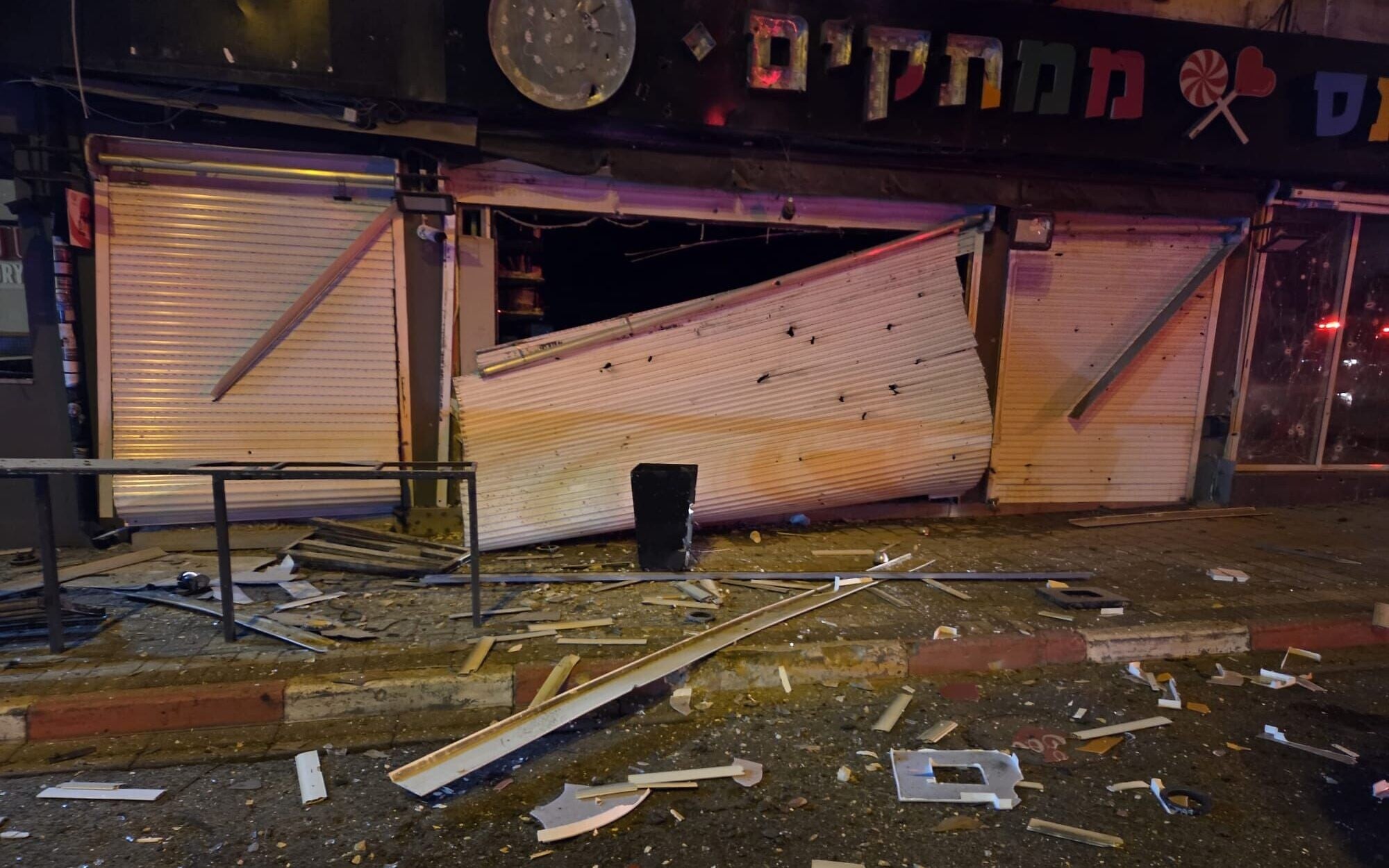
A photo from the Magen David Adom ambulance service shows a shop in central Israel, early March 28, 2026, after it was damaged by a bomblet from an Iranian ballistic missile carrying a cluster warhead. (Magen David Adom)
At least six submunitions from an Iranian ballistic missile carrying a cluster bomb warhead struck central Israel, rescue services say.
One bomblet impact killed a man in his 60s who was not in a bomb shelter, and another submunition hit a residential building and lightly wounded two men in their 50s, according to the police and Magen David Adom.
The Fire and Rescue Service says it handled a total of six impact sites, where damage was caused to buildings.
Footage shows the moment one of several cluster munitions struck Tel Aviv during Iran's ballistic missile attack on central Israel this evening. pic.twitter.com/smuxEa1195
— Emanuel (Mannie) Fabian (@manniefabian) March 27, 2026
Two lightly wounded in the south by fragments from interception of Iranian missile
Two people were lightly injured in the Kuseife area of southern Israel from falling fragments following the interception of an Iranian ballistic missile earlier this evening, medics say.
Magen David Adom says it treated a man aged 37 and a woman in her 20s who were injured by shrapnel.
Both were taken to Soroka Hospital in Beersheba.
PA says 3 Palestinians, including teen, were killed by Israeli troops in past day
Three Palestinians, including a 15-year-old, were shot and killed by Israeli forces in the southern and central West Bank over the past day, the Palestinian Authority’s Health Ministry says.
Mustafa Hamad, 22, died early Friday of wounds sustained overnight when Israeli forces opened fire in the entrance to the East Jerusalem neighborhood of Kafr Aqab, also wounding three other Palestinians, one of whom was arrested, according to WAFA, the Palestinian Authority’s official news agency.
Sufian Abu Leil, 46, was reportedly shot in the head by troops who clashed with Palestinians leaving Hamad’s funeral in the adjacent Qalandiya refugee camp on Friday afternoon, WAFA says, adding that another young man was also wounded.
Both Hamad and Abu Leil succumbed to their wounds at the Palestine Medical Complex in Ramallah, according to Palestinian reports.
The IDF confirms that “in two different incidents over the past day,” troops operating near the central West Bank’s Qalandiya refugee camp opened fire on “key instigators” of “disturbances that included hurling of stones at the forces.”
“Hits were identified. There are no casualties to our forces,” the IDF says.
The military does not immediately comment on the death of 15-year-old Adham Dahman south of Bethlehem.
Dahman succumbed to his wounds at the Beit Jala Governmental Hospital, where he was rushed late Friday night after being shot by Israeli forces operating in the Dheisheh refugee camp, the PA Health Ministry says.
According to WAFA, Dahman was shot in the abdomen, and another Palestinian was also hospitalized after being wounded by troops in Dheisheh.
‘No accidents with me’: Trump jokingly calls Hormuz ‘Strait of Trump’
At the start of remarks at a Miami event sponsored by the Saudi Arabia sovereign wealth fund, US President Donald Trump assures the audience that the US military is achieving it’s military objectives in its four-week old war against Iran.
He also jokingly refers to the Strait of Hormuz by another name.
“They have to open up the Strait of Trump. I mean, Hormuz,” Trump says. He adds sarcastically, “Excuse me … I’m so sorry — such a terrible mistake.”
“The fake news will say he accidentally said (Strait of Trump),” he adds. “No, there’s no accidents with me. Not too many.”
Touting the successes of US military action in Venezuela and Iran, Trump also says that “Cuba is next.”
Iran launches ballistic missile attack targeting southern Israel
Another ballistic missile attack from Iran has been identified by the IDF.
Sirens are expected to sound in southern Israel in the coming minutes.
Trump calls on Saudis to join Abraham Accords as Mideast ‘transformed’ by Iran war

US President Donald Trump shows a clip from a CNN report as he speaks during the Future Investment Initiative Summit in Miami Beach, Florida, on March 27, 2026. (Mandel Ngan/AFP)
US President Donald Trump expresses his desire for Saudi Arabia to join the Abraham Accords against the backdrop of the war in Iran.
“The Middle East will be transformed (as a result of the war) and the future of that region — I don’t think it’s ever been brighter,” Trump says in remarks to a conference in Miami.
Trump calls out Yasir Al-Rumayyan — one of the organizers of the conference and also a Saudi national — and says, “I hope you’re going to be getting into the Abraham Accords finally.”
“Will you please go back and explain? It’s time now,” Trump says.
He then recalls purported conversations he had with Saudi Crown Prince Mohammed Bin Salman where the US president unsuccessfully tried to convince Riyadh to join the Abraham Accords.
“Mohammed would say, ‘Oh yes (we will join). As soon as we do this. As soon as we do that,’” Trump recalls.
“I said, ‘Mohammed, we did that.’ He’d say, ‘Oh yes, but we have a couple of other things.’”
“It’s now time. We’ve now taken them out, and they are out bigly. We’ve got to get into the Abraham Accords,” Trump continues, expressing his hope that other countries will follow.
The president has long been convinced that Iran’s perceived regional dominance has been the only factor keeping countries from joining the Abraham Accords, ostensibly downplaying potential members repeated insistence that they will not join the alliance absent a resolution to the Israeli-Palestinian conflict.
No injuries reported after Iranian ballistic missile attack on Beersheba
No injuries are reported following Iran’s latest ballistic missile attack.
The missile, which triggered sirens in Beersheba and surrounding towns in southern Israel, was intercepted by air defenses, according to the IDF.
US troops wounded, several refueling planes damaged in Iranian attack on Saudi air base
At least 10 American service members were wounded in an Iranian attack on Prince Sultan Air Base, according to two US officials familiar with the situation.
Two of the troops were seriously wounded, one of the officials says. Both officials speak on condition of anonymity to discuss sensitive military matters
The strike, which according to a US official involved an Iranian missile and unmanned drones, also damaged several US refueling aircraft on the base.
IDF announces strikes on ‘targets of the Iranian terror regime throughout Tehran’
The IDF is carrying out strikes on “targets of the Iranian terror regime throughout Tehran,” according to a military statement, which provides no further details.
Iranian missile attack triggers sirens in Golan and other parts of north
The IDF detects another Iranian ballistic missile attack, with sirens activated in communities in the Golan Heights and other parts of the north.
No injuries reported after Iranian missile attack on the north
The IDF gives residents of the north the all clear to exit bomb shelters after the latest Iranian missile attack, with no injuries immediately reported.
UAE says its air defenses responding to Iranian missile and drone attack
The United Arab Emirates says its air defenses are responding to an incoming missile and drone attack from Iran, as Tehran presses strikes in the Gulf a month into the regional war.
A defense ministry statement says forces are “intercepting cruise missiles and UAVs (drones)” fired from Iran.
Iran fires ballistic missile salvo targeting central Israel
Iran fires another ballistic missile salvo at Israel, with sirens activated across wide swaths of central Israel.
Medics report no immediate injuries after Iranian missile fire at central Israel
Medics say they have received no reports of injuries following the latest Iranian ballistic missile attack on central Israel.
UN nuclear watchdog says Iran reported another strike in area of Bushehr reactor
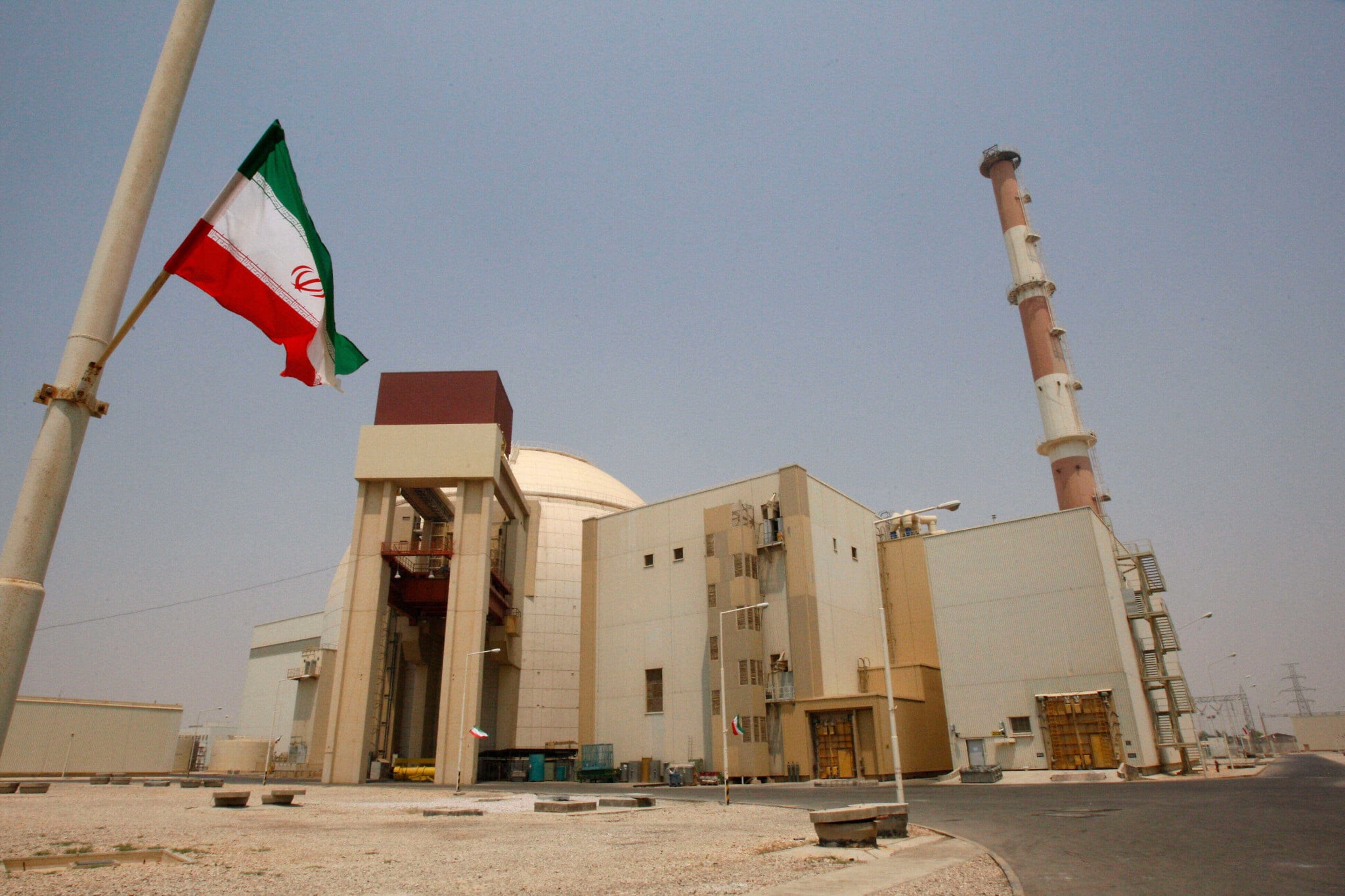
An Iranian flag flutters in front of the reactor building of the Bushehr nuclear power plant, just outside the southern city of Bushehr, Iran, Aug. 21, 2010. (AP/Vahid Salemi, File)
The UN nuclear watchdog says it has been informed by Iran of a new strike in the area of the Bushehr nuclear power plant, the third such incident in 10 days.
Tehran told the agency there was no damage to the operating reactor and no radiation release, and that the plant was functioning normally, the International Atomic Energy Agency says on X.
IAEA chief Rafael Grossi warns that that any strike damaging a reactor could trigger a major radiological incident, urging “maximum military restraint.”
Joining war, Yemen’s Houthis launch ballistic missile attack on southern Israel
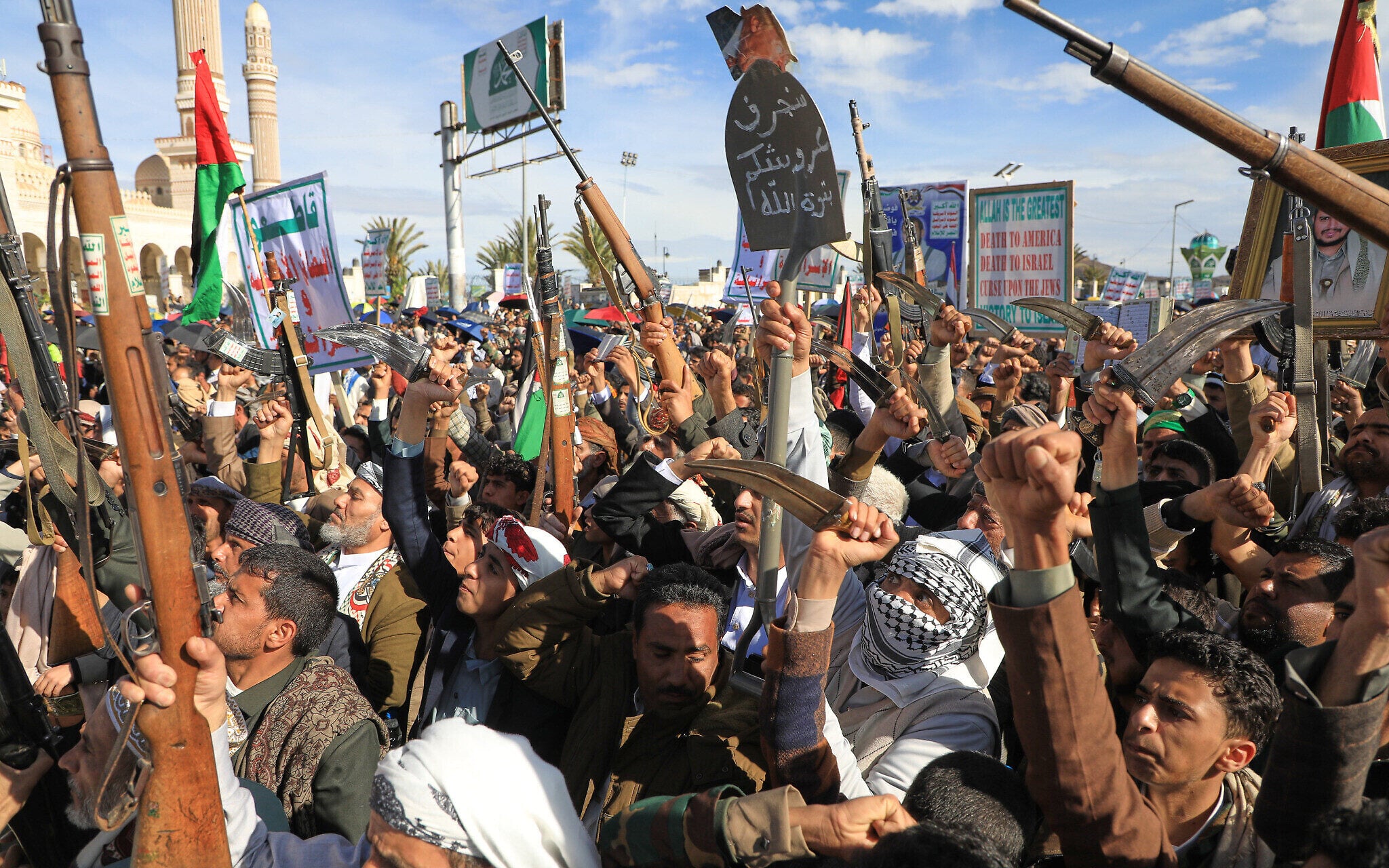
Supporters of the Iran-backed Houthis shout slogans during a rally against Israel and the United States, in Sanaa, Yemen, March 27, 2026. (AP Photo/Osamah Abdulrahman)
Sirens sound in Beersheba and surrounding towns in southern Israel due to a ballistic missile attack from Yemen.
It marks the first attack by the Iran-backed Houthis on Israel in the current war.
The military says it identified a missile launch from Yemen and is working to intercept the threat.
The Houthis — whose slogan calls for “Death to America, Death to Israel, [and] a Curse on the Jews” — first began attacking Israel and maritime traffic in November 2023, a month after the October 7, 2023, Hamas massacre.
The Iran-backed group launched dozens of missiles and drones at Israel amid the war in Gaza, prompting retaliatory Israeli strikes.
Since the October 2025 ceasefire with Hamas, the group had held its fire on Israel.
IDF says it intercepted missile fired by Houthis at southern Israel
The ballistic missile launched by the Iran-backed Houthis at southern Israel was successfully intercepted by air defenses, according to the IDF.
No injuries are reported in the attack, the first from Yemen in the current war.
5 injured in UAE as Iran fires cruise and ballistic missiles, drones
UAE authorities say fires broke out at an industrial zone following a missile and drone attack from Iran, leaving five people with injuries.
The United Arab Emirates’ defense ministry says air defenses were responding to incoming cruise missiles and drones fired by Iran, as Tehran pressed strikes in the Gulf a month into the regional war.
The Abu Dhabi government media office says in a statement posted online that authorities were dealing with two fires in the area of the emirate’s Khalifa Economic Zones.
The statement says the fires had broken out due to falling debris from a “successful interception” of a ballistic missile.
A separate statement says “the incident has resulted in injuries ranging from moderate to minor sustained by five individuals of an Indian nationality.”
Thai PM says reached deal with Iran for oil vessels to transit Strait of Hormuz

Oil tankers and cargo ships line up in the Strait of Hormuz as seen from Khor Fakkan, United Arab Emirates, March 11, 2026. (AP/Altaf Qadri)
Thailand has reached an agreement with Iran to allow Thai oil vessels safe passage through the Strait of Hormuz, the Southeast Asian nation’s Prime Minister says.
“An agreement has been reached to allow Thai oil tankers to transit safely through the Strait of Hormuz,” Thai Prime Minister Anutin Charnvirakul says at a press conference, adding the development would alleviate concerns over fuel imports.
Rocket and drone sirens sound in Safed, other northern towns
Sirens warn of a Hezbollah rocket attack on Safed and a number of surrounding communities.
At the same time, alerts are heard in other localities amid a suspected drone attack launched from Lebanon.
Drone infiltration sirens blare throughout Upper Galilee, Haifa Bay area
Sirens warning of a suspected drone attack are ringing in Upper Galilee communities and the Haifa Bay area.
✈️ Hostile Aircraft Intrusion [08:34:46] – 12 Alerts:
• Upper Galilee — Ein HaMifratz, Jadeidi-Makr, Regba, Kfar Masaryk, Acre, Sha'ar Na'aman Industrial Zone, Lochamei HaGetaot, Acco – Industrial Zone, Akko New Cemetery, Bustan HaGalil
• שמרת, עכו – רמות יםPopulation:… pic.twitter.com/j1yP0rZMvk
— ILRedAlert (@ILRedAlert) March 28, 2026
Two soldiers seriously hurt in separate clashes with Hezbollah yesterday, overnight
Two soldiers were seriously wounded and seven others were moderately hurt during clashes with Hezbollah in southern Lebanon yesterday and overnight, the IDF announces.
In an incident yesterday, two officers were injured by anti-tank missile fire during an engagement with Hezbollah operatives, one seriously and one moderately, the military says.
The IDF says that in a separate incident overnight, an officer was seriously wounded and six troops were moderately hurt by rocket fire in southern Lebanon.
The troops were taken to hospitals and their families were notified, the army adds.
At least two Hezbollah drones shot down by IDF
At least two Hezbollah drones launched from Lebanon at northern Israel were intercepted by air defenses, according to the IDF.
The drones triggered sirens across northern Israel, including in the Haifa Bay area.
Iranian cluster munition damaged bombproof room, but those inside unharmed — IDF probe
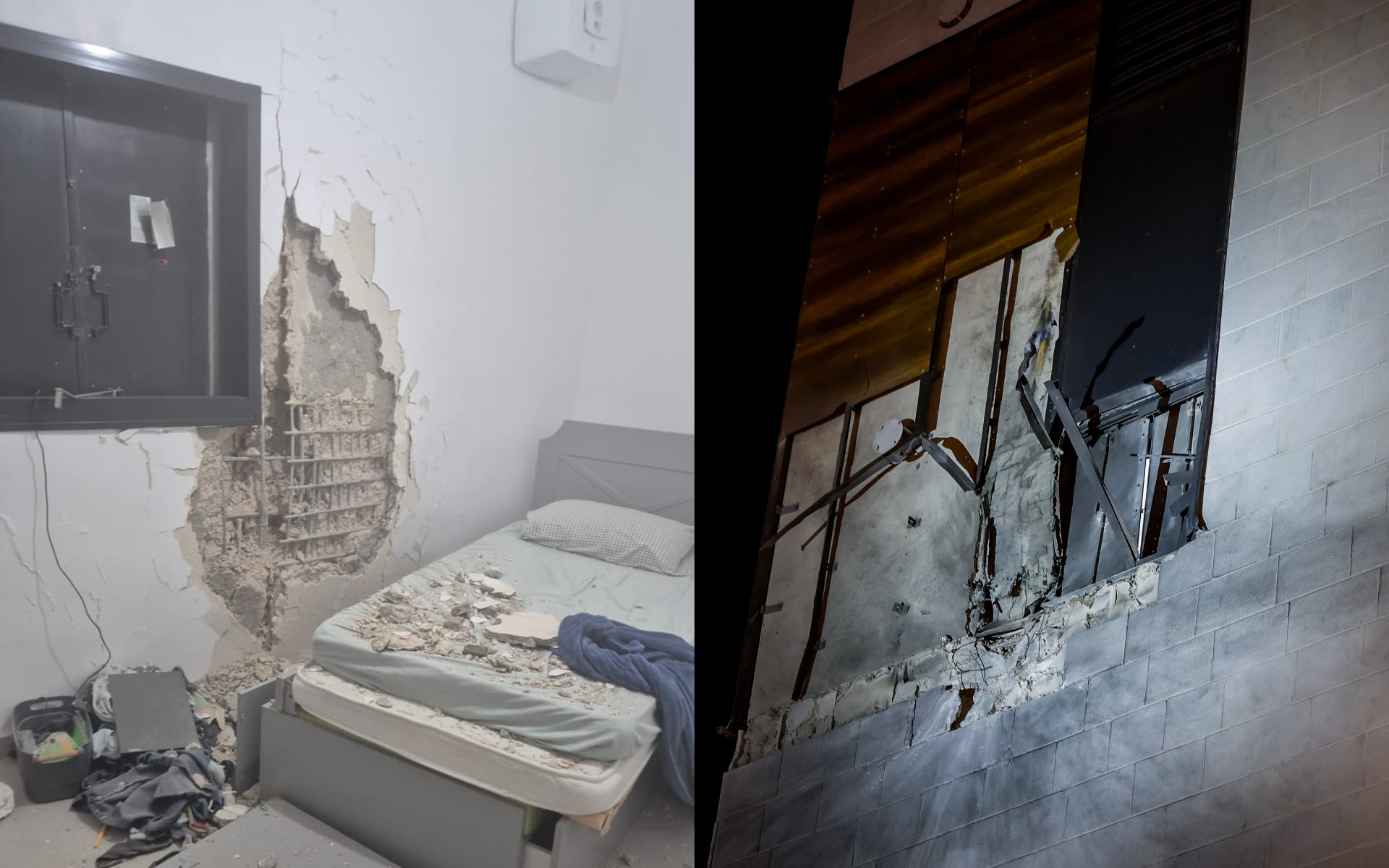
Damage caused to a bomb-safe room in Petah Tikva by an Iranian cluster munition, March 24, 2026. (Social media: used in accordance with Clause 27a of the Copyright Law; Tal Gal/Flash90)
A cluster munition from an Iranian ballistic missile managed to cause damage to the wall of a bomb-safe room in central Israel during an attack earlier this week, according to a Home Front Command investigation.
However, those inside the shelter in the apartment in Petah Tikva were unharmed by the blast from the bomblet.
The incident apparently marks the first time that a cluster munition has directly hit a bomb-safe room.
The Home Front Command investigation found that the submunition with several kilograms of explosives struck the outside wall of the bombproof room, close to the window, during the Tuesday attack.
The munition itself did not penetrate the shelter, but the wall is suspected to have been “breached” by the blast, due to the angle and location of the impact, the probe found.
“Despite the intensity of the direct impact, the large shockwave, and the amount of shrapnel, the wall of the bombproof room sustained most of the impact and saved the lives of those inside,” says Lt. Col. Moshe Shlomo, chief of the Home Front Command’s engineering department.
The Home Front Command says bombproof rooms are the safest place to be during ballistic missile attacks, especially in new buildings. The reinforced rooms have saved countless lives in the missile attacks from Iran, it says.
אתמול בפתח תקווה קבלנו עוד הוכחה חד משמעית: כניסה לממ"ד בעת התרעה – מצילה חיים!
צפו בראש ענף הנדסה של פיקוד העורף, מספר על עמידותם של קירות הממ"ד אל מול הפגיעה הישירה pic.twitter.com/UBOedXZuBu
— פיקוד העורף (@PikudHaoref1) March 25, 2026
Foreign worker hurt in drone attack on Omani port
MUSCAT, Oman — A drone attack on one of Oman’s main ports wounded a foreign worker, the Gulf country’s authorities say.
Two drones hit the port of Salalah in the far south of Oman, a statement carried by the country’s official news agency says, injuring the worker and causing “limited” damage to a crane.
Houthis claim responsibility for ballistic missile attack on Israel this morning
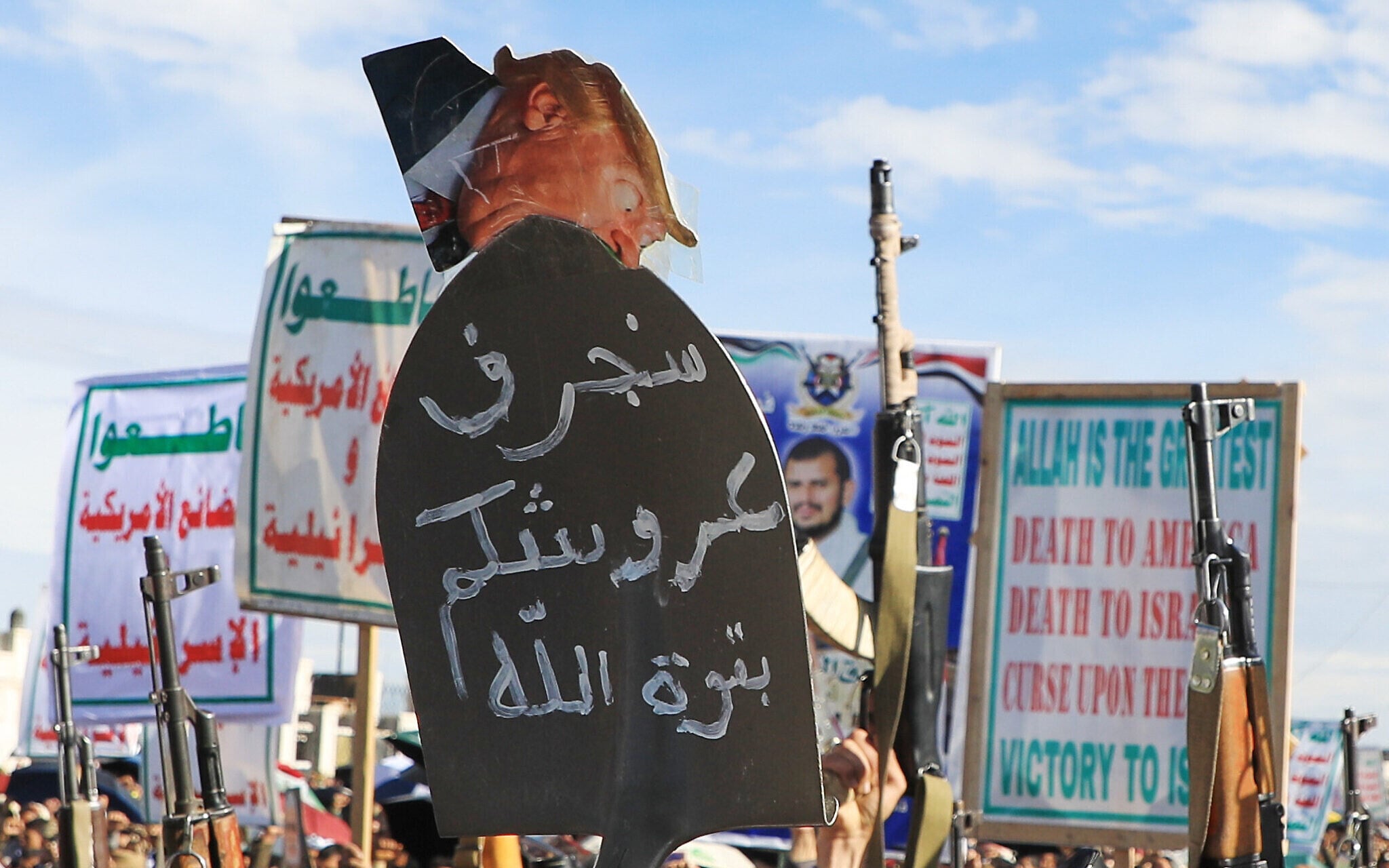
Houthi supporters shout slogans during a rally against Israel and the United States' war in Iran, in Sanaa, Yemen, March 27, 2026. The sign in Arabic reads, "we will remove your throne." (AP Photo/Osamah Abdulrahman)
The Iran-backed Houthis in Yemen take responsibility for this morning’s ballistic missile attack on southern Israel.
In a statement, the Houthis claim to have targeted “sensitive Israeli military sites” with a “barrage of ballistic missiles.”
The IDF said one missile fired from Yemen was successfully shot down by air defenses.
The Houthis vow to continue their attacks “until the aggression against all fronts of the resistance ceases.”
IDF says airstrikes targeted arms factories throughout Iran yesterday
The Israeli Air Force bombed several Iranian weapon manufacturing plants in Iran yesterday, the IDF says.
Some 50 IAF fighter jets participated in the waves of strikes in three areas of Iran, according to the military.
The IDF says the targets included a facility used to manufacture various weapons; an Iranian defense ministry site used to develop advanced explosive devices for Iran’s proxy groups, including Hamas and Hezbollah; and a site used to manufacture components for ballistic missiles and anti-aircraft missiles.
The weapon production sites were hit as part of the same waves of strikes targeting a yellowcake production plant near the central Iranian city of Yazd and a heavy water reactor near Arak, which the IDF announced yesterday.
12-year-old Israeli girl dies in bus accident at French ski station
LYON, France — A 12-year-old Israeli girl died in a bus accident at a ski station in France’s eastern Savoie region overnight, local authorities say.
Fourteen other Israeli tourists were on the bus, which reversed down a slope before tipping onto its side in the town of Belleville.
The others suffered slight injuries, and two of them were taken to the hospital, says Bruno Charlot, the deputy prefect in Albertville, the nearest large town.
The accident occurred shortly before 1 a.m. (0000 GMT) as the group was leaving their hotel to go to the airport.
Pakistan to host Saudi Arabia, Egypt and Turkey for talks on Mideast war
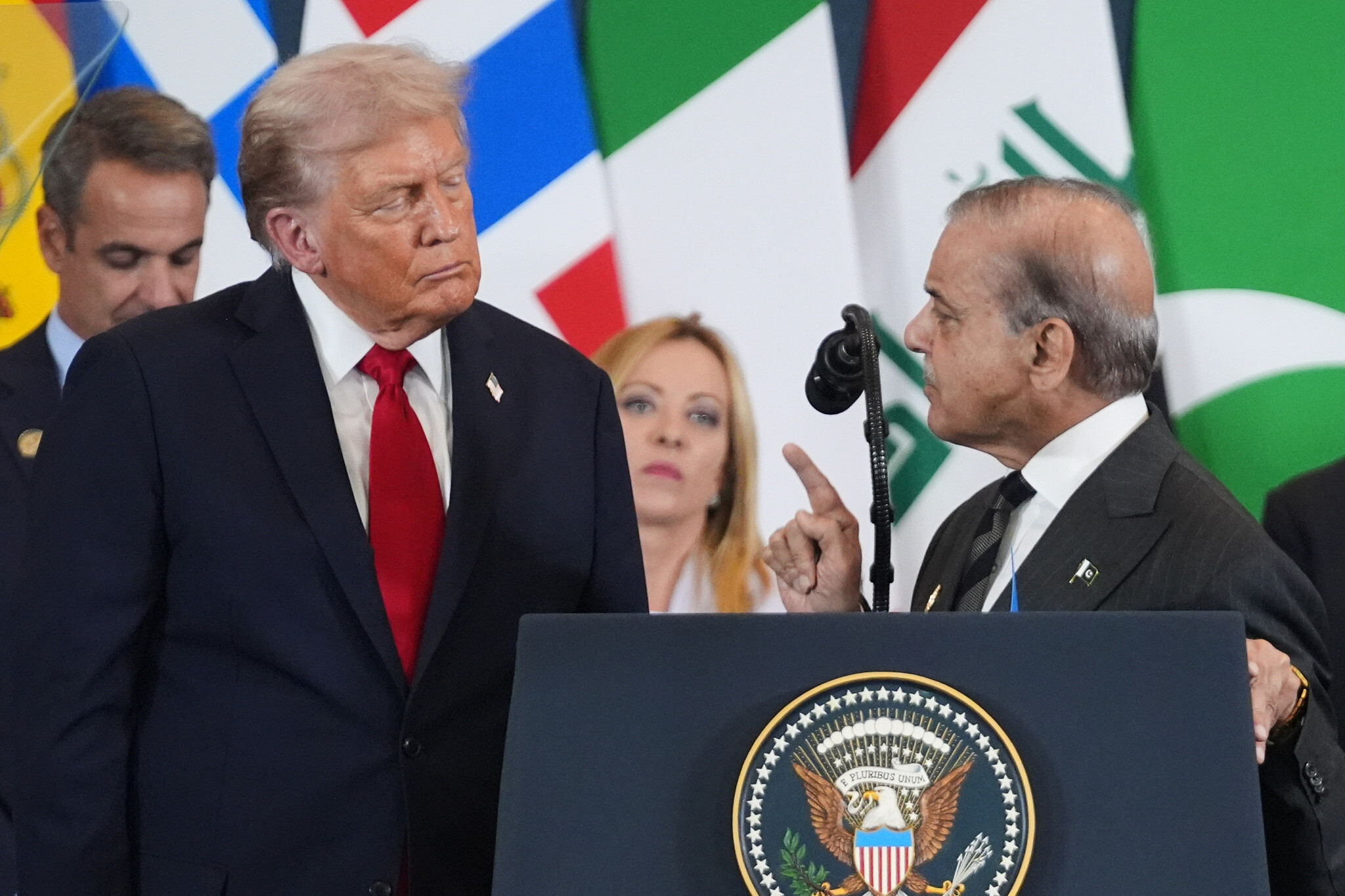
US President Donald Trump, left, listens as Pakistan's Prime Minister Shehbaz Sharif speaks during a summit to support ending the more than two-year Israel-Hamas war in Gaza after a breakthrough ceasefire deal, on October 13, 2025, in Sharm El Sheikh, Egypt. (AP Photo/Evan Vucci, File)
ISLAMABAD, Pakistan — Pakistan will host talks next week with Saudi Arabia, Egypt, and Turkey on the war in the Middle East, a senior foreign ministry official tells AFP.
“We will host a quadrilateral meeting on Monday,” the official says on condition of anonymity, adding that the exact representation was not yet confirmed.
Delegations are expected to arrive in Pakistan by tomorrow evening, the official adds.
Pakistan has emerged as a key facilitator between Iran and the United States as the conflict drags on, serving as an intermediary for messages between the two sides.
Islamabad has longstanding links with Tehran and close contacts in the Gulf, while Prime Minister Shehbaz Sharif and army chief Field Marshal Amin Munir have struck up a personal rapport with US President Donald Trump.
Israeli strikes reported on several towns in southern Lebanon at dawn
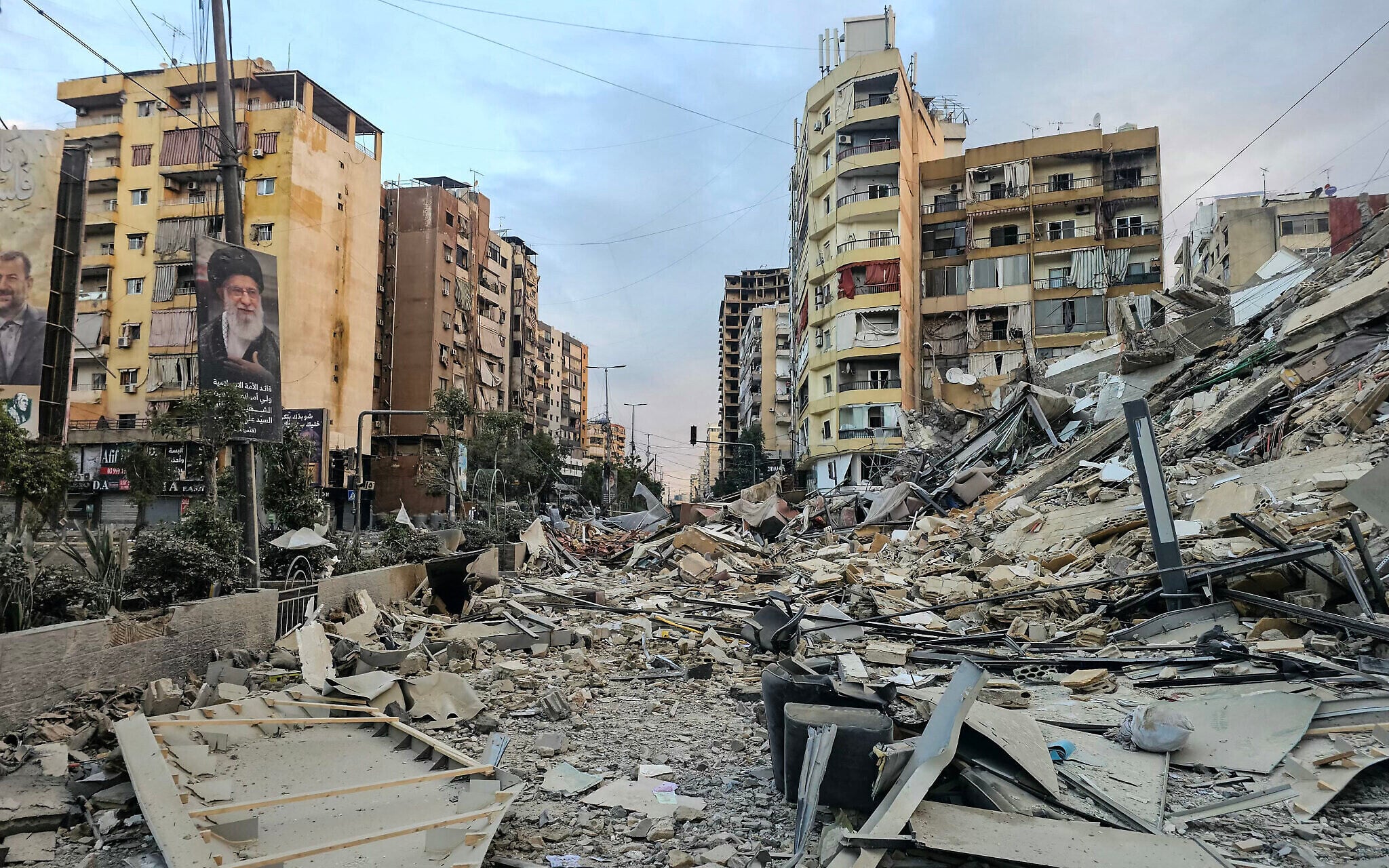
A photograph shows a portrait of Iran's slain supreme leader Ayatollah Ali Khamenei and the rubble of a destroyed building at the site of an overnight Israeli airstrike in Beirut's southern suburbs, Lebanon, on March 28, 2026. (AFP)
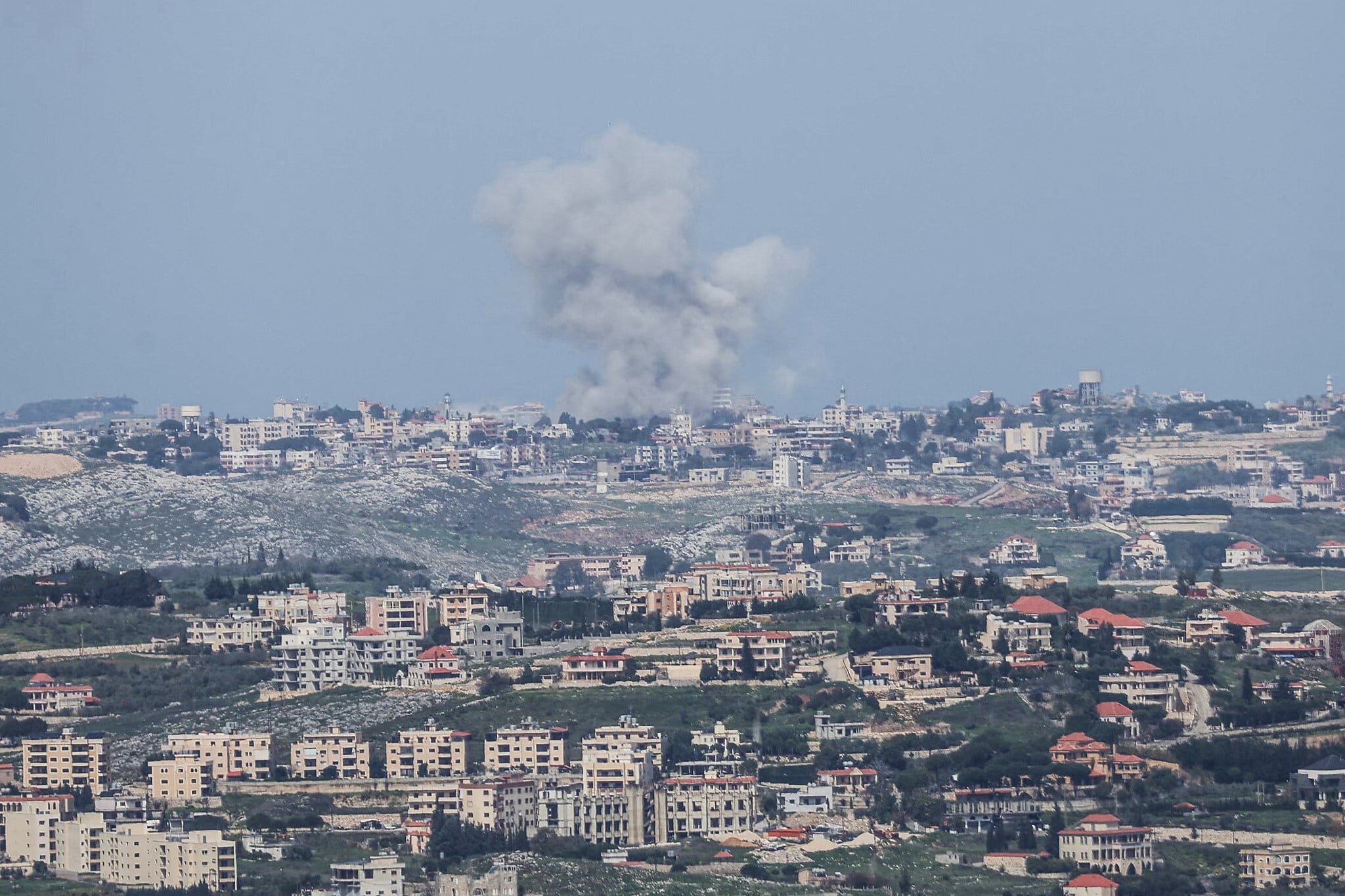
BEIRUT, Lebanon — Israel carried out dawn airstrikes on several towns in southern Lebanon, state media reports.
Lebanon’s state-run National News Agency reports “a series of strikes” at dawn on the town of Majdal Selm and “successive strikes” on the towns of Kafra, Hanniyeh, Touline, and Adloun.
It added that several Israeli strikes also targeted the city of Nabatieh, hitting “residential and commercial buildings and a fuel station.”
At the same time, the agency reports strikes on border towns, particularly Taybeh, along with “an attempt by enemy forces to advance toward the Litani area.”
6 people hurt from fires resulting from missile interception debris in Abu Dhabi
Six people were injured after three fires broke out in Abu Dhabi today as a result of debris falling from a ballistic missile interception, the emirate’s media office says.
All three fires have been controlled, and the cooling process is underway, it adds.
Abu Dhabi authorities were dealing with the fires in the vicinity of Khalifa Economic Zones Abu Dhabi, or KEZAD, part of Abu Dhabi’s AD Ports Group, economic cities and free zones.
As part of the ongoing follow-up to the previously reported incident in the vicinity of Khalifa Economic Zones Abu Dhabi – KEZAD, caused by falling debris following the successful interception of a ballistic missile by air defence systems, authorities confirmed outbreak of a…
— مكتب أبوظبي الإعلامي (@ADMediaOffice) March 28, 2026
Blast heard near Iraq’s Erbil Airport; radar system at Kuwait Airport heavily damaged in drone attack
ERBIL, Iraq — An explosion was heard this morning near the international airport of Erbil, a city in Iraq’s autonomous Kurdistan region, an AFP journalist reports and a witness says they saw smoke.
Erbil is home to a major US consulate complex, while its airport houses military advisors attached to a US-led international anti-jihadist coalition. Regular drone attacks by pro-Iran armed groups are usually intercepted by air defenses.
Additionally, the radar system at Kuwait’s international airport was heavily damaged in a drone attack today, Kuwaiti authorities say.
The attack on the tiny Gulf country caused no casualties, a civil aviation spokesperson tells Kuwait’s official news agency, but the radar system was badly damaged.
IDF says it killed two top Hezbollah communications unit members in Beirut
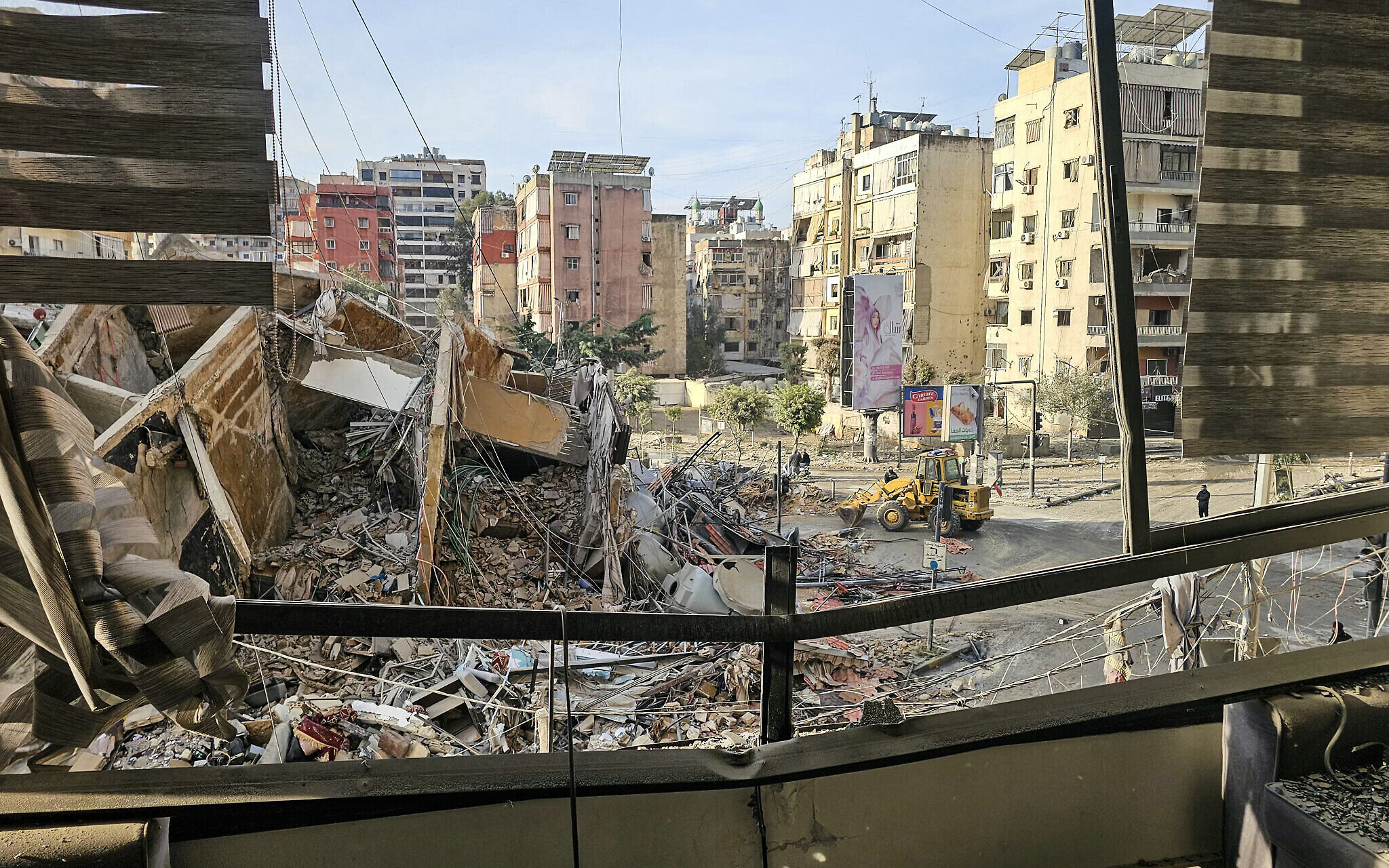
A bulldozer clears debris from a street at the site of an overnight Israeli airstrike in Beirut's southern suburbs, Lebanon, on March 28, 2026. (AFP)
The IDF says it killed two top members of Hezbollah’s communications unit in a strike in Beirut overnight.
The strike in the Lebanese capital killed Ayyoub Hussein Yaacoub and Yasser Mohammad Mubarak, both senior members of the unit, which the military has said is responsible for “maintaining communication continuity” within Hezbollah and overseeing “the development, maintenance, and use of communication systems” used by the terror group.
The military says Yaacoub previously served in a senior role in Hezbollah’s rocket unit, and was behind numerous attacks on Israel, while Mubarak simultaneously held a position in the rocket unit alongside his role in the communications unit.
Meanwhile, the IDF says the Israeli Air Force and Israeli Navy carried out dozens of strikes against Hezbollah sites across Lebanon overnight, including as part of support for ground troops operating in the south.
The targets included weapon depots, rocket launchers, and buildings used by Hezbollah, the military says.
At least 29 US troops wounded in Iranian attacks on Saudi base over past week
More than two dozen US troops have been wounded in Iranian attacks on a Saudi air base in the past week, according to two people who have been briefed on the matter.
Iran fired six ballistic missiles and 29 drones at Saudi Arabia’s Prince Sultan air base in an attack yesterday that wounded at least 15 troops, including five seriously, according to the sources who were not authorized to comment publicly and spoke on the condition of anonymity. US officials initially reported that at least 10 US troops were injured, including two seriously wounded.
The base had come under attack twice earlier this week, including an incident that injured 14 US troops, according to the people who had been briefed on the matter.
Located about 96 kilometers (60 miles) from the Saudi capital of Riyadh, the base is run by the Royal Saudi Air Force, but is also used by US troops.
Israeli airstrike said to kill two Palestinian brothers close to Yellow Line
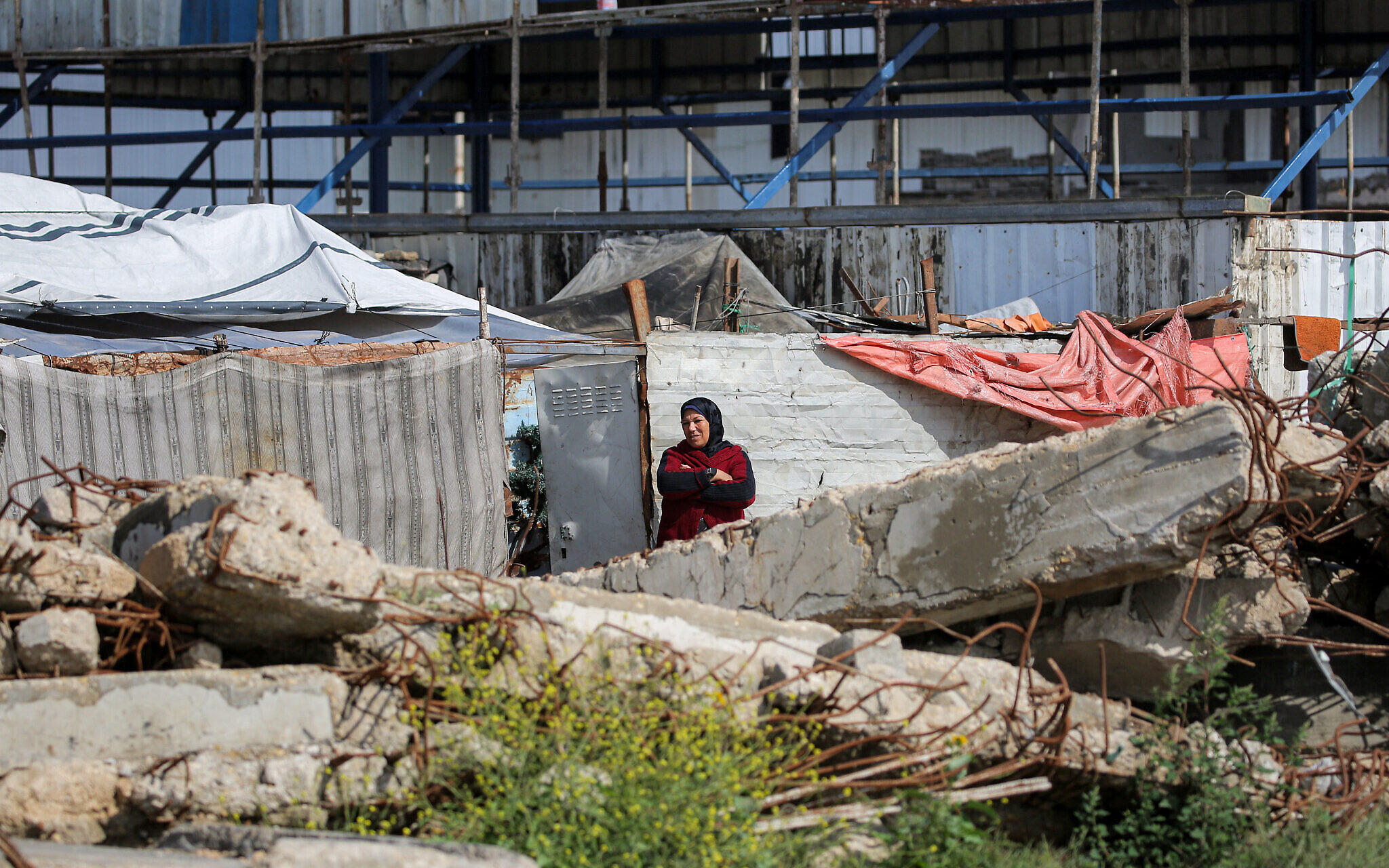
A woman stands outside a tent encampment at the Bureij refugee camp in the central Gaza Strip, on March 27, 2026. (Eyad Baba / AFP)
An Israeli airstrike killed two Palestinian brothers this morning in the Gaza Strip, hospital authorities say.
The strike hit the men close to the Showa roundabout in Gaza City’s Shejaiya neighborhood, according to the Al-Ahly hospital, which does not specify if the two were combatants or civilians.
The area is close to the so-called Yellow Line, which separates Israeli-controlled areas across the Gaza Strip from the rest of the enclave.
The military does not immediately respond to a request for comment.
Times of Israel staff contributed to this report.
Production at key Iranian steel factory halted after strikes
TEHRAN, Iran — Production at a major steel factory in Iran has been halted following US-Israeli strikes, Iranian media says.
Citing a statement by the Khuzestan Steel Company in Iran’s southwest, Shargh daily says the plant’s “production lines have been shut down” after several units and steelmaking facilities were hit by strikes yesterday.
Iranian military says it targeted US vessel near Omani port
TEHRAN, Iran — Iran’s military says that it had targeted a US logistics vessel near the Omani port of Salalah.
“A logistics vessel supporting the aggressive US army was targeted by the armed forces of the Islamic Republic of Iran at a considerable distance from the port of Salalah in Oman,” Ebrahim Zolfaghari, a spokesman for Iran’s central military command, says in a statement carried by state TV.
USS Gerald R. Ford arrives in Croatia for maintenance
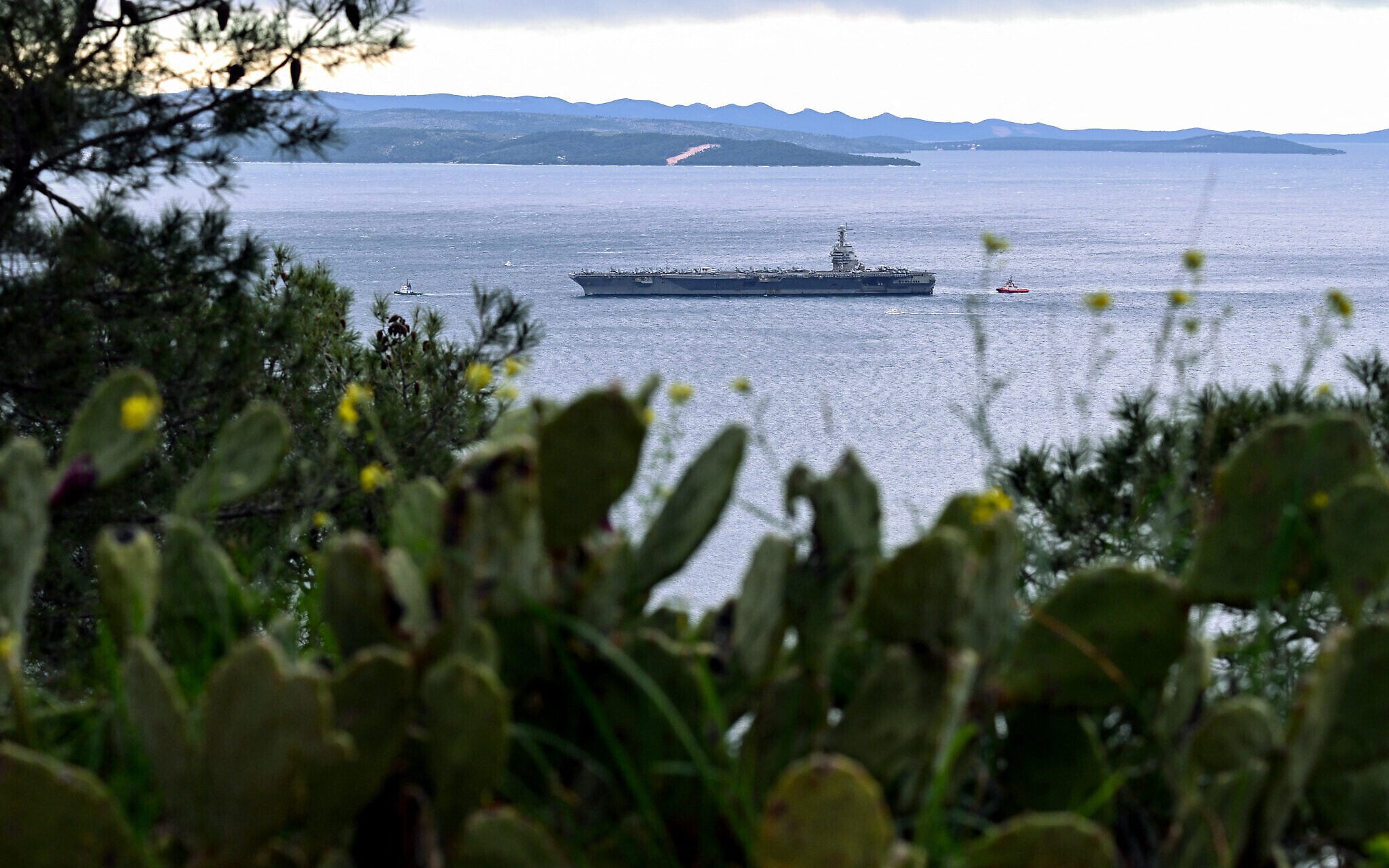
The world's largest aircraft carrier USS Gerald R. Ford, that has been part of Middle East war operations, arrives in the Croatian coastal city of Split for a scheduled port visit and maintenance stop on March 28, 2026. (ELVIS BARUKCIC / AFP)
SPLIT, Croatia — The USS Gerald R. Ford, the world’s largest aircraft carrier, which has been part of Middle East war operations, arrived at the Croatian city of Split today, the US embassy says in a statement.
AFP journalists saw the vessel arriving this morning as it headed toward the port, with the embassy saying it was part of a “scheduled port visit and maintenance.”
The carrier left a naval base in Crete earlier this week after returning to the base following a laundry fire onboard, which injured two crew members.
“During its visit the USS Gerald R Ford will host local officials and key leaders to recognize the strong and enduring alliance between the United States and Croatia,” the embassy statement says.
The United States and Israel launched a massive air campaign against Iran in late February following a major US military buildup in the Middle East that included the Ford and another aircraft carrier, the Abraham Lincoln.
Both ships — which have air wings made up of dozens of aircraft — have played key roles in Iran operations, and the withdrawal of the Ford leaves a gap for US forces in the region.
US says it will ‘intensify cooperation’ with Iraq to halt attacks on its forces
BAGHDAD, Iraq — The United States and Iraq will “intensify cooperation” to prevent attacks and ensure Iraqi territory is not used to launch assaults against US facilities, Washington’s embassy in Baghdad says in a statement.
Since the war began on February 28 with US-Israeli strikes on Iran, Iraq has been increasingly drawn into a conflict it had sought to avoid at all costs.
Pro-Iran Iraqi armed groups have carried out drone and rocket attacks against multiple US targets, including the embassy in Baghdad.
These pro-Iran factions, some of which are integrated into the Iraqi security forces, have themselves been regularly targeted by strikes, which the groups have blamed on the US or Israel.
The US embassy and Iraq released statements late yesterday, announcing the creation of a “High Joint Coordination Committee” to oversee efforts to tackle attacks in Iraq.
“The Iraqi and US sides decided to intensify cooperation to prevent terrorist attacks and ensure that Iraqi territory is not used as a launching point for any aggression against the Iraqi people, the Iraqi Security Forces, Iraqi strategic facilities and assets, as well as against US personnel, diplomatic missions, and the Global Coalition,” the US embassy in Baghdad said in a statement posted on X.
Iran’s Pezeshkian tells Pakistani PM trust needed in talks to end war, praises mediation efforts
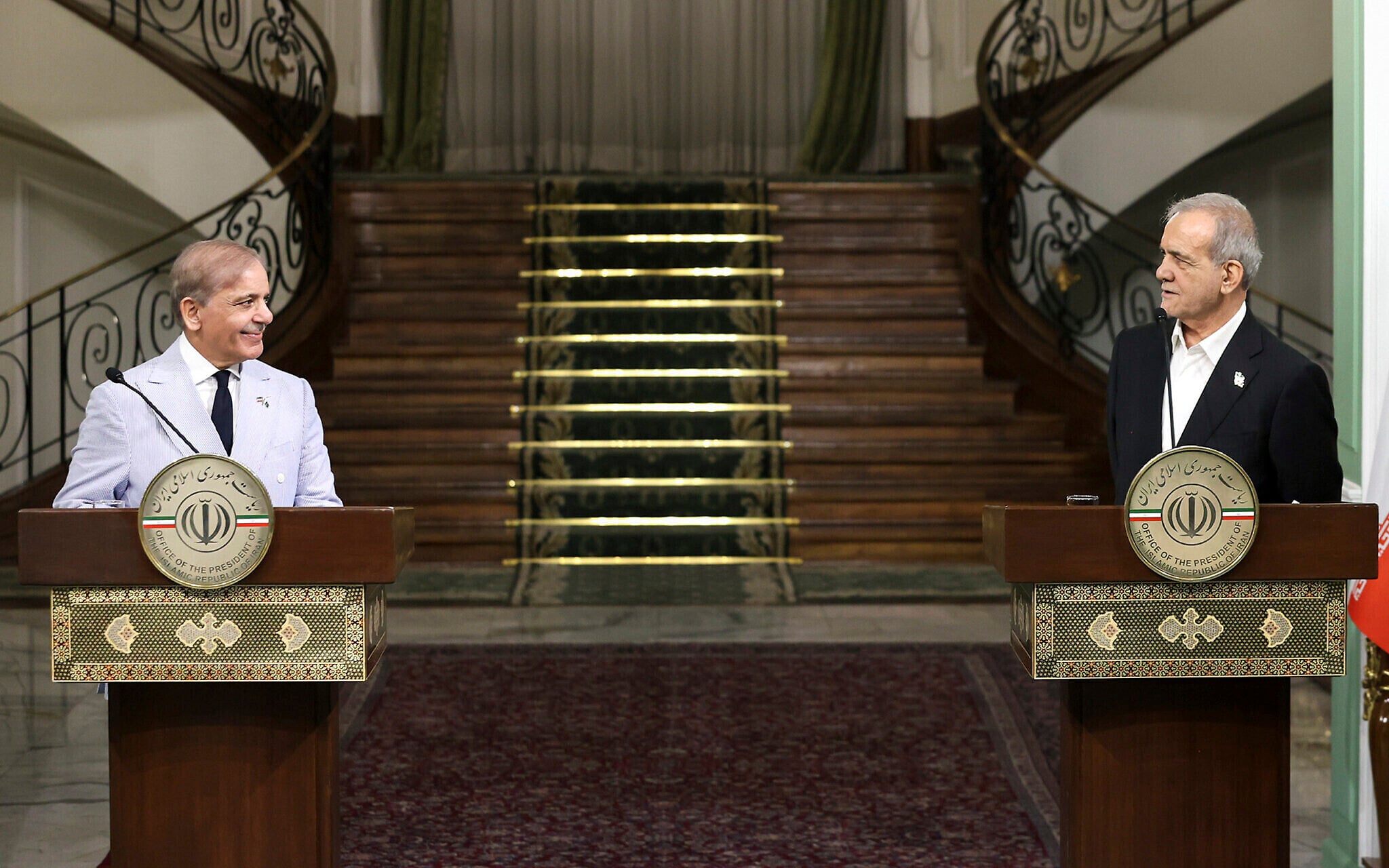
Iran's President Masoud Pezeshkian, right, speaks in a joint press conference with Pakistan's Prime Minister Shehbaz Sharif at the Saadabad Palace in Tehran, Iran, May 26, 2025. (Iranian Presidency Office via AP)
ISLAMABAD, Pakistan — Iranian President Masoud Pezeshkian has told Pakistan’s Prime Minister Shehbaz Sharif that trust is needed to facilitate talks and mediation on the conflict in the Middle East, the prime minister’s office says.
It says Pezeshkian had praised Pakistan’s diplomatic efforts and that the two leaders had discussed hostilities in the region and efforts to end the conflict during a call that lasted over an hour. Sharif briefed Pezeshkian on Pakistan’s diplomatic contacts with the United States and Gulf states, it says.
IDF says it finished wave of strikes in Tehran targeting regime sites
The Israeli Air Force completed a wave of airstrikes in Tehran a short while ago, the IDF says.
The military says the strikes hit Iranian regime infrastructure sites, and further details on the targets will be provided later.
Iran’s military says it targeted Ukrainian anti-drone system depot in UAE
TEHRAN, Iran — Iran’s military says it had targeted a Ukrainian anti-drone system depot in the United Arab Emirates, which it said was used to assist US forces.
“As the hideouts of American commanders and soldiers in Dubai were targeted… a Ukrainian anti-drone system depot that was located in Dubai to assist the US military … was targeted and destroyed,” Iran’s military central operational command Khatam Al-Anbiya says in a statement carried by state TV.
Earlier on Saturday, Ukrainian President Volodymyr Zelensky said on an unannounced visit to the UAE that the two countries had agreed to cooperate on defense.
Iranian ballistic missile attack launched at southern Israel
A ballistic missile attack from Iran has been detected by the IDF.
Sirens are expected to sound in southern Israel in the coming minutes.
Prominent Hezbollah-linked journalist reportedly killed in Israeli airstrike
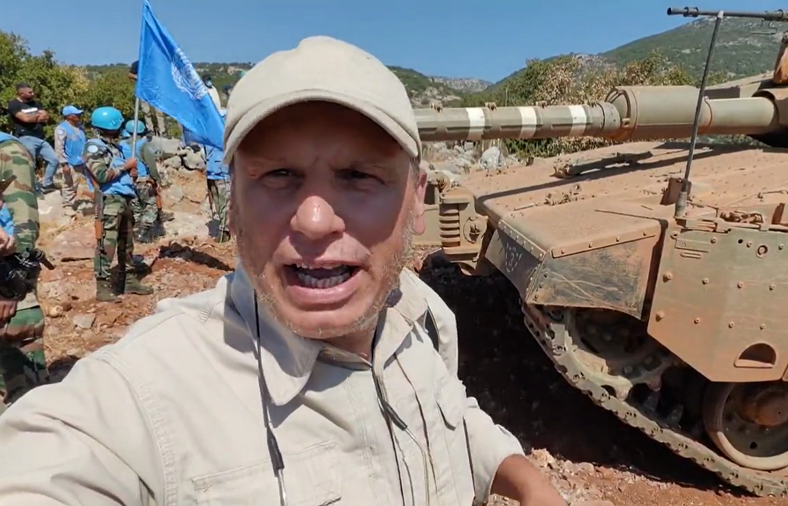
Ali Shoeib, a reporter for the Hezbollah-affiliated Al-Manar news outlet, stands next to an Israeli tank in the Mount Dov area along the border between Lebanon and Israel, while peacekeeping UNIFIL forces stand behind him, September 26, 2023. (Screenshot: X; used in accordance with Clause 27a of the Copyright Law)
Lebanese media reports that a prominent Hezbollah-affiliated journalist was killed in an Israeli airstrike a short while ago.
According to the reports, Ali Shoeib, who works for the Al-Manar TV network associated with Hezbollah, was killed in a strike targeting a car in the southern town of Jezzine.
The strike also reportedly killed Fatima Ftouni, a reporter with the Hezbollah-affiliated Al-Mayadeen channel.
There is no immediate comment from the IDF.
أنا لله وإنا اليه راجعون ????
استشهاد الصحافيين علي شعيب وفاطمة فتوني، مراسلي المنار والميادين، إثر استهداف إسرائيلي مباشر خلال تغطيتهما للعدوان على لبنان. pic.twitter.com/RdqpAGEKf7
— غضنفر المقداد (@Gaznf7) March 28, 2026
IDF detects additional missile fire from Iran
After sirens sounded in southern Israel due to an Iranian ballistic missile attack, an early warning is issued again in the south as well as in the center after the IDF identified additional launches from Iran.
Sirens are expected to sound in the coming minutes.
Moroccan court jails rapper for eight months over criticism of country’s Israel ties
RABAT, Morocco (AP) — A Moroccan court sentences a rapper known for his criticism of the country’s ties with Israel and government corruption to eight months in prison, the latest in a string of penalties against young musical artists.
Souhaib Qabli’s songs sharply criticize Morocco’s 2020 decision to normalize ties with Israel in an accord brokered by the first Trump administration. His lyrics also call out problems with public services and restrictions on freedom of speech, grievances also voiced by Morocco’s Gen Z protesters last year.
The judge ruled Thursday that Souhaib Qabli, a 23-year-old rapper, was guilty of insulting a constitutional body, his attorney, Mohamed Taifi, tells The Associated Press. Qabli, who is a member of Al Adl Wal Ihsane, a banned but tolerated Islamist association, was also fined $106.
“The court did not clarify what it meant by a constitutional body. No specific party was identified in the case file, and there are many constitutional institutions,” Taifi says.
Taifi says that his client is appealing the verdict. He also says Qabli was cleared of other charges, including insulting public officials and disseminating false allegations.
Medics and rescue forces responding to reports of impact in town near Beit Shemesh
Medics and rescue forces are responding to reports of an impact in the central town of Eshtaol, close to Beit Shemesh, following Iran’s latest ballistic missile salvo on Israel.
There are no immediate reports of injuries.
A small number of missiles were launched in the attack — the fourth since midnight and the first in eight hours — triggering sirens in southern Israel, the Jerusalem area, and parts of central Israel.
הדי פיצוצים בגוש דן, תיעוד: נפילה באזור בית שמש@BranuTegene pic.twitter.com/Jp535VPU7r
— החדשות – N12 (@N12News) March 28, 2026
Ukraine denies IRGC claim that it destroyed its air defense depot in Dubai
KYIV, Ukraine — Ukraine’s foreign ministry denies a statement by Iran’s Islamic Revolutionary Guard Corps that claimed it had destroyed a Ukrainian air defense depot in Dubai.
“This is a lie. We officially refute this information,” Heorhii Tykhyi, a spokesman for the ministry, tells reporters. “The Iranian regime frequently carries out such disinformation campaigns.”
Several lightly hurt after Iranian ballistic missile hits Jerusalem-area town
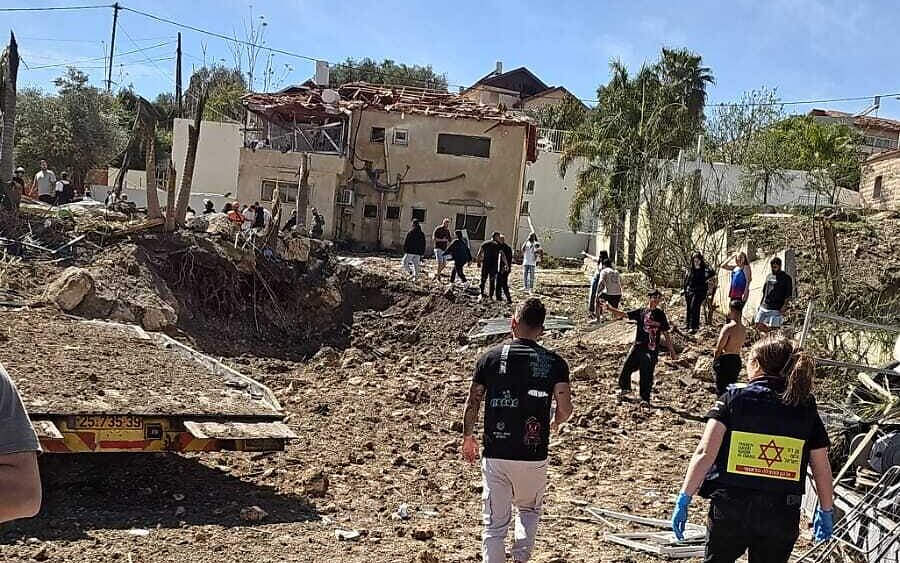
The site of an Iranian ballistic missile impact in Eshtaol, March 28, 2026. (Magen David Adom)
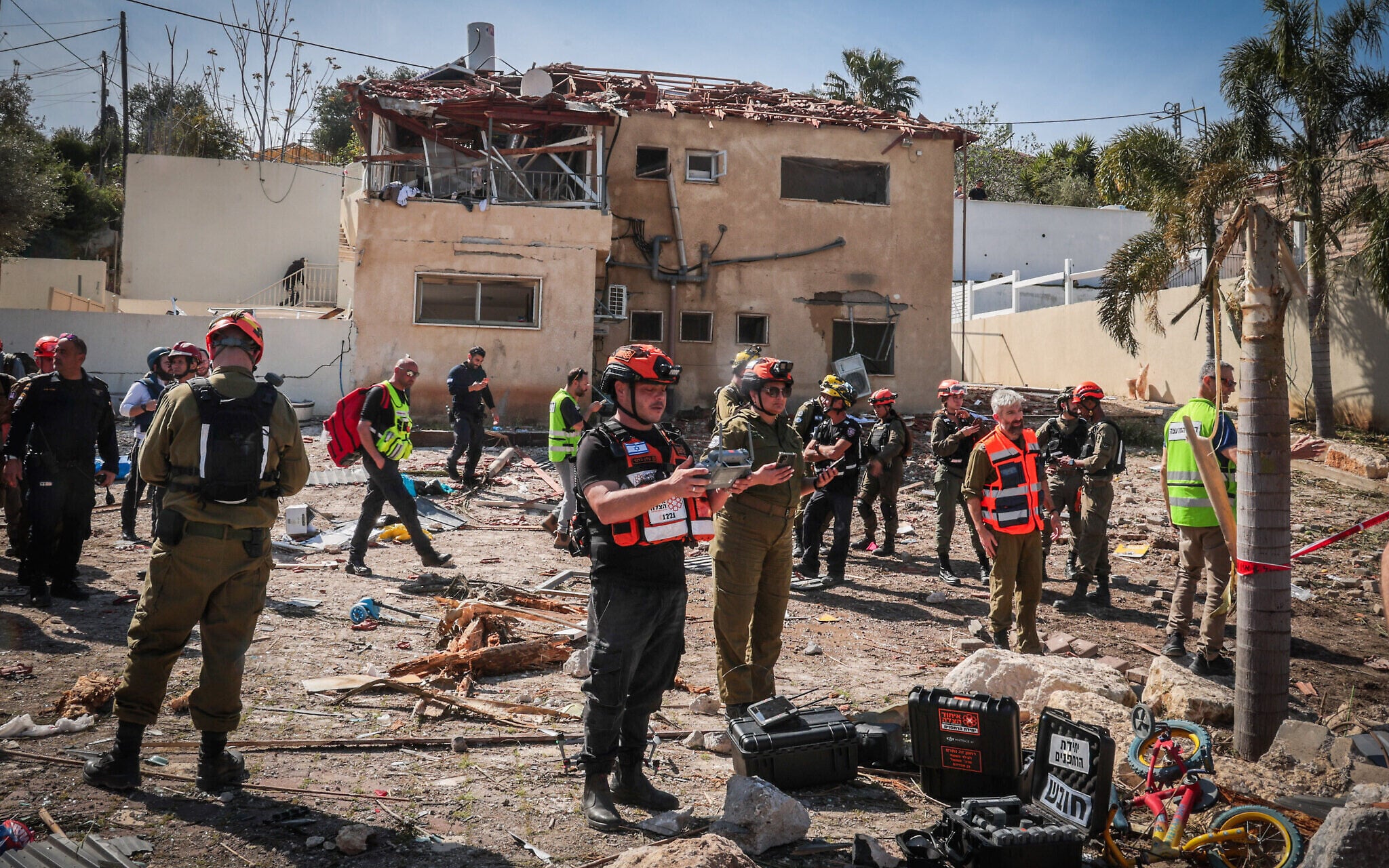
Several people are lightly injured after an Iranian ballistic missile struck the Jerusalem-area town of Eshtaol, first responders say.
The missile, which is assessed to have carried a conventional warhead of several hundred kilograms of explosives, caused extensive damage to nearby homes.
3 פצועים קל מנפילה סמוך לבית שמש | תיעוד הנזק לבתים בזירה@Itsik_zuarets pic.twitter.com/6MjmVbMaPZ
— כאן חדשות (@kann_news) March 28, 2026
IDF confirms killing Hezbollah-linked journalist in airstrike, says he was member of elite Radwan Force
The Israeli military confirms killing Hezbollah-affiliated journalist Ali Shoeib in an airstrike in southern Lebanon, saying he was targeted for being a member of the terror group’s elite Radwan Force.
According to the IDF, Shoeib was an operative in the Radwan Force’s intelligence unit while also working as a journalist for the Hezbollah-linked Al-Manar TV channel.
The IDF says Shoeib “served as a terrorist in the Hezbollah terror organization under the guise of a journalist for the Al-Manar network, while consistently working to expose the locations of IDF troops operating in southern Lebanon and along the border, and maintained continuous contact with other terrorists in the Radwan Force unit in particular and within the terror organization in general.”
During the ongoing war with Iran, Shoeib “continued his activities and reported on the locations of IDF troops operating in southern Lebanon,” the IDF says.
The military says Shoeib also “engaged in incitement against IDF troops and Israeli civilians, using his position as a channel to disseminate Hezbollah propaganda materials.”
The strike targeting a car in the southern town of Jezzine also killed Fatima Ftouni, a reporter with the Hezbollah-affiliated Al-Mayadeen channel, the network reported.
לפני זמן קצר, חיל-האוויר תקף וחיסל את עלי חסן שעיב, מחבל ביחידת המודיעין של יחידת 'כוח רדואן' בארגון הטרור חיזבאללה.
המחבל עלי חסן שעיב שימש כמחבל בארגון הטרור חיזבאללה במסווה של עיתונאי ברשת 'אלמנאר', תוך שפעל באופן עקבי לחשוף את מיקומם של כוחות צה"ל הפועלים בדרום לבנון ובקו… pic.twitter.com/1D5r31FlSN
— Israeli Air Force (@IAFsite) March 28, 2026
Russian nuclear firm head says situation deteriorating at Iran’s Bushehr nuclear plant due to strikes
An Iranian flag flutters in front of the reactor building of the Bushehr nuclear power plant, just outside the southern city of Bushehr, Iran, Aug. 21, 2010. (AP/Vahid Salemi, File)
MOSCOW, Russia — The situation at Iran’s Bushehr nuclear power plant continues to deteriorate, and attacks pose a direct threat to nuclear safety, the head of Russia’s state nuclear corporation Rosatom says after another strike near the facility.
The International Atomic Energy Agency said yesterday that Iran had informed it of another strike in the vicinity of Bushehr, the third such incident in 10 days, with no damage to the operating reactor and no release of radiation reported.
Muslim-Christian clashes break out in Syrian town after argument between two men
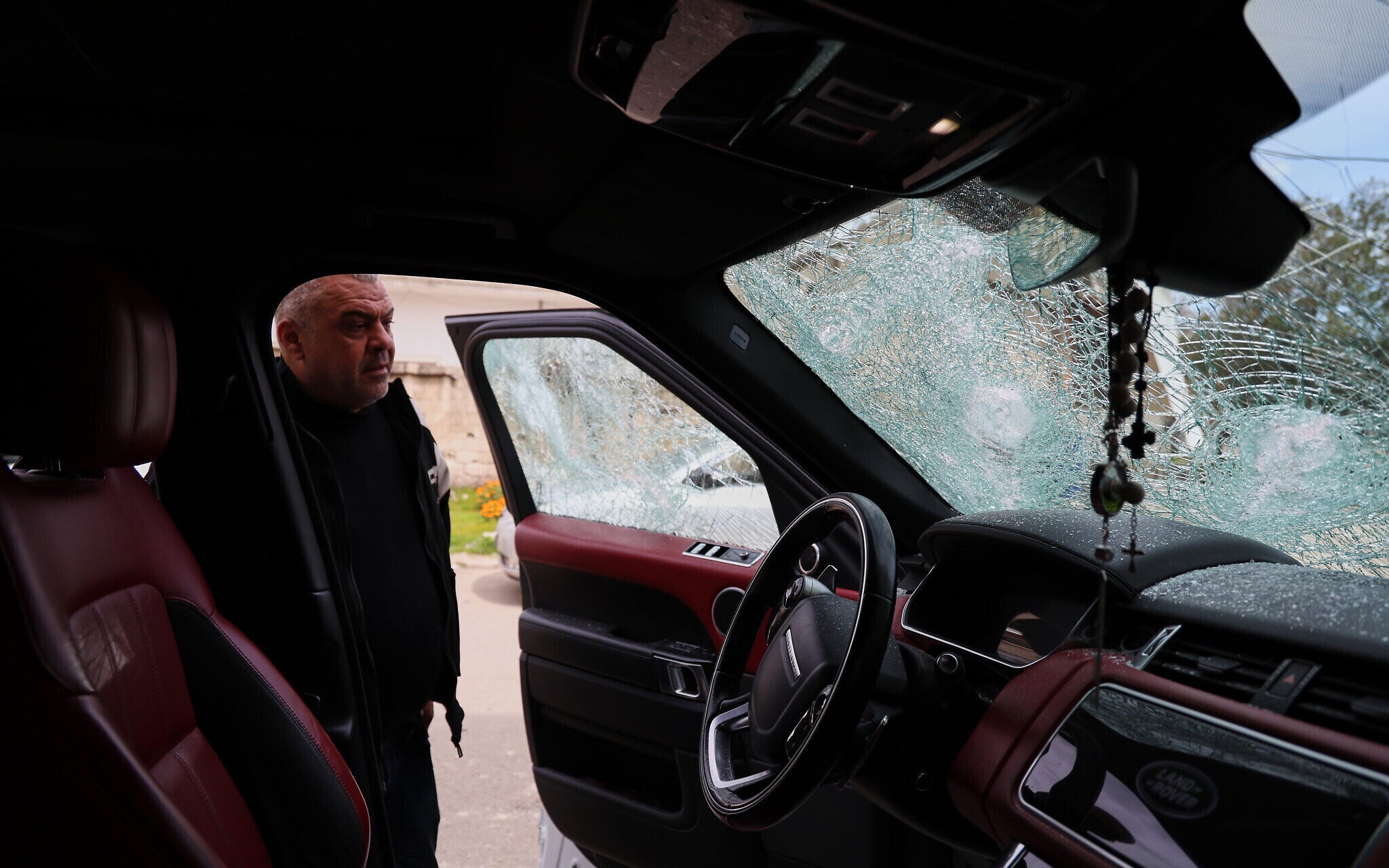
A man inspects a vehicle with shattered windows following overnight violence in the predominantly Christian town of Al-Suqaylabiyah, west of Hama, Syria, March 28, 2026. (AP Photo/Omar Albam)
SUQAYLABIYAH, Syria — An argument between two men in a Christian town in central Syria led to sectarian attacks that caused widespread damage to homes, shops, and cars in a reminder of religious violence that followed the fall of longtime leader Bashar Assad two years ago.
The attacks in the predominantly Christian town of Suqaylabiyah in Hama province are the latest to target members of Syria’s Christian minority, many of whom have left the country since the conflict began 15 years ago, leaving half a million people dead and the population deeply divided.
There is no immediate word on casualties in the attacks that lasted until early hours today, during which scores of men on motorcycles from the nearby Sunni town of Qalaat al-Madiq attacked the property of Christians.
Vyacheslav Vidmant, 52, named as victim in Iranian bomblet impact in Tel Aviv
Vyacheslav Vidmant, 52, is named as the victim killed in an Iranian bomblet impact in Tel Aviv late yesterday.
The security guard, who was not in a bomb shelter at the time, was employed by the Tel Aviv municipality to secure residential buildings that had been evacuated after a deadly Iranian attack on the first day of the war killed 32-year-old Mary Anne Velasquez de Vera.
IAF probing failure to shoot down Iranian ballistic missile that hit Jerusalem-area town
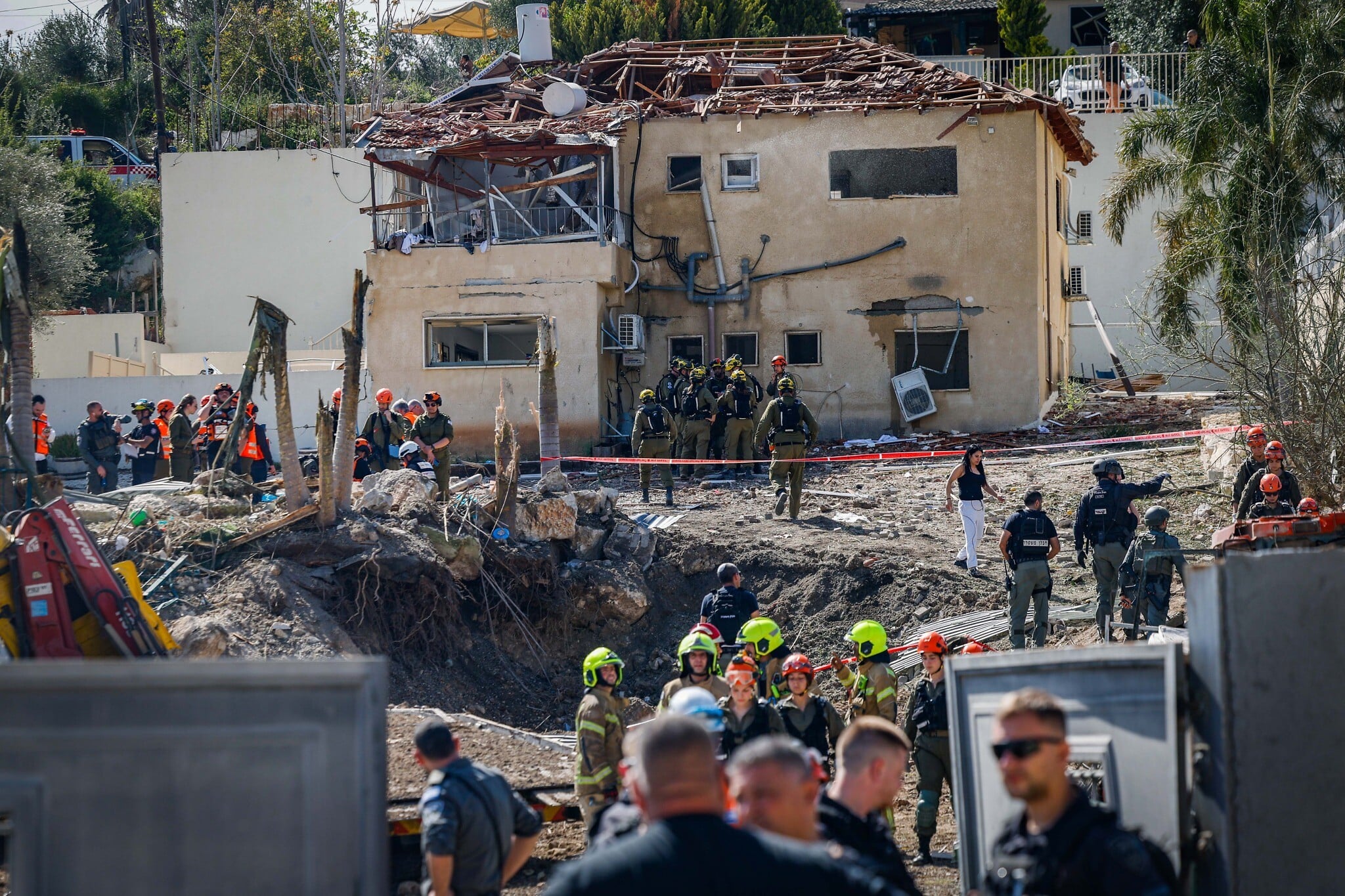
Rescue services at the scene of an Iranian ballistic missile impact in Eshtaol, March 28, 2026. (Oren Ben Hakoon/Flash90)
The Israeli Air Force is investigating the failure to shoot down the Iranian ballistic missile that struck the Jerusalem-area town of Eshtaol this afternoon.
According to the military, the Iranian missile carried a conventional warhead, not a cluster bomb. Attempts to intercept the missile were made, but air defenses failed to knock the projectile down.
The impact lightly injured at least 11 people and caused extensive damage to several buildings and a parking lot, in a radius of around 150 meters, rescue services say.
Man said killed by IDF in Khan Younis; brothers killed earlier identified as Hamas operatives
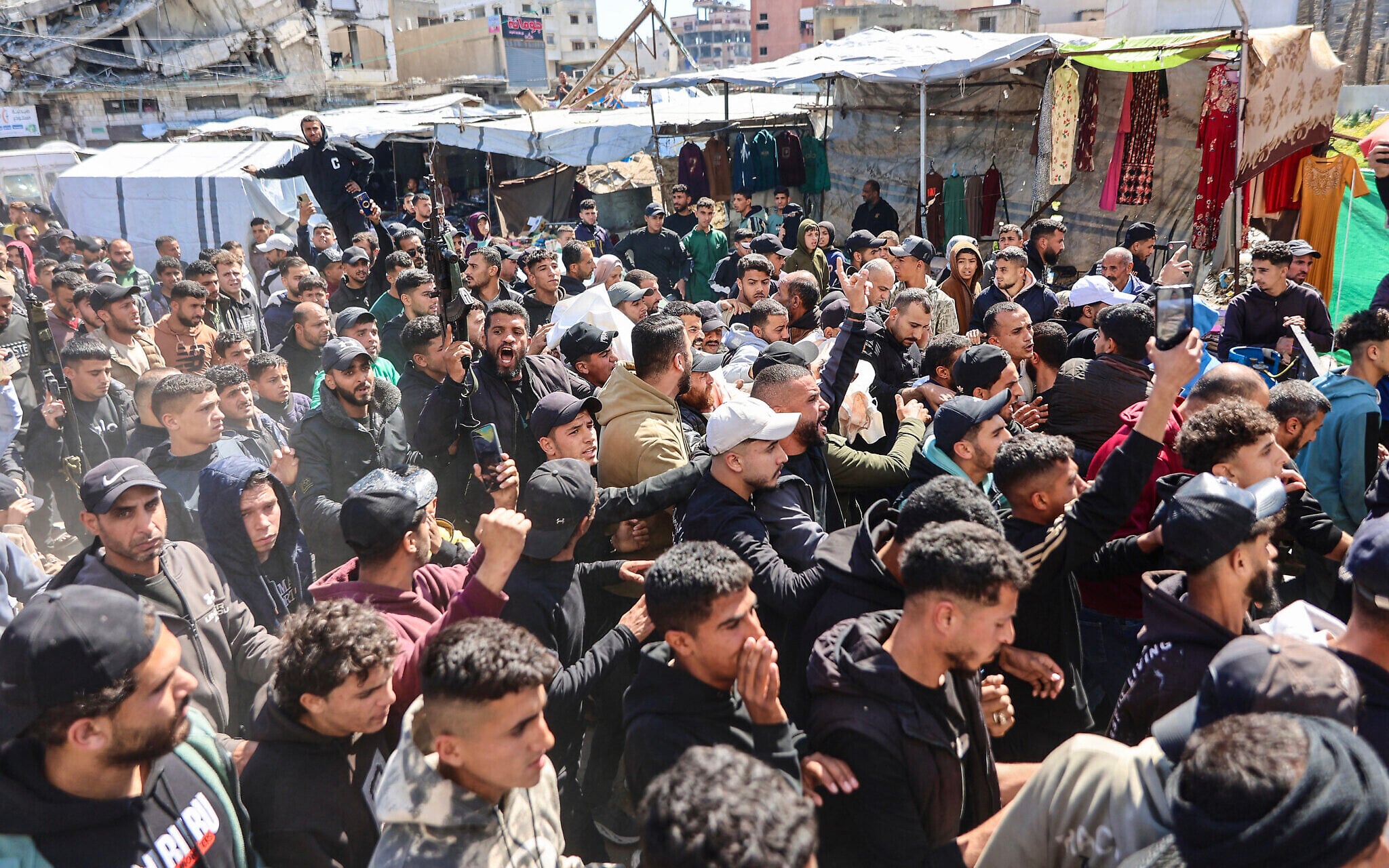
Mourners carry the bodies of Fahmi and Saed Qaddoum, two Palestinian brothers reportedly killed earlier in the day in an Israeli airstrike on Gaza City's Shejaiya neighborhood, during their funeral in Gaza City, March 28, 2026. (Omar AL-QATTAA / AFP)
A man was killed and several others wounded in an IDF drone strike on a car east of Khan Younis in southern Gaza, Palestinian media reports.
The IDF does not immediately comment.
The strike reportedly took place near the Bani Suheila roundabout, which lies about two city blocks away from the Gaza ceasefire line on the Hamas-controlled side. The killed and wounded were taken to Khan Younis’s Nasser Hospital, the reports say.
Separately, Palestinian media and a statement by the Hamas security apparatus’s so-called Deterrent Force identify the two men killed by an IDF strike in Gaza City’s Shejaiya earlier today as Hamas operatives who were targeted after a gunfight with anti-Hamas militiamen.
The men have been named as brothers Fahmi and Saed Qaddoum.
The IDF has not commented on the incident, which took place close to the Gaza ceasefire line on its Hamas-controlled side.
According to the Deterrent Force, which targets Palestinians accused of collaborating with Israel, the “two resistance fighters” were struck after fending off “operatives of the collaborationist militias” who tried to abduct them from their home in eastern Gaza City.
The militiamen retreated after the brothers killed or wounded several of them, the Hamas force claims, without specifying which militias it refers to.
Lebanon’s Aoun calls Israel’s killing of Hezbollah-linked journalists ‘blatant crime’
BEIRUT, Lebanon — Lebanese President Joseph Aoun condemns the Israeli strike that killed a journalist for Hezbollah’s Al Manar TV and another for the pro-Hezbollah Al Mayadeen channel in southern Lebanon.
“Once again, the Israeli aggression violates the most basic rules of international law, international humanitarian law and the laws of war, by targeting journalists, who are ultimately civilians performing a professional duty,” Aoun says in a statement released by the presidency.
“This is a blatant crime that violates all the norms and treaties under which journalists enjoy international protection in wars.”
Sirens blare warning of suspected drone attack in northern communities
Sirens warning of a suspected drone attack are sounding in several communities in the Galilee Panhandle and Golan Heights.
✈️ Hostile Aircraft Intrusion, Rocket Alert [16:34:05] – 9 Alerts:
• Confrontation Line — Ma'ayan Baruch, Kfar Giladi, Kfar Yuval, Kiryat Shmona, Metulla (2nd), Misgav Am, Margaliot, Tel Hai
Population: 52,000 pic.twitter.com/JnJGuGynoD
— ILRedAlert (@ILRedAlert) March 28, 2026
Iranian ballistic missile impact located in open area in Negev
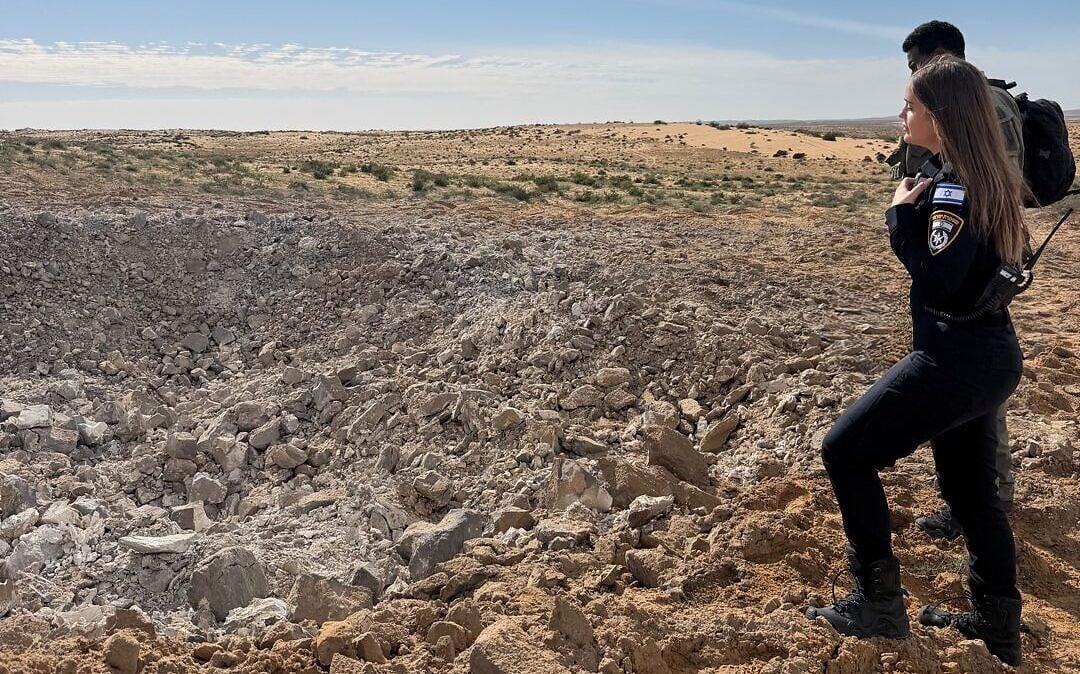
Israel Police officers at the scene of an Iranian ballistic missile impact in the Negev, March 28, 2026. (Israel Police)
One of the ballistic missiles fired at southern Israel amid Iran’s latest salvo struck an open area in the Negev Desert.
Police say officers scanned the site and other locations of falling fragments and found no injuries.
French police thwarts apparent bomb attack outside Bank of America in Paris
PARIS, France — French police stopped an apparent bomb attack outside a US bank in Paris early today when they arrested a man about to set off a homemade explosive device, sources close to the case tell AFP.
The incident occurred around 3:30 a.m. (0130 GMT) in front of a Bank of America building in the chic 8th arrondissement, a couple of streets from the Champs-Elysees.
Police grabbed the man just after he placed a device, made of five litres of liquid (nine imperial pints), believed to be fuel, and an ignition system, one of the sources say.
Hezbollah drone shot down, another hits open area in northern Israel
A Hezbollah drone launched from Lebanon was intercepted by air defenses a short while ago, while a second hit an open area in northern Israel, according to the IDF.
Sirens had sounded in the Galilee Panhandle and Golan Heights amid the incident. No injuries are reported.
Citing Dimona and Arad hits, report claims Israel using ‘less advanced munitions’ against Iran missiles; however, same interceptors were used successfully hours earlier
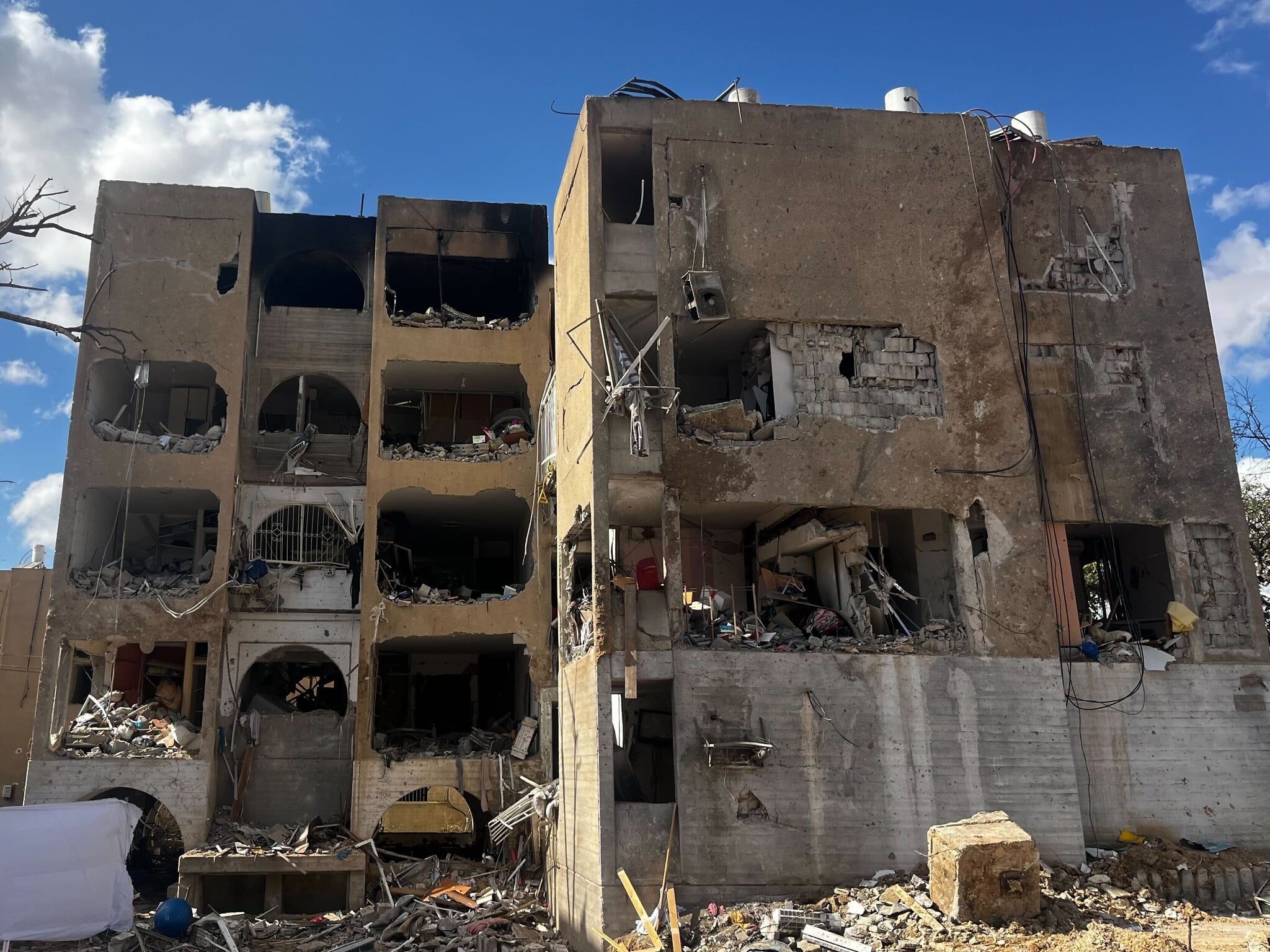
A damaged building at the site of a ballistic missile impact in Arad, March 22, 2026. (Stav Levaton/Times of Israel)
The Wall Street Journal claims that Israel has “begun rationing its use of high-end missile interceptors” and instead is using “less advanced munitions” to try to down Iran’s ballistic missile attacks.
“A pair of Iranian ballistic missiles recently scored direct hits on the towns of Dimona and Arad,” it specifies, referring to impacts on March 21, “after Israel tried and failed to intercept them with modified versions of less advanced munitions.”
The report comes after the medium-range David’s Sling air defense system failed to intercept the two Iranian ballistic missiles that struck the southern cities.
However, the report — which cites former officials and experts — is not entirely accurate, as the Israeli Air Force has been using the David’s Sling since the beginning of the current war, as well as during the June 2025 war with Iran, to successfully shoot down Iranian ballistic missiles.
According to the Israeli Air Force’s probes of the incidents in Dimona and Arad, there was no connection between the errors that led to the missile impacts, which injured nearly 200 people and caused extensive damage.
The fact that the incidents occurred in the same area within two hours was entirely coincidental, the IAF also said.
Two missile attacks on the same area in southern Israel hours earlier were successfully intercepted using the same air defense system, the David’s Sling, according to the IAF.
Israel operates a multi-tiered missile defense array, with the Arrow 3 currently the country’s most advanced long-range missile defense system, meant to intercept ballistic missiles — like the kind fired from Iran — while they are still outside of Earth’s atmosphere.
The use of the medium-range system instead of the Arrow 3 to shoot down Iranian ballistic missiles is believed to be part of the military’s efforts to conserve Israel’s stockpile of expensive long-range interceptors.
While each David’s Sling missile costs roughly $1 million to use, the Arrow 3 system can cost Israel over $2.5 million per use.
While not initially designed to intercept long-range ballistic missiles, David’s Sling was first used against Iranian ballistic missiles during the June 2025 war, successfully shooting down several projectiles launched from 1,500 kilometers (932 miles) away.
David’s Sling has been used in the current war as well, downing numerous Iranian missiles. This comes after the Defense Ministry said in early February that it had completed a series of “complex” tests with the David’s Sling aimed at “upgrading readiness for future threats.”
Military officials say the upgrades give the IAF more options when it comes to shooting down Iranian missiles.
Settlers from violent outpost filmed hurling stones at Palestinian village
About a dozen settlers are filmed descending from their illegal outpost to throw stones at a Palestinian village in the central West Bank.
The settlers are from an illegal outpost called Kol Mevaser, which was briefly taken down by Israeli authorities after its residents were involved in a series of violent attacks against the adjacent village of Mukhmas.
A Palestinian-American teen was killed in one of those attacks last month.
Kol Mevaser has since been rebuilt by the settlers, with no action by Israeli authorities, who are stretched thin in the West Bank amid the mushrooming of outposts throughout the entire territory.
???? Right Now:
About a dozen settlers descended again from Kol Mevaser outpost to the Palestinian village of Mukhmas and threw rocks upon the Palestinians.On Wednesday on a similar incident several Palestinians were injured and four were hospitalised. pic.twitter.com/9UlfXiY3wq
— Herd of Justice (@JustHerds) March 28, 2026
Vance: War will continue ‘a little while longer’ to ensure Iran ‘neutered’ for ‘very long time’

US Vice President JD Vance, chair of the newly formed Task Force to Eliminate Fraud, speaks during the task force's first meeting in the Indian Treaty Room at the Eisenhower Executive Office Building on the White House complex in Washington, March 27, 2026. (AP Photo/Manuel Balce Ceneta)
US Vice President JD Vance says Washington will continue the war in Iran for “a little while longer,” with the goal being to “neuter” the Islamic Republic for a “very, very long time.”
Asked on the “Benny Show” podcast about rising gas prices due to the war, Vance says the US has “accomplished the vast majority of our military projects” and adds that “you could make a good argument we’ve accomplished all of our military objectives.”
“The president’s going to keep at it for a little while longer to ensure that, once we leave, we don’t have to do this again for a very, very long time,” Vance says, in a rare acknowledgement that the military gains made by the US will not be permanent.
“This country is threatening us in all these ways. They’re still trying to build a nuclear weapon. We need to neuter them for a very, very long time, and that’s the purpose,” he adds.
Vance acknowledges the rising gas prices but calls them a “very temporary reaction to what is going to ultimately be a short term conflict.”
“We’re not interested in being in Iran a year down the road or two years down the road. We’re taking care of business. We’re going to be out of there soon, and gas prices are going to come back down,” he adds.
JD Vance | Saving Western Civilization by Fighting Demons, Will We Survive?
0:00 – Intro
1:13 – Advice to Young Men
3:00 – Fighting Fraud
5:59 – Ilhan Omar Immigration Fraud
7:16 – Tim Walz
7:48 – The SAVE America Act
11:50 – Mass Deportations
13:44 – Response to Joe Rogan
15:12… pic.twitter.com/A2fwHVTLVu— Benny Johnson (@bennyjohnson) March 28, 2026
IDF detects ballistic missile launch from Iran targeting southern Israel
A new ballistic missile attack from Iran has been detected by the IDF.
Sirens sound in the Eilat area of southern Israel.
Rescuers rush to reported impact site in Eilat following Iran missile attack
Rescue forces are responding to reports of an impact in the southernmost city of Eilat, following Iran’s latest missile attack.
There are no immediate reports of injuries.
According to the IDF, at least one of the missiles fired at Eilat was successfully intercepted by air defenses.
IDF says it intercepted Houthi cruise missile earlier today
A cruise missile launched by the Iran-backed Houthis in Yemen at Israel this morning was successfully intercepted, according to the IDF.
No sirens sounded in Israel as no towns were under any threat.
The cruise missile was fired several hours after the Houthis launched a ballistic missile at southern Israel, which was also downed, the military says.
IDF says it bombed Tehran HQ of Iranian naval weapons and ship producer
The Israeli Air Force bombed the headquarters of Iran’s Marine Industries Organization, which is tasked with the production of naval weapons and vessels, the military says.
The strike in Tehran overnight, carried out following intelligence provided by the Naval Intelligence Division, “deepens the damage to the Iranian terror regime’s naval capabilities, with a particular impact on its ability to produce advanced maritime weapons,” the IDF says in a statement.
The military says the MIO headquarters is responsible for “research, development, and production of a wide range of naval weaponry, including surface and sub-surface vessels, manned and unmanned equipment, as well as engines and weapons.”
The IDF says it also struck other sites used by Iran to develop weapons and air defense systems during the wave of strikes.
Emirates Global Aluminium reports injuries and damage after Iran attack on Abu Dhabi facility
The firm Emirates Global Aluminium (EGA) reports significant damage and multiple injuries from an Iranian attack at a facility it operates.
In a statement, EGA says its “Al Taweelah site sustained significant damage during the Iranian missile and drone attacks at Khalifa Economic Zone Abu Dhabi,” where authorities reported a fire earlier in the day caused by falling debris from an intercepted missile.
“A number of EGA employees were injured. None of the injuries are life threatening,” the statement says.
Iran launches another ballistic missile attack on southern Israel
Another ballistic missile attack from Iran has been detected by the IDF.
Sirens sound in southern Israel.
Police at two impact sites in open areas near Eilat; no injuries reported
Police say officers are operating at two sites in open areas near Eilat where missiles or falling fragments impacted, following Iran’s latest attack on the southernmost city.
No injuries were caused in the fifth attack from Iran since midnight.
According to the IDF, one missile was intercepted and another hit an open area.
No injuries reported after Iran launches 6th ballistic missile attack of the day
No injuries are reported following Iran’s latest ballistic missile attack, the sixth since midnight.
The missile, which triggered sirens in parts of Beersheba and surrounding towns in southern Israel, was likely intercepted, according to initial military assessments.
IDF assesses that it will complete strikes on almost all Iran’s military industrial base in coming days
The IDF assesses that it will complete targeting nearly all of Iran’s key military industry sites in the coming days.
The defense industry of Iran is extensive, with numerous military bodies and private companies manufacturing weapon systems — or components — including ballistic missiles, air defenses, naval weapons, cyber capabilities, and even spy satellites.
The Israeli Air Force has so far targeted thousands of assets of Iran’s military industry amid the war, or around 70%, and the IDF says that it is now close to having targeted around 90% of the key sites used to develop weapons that threaten Israel.
IDF says Lebanon’s Hezbollah has fired over 250 rockets at Israeli targets in past day
Hezbollah has launched some 250 rockets from Lebanon at Israeli targets in the past day, according to the IDF.
The military says the vast majority of the rockets were aimed at troops operating in southern Lebanon, with 23 projectiles crossing the border into Israel.
Video shows settlers fleeing West Bank village after reportedly throwing stones at Palestinians
Settlers in the West Bank have just raided the Palestinian village of Qusra, reportedly hurling stones at residents and homes.
Footage shows the settlers fleeing the village after locals began confronting them.
There are no reports of arrests, which are highly rare in such instances of settler violence, even though they take place on a daily basis.
Such attacks are particularly prominent on Shabbat, even though the perpetrators come from Orthodox backgrounds and their actions account for a number of violations of religious Jewish law.
لحظة هروب المستوطنين من بلدة "قصرة" جنوب شرق نابلس، بعد اندلاع مواجهات وتصدّي الفلسطينيين لهم. pic.twitter.com/T7obKADLjl
— شبكة قدس الإخبارية (@qudsn) March 28, 2026
Home Front Command says wartime restrictions to remain in place until at least Monday night
The IDF Home Front Command says its current wartime guidelines are being extended until Monday night at least, meaning educational activities will remain prohibited in most parts of the country.
By Monday at 8 p.m., another assessment will be conducted by the Home Front Command.
Under the current guidelines, educational institutions can operate, provided there is an adequate shelter that can be reached in time, in some areas of the north, south, and West Bank.
A full list of locales can be found on the Home Front Command’s website.
Gatherings of up to 100 people indoors and 50 people outdoors are also permitted, under the same conditions in those areas.
In the rest of the country, educational activities are still prohibited. Gatherings are limited to 50 people, provided a shelter can be reached in time, and workplaces can operate under the same conditions.
Sirens triggered in Eilat due to suspected drone attack
Sirens warning of a suspected drone attack sound in the southernmost city of Eilat.
The origin of the apparent drone is not immediately known.
Earlier today, a cruise missile launched by the Iran-backed Houthis in Yemen was shot down over the Red Sea, and a ballistic missile fired at southern Israel was also intercepted, according to the IDF.
Military says over 800 Hezbollah operatives killed in Lebanon amid the war with Iran
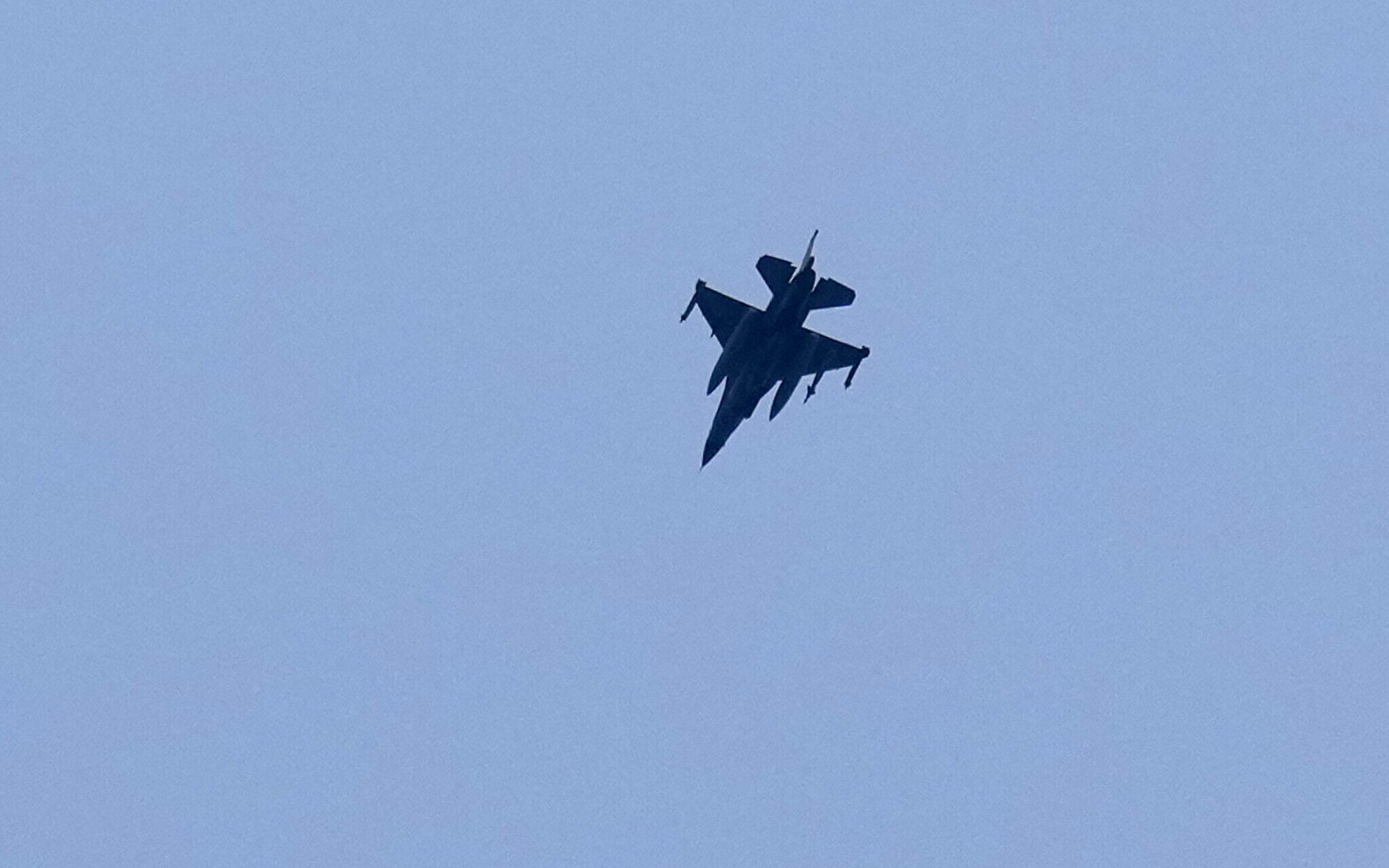
An Israeli F-16 fighter jet flies over the southern Lebanese port city of Tyre, March 28, 2026. (AP Photo/Hussein Malla)
The Israeli military says it has killed at least 800 Hezbollah operatives in Lebanon since hostilities escalated amid the war with Iran.
They include hundreds of members of the terror group’s elite Radwan Force, according to the IDF.
The Lebanese health ministry reported earlier today that at least 1,189 people in Lebanon have been killed in the fighting, a figure that doesn’t differentiate between civilians and combatants.
Over the weekend, the IDF says it struck some 170 Hezbollah sites, as ground troops continue to operate in southern Lebanon.
The IDF says troops located weapons and killed dozens of Hezbollah operatives, including those who launched rockets at Israel and at forces, amid the weekend operations.
Suspected Houthi drone intercepted over Eilat
A drone, suspected to have been launched from Yemen, was intercepted by air defenses over the southernmost city of Eilat a short while ago, according to the IDF.
The Iran-backed Houthis in Yemen vowed to resume attacks on Israel, and this morning launched a ballistic missile and a cruise missile, which were both intercepted.
Footage shows the moment a suspected Houthi drone from Yemen was shot down by air defenses over Eilat. pic.twitter.com/PwxlEvUC23
— Emanuel (Mannie) Fabian (@manniefabian) March 28, 2026
Home of Iraqi Kurdistan’s president targeted in drone attack
The residence of Nechirvan Barzani, president of the semi-autonomous northern Kurdish region of Iraq, in the city of Duhok was targeted today, causing damage but no casualties, an official with the regional government tells the Associated Press.
The official, who speaks on condition of anonymity because he was not authorized to comment publicly, says the residence was empty at the time.
No group has claimed responsibility for the attack.
Iraqi Prime Minister Mohammed Shia al-Sudani condemned the attack in a phone call with Barzani, calling it a “heinous” act, according to a statement from his office.
Al-Sudani says a joint security and technical team from federal authorities and the northern Kurdish region’s government will investigate and take legal measures against those responsible.
Qubad Talabani, deputy Prime Minister of the Kurdish region, says that armed groups operating outside state control pose a growing threat to stability in the country.
Iran-backed force in Iraq says 3 fighters killed in ‘Zionist-US’ strike
A strike in northern Iraq’s Kirkuk killed three fighters from the Popular Mobilization Forces and wounded four others, the ex-paramilitary coalition says, blaming the US and Israel for the attack.
The fighters from the alliance — also known as the Hashed al-Shaabi, now part of Iraq’s regular armed forces — were “subjected to a treacherous Zionist-American” attack, according to a PMF statement.
Eisenkot rejects Bennett’s offer to join forces: I believe in myself, have no intention of being No. 2
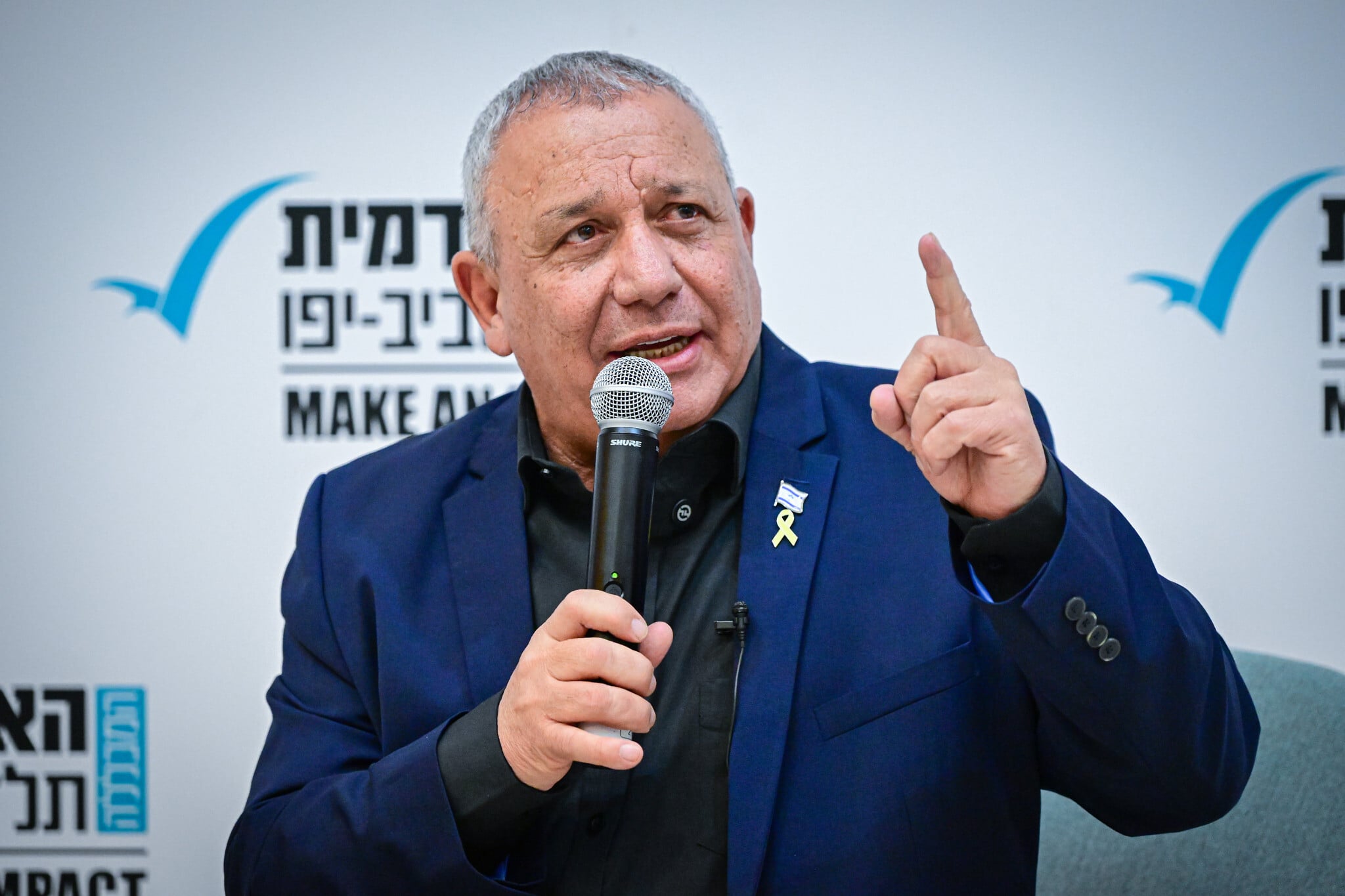
Gadi Eisenkot attends a conference at the Academic College in Tel Aviv, January 6, 2026. (Avshalom Sassoni/Flash90)
Former IDF chief Gadi Eisenkot, head of the Yashar party and contender for prime minister, says he has no intention of becoming ex-premier Naftali Bennett’s “number two” in the upcoming elections.
“I believe in myself, I know what kind of leadership I bring and see myself as a very good candidate,” he says in an interview with Channel 12 news. “I did not leave as Benny Gantz’s number two in order to be number two to Bennett.”
Eisenkot used to serve as a lawmaker in Gantz’s centrist Blue and White party, before splitting off and founding his own party last year.
The former general rejects the prospect of playing second fiddle to Bennett, several days after the latter said he suggested to Eisenkot privately that the pair join forces.
Contrary to Bennett’s claim that he was sitting on the offer, Eisenkot says he flatly rejected the proposal. “He received the answer ‘no’ there and then,” he says of Bennett.
Earlier this month, Eisenkot’s Yashar emerged as the leading challenger to Prime Minister Benjamin Netanyahu’s Likud, beating out Bennett’s still-unnamed party in a poll published by Zman Yisrael, The Times of Israel’s Hebrew-language sister site.
Bennett, whose party had consistently polled as the largest in the opposition, fell from 17 to 15 seats in the March 19 survey.
Responding to Eisenkot’s remarks tonight, Bennett doubles down on his call for Eisenkot to join forces with him. “Israel needs unity in order to bring great victory,” he says, as quoted by Channel 12. He further warns that “the public won’t forgive someone who prevents victory… Gadi, let’s unite and win.”
Iran launches fresh ballistic missile attack on southern Israel
A new ballistic missile attack from Iran has been identified by the IDF.
Sirens are expected to sound in southern Israel in the coming minutes.
IDF spokesman: Strikes on ‘critical’ Iranian defense production sites to be completed ‘within a few days’
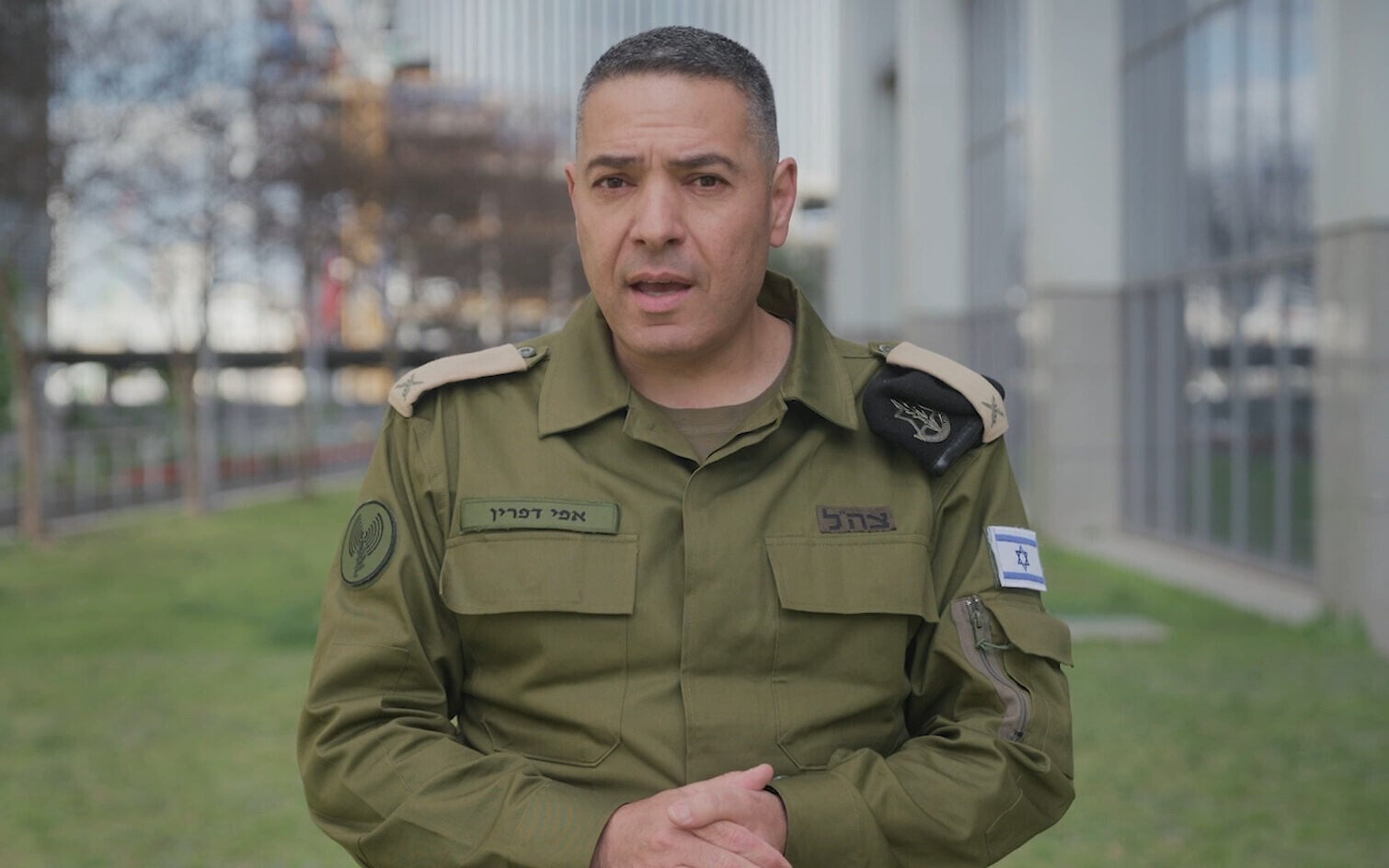
IDF Spokesman Brig. Gen. Effie Defrin issues a video statement, February 27, 2026. (Israel Defense Forces)
IDF Spokesman Brig. Gen. Effie Defrin says that “within a few days” the military will complete targeting all of the “critical” assets of Iran’s military production industries.
“This means we will destroy most of the military production capabilities, and it will take the regime a long time to restore them,” he says in a press conference.
Iran’s defense industry is extensive, with numerous military bodies and private companies manufacturing weapon systems — or components — including ballistic missiles, air defenses, naval weapons, cyber capabilities, and even spy satellites.
The Israeli Air Force has so far targeted thousands of assets of Iran’s military industry amid the war, or around 70%, and the IDF assesses that it is now close to having targeted around 90% of the key sites used to develop weapons that threaten Israel.
Hezbollah launches rocket attack from Lebanon on northern Israeli towns
Sirens sound in the Galilee amid a Hezbollah rocket attack from Lebanon.
The alerts are activated in Ma’alot-Tarshiha and nearby towns.
No injuries reported in concurrent Iranian and Hezbollah attacks on Israel
No injuries are reported following Iran’s latest ballistic missile attack, the seventh on Israel since midnight, and concurrent Hezbollah rocket fire from Lebanon.
The Iranian missile, which triggered sirens in southern Israel, was likely intercepted, according to initial military assessments.
Hezbollah, meanwhile, fired five rockets toward the Galilee, which were all intercepted, the IDF says.
Palestinian teen, foreign volunteer reportedly wounded by settlers in southern West Bank
The Red Crescent says a 16-year-old boy and a foreign volunteer were injured in a settler attack involving beatings and pepper spray in the southern Hebron Hills area of the southern West Bank.
No further details are provided.
Palestinian villagers: IDF took an hour to respond to settler attack, by which time the extremists had fled
Youssef Hammas Abu Ali, a resident of the Palestinian village of Mukhmas, says that it took over an hour for the IDF to arrive at the scene of a settler attack earlier today, by which time the extremists had already left.
Abu Ali, a chicken farmer, says that around nine extremist settlers descended from their illegal settlement outpost of Kol Mevaser close to Mukhmas at around 3 p.m.
They threw stones and slung rocks with a slingshot at villagers gathered at the outskirts of Mukhmas, who had gathered to defend agricultural infrastructure there. Two weeks ago, extremists from the same outpost set fire to a fence right next to a chicken coop in the same area.
The settlers cut the barbed wire set up by villagers to defend Mukhmas, Abu Ali says, but they eventually left due to the presence of the residents.
Villagers called the army to report the attack; the IDF force only turned up after 4 p.m., by which time the settlers left.
The extremists came back on two further occasions.
Rabbi Arik Ascherman, a veteran Israeli human rights activist, says that until the police or army arrest the extremists and destroy the access road to Kol Mevaser, the attacks will continue.
The IDF doesn’t immediately respond to a request for comment.
Last Wednesday, over 10 Palestinians from Mukhmas, including Abu Ali, were injured when extremists from Kol Mevaser attacked the village, with at least four of the villagers requiring hospital treatment for their wounds. When the army finally arrived after an hour the settlers fled, with soldiers then firing tear gas at the Palestinians who had gathered at the site.
At least 18 arrested during protests against Iran war in major Israeli cities
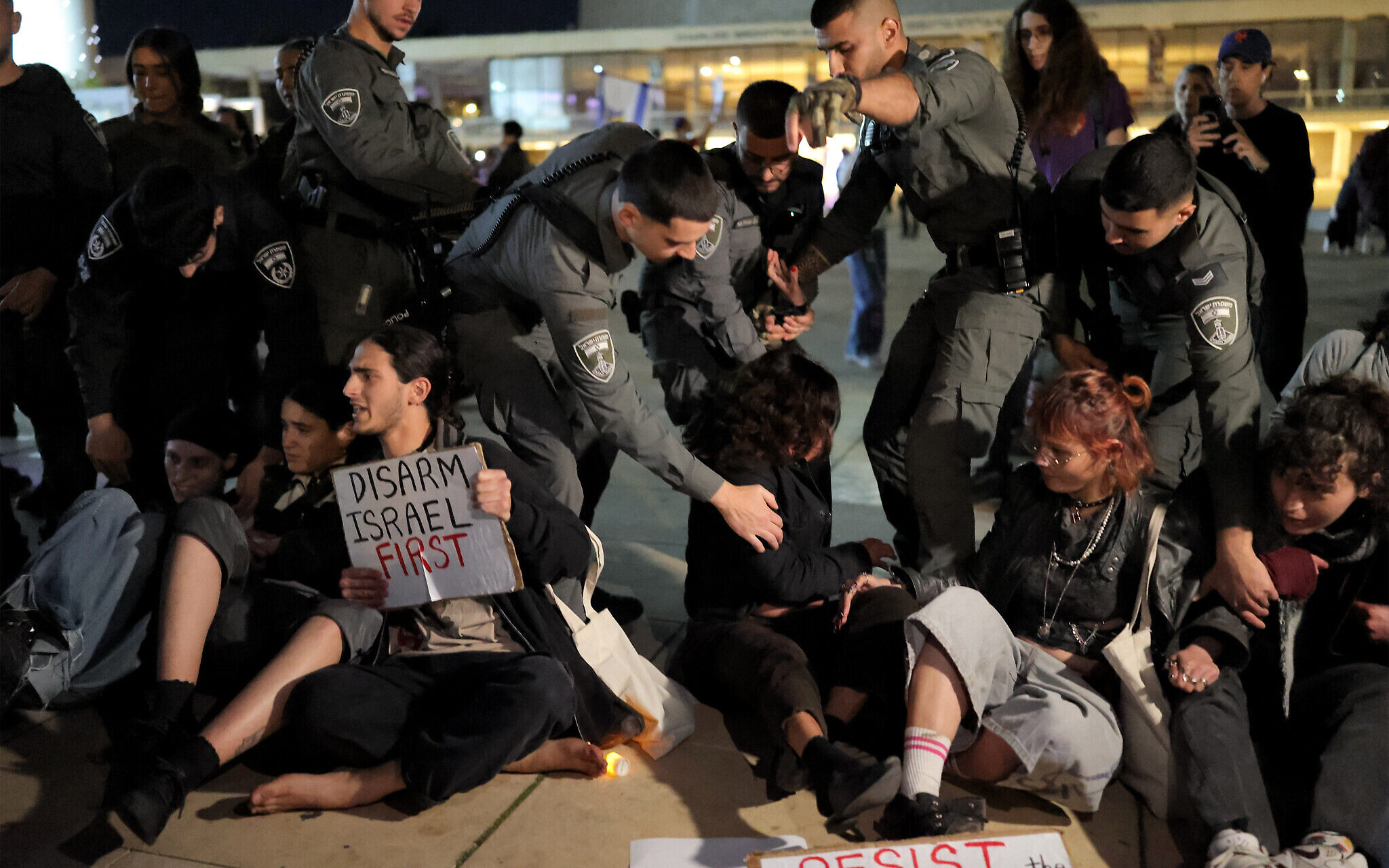
Police attempt to remove anti-war protesters at Habima Square in Tel Aviv on March 28, 2026. (lia Yefimovich/AFP)
Officers arrested at least 18 people during demonstrations this evening against war with Iran, police announce, as they forcibly disperse protests in several major cities.
Among those arrested are 13 demonstrators in Tel Aviv and five in Haifa. Protests are also held in Jerusalem and Beersheba.
The demonstrations mark the first time that anti-government groups are taking part in protests against the ongoing war. During the first few weeks of the fighting, such demonstrations were organized and attended almost entirely by left-wing activists.
The protest in Haifa, which drew around 100 people, saw demonstrators wave Israeli flags while chanting against the ongoing fighting. One protester held a sign that read: “Millions of children are growing up in bomb shelters.”
Some participants moved to block a road, police say, leading the commander at the scene to declare the gathering unlawful.
Haifa police say they arrested lawbreakers, though at least two of those apprehended did not appear to be blocking traffic at the time of their arrest, as seen in footage from the protest.
Police broke up a similar demonstration in Tel Aviv’s Habima Square after it was deemed illegal, in light of the Home Front Command’s wartime regulations, which limit outdoor public gatherings to 50 people.
“During a situation assessment that took place at the scene with a Home Front Command representative… it was clarified that there was a real risk to human life and accordingly, Yarkon [precinct] police commander Tzachi Sharabi ordered the gathering to be dispersed,” police say.
After the conclusion of the Tel Aviv demonstration, Border Police were seen forcefully shoving attendees who were walking on the sidewalk. The officers follow the small group and repeatedly shout at them to “move forward.”
Earlier, officers were also seen in Habima Square putting their hands on Hadash-Ta’al chairman Ayman Odeh despite his parliamentary immunity. In another instance, an officer grabbed a middle-aged man by his shirt and threw him to the ground.
המשטרה מפנה בכוח מפגינים נגד המלחמה בתל אביב.
צילום: יאיר פולדש pic.twitter.com/jCnRw0rtcH— הארץ חדשות (@haaretznewsvid) March 28, 2026
גם מחוץ לכיכר הבימה, אחרי פיזור ההפגנה, שוטרים דוחפים באלימות קשה.
אחת השוטרות "אני אדחוף אותך עוד פעם, זה יעזור לך להתקדם, יאללה ת'קדם"תל אביב 28/03/2026???? רועי בושי Roi Boshi pic.twitter.com/phEsPDktLp
— אלימות ישראל (@Alimut_Israel) March 28, 2026
Son of ousted shah receives raucous applause at CPAC as he urges Trump to ‘stay the course’ against Iran

Exiled Iranian Crown Prince Reza Pahlavi speaks at the Conservative Political Action Conference (CPAC) in Dallas, Texas, March 28, 2026. (AP Photo/Gabriela Passos)
The exiled son of Iran’s last shah, Reza Pahlavi, earns thunderous applause from a packed conference hall of US conservatives as he urges Washington to press its military campaign against Tehran.
Speaking to a raucous audience in Texas, Pahlavi casts the war as a historic opportunity to topple Iran’s clerical leadership, drawing cheers with a vision of his country transformed from an adversary of the United States into an ally.
“Can you imagine Iran going from ‘death to America’ to ‘God Bless America?'” he asks the audience at the Conservative Political Action Conference in the Dallas suburbs, prompting one of several standing ovations.
The 65-year-old son of Iran’s last shah, Mohammad Reza Pahlavi, has lived in exile since the 1979 Islamic Revolution toppled the US-backed monarchy and ushered in the current system of clerical rule.
He has long positioned himself as a unifying figure for Iran’s fragmented opposition, and tells supporters he is ready to lead a democratic transition.
“President Trump is making America great again. I intend to make Iran great again,” he says, drawing prolonged applause.
The warm reception for Pahlavi underscores the extent to which parts of the conservative movement have rallied behind President Donald Trump’s military campaign against Iran — a shift that sits uneasily with the “America First” instinct to avoid foreign entanglements.
Pahlavi urges the United States to “stay the course” and “pave the way for the Iranian people to finish the job,” arguing that only the complete collapse of the Islamic Republic could bring lasting stability.
“This regime in its entirety must go,” he says.
His message aligns closely with the most hawkish voices in Trump’s coalition, who argue that sustained pressure could trigger an uprising inside Iran.
“Iran’s story is not yet finished,” Pahlavi says. “Great civilizations outlast even the most vicious occupiers.”
Trump himself skipped CPAC — an annual conference that typically takes place in Washington — for the first time in a decade, with officials citing his busy schedule amid the Iran war.
CPAC crowd for Reza Pahlavi and CPAC crowd 50 minutes after he left the room pic.twitter.com/4W5G7Dqulx
— Ben Jacobs (@Bencjacobs) March 28, 2026
Video shows soldier pinning detainee to the ground in Palestinian village
Footage circulating on social media appears to show a soldier pinning a Palestinian man to the ground for several seconds and then kneeling on his back in the village of Beit Furik, near Nablus.
The IDF doesn’t immediately respond to a request for comment.
HORRIFIC: Video shows an Israeli soldier brutally abusing a Palestinian boy in the village of Beit Furik, near Nablus in the West Bank. pic.twitter.com/vXWjfjGclr
— Ihab Hassan (@IhabHassane) March 28, 2026
IDF demolishes home of Palestinian who killed soldier in ramming attack
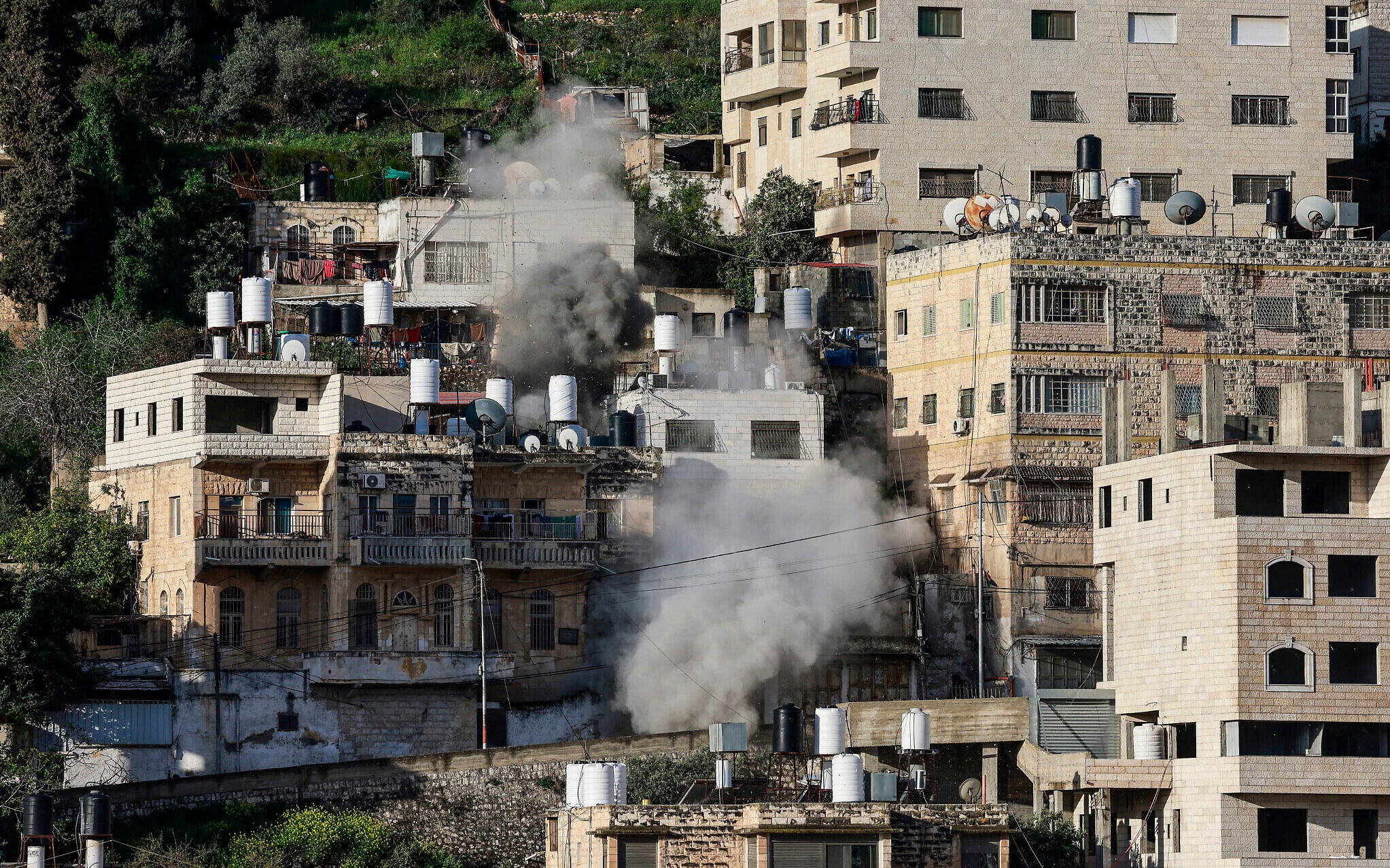
Smoke rises as the IDF demolishes the home of Mahmoud al-Qadi, who killed an Israeli soldier in a car-ramming attack, in the West Bank city of Nablus on March 28, 2026. (Jaafar Ashtiyeh/AFP)
IDF troops demolished the home of a Palestinian assailant who carried out a car-ramming attack in the West Bank last year, during which a soldier was killed.
On September 28, 2025, Mahmoud al-Qadi accelerated a truck into Israeli soldiers at the Jit Junction, hitting Staff Sgt. Inbar Avraham Kav.
After being hit by the vehicle, the soldier was also hit by gunfire as the other troops opened fire on the attacker. Kav later succumbed to his wounds.
The military says troops operated in Nablus this morning and demolished the assailant’s home.
As a matter of policy, Israel demolishes the homes of Palestinians accused of carrying out deadly terror attacks. An appeal can be submitted, but such attempts rarely succeed.
Israeli officials have said the policy is intended to dissuade Palestinians from planning terror attacks, as doing so will harm their extended families’ livelihood. Critics call it collective punishment.
כוחות צה״ל מחטיבת שומרון הרסו בשכם את דירת המחבל שביצע את פיגוע הדריסה בו נפל סמ״ר עינבר אברהם קב ז״ל ב-28 בספטמבר 2025
כוחות צה״ל מחטיבת שומרון, פעלו במרחב העיר שכם ביחד עם לוחמי יהל״ם וכוחות מג״ב איו״ש במהלך הלילה, והרסו את הדירה בה התגורר המחבל שביצע את פיגוע הדריסה בצומת… pic.twitter.com/Dkf7jBpjzF
— צבא ההגנה לישראל (@idfonline) March 28, 2026
IDF says air force carried out another round of ‘extensive’ strikes in Tehran
The Israeli Air Force completed another “extensive” wave of strikes in Tehran a short while ago, the military says.
The IDF says the wave of strikes, the third today, targeted dozens of Iranian regime infrastructure sites.
It says further details on the targets will be provided later.
France’s interior minister links foiled bombing at Bank of America branch to Iran war

French police stand outside the Bank of America building in Paris, March 28, 2026. (AP Photo/Nicolas Garriga)
France’s Interior Minister Laurent Nunez links a foiled attempt to bomb a Bank of America building in Paris to the war in the Middle East, pitting the US and Israel against Iran.
Police arrested a person about to set off a homemade explosive device in front of the building, near the Champs-Elysees, in the early hours of Saturday, sources told AFP.
Nunez tells news channel BFMTV that it makes him think of similar actions that had taken place elsewhere in Europe, such as in the Netherlands, where a suspected Iran-backed group targeted a Jewish school.
“I make a link between the actions carried out in neighboring countries” and claimed by “small groups that referred to the conflict,” he says.
Media leaks, misjudgments, and lack of trust doomed plan for Kurdish invasion to help bring down Iran’s regime — report
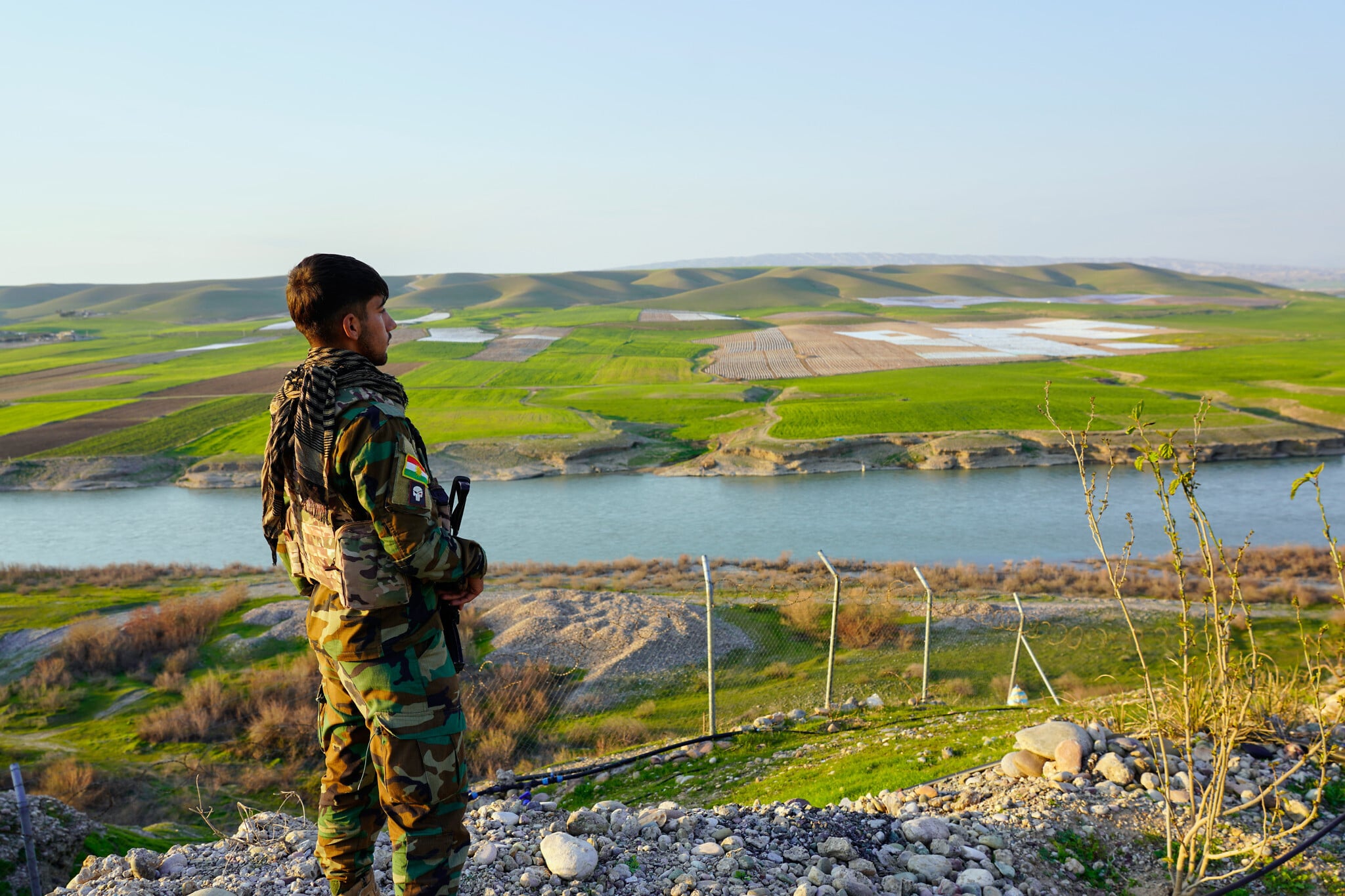
A member of the Kurdistan Freedom Party PAK, stand guard in Irbil, Iraq, March 5, 2026. (AP Photo/Rashid Yahya)
The US and Israel carried out heavy strikes on Iranian security forces in the northwest of Iran early in the current war because they were aiming to ease the path for an invasion by Kurdish forces “all the way to Tehran,” according to a detailed Channel 12 probe.
The report claims to confirm the seriousness of an ostensible Mossad-developed plan to utilize the Kurds to help oust the regime, adding fresh details to previous such reports in Israel and internationally.
Tens of thousands of armed Kurdish fighters were indeed intended to cross the border from Iraq in the first days of the war, with US and Israeli air cover. They were then to join forces with and provide arms to Kurdish fighters inside Iran, engage and extend the regime’s forces, and help reignite widespread Iranian protests, the report says.
The report interviews a member of the Kurdish Freedom Party (PAK) and other Kurdish commentators asserting that there was wide agreement among Kurdish groups to “cooperate to bring down the regime,” and says there were two specific moments when the invasion was set to begin.
On the first of these, the invasion was postponed after news of its impending start was leaked in US media — with Fox News on March 4 reporting that an offensive had begun, and the White House press secretary Karoline Leavitt asked that same day whether the US was arming the Kurds for that purpose.
Dr. Raz Zimmt, the Director of the Iran and the Shiite Axis research program at the Institute for National Security Studies, says the idea was that the invasion would “start a domino effect — first the Kurds and then other sectors” joining the assault.
The combination of the intensive US-Israel joint strikes on the regime and its leaders, and the Kurdish invasion, was intended to “break the fear barrier” among the Iranian opposition, who had seen thousands murdered by the regime in previous weeks, the report says.
The TV report says that the Mossad had been working on the plan for years, cites foreign reports that the Mossad and CIA have long been arming the Kurds, and says current Mossad chief David Barnea presented it to Prime Minister Benjamin Netanyahu and discussed it in Washington DC.
While IDF Military Intelligence thought it had a slim chance of success, it was presented both in Israel and the US as “hermetic,” the report claims, amid confidence that “the Kurds would do their part.”
This assessment helped Netanyahu convince US President Donald Trump to proceed with the joint strikes on the regime from February 28, a claim that has been widely reported.
The media leaks were the immediate reason the invasion did not happen, the report says, with Zimmt saying that the regime realized what could be about to unfold, and devoted military power, and diplomatic efforts with Iraq, to help prevent it.
Subsequently, there was a second potential opportunity to invade, the TV report says, but that, too, was scrapped, and the whole idea is now “off the agenda.”
The report says the overall plan was “full of holes.” Among these, it says, were the opposition from Trump’s ally Recep Tayyip Erdogan, the Kurds’ nemesis, and several Gulf states, who worried about Iran collapsing into several entities, destabilizing the region. Erdogan pressed Trump, who initially backed the plan, not to go ahead with it, the report says.
Moreover, the Kurds themselves were wary — fearful of their prospects against the mighty regime, especially when the US and Israel were not ready to send in ground forces. A Kurdish source tells the report that the Kurds were worried that the US and Israel would stop the war in the middle, the regime would easily recover, and it would slaughter the Kurds.
Moreover, the report cites a lack of trust by the Kurds in the US — stemming from the fact that they fought ISIS together but feel Trump then abandoned them in favor of Syria’s Ahmad al-Sharaa and Erdogan. They would thus either be murdered if they failed or again come out empty-handed if successful.
A month into the war, Netanyahu is “disappointed” at the failure of a plan he had “adopted,” the report says, confirming previous reports that he was frustrated with Barnea, while Trump “has long since changed direction.”
The failure has raised tension between the two leaders and was reportedly the subject of a tense call between US Vice President JD Vance and Netanyahu on Monday.
Houthis claim responsibility for earlier drone and missile attack on Eilat
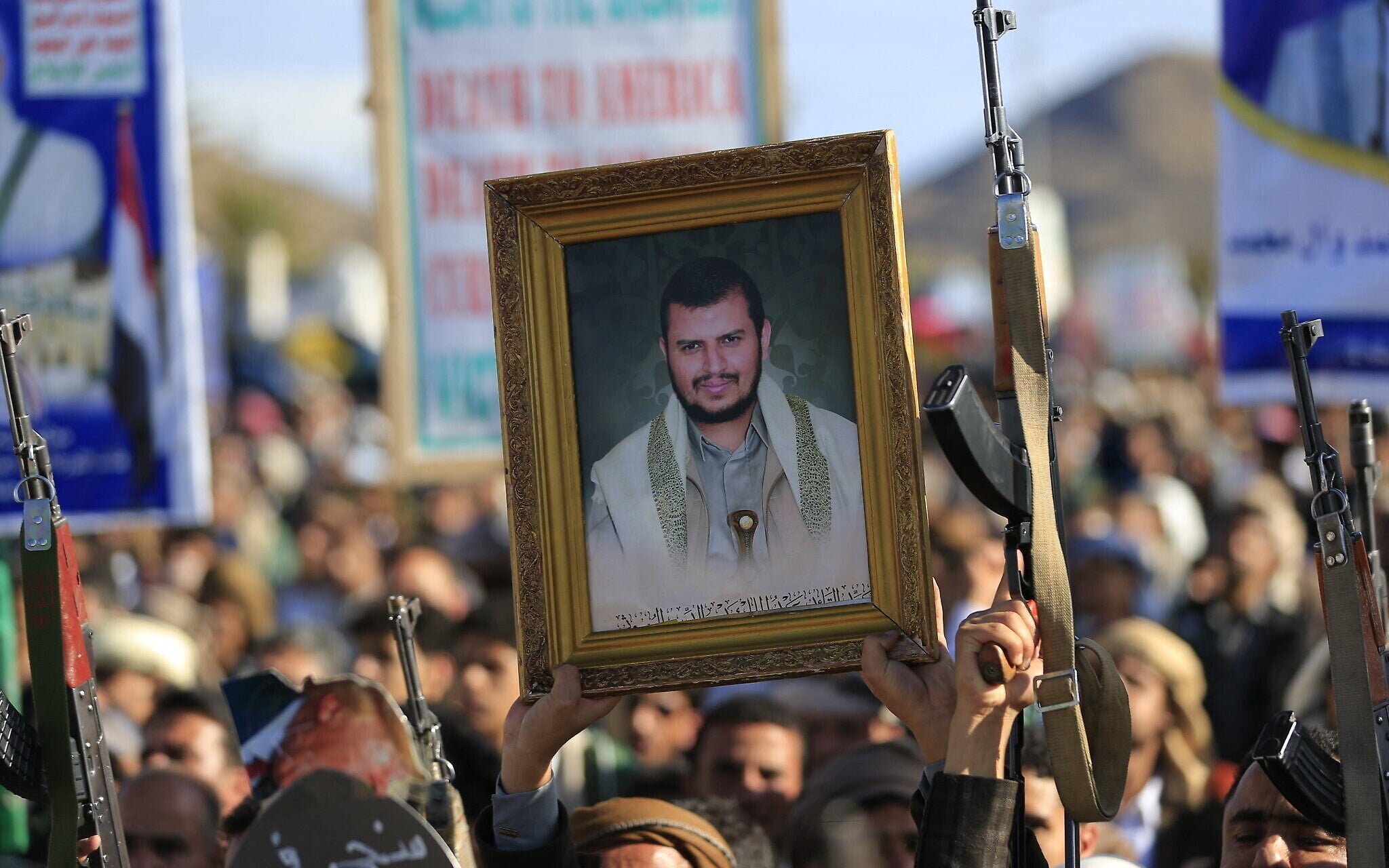
A supporter of Yemen's Houthis holds a picture of their leader Abdul-Malik al-Houthi as others brandish their weapons while rallying in solidarity with Iran and Lebanon's Hezbollah, amid the US-Israeli war with Iran, in the Yemeni capital Sanaa on March 27, 2026. (Mohammed Huwais/AFP)
The Iran-backed Houthis in Yemen take responsibility for a drone launched toward Israel’s Red Sea resort city of Eilat this evening.
In a statement, the Houthis claim to have launched a “salvo of cruise missiles and drones that targeted a number of vital and military targets” in southern Israel.
The IDF said that one drone was shot down over Eilat this evening, and earlier today, a cruise missile from Yemen was intercepted before reaching Israel’s borders.
Zamir calls for detainment and alleged assault of CNN crew to be swiftly investigated
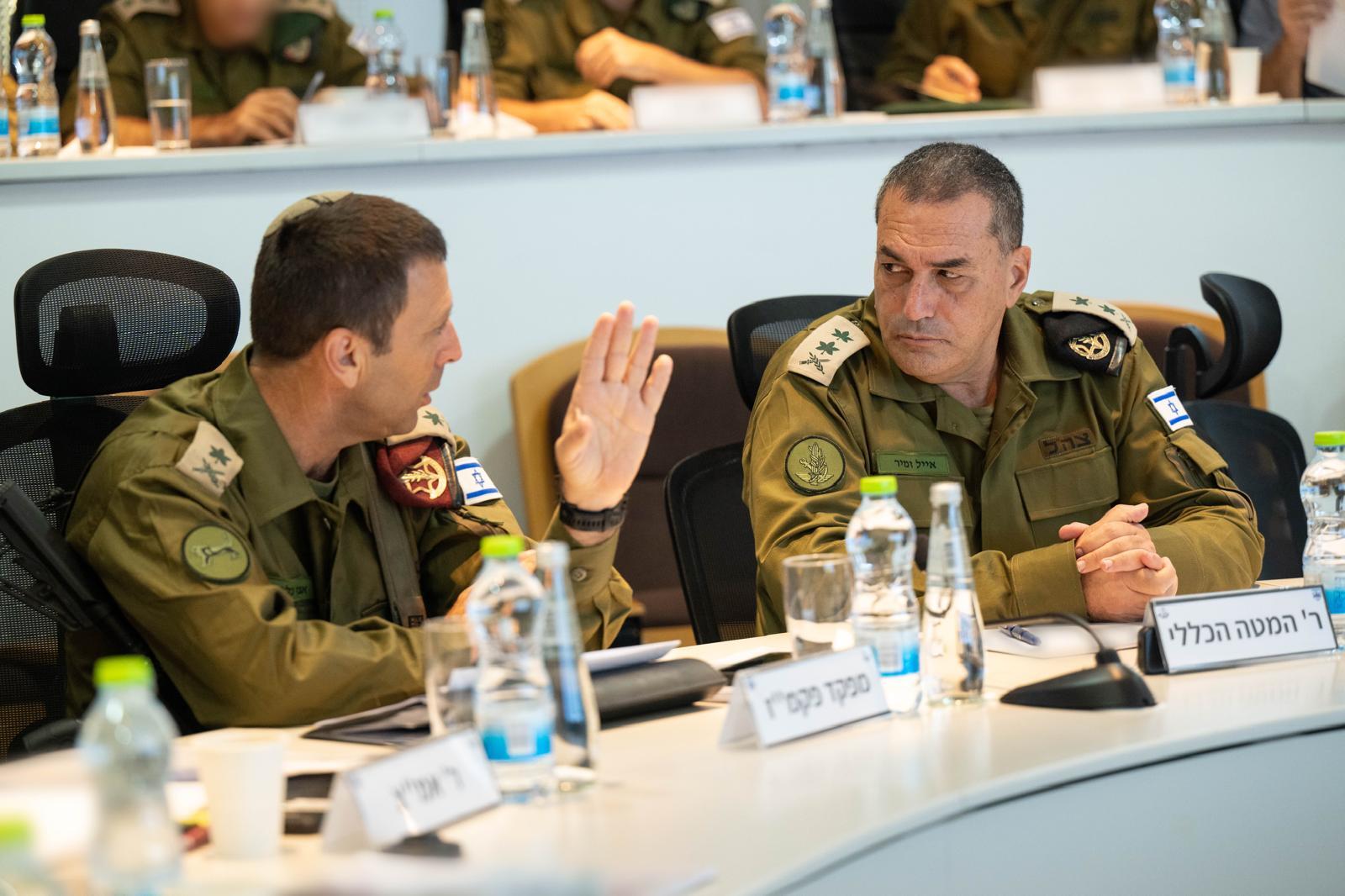
IDF Chief of Staff Lt. Gen. Eyal Zamir (right) and Central Command chief Maj. Gen. Avi Bluth are seen at an assessment at the Central Command in Jerusalem, October 21, 2025. (Israel Defense Forces)
After a CNN crew was detained and allegedly assaulted in the West Bank this week, IDF Chief of Staff Lt. Gen. Eyal Zamir speaks with Central Command chief Maj. Gen. Avi Bluth and “instructed that he be presented as soon as possible with the main findings of the ongoing investigation,” the military says.
The IDF says Zamir spoke with Bluth this evening, “following the incident that occurred near the village of Tayasir.”
The incident refers to a CNN report published yesterday, which showed soldiers saying the entire West Bank belongs to Jews and that they were avenging the killing of a settler days earlier.
CNN’s Jeremy Diamond said a soldier put his cameraman in a chokehold as troops tried to prevent them from filming at an illegal West Bank outpost in the area.
Zamir instructed that he be “presented as soon as possible with the main findings of the ongoing investigation, along with command recommendations,” the military says in a statement.
Sirens activated in north amid apparent Hezbollah attack
Rocket warning sirens are activated in the north amid an apparent attack from Lebanon by Hezbollah.
Suspected Hezbollah drone triggers air raid sirens in Lebanon border towns
Shortly after a rocket attack, air raid sirens sound in a number of communities near the Lebanon border due to the suspected infiltration of a Hezbollah drone.
Sirens expected in southern Israel as new Iranian missile attack detected
A new ballistic missile attack from Iran has been identified by the IDF.
Sirens are expected to sound in southern Israel shortly.


read more: