

IDF says it entered, cleared Hezbollah’s Ali Taher Ridge tunnels ahead of demolition
Hezbollah operatives were killed or fled terror group’s ‘nerve center’ beneath hill in south Lebanon in recent weeks, army says, belying reports it was holding off offensive amid threats by Iran
 Add ToI as a Preferred Source on Google
Emanuel (Mannie) Fabian is The Times of Israel's military correspondent
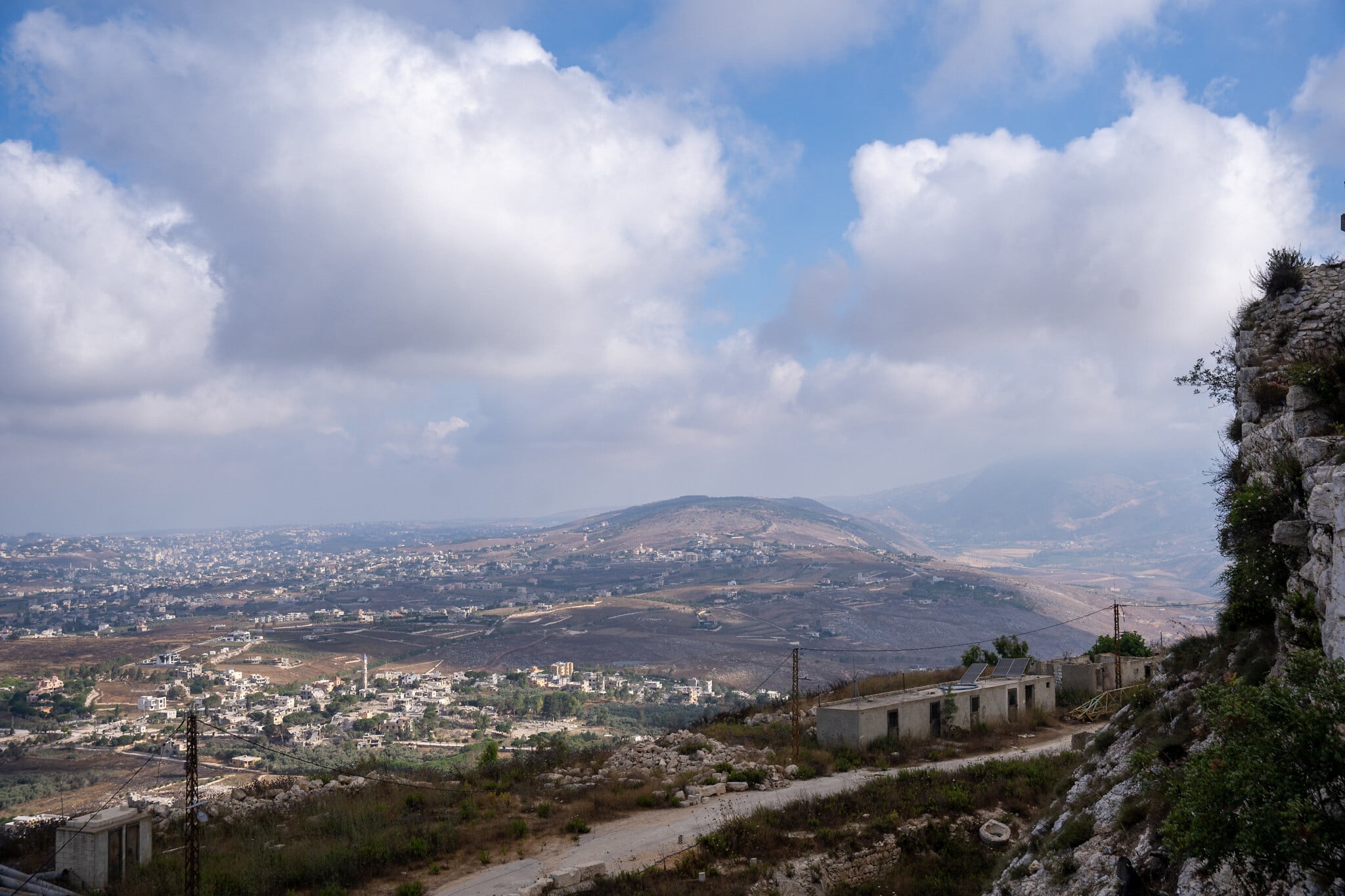
The Israel Defense Forces said Thursday night that it had finished clearing a “strategic” underground facility belonging to the Hezbollah terror group beneath a mountainous ridge in southern Lebanon in recent weeks.
The Ali Taher Ridge is located within Israel’s southern Lebanon buffer zone, near Nabatieh. According to the IDF, Hezbollah built tunnel systems beneath the hill, which served as the “nerve center” of the terror group’s Badr regional division — a unit tasked with the area of southern Lebanon that is north of the Litani River.
Dozens of Hezbollah operatives were believed to be holed up under Ali Taher when a new ceasefire took effect in June.
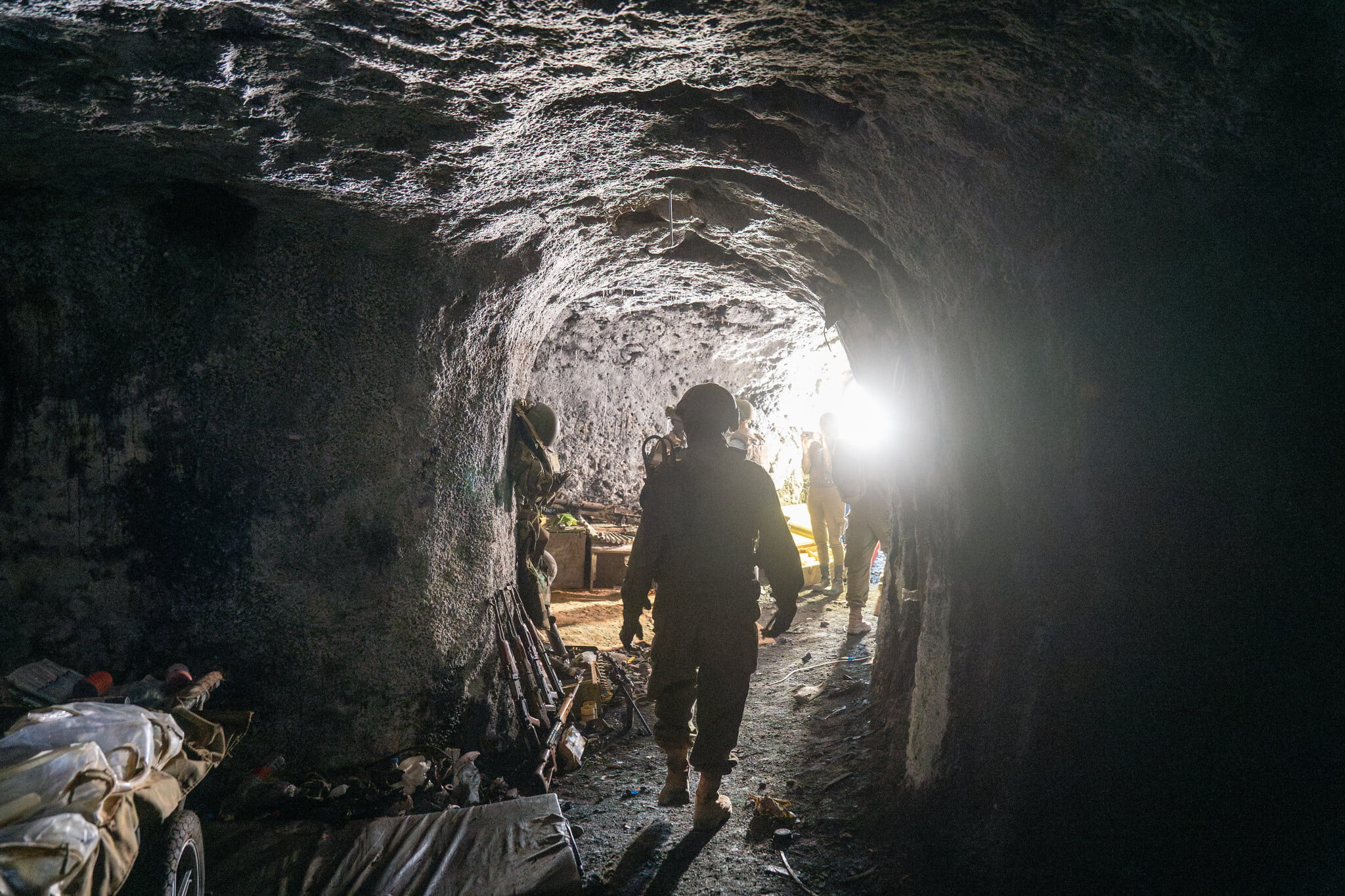
In a statement Thursday night, the IDF said that in the past few weeks, troops of the 36th Division, who had achieved “operational control of the ridge area above and below ground,” cleared two major tunnel routes under Ali Taher of Hezbollah operatives, killing some of them while others fled.
A military official said that control was achieved through “offensive operational activities” in recent weeks, including ambushes against the Hezbollah operatives who had been hiding there, and attacks on the tunnel shafts with gunfire, grenades, drones, and airstrikes. Hezbollah also launched several explosive drones at troops operating on the ridge in recent weeks, including on Wednesday.
The IDF described the facility as a “strategic infrastructure that was built over two decades,” activity it said was financed and planned by Iran.
צה"ל סיים לטהר את התשתיות התת-קרקעיות של חיזבאללה ברכס עלי טאהר ופועל לנטרולן
לכל הפרטים????????https://t.co/OFrqIG1mtK pic.twitter.com/uLhgWUUm6o
— צבא ההגנה לישראל (@idfonline) September 3, 2026
The military said that Hezbollah operatives from the Badr unit had launched attacks from the underground site at troops and Israeli civilians in recent years. “Following the activity in the infrastructure in recent weeks, the ability to carry out terror attacks against Israeli civilians and IDF troops from the infrastructure has been neutralized,” the military said.
Inside the tunnels, the troops found “command centers, weapons rooms, generator rooms, living quarters, showers, and a kitchen,” which the IDF said enabled Hezbollah operatives “to conduct fighting and remain there for extended periods.”
The IDF said that now that the underground site had been cleared of Hezbollah operatives, it was working to demolish it. “Upon completion of the activity, the IDF will establish a renewed defensive posture in accordance with the situational assessment,” the military said, indicating that it planned to eventually withdraw from the area.
Despite a report by Reuters earlier Thursday, which claimed that a dozen members of the Islamic Revolutionary Guards Corps, including at least two senior officers, were with Hezbollah operatives at the underground site beneath the ridge, the Israeli military said it had cleared the tunnel routes of all terror operatives. There was also no indication that IRGC members were inside the tunnels when the IDF captured them.
The Reuters report also claimed that the IDF had “put off storming” Ali Taher amid threats by Iran to respond strongly to any offensive — but the military’s announcement on Thursday night made clear that troops had been operating inside the tunnels for several weeks.
Hezbollah drew Lebanon into the broader Middle East conflict in March by launching rockets at Israel in support of its sponsor Iran, which had come under attack by a US-Israeli air campaign. Israel responded to the Hezbollah attacks with a heavy air campaign and ground invasion.
Fighting has persisted despite the ceasefire declared in Lebanon in April, but at a reduced rate. Israeli forces continue to operate inside a self-declared “security zone,” which runs around 10 kilometers (six miles) deep inside Lebanese territory along the border.
In June, Israel and Lebanon signed a framework agreement committing Lebanon to restoring sovereignty over its territory through the “verified disarmament of non-state armed groups,” which would in turn enable a progressive Israeli withdrawal. The State of Lebanon, along with Israel and the US, signed the agreement, but Hezbollah and its allies are opposed to it.
Israel pulled forces out of three pilot zones into which the Lebanese army entered, but has said it will not carry out any further withdrawals before Hezbollah is disarmed.








The Times of Israel Community.