

Iran has warned US it will respond forcefully to any Israeli offensive on south Lebanon ridge
Officials say over a dozen Revolutionary Guard members are holed up with Hezbollah men in besieged Ali Taher Ridge, where IDF says Lebanese terror group has key underground command center
 Add ToI as a Preferred Source on Google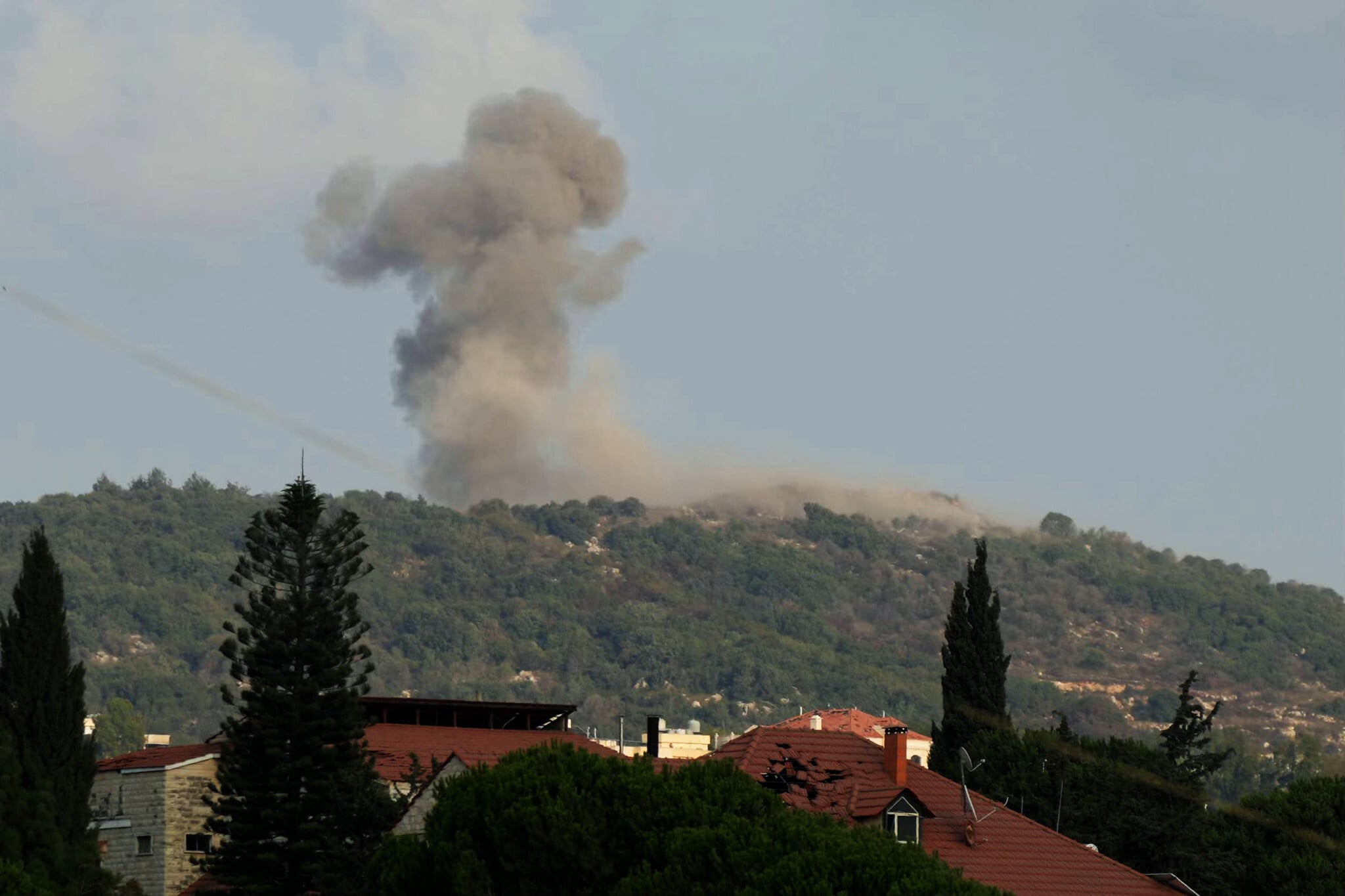
Iran has warned the United States that it would respond forcefully to any Israeli offensive on a mountainous ridge in southern Lebanon where Iranian military personnel are holed up alongside Hezbollah fighters, three officials briefed on the message told Reuters.
The message, delivered last month, highlights Iran’s continued direct involvement in the ground fighting in southern Lebanon and its readiness to retaliate against Israeli attacks there as the regional war enters its seventh month.
Defense Minister Israel Katz, meanwhile, said an Iranian attack on Israel would “free [the IDF] from all constraints,” and that in such a scenario, the military would “strike all infrastructure — including energy infrastructure — and return Iran to the Stone Age and darkness.”
Hezbollah, an Iranian proxy, is believed to have built an underground command center and weapons stores within the Ali Taher ridge, which has a commanding view of southeastern Lebanon, according to Lebanese security sources, and has become one of the most contested pieces of ground in the Israel-Hezbollah war.
According to the IDF, Hezbollah has a “strategic” underground facility beneath the hill, and that underground site is the “nerve center” of the terror group’s Badr regional division.
Hezbollah has said in public statements that it controls the hill and will confront any Israeli advances. Its officials have referred to a “facility” there, but have declined to provide details.
The Israeli military has taken swaths of territory to Ali Taher’s south and has identified the ridge as one of its “primary operational focuses” in public statements.
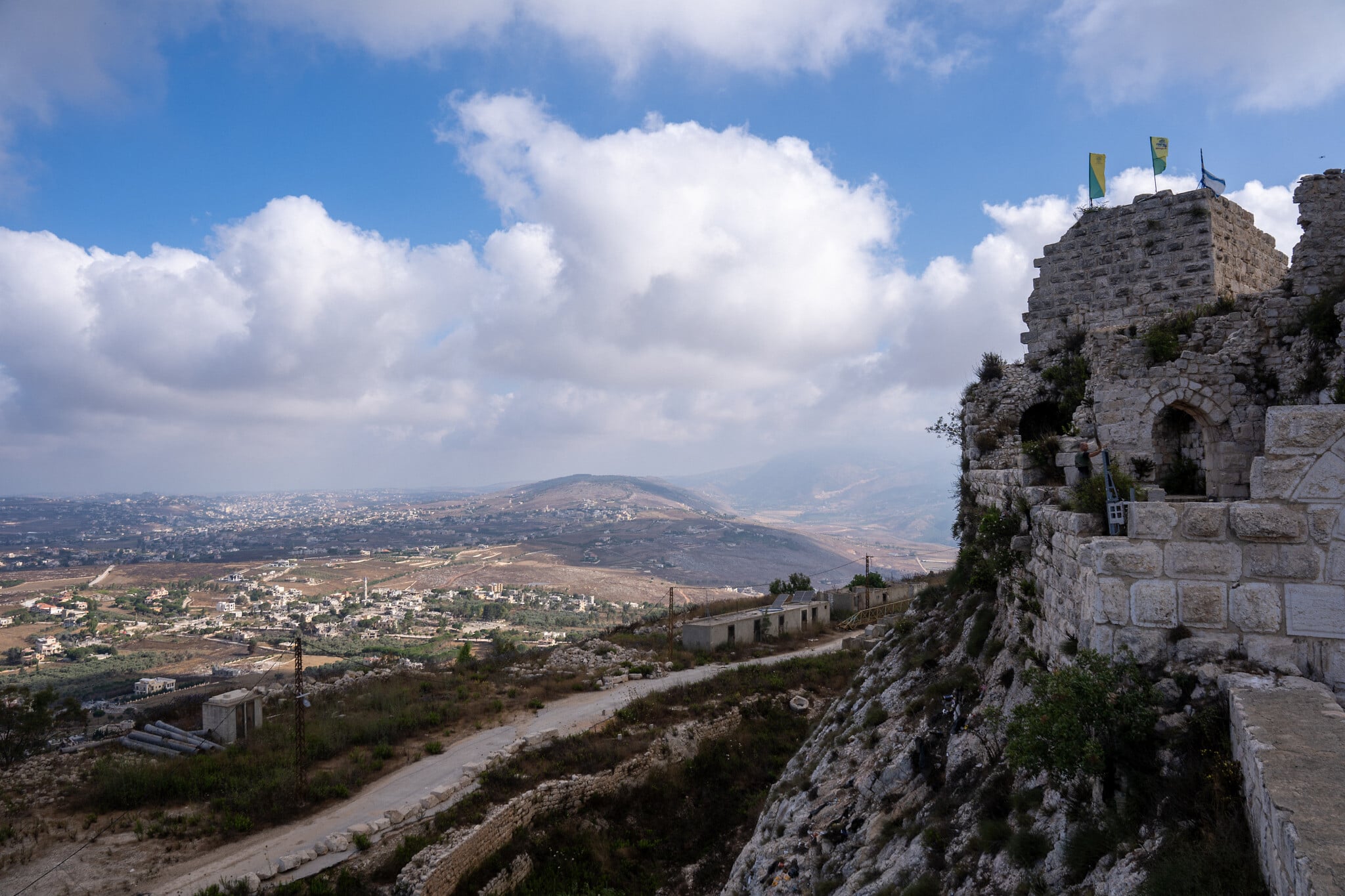
In its message to Washington, Tehran threatened that any full-fledged Israeli offensive on the ridge would be met with a large-scale Iranian attack, said the three officials in the region, who spoke to Reuters on condition of anonymity.
Hezbollah declined to comment on whether Iranian forces were present in Ali Taher. In response to Reuters questions about the message, or whether the US had put pressure on Israel not to attack Ali Taher, a White House official said, “This is not accurate.”
IRGC forces holed up, officials say
Two of the officials said the message was delivered via Oman, which has played a mediating role. Those two regional officials, briefed by Tehran, said over a dozen members of the Islamic Revolutionary Guards Corps, including at least two senior officers, were with Hezbollah fighters.
The third source, a foreign official with direct knowledge of the message, said it was delivered around mid-August and that as a result of US pressure, Israel had put off storming Ali Taher.
There was no immediate comment from Iran’s permanent mission in Geneva, the US Defense Department, or Oman’s foreign ministry. The Israeli military declined to comment.
Contacted by Reuters, Hezbollah’s media office neither confirmed nor denied Iran’s message but said it was a “natural conclusion” that such a warning would have been sent about the ridge.
“Iran considers any Israeli move on the ground in southern Lebanon, especially territorial expansion, a major violation of the Islamabad Agreement,” Hezbollah’s media office said, referring to the June US-Iran memorandum of understanding that included a Lebanon ceasefire.
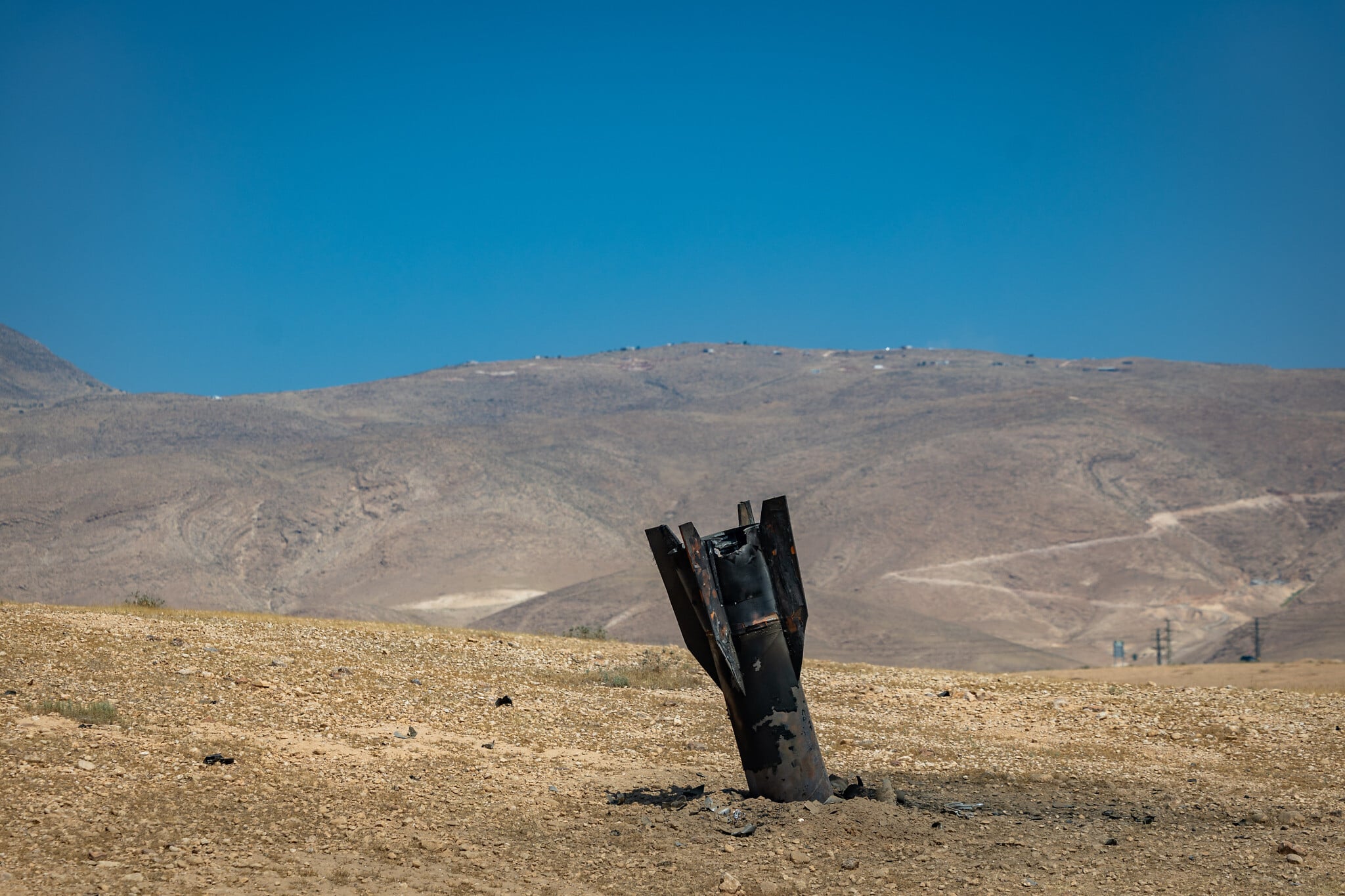
Iran fired missiles at Israel in early June in retaliation for attacks on Hezbollah on the Lebanese capital’s outskirts, after having previously warned of such a response.
On Thursday, Defense Minister Israel Katz said that if Iran were to attack Israel, the IDF would target all of the regime’s infrastructure, “including energy infrastructure.”
“There are signs we are seeing that indicate that the heavy economic pressure Iran is under and the fear of an uprising and the fall of the regime could push them to desperate measures,” Katz said at a Jewish New Year toast with Defense Ministry employees.
“An Iranian attack on Israel will free us from all constraints. We will strike all infrastructure — including energy infrastructure — and return Iran to the Stone Age and darkness,” he said.
Katz added that “Israel is well prepared, defensively and offensively, for every possibility — and the IDF is ready to carry out the mission.”
Israel seeks to besiege Hezbollah fighters
Despite a ceasefire announced in June, the Israeli military has said Hezbollah is still operating around the ridge and has twice, over the last week, launched explosive drones at Israeli troops nearby.
In July, it said it had launched an airstrike on a Hezbollah fighter near an access shaft to the underground site at Ali Taher and vowed not to allow the terror group to operate in the area or pose a threat to Israeli soldiers.
An Israeli military official, speaking on the condition of anonymity, told Reuters in June that Hezbollah fighters were stuck underground without food or water. Israeli newspaper Maariv, citing a military source, reported Thursday that the Israeli military assessed there were no IRGC forces in Ali Taher and that some Hezbollah fighters had died without food and water.
The third official said Israel’s military was trying to smoke out Hezbollah and IRGC personnel by besieging them, and shooting down attempted drone deliveries of food and water to the ridge.
“What we have seen over the past month is Israeli pressure to besiege Ali al-Taher in order to impose a reality within this facility that renders it uninhabitable. This approach, and the absence of a large-scale attack, means that it is possible a message was conveyed through several countries — this is a natural conclusion,” Hezbollah’s media office told Reuters.
Hezbollah threatens retaliation
A Lebanese source briefed by Hezbollah said the group’s fighters can still access their positions through the ridge’s northern side.
Reuters could not independently confirm the military situation at Ali Taher, which Israel’s military has included in a self-declared security zone held by its troops and off-limits to Lebanese.
Despite Iran’s warning, the Lebanese source and a senior Lebanese security official said an Israeli military operation to capture the ridge was still possible in the coming weeks.
Hezbollah said any large-scale attack on Ali Taher would mean a return to full-blown war, and could see missiles landing on northern Israeli communities.

On Saturday, the Nidaa Al-Watan outlet reported that Hezbollah has so far rejected overtures by the Lebanese government to pull its forces out of the contested Ali Taher Ridge, which would be handed over to the Lebanese Army, in accordance with an agreement with Israel.
The sources said the confrontation has stalled efforts to schedule a new round of US-backed negotiations between Jerusalem and Beirut in Rome, which has hosted multiple rounds of talks in recent months, with the report suggesting that international support for Lebanon’s army could be undermined if Hezbollah still holds the Ali Taher Ridge the next time negotiators convene.
Hezbollah drew Lebanon into the broader Middle East conflict in March by launching rockets at Israel in support of its sponsor Iran, which had come under attack in a US-Israeli air campaign. Israel responded to the Hezbollah attacks with a heavy air campaign and ground invasion.
Despite the ceasefire declared in Lebanon in April, fighting has persisted to a lesser extent. Israeli forces continue to operate inside a self-declared “security zone,” which runs around 10 kilometers (six miles) deep inside Lebanese territory along the border.
Israel has increased its attacks on Hezbollah in southern Lebanon in recent days — particularly in the Nabatieh area where the Ali Taher Ridge is located — while the terror group has targeted troops operating in the area.
In June, Israel and Lebanon signed a framework agreement committing Lebanon to restoring sovereignty over its territory through the “verified disarmament of non-state armed groups,” which would in turn enable a progressive Israeli withdrawal. The State of Lebanon, along with Israel and the US, signed the agreement, but Hezbollah and its allies are opposed to it.
Israel has so far pulled forces out of three pilot zones into which the Lebanese army entered, but has said it will not carry out any further withdrawals before Hezbollah is disarmed.








The Times of Israel Community.