

Amid Oct. 7 blame game, Eisenkot says PM was unreachable for 2 hours after Syria downed F-16 in 2018
Netanyahu’s main election rival, a former IDF chief, says premier ‘can blame himself’ for creating ‘environment’ in which his office did not pass on Gaza intel hours before Hamas onslaught
 Add ToI as a Preferred Source on Google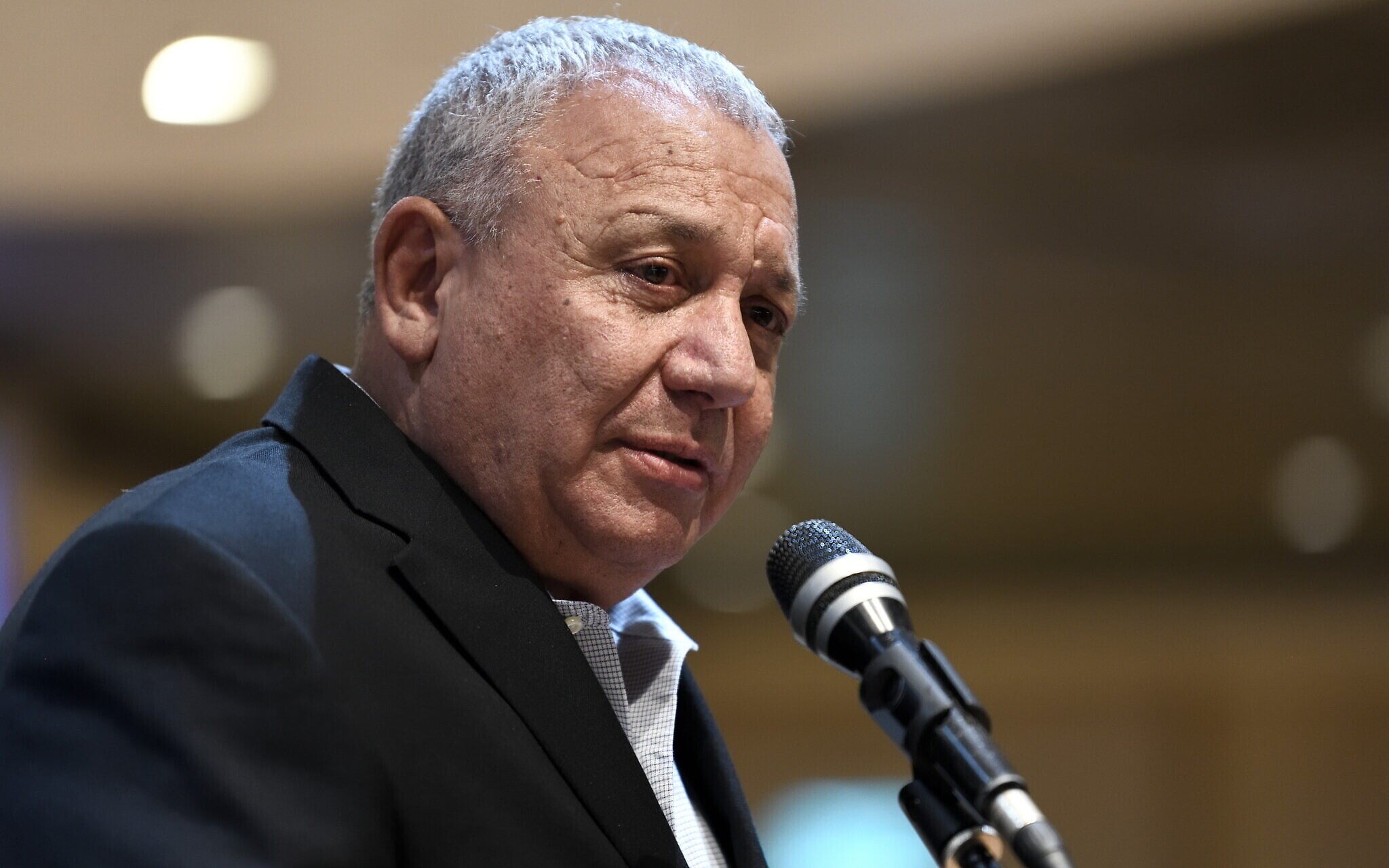
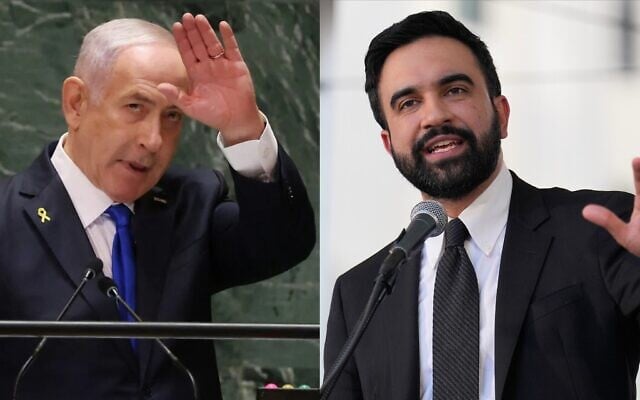
Yashar party leader Gadi Eisenkot claimed Wednesday that he had been unable to reach Prime Minister Benjamin Netanyahu for approximately two hours in 2018, when, as IDF chief, he decided to launch a large-scale attack against Syrian air defenses after an Israeli F-16 was downed by Syrian fire.
Eisenkot’s remarks came after Netanyahu provoked uproar by claiming that military chiefs had caused catastrophe by choosing not to wake him up in the middle of the night over suspicious Hamas activity in the early hours of October 7, 2023, immediately before the terror group led a devastating invasion of southern Israel.
“I viewed [the downing] as a very serious incident. I was chief of staff, and together with the head of Military Intelligence and the Air Force commander, I decided to carry out a very extensive strike and destroy Syrian air defense batteries,” Eisenkot said in an interview at a Yedioth Ahronoth conference held in cooperation with the Israel Democracy Institute.
“I sought to update and consult with the prime minister, but I could not reach him for an hour or two. So I made the decision to carry out very extensive strikes to destroy Syrian anti-aircraft batteries and Iranian targets,” he said.
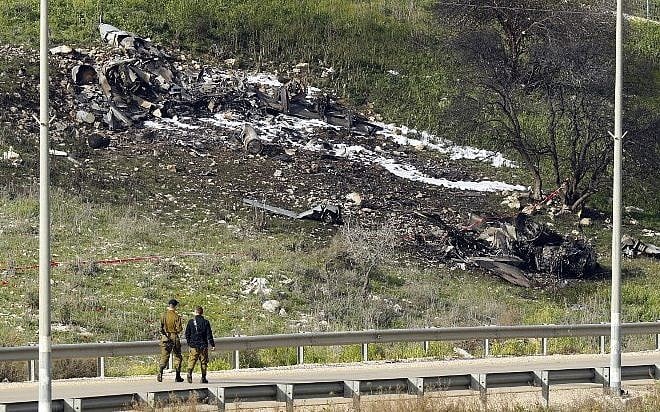
At the time, Israel was already conducting regular strikes in Syria in an effort to thwart Iranian entrenchment in the country. The jet was hit as it returned from a mission, and crashed into Israeli territory. The two crew members survived by ejecting but were injured.
“The military secretary said he could not reach [Netanyahu] and told me, ‘Do what you think is right,'” Eisenkot recounted, adding that the prime minister backed his decisions upon arriving at the Air Force command center several hours later.
“Although there were plans to continue striking, he stopped the attacks before a very important strike,” added Eisenkot, Netanyahu’s main rival in the upcoming election.
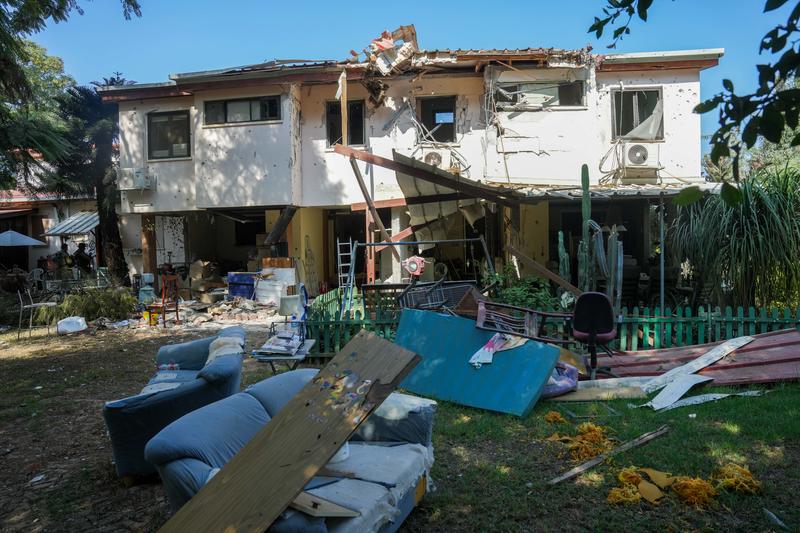
In the same interview, Eisenkot also stated that on October 7, the premier’s office began receiving intelligence about unusual activity in Gaza at 3:30 a.m., three hours before the Hamas-led attack.
“Unequivocally. I am saying this based on direct knowledge,” the former IDF chief of staff said. “His office receives the intelligence details as they accumulate, once they are presented to the chief of staff and the head of the Shin Bet.”
“He should ask himself how he built an environment that does not update him on important information, and he can blame himself for why he wasn’t updated,” Eisenkot added.
Israel’s security chiefs at the time have said that based on the information they had that night, they did not assess that Hamas was about to attack. Netanyahu’s office acknowledged last year that the premier’s intelligence officer received an IDF memo detailing suspicious Hamas activity three hours before the invasion and onslaught, but did not pass it on to Netanyahu because it was not framed as urgent.
Eisenkot’s remarks came after Netanyahu alleged this week that senior defense officials deliberately chose not to wake him before the attack because they feared he would have “given the order to put the entire military on alert,” potentially triggering an escalation with Hamas.
Eisenkot accused Netanyahu’s associates of “cultivating the conspiracy theory to explain how the greatest failure since the establishment of the state occurred,” saying the catastrophe amounted to “profound negligence that occurred on his watch.”
B’Yachad party leader and former prime minister Naftali Bennett also panned Netanyahu over his claims, accusing the premier of spreading a “blood libel” as an election tactic.
“This is how Netanyahu’s blood libel works. Spread a false and vile conspiracy theory about treason, divide the people, and seriously harm the public’s trust in the security forces, send your people to echo it, and then apologize in the middle of the night after the damage has already been done.”
“In Netanyahu’s blood libel, spreading lies and making the security bodies into the enemy in an effort to cleanse him from direct responsibility for October 7 is a kosher and legitimate action.”
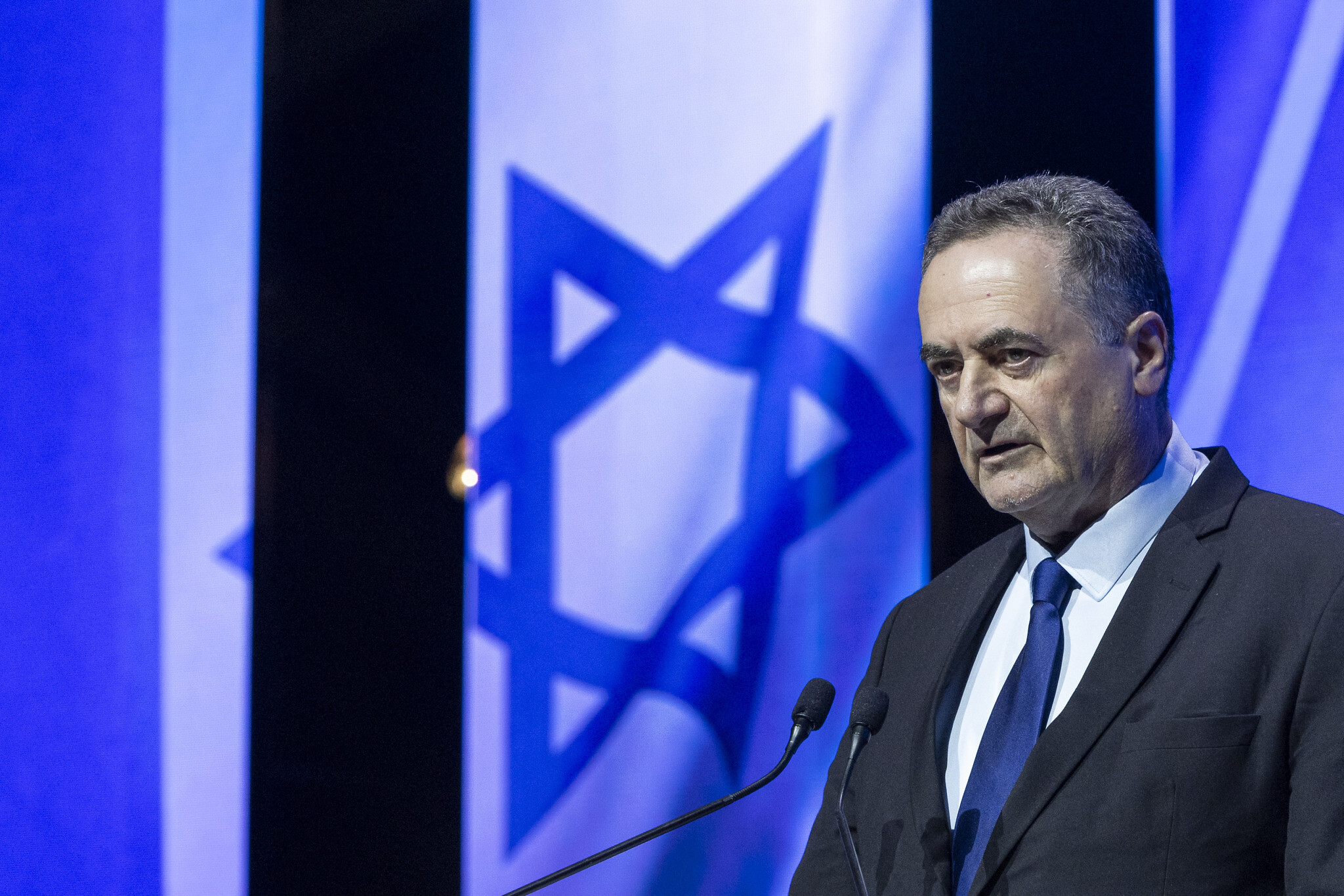
Meanwhile, Defense Minister Israel Katz declined to say there was no betrayal on October 7, when asked about the matter during an interview at the Yedioth Ahronoth conference.
“I can comment on what I know, and what I know from the material that I saw that the IDF prepared — the failure was deep enough,” Katz said, according to the Ynet news site.
“There was an extremely serious intelligence failure here. Hamas created a deception. They overwhelmed the Gaza Division, following the Jericho’s Walls plan that was not reported to the political echelon. The failure explains what happened there: why Hamas succeeded in its plan to overwhelm the Gaza Division,” Katz said.
Katz’s comments appeared to contradict a Ynet report earlier this year that said Netanyahu was given intelligence about Hamas’s “Jericho’s Walls” plans several times over those years, despite his repeated public denials that he had ever seen or heard of such a plan before the October 7 attack.
As part of its investigations into its failures during the lead-up to the massacre, the IDF determined last year that Hamas had decided in April 2022 to launch such an attack. By September 2022, the terror group was at 85 percent readiness, and in May 2023, it decided to launch the assault on October 7, 2023.
While the Intelligence Directorate received information in 2022 describing a large-scale ground invasion of Israeli border communities and IDF posts, it was dismissed as something that Hamas viewed as aspirational and not practical.









The Times of Israel Community.