

Israeli scientists find ‘multitasking’ gene controls mood and metabolism in mice
Weizmann Institute researchers show Orthopedia gene plays critical role throughout life after aiding in-utero brain development; study may help treatment of anxiety and metabolic disorders
 Add ToI as a Preferred Source on Google
Reporter at The Times of Israel
Shattering a long-held scientific assumption, Israeli researchers have discovered that a gene once thought to only help build the brain before birth continues to play a critical role throughout adult life.
Weizmann Institute of Science researchers showed that suppressing the Orthopedia (Otp) gene in adult male mice severely impaired their ability to cope with stress, while also disrupting their thyroid function and metabolic balance.
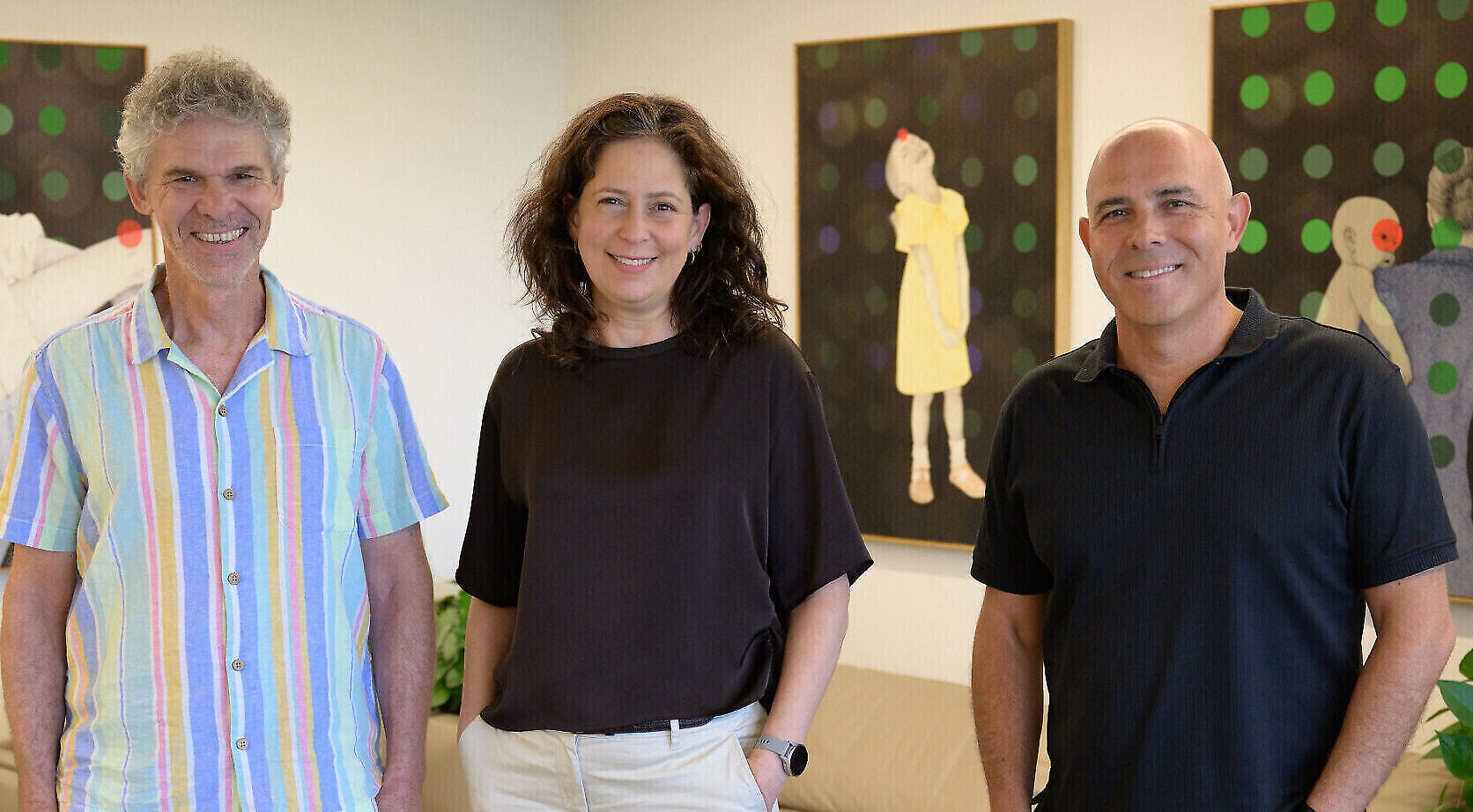
“Otp does not stand for one-time password,” Dr. Yael Kuperman of the Weizmann Institute of Science quipped to The Times of Israel in a joint Zoom conference call with collaborator Prof. Gil Levkowitz.
Switching off Otp in adult mice did not simply alter a single hormone, the researchers said. Rather, it triggered widespread disruptions to the mice’s emotional and physical health.
The study, published in Endocrinology, details how the team used sophisticated genetic tools to selectively turn off the mice’s Otp, causing a spike in their cholesterol levels, blood sugar and overall metabolism, and also giving them a feeling of depression and a sense of helplessness.
“The Otp gene is a multitasker that regulates physiological daily life activities that are important for our well-being,” Levkowitz said. “The gene is related to survival responses, including eating, drinking, social behaviors, reproduction and coping with stress.”
The findings could pave the way for more precise treatments that target individual symptoms of anxiety, stress and metabolic disorders.

The challenge of understanding the Otp gene
While it is known that Otp helps build the embryonic brain, its function in fully grown mammals has not been explored simply because mice born without the Otp gene cannot survive past infancy. That meant researchers lacked a way to study how the gene operates in adulthood.
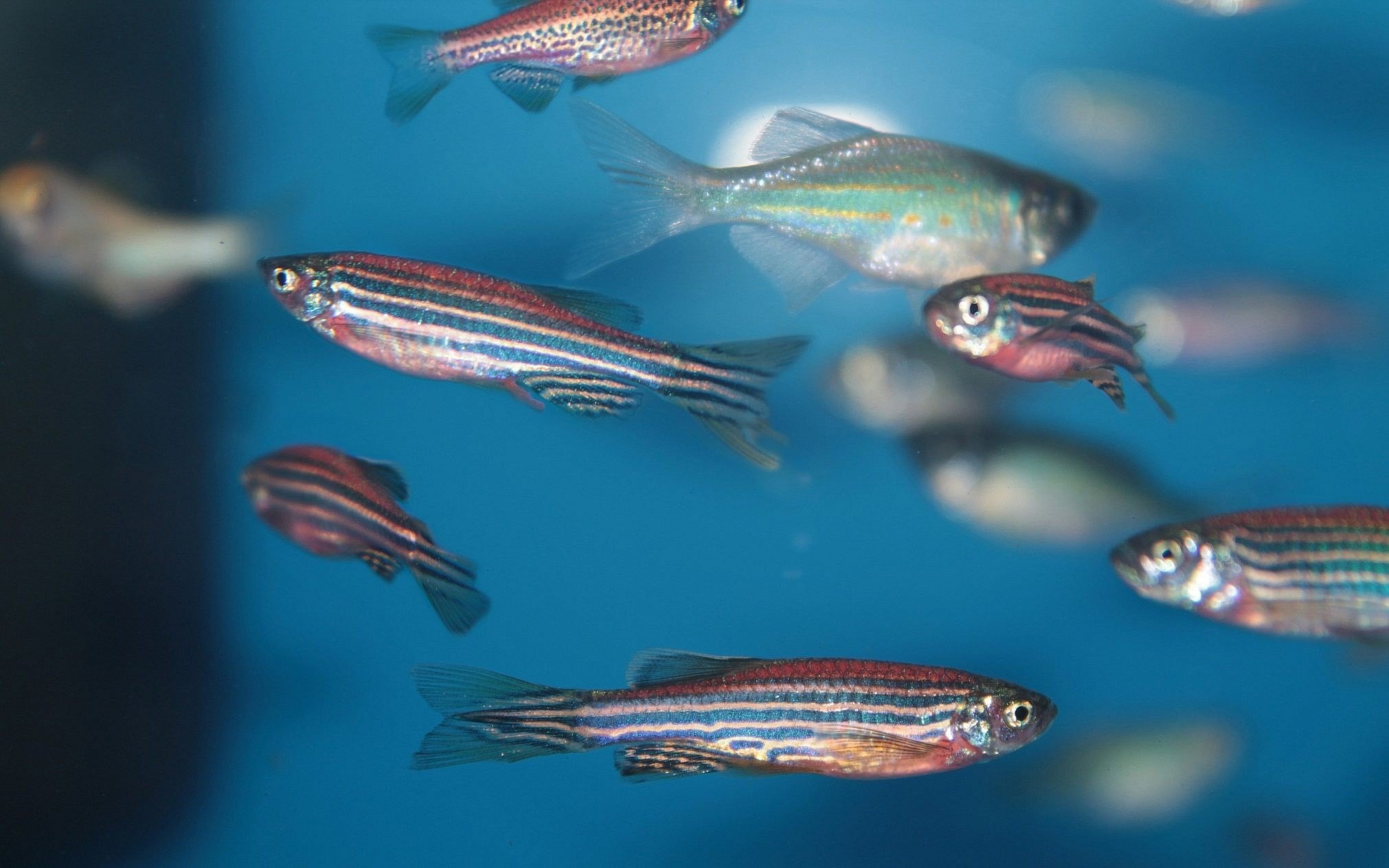
About 70% of human genes are found in zebrafish, so about a decade ago, Levkowitz researched the Otp gene in these small freshwater minnows.
Since zebrafish carry two versions of the Otp gene with overlapping functions, the fish can survive when one gene is disabled.
The research team then showed that disrupting one Otp gene during brain development caused a lifelong effect that prevented the fish from mounting appropriate stress responses in adulthood.
They also found that the protein produced by the Otp gene was still present in the adult fish’s brain, suggesting the gene still had a function after brain formation.
However, said Kuperman, “there is quite a distance” between fish and humans.
In the current study, the team focused on the Otp gene in mammals, specifically its role within the hypothalamus, the brain’s command center for basic survival functions such as hunger and stress response. By releasing chemical messengers between the brain and body, this region maintains the body’s internal balance.
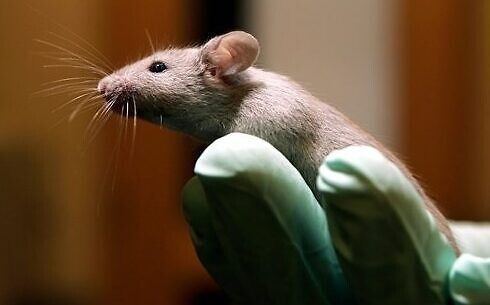
To study its function in adulthood, the researchers engineered a specialized mouse model. Once the mice reached full maturity and their brains were completely developed, the team administered a drug to selectively switch off the Otp gene.
The mice’s reaction to the lack of Otp was “very fast,” Kuperman said. “They released extra corticosterone, which is a bona fide stress hormone, and showed depression-like behavior.”
Their resilience disappeared, Levkowitz said.
Mice can normally float and swim in water, he explained, “and when you put them in a small pool, normal mice will try to climb the walls of this pool and get out. But in the absence of Otp, the mice gave up.”
He said they didn’t struggle or move their limbs vigorously.
“It was like the mice had a feeling of helplessness,” he said. “This was surprising.”
The mice acted in the same way as depressed humans who will not make the effort to get out of an uncomfortable situation, he said.
While the mice ate normal amounts of food and maintained an overall body weight similar to the control group, their internal disruptions quickly became evident.
They accumulated a higher percentage of body fat, showed a weakened response to natural hunger signals, and experienced a sharp rise in cholesterol levels.
“In our model, the mice weren’t obese,” said Kuperman. “They didn’t eat more, but they had a higher percentage of body fat.”
The researchers saw that the mice’s thyroid hormone levels plunged. This impacted their metabolic rate, energy balance, and brain chemistry.
“When you lose Otp, you also get thyroid disturbances and heightened sensitivity to stress and depression,” Levkowitz said.
In humans, depression or anxiety can look purely psychological, he said, but in some cases, what appears to be a mental health issue can actually stem from a physical thyroid imbalance.
“The results showed that a molecule we once thought of purely as a developmental regulator turned out to be a master regulator of physiological balance throughout life,” Levkowitz said. “It’s not just building the system; it keeps it running.”
He added that this is why “we need to have more basic science to understand all the connections.”
Future studies need to be performed on female mice
Kuperman said that the models were conducted on male mice, and future studies need to be performed on females.
“This is necessary because otherwise you will develop drugs that will treat males and may act differently on females,” Levkowitz said.

“It was known that the protein Otp plays a key role in embryonic brain development,” Prof. Danny Ben-Zvi of the Hebrew University of Jerusalem told The Times of Israel.
Ben-Zvi was not involved in the research.
“Using clever genetic engineering, the authors showed that it continues to play an important role also in adulthood, balancing responses to stress and overall metabolism,” Ben-Zvi said.
He stressed the importance of understanding the molecular mechanisms controlling human metabolism and stress responses.
“This is the basis of finding new ways to help people suffering from anxiety and metabolic disorders,” Ben-Zvi said.










The Times of Israel Community.