

Erdan’s Unity quits election race as parties scramble to finalize slates ahead of deadline
Gadi Eisenkot hints at surprise mergers before Tuesday’s cut off date to submit lists, amid reports of talks with Bennett; Ben Gvir appoints Gotliv as number 2 in his far-right party
 Add ToI as a Preferred Source on Google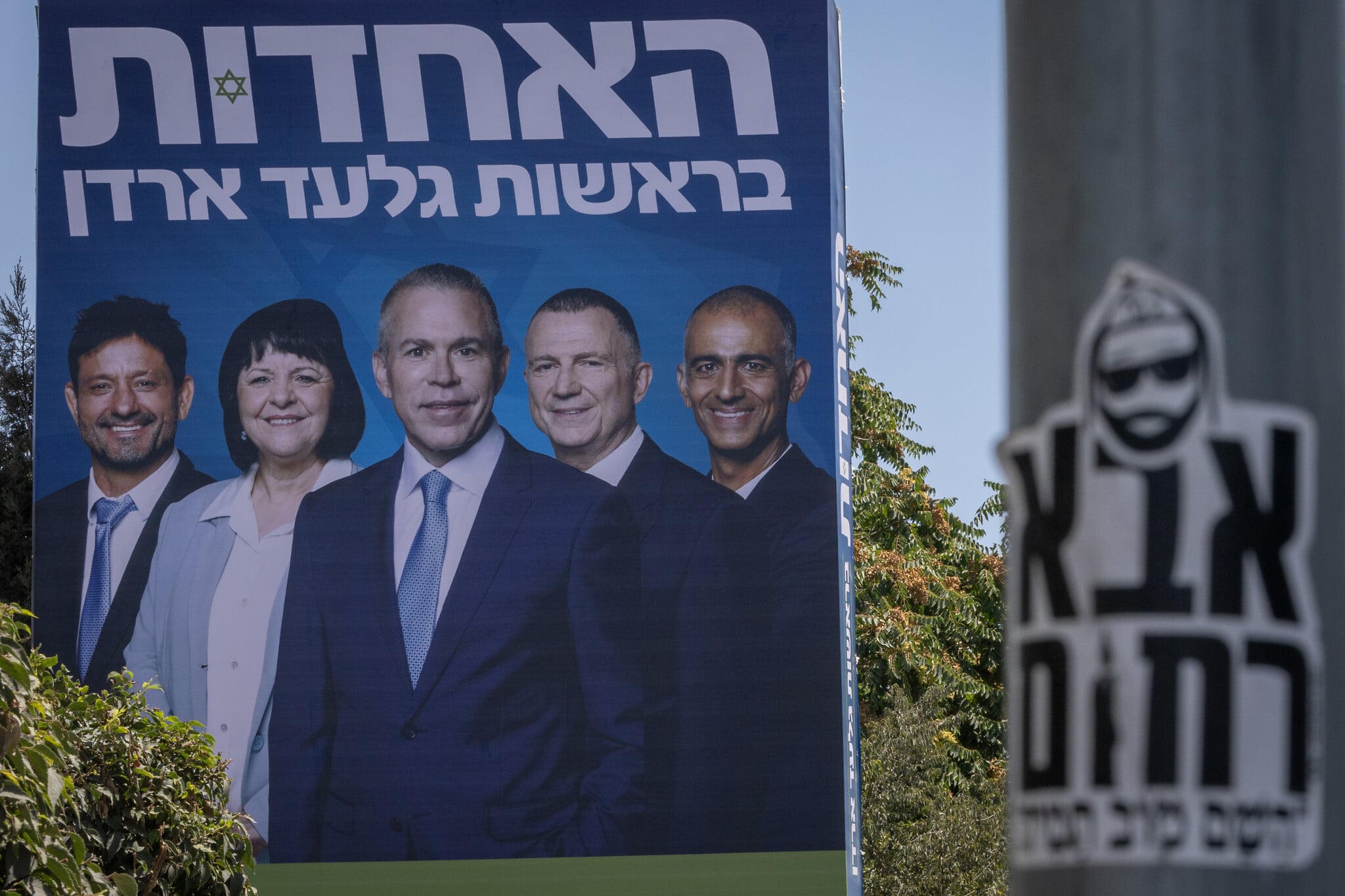
Former ambassador to the United Nations Gilad Erdan announced Friday that his fledgling Unity Party will not run in the upcoming October 27 Knesset election after weeks of polls showing that it would not cross the electoral threshold.
The move comes amid a flurry of activity by parties and politicians to finalize their slates ahead of the Tuesday deadline, after which parties will be unable to take their names off the ballots.
Both the current coalition and the opposition bloc opposed to Prime Minister Benjamin Netanyahu are scurrying to ensure that smaller parties and factions unite ahead of the deadline to prevent the possibility of them failing to cross the 3.25 percent electoral threshold and wasting their votes, something that has in the past had dramatic effects on the outcome of the vote.
Erdan’s Unity was one of several small parties pushing the message of joining the central factions of each bloc, but he acknowledged his message had not caught on.
“I founded the Unity Party a few weeks ago because I believe that Israel needs a broad Zionist government that can pass a real conscription law and resolve disputes,” Erdan said in a statement announcing the move.
“I believed that the terrible massacre of October 7 and the terrible price paid by the citizens of Israel obliged us to change direction,” the former senior Likud minister continued.
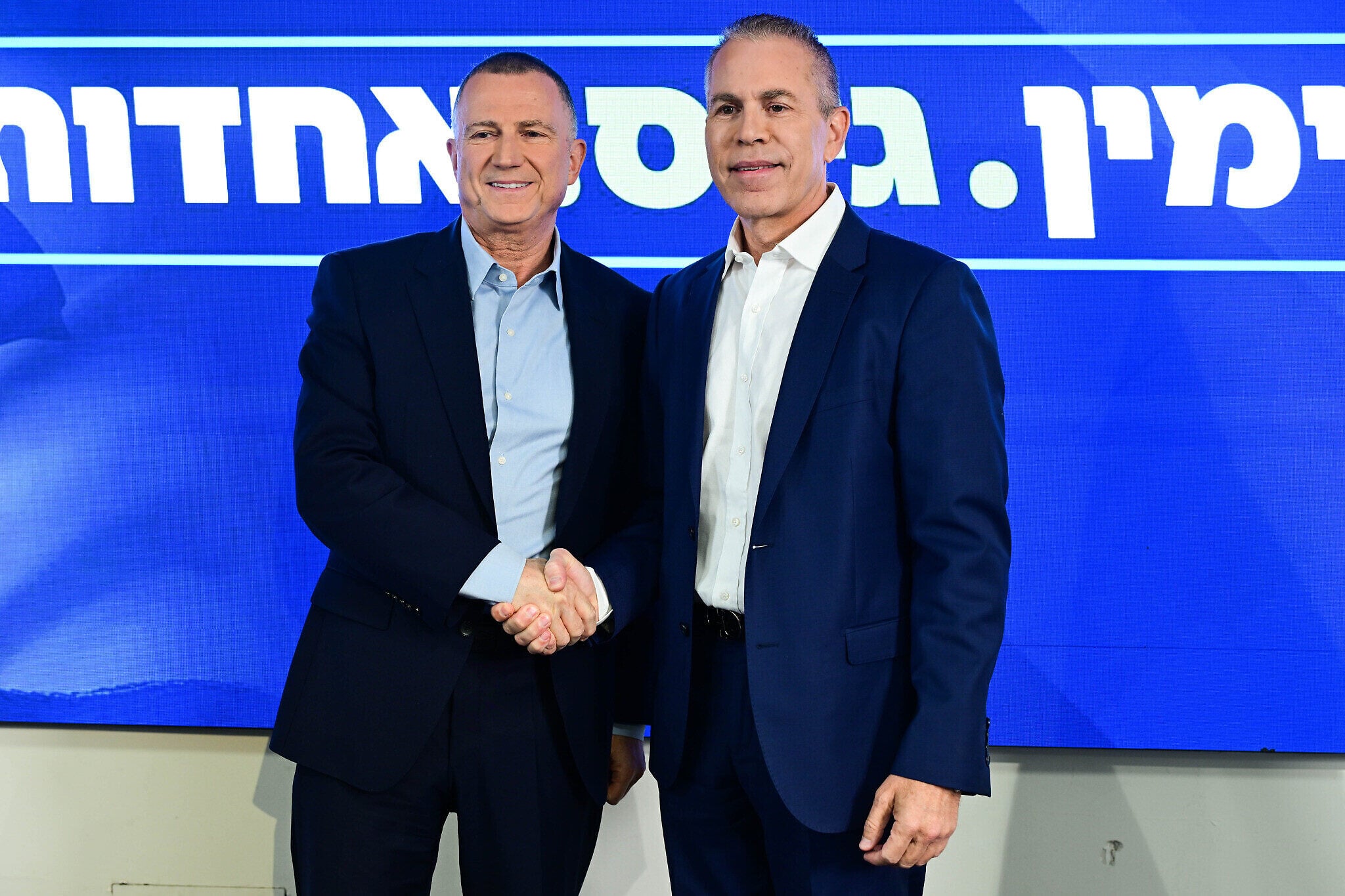
“Unfortunately, after about a month of campaigning, it has become clear that a large majority of the public is, above all, seeking a clear decision on the question of the identity of the prime minister, and the need for a broad unity government is not high on Israelis’ list of priorities,” Erdan lamented.
“Despite the many efforts we have made, the support so far for the Unity Party that I founded does not guarantee with high probability that it will pass the electoral threshold, and the possibilities of joining forces with other parties in the unity bloc have not materialized.”
“Therefore, I have decided that the Unity Party will not be running in the upcoming election campaign,” he said.
His statement came after reports that negotiations between Erdan and Benny Gantz’s Blue and White party had collapsed. According to Hebrew media reports, following a meeting Friday between the two, Gantz said he was not interested in joining their parties together.
Erdan’s move means that fellow party member and one-time Netanyahu challenger Yuli Edelstein will not run for the next Knesset. It also ends a short-lived entry into politics by Beit Shemesh mayor Aliza Bloch.
Gantz, however, has vowed to run until the end.
Surprises
Yashar head Gadi Eisenkot, who is polling as the main challenger to Netanyahu, hinted Friday that the next few days could see “surprise” mergers of several opposition parties.
Speaking at an event in Rishon LeZion, Eisenkot said he is “convinced we will build a winning political system. Our victory will be large, over 60 seats.” Recent polls have shown both the coalition and the opposition bloc struggling to gain a majority in the 120-seat Knesset after the October 27 vote.
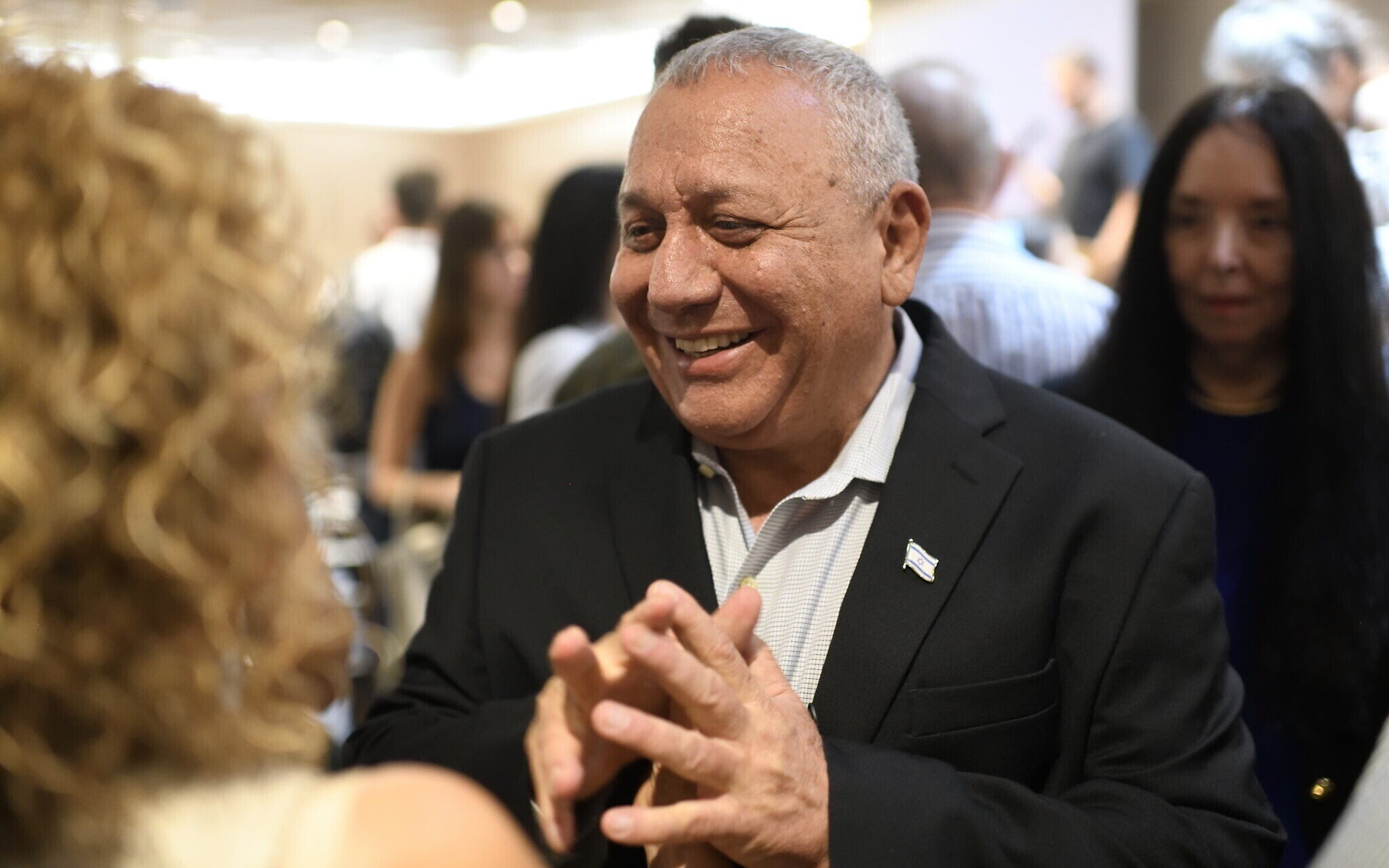
Asked about party mergers before the deadline to submit finalized electoral slates on Tuesday evening, Eisenkot said: “I’m talking to everyone; if I publicize it now, it won’t be serious.”
“We are preparing surprises in the next few days. I’m convinced it will happen and be to the benefit of the State of Israel,” he said.
Channel 12 reported Friday that Eisenkot had met with former prime minister Naftali Bennett, who now heads the B’Yachad party with Opposition Leader Yair Lapid.
The report said the two had not agreed on a merger, but would keep on talking. The report said Eisenkot is eager to head a far larger party than Likud after the vote, but is concerned that he could see an overall drop in support, as happened to Bennett after his merger with Lapid’s Yesh Atid.
Yesh Atid won 24 seats in the 2022 election, but was collapsing in the polls before the merger with Bennett. Their B’Yachad polled as high as 28 seats, but has fallen relentlessly and is currently predicted to take about a dozen seats in the elections. As such, it has seen an exodus of veteran lawmakers from Lapid’s Yesh Atid list, who are unlikely to secure a realistic spot on the slate.
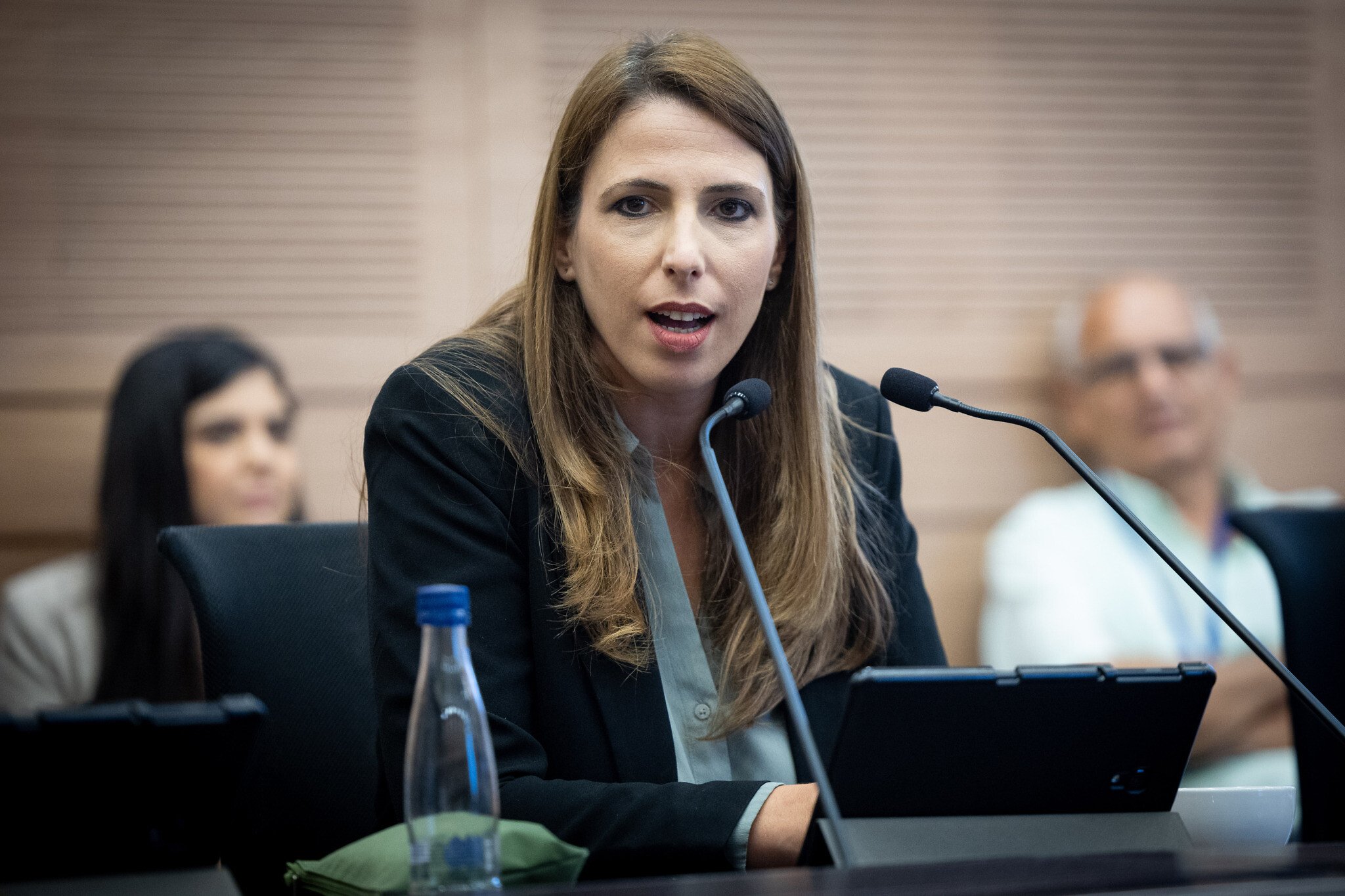
On Friday, MK Michal Shir announced she would not seeking reelection, the ninth Yesh Atid legislator to quit in recent days.
B’Yachad is set to unveil its list on Sunday.
New number two
There were also moves Friday among the coalition parties.
National Security Minister Itamar Ben Gvir said Friday that Tally Gotliv — who joined his Otzma Yehudit party in a deal with Likud — will be number two on the far-right faction’s electoral slate.
In a joint statement to the press, Ben Gvir said Gotliv is “one of the bravest and most insistent ideologues in the Knesset. Everyone can agree that Tally is not just a member of Knesset but a true force multiplier.”
After she was placed in the 20th spot on the Likud list following the party’s primary, Gotliv indicated she was open to joining another faction. Yesterday, Likud announced a deal to have her move to Otzma Yehudit without facing any consequences, seemingly helping her preserve her parliamentary immunity and avoid prosecution for exposing the identity of a Shin Bet agent.
In her own comments, Gotliv praises Otzma Yehudit for “reaching legislative heights” in the Knesset and Ben Gvir for being a “fearless minister.”
The two later toured Jerusalem’s Machaneh Yehuda market, a traditional Likud stronghold, together.

Also Friday, Channel 12 reported that Likud had offered former finance minister Moshe Kahlon a safe spot on its slate, but that the former Likud minister, who was being courted by a number of parties, was unlikely to accept.
The report posited that Kahlon, a popular politician who led several successful financial reforms, was waiting for the dust to settle after the elections before returning to politics.
Also Friday, the Arab-majority Hadash party announced that it has pulled its No. 2 candidate Ja’far Farah off its slate for the upcoming election amid allegations of sexual harassment by several women.
Hadash said in a statement that Farah informed the party of his decision to resign earlier Friday and that a meeting will be held Saturday to select another candidate to replace him.
Hadash is running on a joint slate with the Arab-majority Ta’al and Balad parties, in which he is positioned in the fourth slot.






The Times of Israel Community.