

With only days left to submit slates, small parties are still jockeying for position
Despite polling under the electoral threshold, newly established right-wing factions seen as unlikely to agree on any sort of joint run until right before September 8 deadline

 Add ToI as a Preferred Source on Google
Sam Sokol is a former political correspondent at The Times of Israel. He was previously a reporter for the Jerusalem Post, Jewish Telegraphic Agency and Haaretz. He is the author of "Putin’s Hybrid War and the Jews"
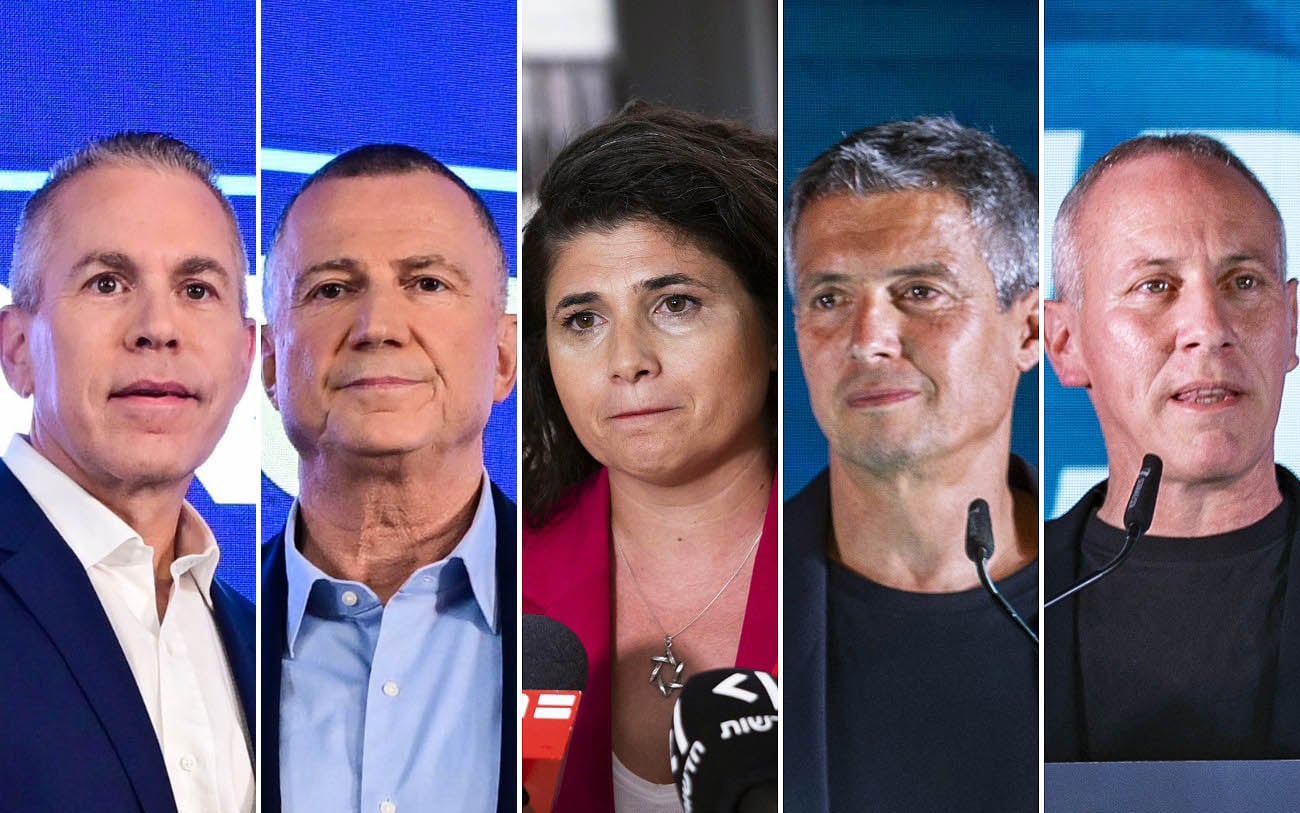
With only a week-and-a-half to go before the deadline for parties to submit their candidate slates ahead of the October 27 election, many of the smaller, recently established parties competing on the right have yet to come to any agreements on mergers or technical alliances, raising the possibility that none of them will garner enough support to enter the Knesset.
Speaking with The Times of Israel on Wednesday at his home in the upscale coastal neighborhood of Herzliya Pituach, former Likud lawmaker Yuli Edelstein, one of the founders of the right-wing Unity party, predicted that any such political moves could only be expected to take place at the last moment.
“I’m honestly telling you, the negotiations will happen in a week from now, something like that. Not just us; all the parties will really start talking when push comes to shove,” he said.
These delays have proven deeply concerning to Prime Minister Benjamin Netanyahu, who Wednesday evening issued a public appeal to voters not to support smaller right-wing parties that may not pass the 3.25 percent electoral threshold in the election, warning that it could destroy the current coalition’s chances of retaining power and lead to the election of a “fascist regime.”
“Whoever doesn’t pass the electoral threshold is wasting their votes. Whoever does pass will take down an existing party,” Netanyahu warned again a day later, following the launch of controversial former IDF general Ofer Winter’s People of Israel party.
Addressing the plethora of small factions on the right competing with Likud, Netanyahu had a single message: “Leave, or unite with the existing parties.”
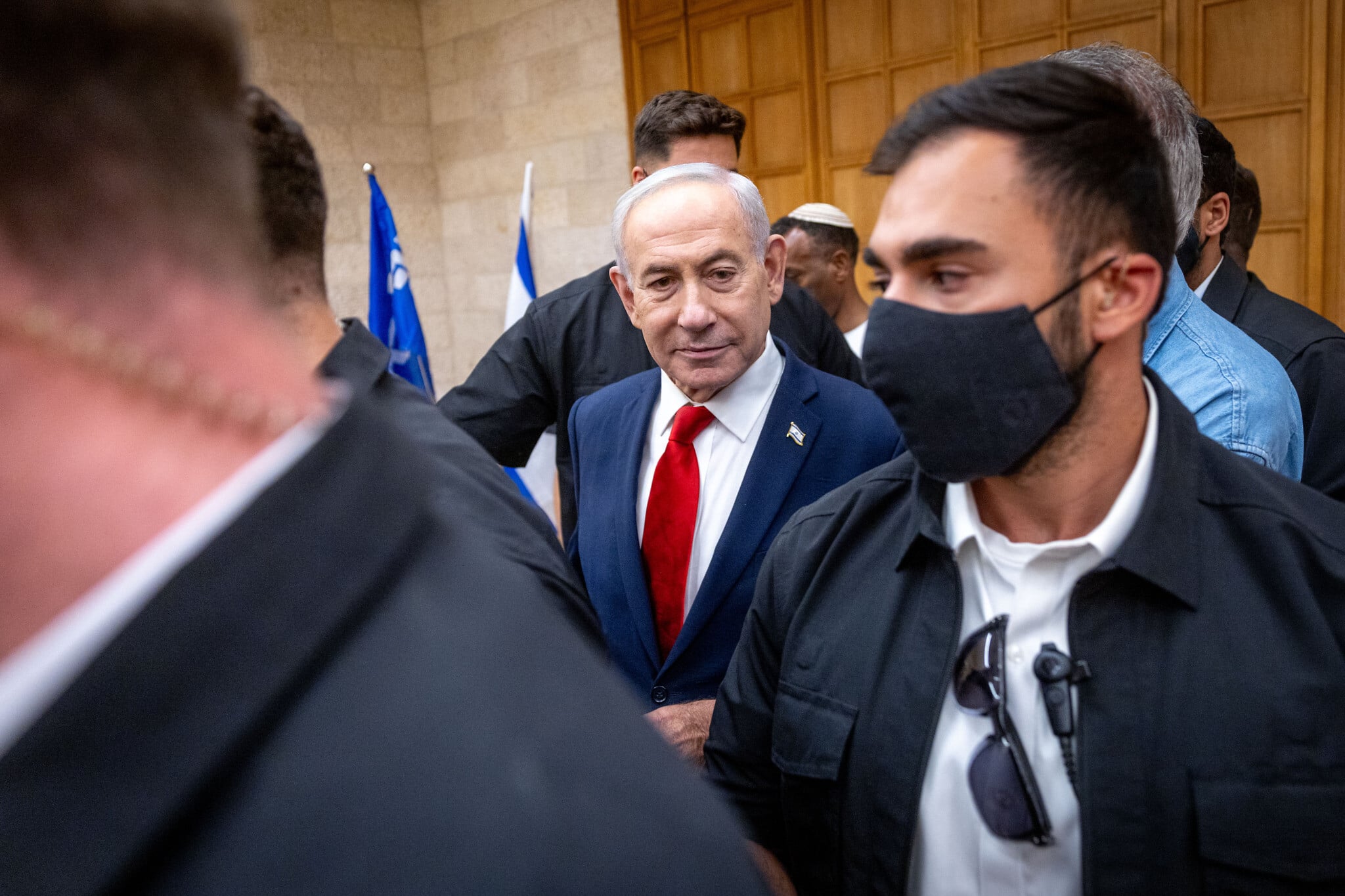
The Third Bloc
Netanyahu’s appeals highlighted concerns on the right that the field has become overcrowded by an influx of new parties started by disaffected nationalist politicians and first-time hopefuls, collectively known as the Third Bloc, whose stated aim is to force a compromise with the opposition and create a broad Zionist unity government.
The premier has reason to worry, with a recent poll by The Times of Israel showing Winter’s pro-Netanyahu party receiving six seats while pushing Bezalel Smotrich’s far-right Religious Zionism party below the electoral threshold and bringing the pro-Netanyahu bloc down to only 51 seats.
Despite cannibalizing votes from other Netanyahu bloc parties, Winter has positioned himself as a firm supporter of the prime minister rather than a member of the Third Bloc, even as he has said that he wants “as broad a right-wing government as possible, with as many Zionist partners as possible.”
Several other new factions, including Sharren Haskel’s Israel First, Edelstein and Gilad Erdan’s Unity, Benny Gantz’s Blue and White and Yoaz Hendel and Chili Tropper’s Zionist Home-The Reservists, are all expected to fall short of the electoral threshold unless they coalesce before the September 8 deadline.
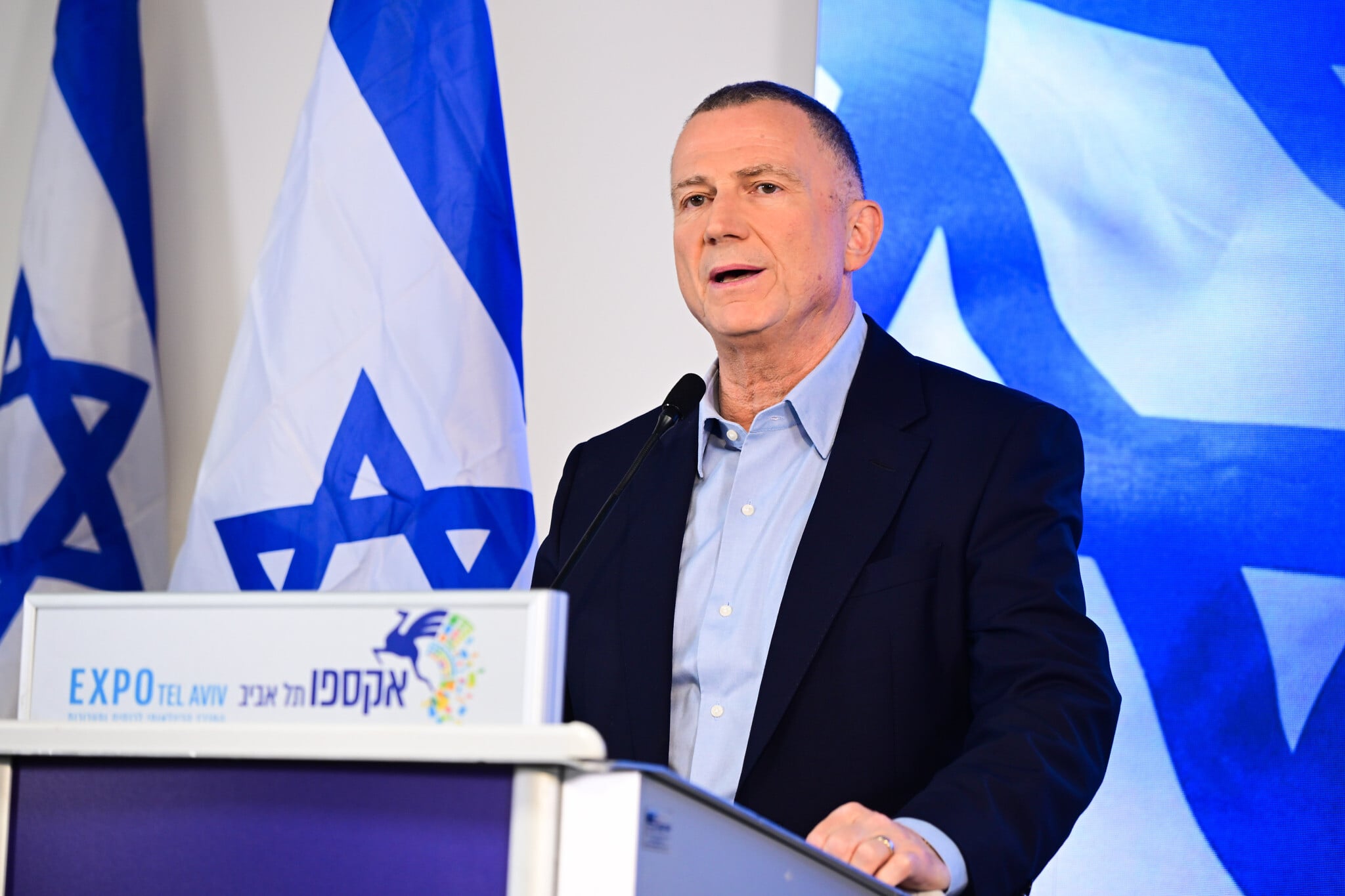
“I don’t think we need Netanyahu’s marching orders in order to decide how to organize ourselves” before the submission deadline, Edelstein told The Times of Israel, sitting casually at his dining room table in jeans and a black polo shirt.
Asked why there have been no mergers so far among new parties founded to ensure political unity, Edelstein replied that it remains unclear if the new right-wing factions would actually follow through on their stated goals.
While Winter will go with Netanyahu, Tropper is likely to join a narrow opposition-led government with Yashar chairman Gadi Eisenkot, the leading opposition figure, should he fail to broker a cross-bloc deal, Edelstein insisted.
“And I think personally that if we [in the Unity party] go for some merger, we will have to make these things quite clear between the merging parties, because otherwise what have we achieved if after the elections we’re looking at a situation in which there is again a government that is divisive and represents only half the population and totally depends on some marginal parties inside the coalition?” he asked.
Edelstein denied that any serious talks were being held as of the time of our interview, insisting that everything was going to go down to the wire.
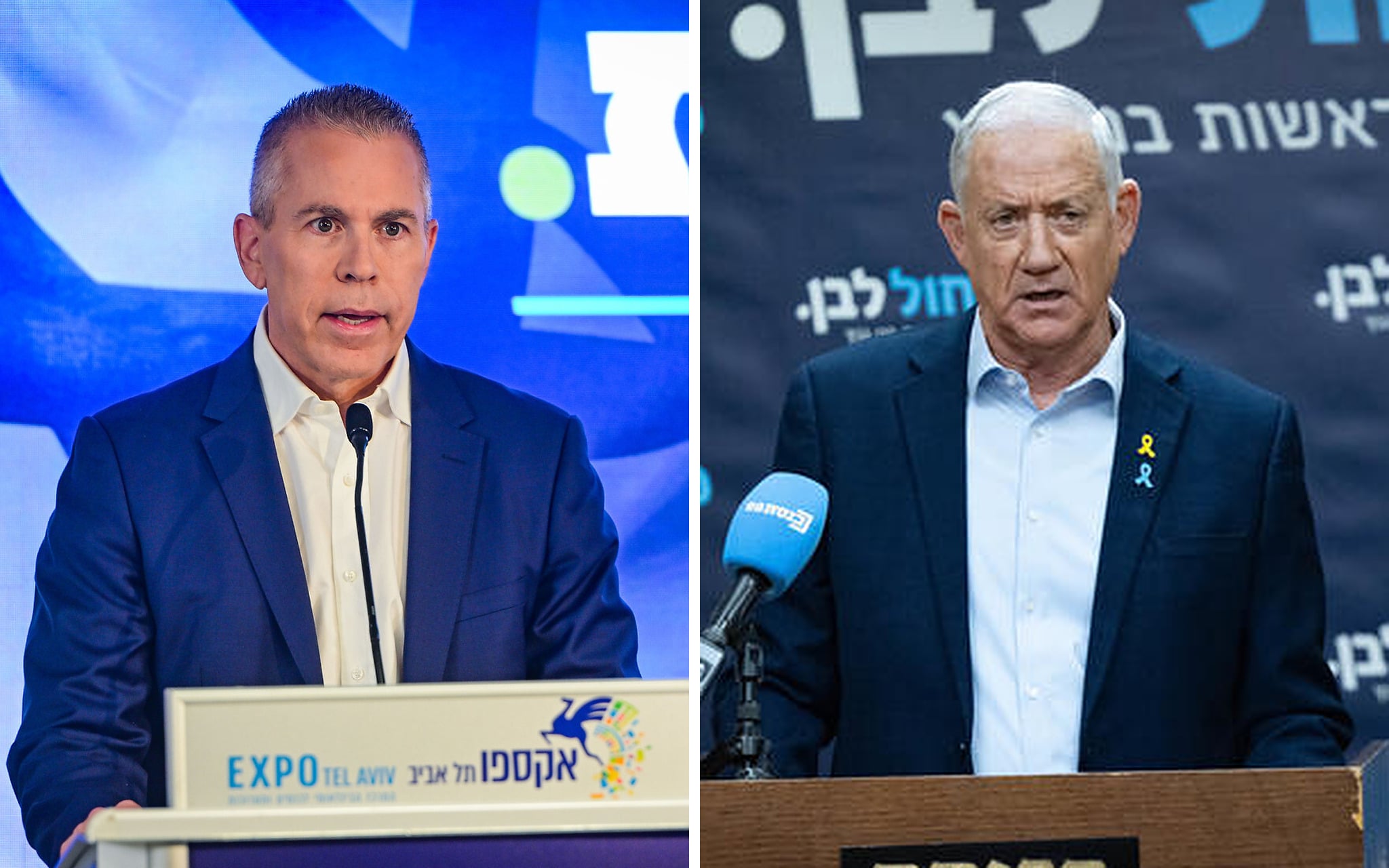
Still, Hebrew media reports indicated that negotiations were taking place between Edelstein’s Unity party and Gantz (who last week called for unifying the Third Bloc, despite failing to stem a tide of defections from his own party).
According to Channel 12, Unity chairman Erdan met Gantz on Wednesday and again on Friday, and talks were expected to continue this week. In an interview with the network, Gantz said on Saturday evening that he was “working to establish [an] Israel Bloc to create a situation where all these small parties will consolidate into one body.”
Unifying the hard right
Should the Third Bloc parties merge with each other, they could split off even more disaffected voters from Netanyahu’s camp, including the more than 40 percent of Likud voters who, as of May, were either considering or had decided to back a different party in the election.
Netanyahu’s entreaties, however, were aimed just as much at smaller factions within his own camp. In his remarks last week, the premier explicitly mentioned Winter as well as former Likud lawmaker Moshe Feiglin and sole Noam party MK Avi Maoz.
According to national broadcaster Kan, Feiglin, on behalf of his Zehut faction, is currently in talks with Religious Zionism chairman Bezalel Smotrich on a joint run, with Smotrich associates indicating that he is open to talks with any other party in the pro-Netanyahu bloc.
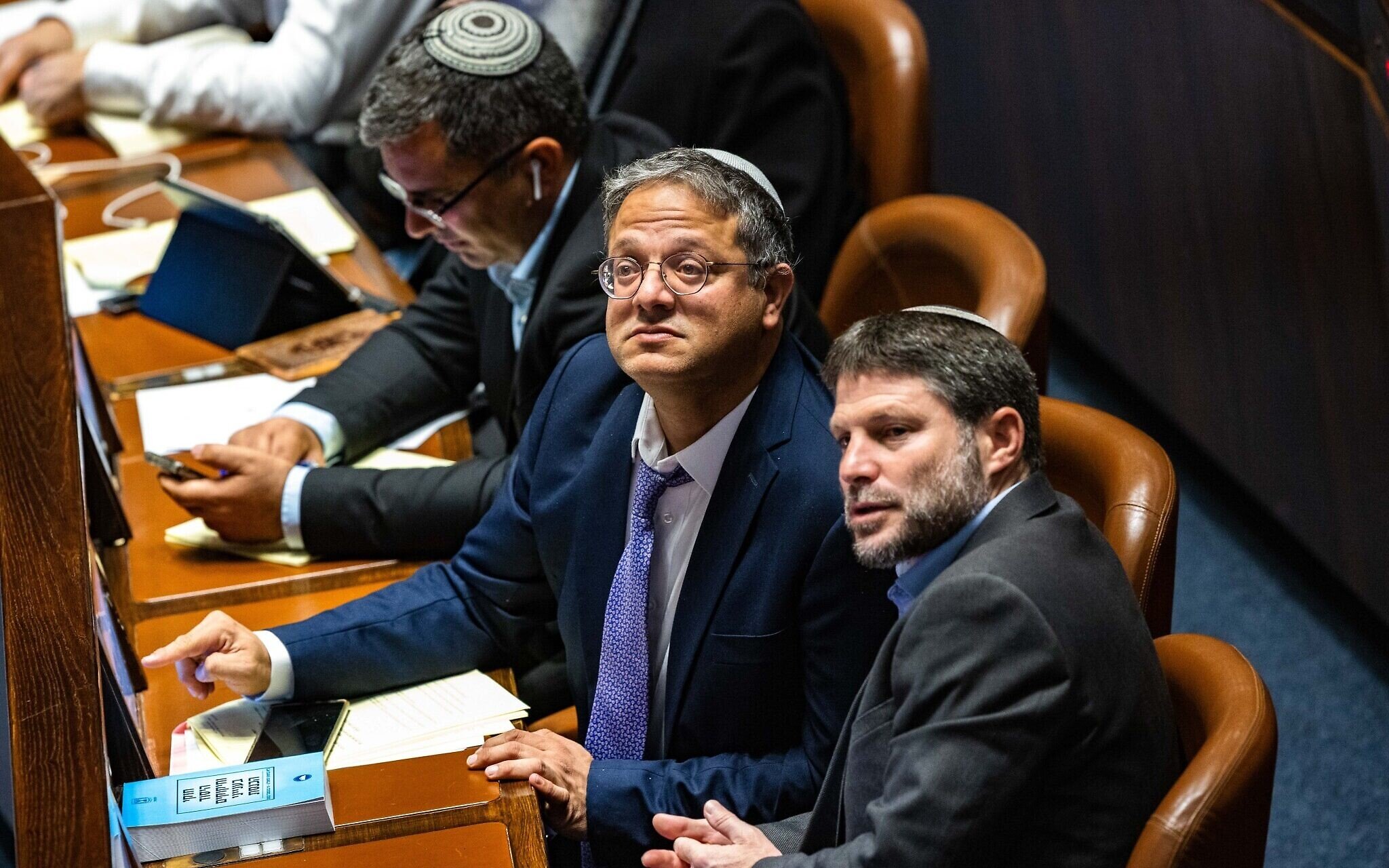
Despite Netanyahu’s best efforts, however, Otzma Yehudit leader Itamar Ben Gvir — in a feud with the prime minister that played out via dueling video messages and statements on Thursday and Friday — insisted on rejecting proposals to run on a joint slate with Smotrich that would lift Religious Zionism over the electoral threshold.
Ahead of the 2022 election, Ben Gvir and Smotrich initially struggled to agree on a joint slate, trading insults as negotiations repeatedly stalled. Netanyahu eventually intervened and brokered a technical alliance between Otzma Yehudit and Religious Zionism, which ran together and won 14 seats. After the election, the alliance split back into separate factions.
But while Ben Gvir emphatically rejected Netanyahu’s overtures this time around and members of the Third Bloc are still arguing amongst themselves, that does not necessarily mean that some deals will not be reached ahead of September 8.




The Times of Israel Community.