

No slate, no HQ: Sharren Haskel wages an uphill fight to return to the Knesset
The Israel First party is polling far below the electoral threshold, but the former deputy foreign minister at its helm insists she’s not just looking to dock with another ‘Third Bloc’ faction

 Add ToI as a Preferred Source on Google
Sam Sokol is a former political correspondent at The Times of Israel. He was previously a reporter for the Jerusalem Post, Jewish Telegraphic Agency and Haaretz. He is the author of "Putin’s Hybrid War and the Jews"
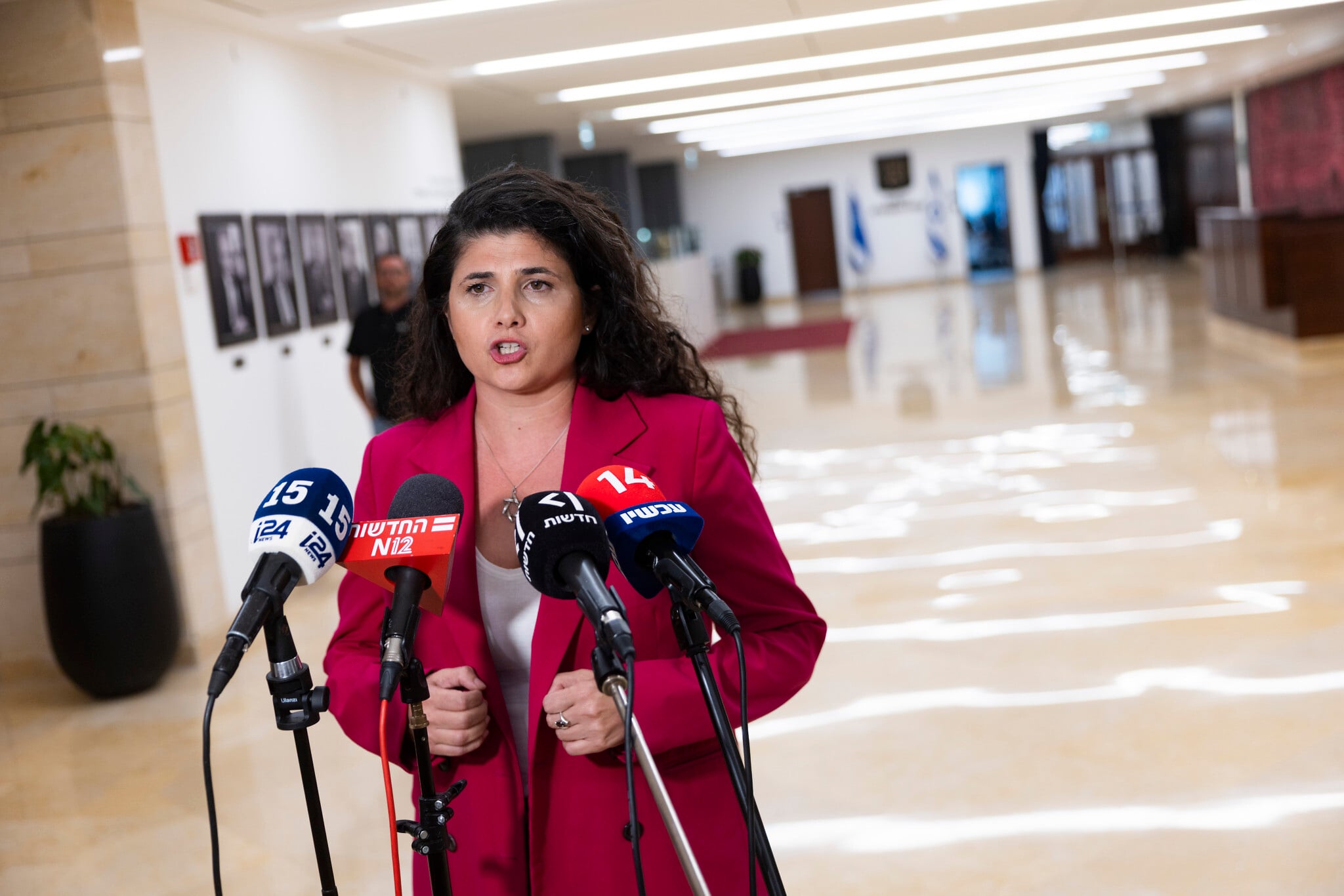
On a warm afternoon last week, former deputy foreign minister Sharren Haskel sat in a circle with a small group of associates and advisers in the center of a fifth-floor office in the central Israeli city of Herzliya, discussing strategy.
Aside from Haskel and her colleagues, the space was empty and quiet — not what one would expect of a political campaign just over two months before a major national election.
Lacking the recognizability of leaders of other new parties and competing for votes in a jammed field of upstarts created by fellow disgruntled ex-Likud members and allies, Haskel’s Israel First party faces long odds in the upcoming election, with wide speculation that it will merge with another party rather than attempt an independent run.
Yet speaking to The Times of Israel, Haskel was insistent that her party was more than just a merger vehicle circling for a place to pull in, even if another faction’s parking lot is her most likely destination.
“I had to create a political home where I feel whole, a right-wing party that speaks about freedom, about unity, about recruiting the ultra-Orthodox [to the IDF] — and that will be able to create unity the day after the elections,” Haskel said, sitting in a small, glass-walled conference room on the side of the office.
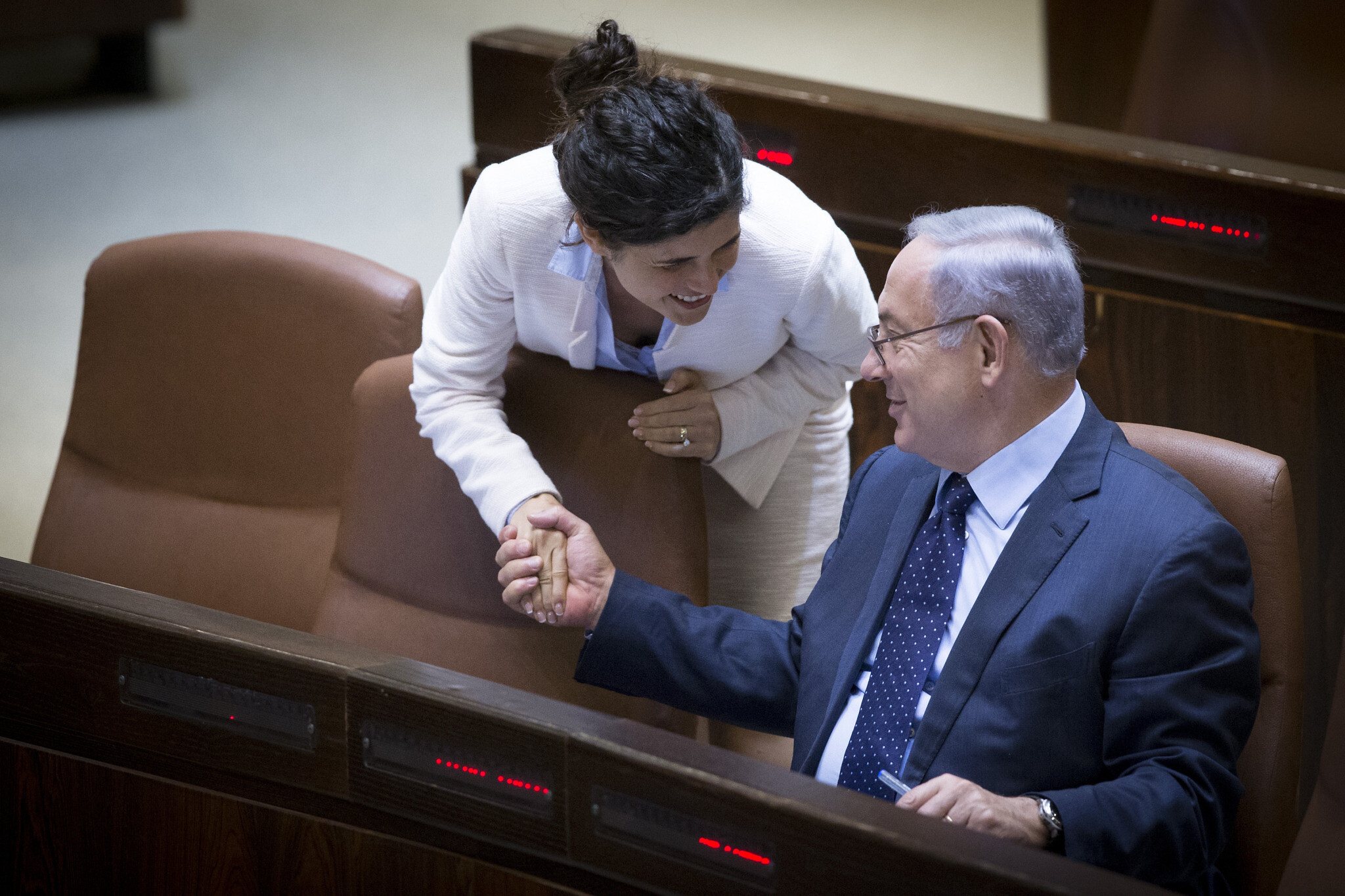
First elected on the Likud slate in 2015, Haskel jumped ship for Foreign Minister Gideon Sa’ar’s hawkish New Hope faction in late 2020, complaining at the time that there was “a big gap” between the Revisionist Zionist ideology of Likud’s founders “and the values and norms that characterize Likud today.”
When the Likud Central Committee voted overwhelmingly to approve a merger with New Hope last year, Haskel told The Times of Israel that she and other Israeli security hawks and economic conservatives were left feeling “politically homeless” — although she declined to resign and continued to serve as both a coalition MK and deputy foreign minister.
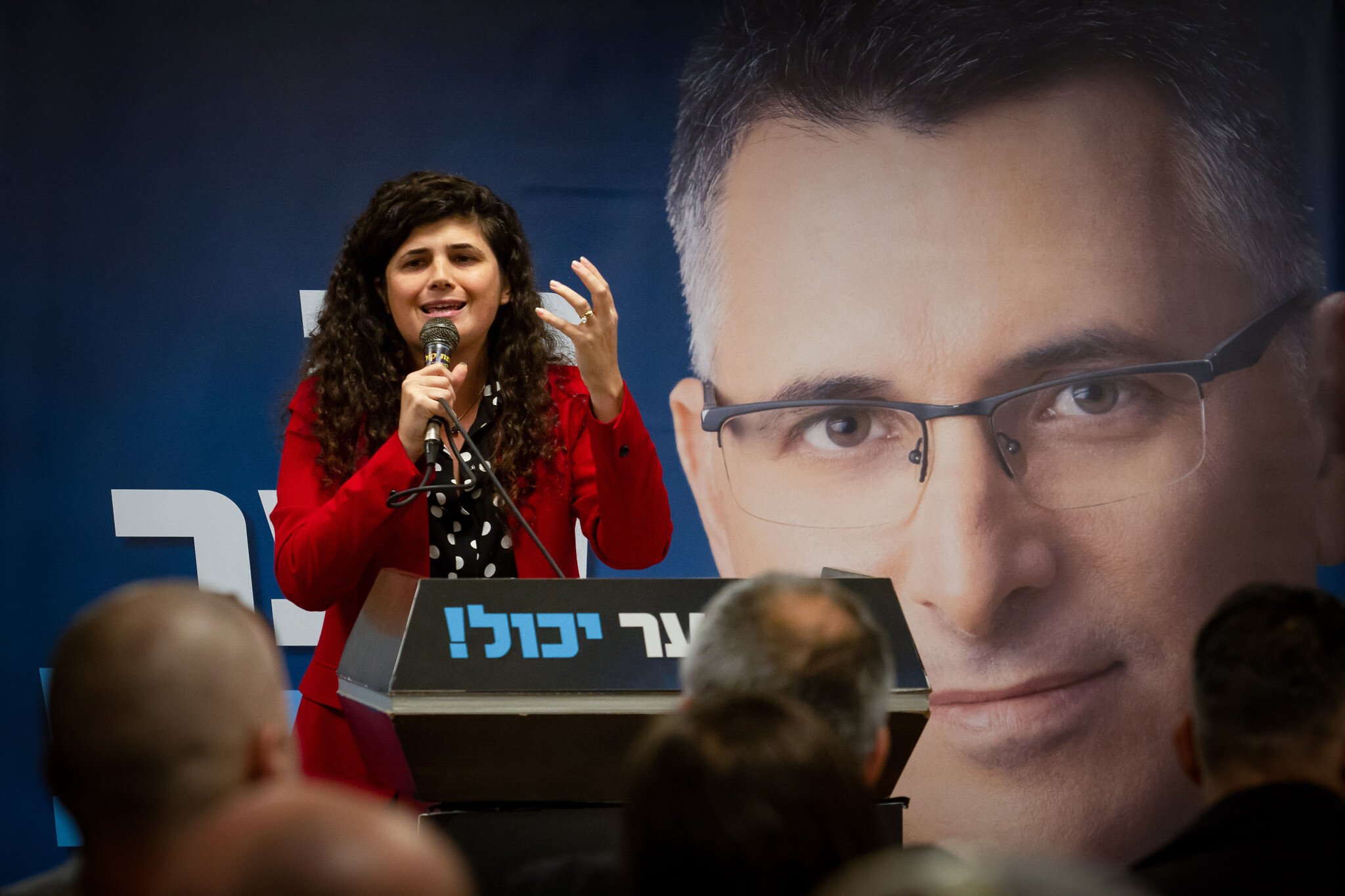
It was only last month, with the election coming up in October, that Haskel, one of the coalition’s most outspoken opponents of legislation enshrining the broad of exemption of ultra-Orthodox males from IDF conscription, resigned as a deputy minister, citing the passage of a controversial law freezing the arrest and prosecution of Haredi draft dodgers.
Haskel, still an MK, said that after the law passed “something broke inside” of her and she felt the need to take action, though she had already been widely expected to break away.
At the time, she was months deep in talks with former Likud MK Yuli Edelstein and former minister Gilad Erdan over the possible formation of a new right-wing party. But a day after quitting, she announced that she was starting her own party, dubbing it Israel First.
Edelstein and Erdan were “indecisive,” she said, accusing the pair of letting talks drag on while they debated “whether they’re going to do it.” (Erdan and Edelstein launched their new Unity party this month.)
“Maybe I should have sat aside and continued to have a dialogue… but I couldn’t,” she said. “I had to step up and take the action to make sure [the voters] understood that there’s someone in the Knesset to protect them and that there’s someone that represents them.”

Positioning herself as targeting fellow “politically homeless” members of the “liberal and statesmanlike right,” Haskel said in July that she would push for equal service, economic liberalism, strong security and an equal sharing of the burden of military or national civic service, ending deferments for the ultra-Orthodox.
Since splitting off, she has garnered attention by submitting an affidavit claiming members of New Hope and Likud were instructed to video themselves voting for Prime Minister Benjamin Netanyahu’s preferred state comptroller candidate in June, seemingly contradicting earlier affidavits by Likud executive director David Sharan and several Likud MKs who said there had been no such instructions.
The opposing testimonies have sparked a criminal investigation into possible perjury, though Haskel declined to comment on the case, stating that the police had instructed her not to discuss the issue publicly while the matter is being investigated.
The affidavit was filed as part of a failed High Court petition alleging that Likud and New Hope had deliberately left the merger process unfinished to prevent her from splitting off as a one-member faction and taking with her the state funding attached to her Knesset seat.
Haskel told The Times of Israel that she is currently raising money from individual donors and would rent and staff offices once her party’s list is finalized.
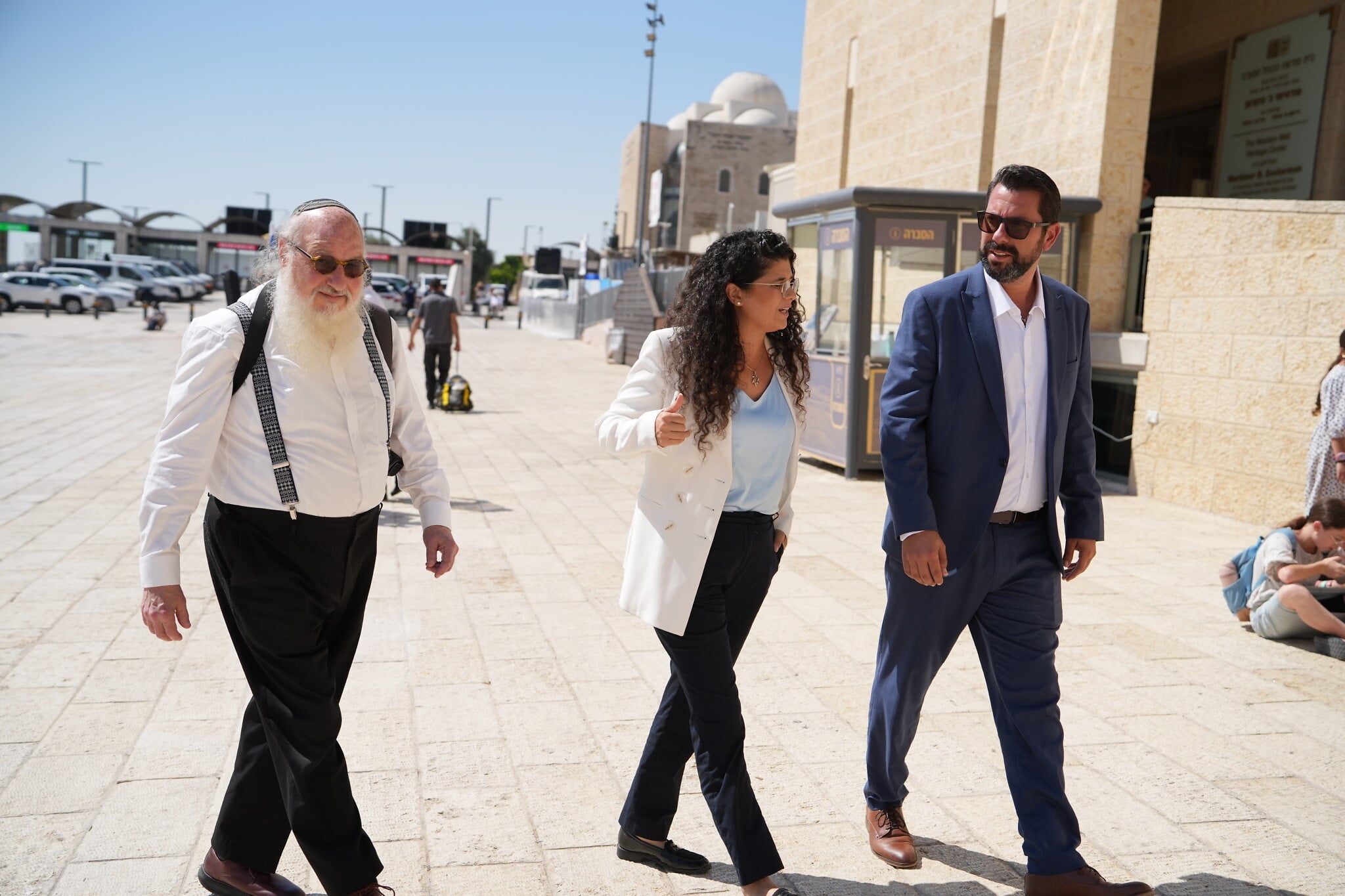
So far, the party’s electoral slate consists of her and former spy Jonathan Pollard, who became a household name after he was caught passing American secrets to Israel in 1985, sparking a major diplomatic rift. Since moving to Israel in 2020, Pollard has flirted with entering politics and has made a number of comments placing him on the far right of the political spectrum. In an announcement, Haskel called him a “hero.”
Polls have given Israel First no chance of crossing the electoral threshold of 3.25% of the vote, a fate shared with most others in the so-called Third Bloc of center-right parties aimed at forcing a compromise between Likud and the Zionist opposition parties to create a broad Zionist unity government.
Yet Haskel appeared unworried and claimed that her decision to strike out on her own would not see the bloc’s power being neutralized by votes being split between so many different factions.
“My first campaign was a campaign of unity, to join forces together, all those parties,” she said. “And I still believe that we need to find a way to join those forces together.”
And while she believes “there has to be a connection between many of the parties that stand together on the same ideological base,” Haskel expressed reservations about other members of the bloc, like Yoaz Hendel and Chili Tropper’s Zionist Home-The Reservists.
Any merger has to be based on shared principles, such as the centrality of the West Bank in Israel’s security doctrine, she said.

Haskel denied that the creation of Israel First was designed to strengthen her bargaining position ahead of a future merger with Unity or another party.
“If I wanted to get a spot [high on the electoral slate], I could have gotten a spot two years ago in Likud,” she said.
“It has nothing to do with the seat and has everything to do with the values that need to be represented in the next government,” she said. “I truly believe that the next elections are going to determine whether we’ll be able to continue and survive from a security point of view and from an economic point of view.”
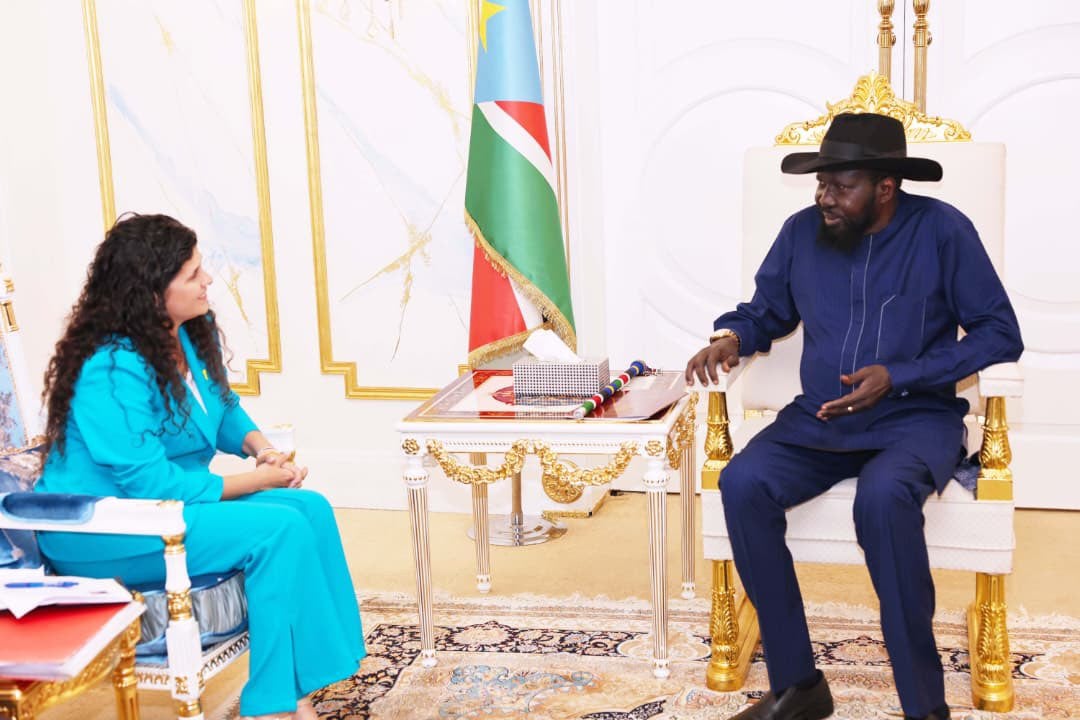
Asked about her record as deputy foreign minister, during which time she was put in charge of over NIS 545 million ($146 million) to improve Israel’s public image abroad, Haskel claimed that despite Israel’s eroding standing internationally, progress had been made.
Money was put into bringing in delegations from abroad, “research so that we do not rely on feelings, but we rely on actual facts,” and “digital tools to assist Israel’s public reputation” by monitoring international media to allow officials to “respond the second something’s come up,” she said. “A lot of the success was in taking down fake reports and lies about Israel.”








The Times of Israel Community.