

With debutant Winter poised to cannibalize his bloc, Netanyahu has reason to sweat
New People of Israel party seen as most likely to draw votes away from PM’s coalition allies, as well as his own Likud, with rivals and other small right-wing factions already siphoning away support

 Add ToI as a Preferred Source on Google
Sam Sokol is a former political correspondent at The Times of Israel. He was previously a reporter for the Jerusalem Post, Jewish Telegraphic Agency and Haaretz. He is the author of "Putin’s Hybrid War and the Jews"
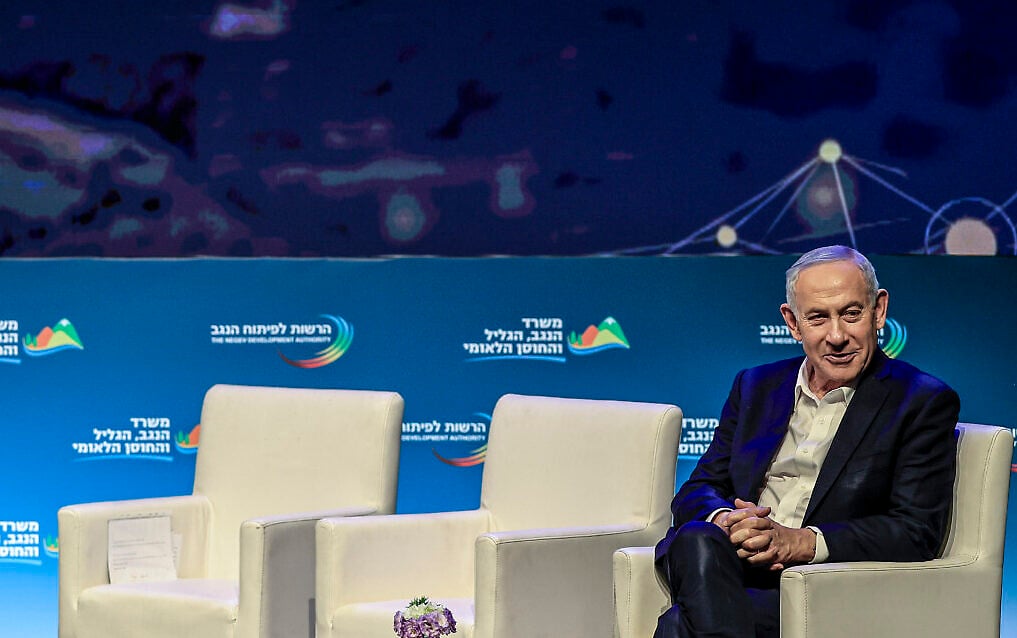
Addressing settlers in the West Bank on Tuesday evening, Prime Minister Benjamin Netanyahu issued an impassioned plea against voting for any of the new right-wing parties that have sprung up in recent months.
Dispersing votes between a smattering of different upstart parties would leave them all short of the 3.25 percent support they need to enter the Knesset, he warned. And even if a party does get in, it will be at the expense of an ideological compatriot, he complained.
“Whoever doesn’t pass the electoral threshold wastes their votes. Whoever does pass will take down an existing party,” Netanyahu declared, in his second such appeal in as many days. “So there’s only one message for all of the new right-wing parties: Leave, or unite with the existing parties. If you care about the future of the State of Israel, that’s what you need to do.”
Among those named by Netanyahu as a potential spoiler was Ofer Winter, a controversial former IDF general who earlier that evening had launched the People of Israel party, promising to “do everything to establish as broad a right-wing government as possible, with as many Zionist partners as possible.”
Winter is something of a wildcard. He has declared that he and his colleagues are ”a clear, definitive part of the right-wing camp,” and has insisted that he would not support Netanyahu’s chief rival, Gadi Eisenkot, as prime minister. At the same time, Winter has harshly criticized Netanyahu’s leadership, maintaining that the public will not accept “everything remaining the same in the political sphere.”
On paper, Winter mostly directly threatens Bezalel Smotrich’s Religious Zionism party, drawing support from the same settlement-backing nationalist base, but without the baggage of having been at the helm on October 7, 2023, or having voted for Haredi efforts to avoid conscription.

As of this writing, there is little reliable opinion polling on how much backing Winter may pull, and from where.
A survey published by Walla on Wednesday, its first since April, gave Winter’s party six seats and had Smotrich falling below the electoral threshold. But another poll published the same day by Channel 13 with over 1,400 respondents, among the largest conducted yet this election cycle, had Winter failing to enter the Knesset, while Religious Zionism held steady at five seats. That survey had Likud dropping to 19 seats, the worst showing the channel’s pollster has given Netanyahu’s party yet.
No matter which way you slice it, though, the Netanyahu-led right-wing camp seems to lack the support needed for a 61-seat-strong majority coalition, a situation that the entry of Winter does not seem to be helping. (Even a poll from i24, whose surveys have consistently reported much higher numbers for Likud than nearly anyone else, had both Winter and Smotrich getting into the Knesset, but showed Likud dropping by enough seats to leave the potential coalition short of 61.)
This trend is certainly real and concerning for the coalition, even if the polling presented by most Hebrew media outlets is often “ridiculous and unreliable,” pollster Nimrod Nir of the Agam Institute and the Hebrew University of Jerusalem told The Times of Israel on Wednesday.
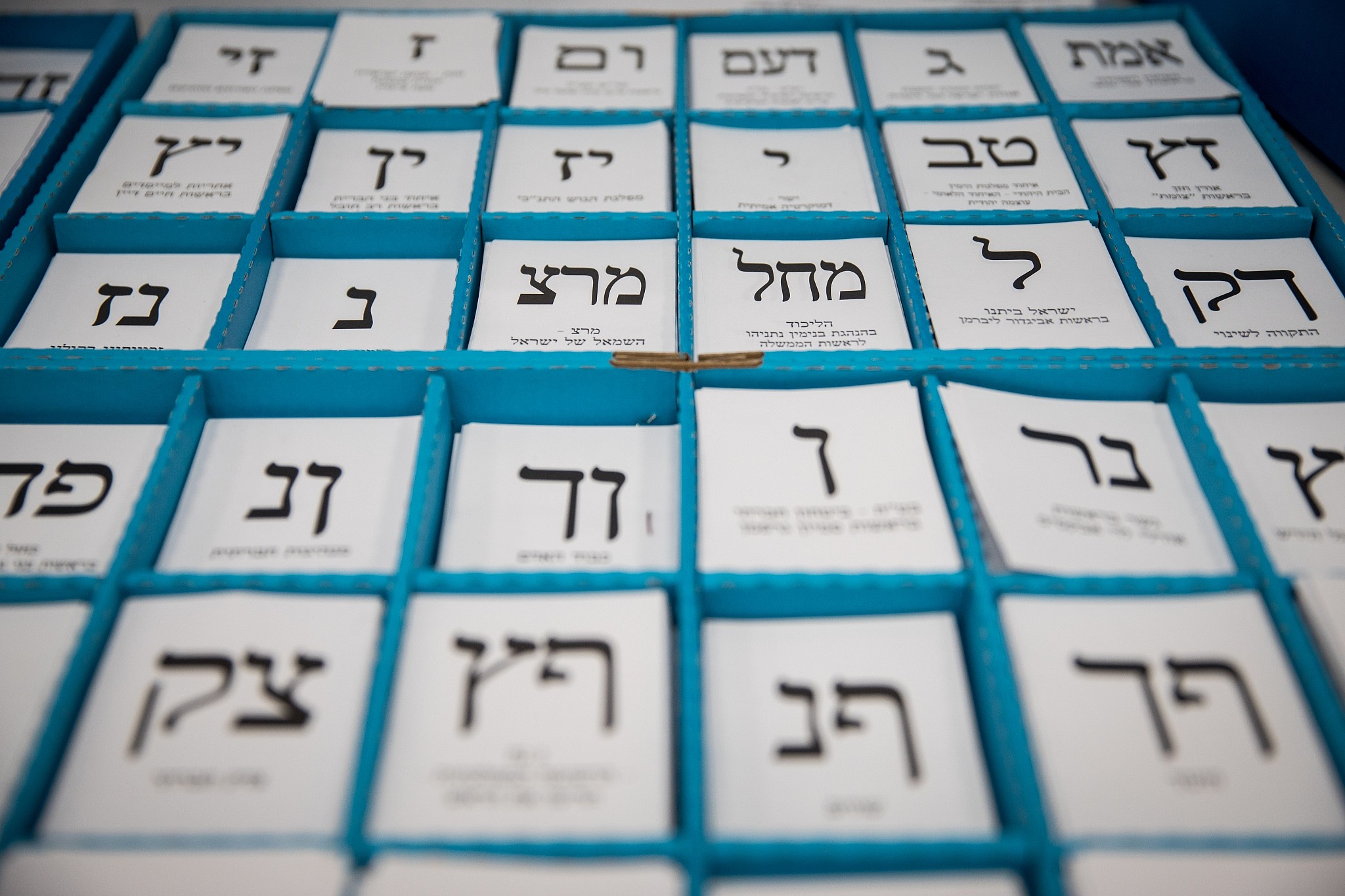
Nir argued that sample sizes of 600 respondents or less are too small to rely on, especially since they carry margins of error (typically around +/-4.2 percent) that are larger than the electoral threshold.
But a poll of 4,617 respondents he conducted prior to Winter’s campaign launch this week also found that Winter was most likely to cannibalize the pro-Netanyahu coalition rather than pull support from across the aisle.
“If you ask me, do you think that Winter may be a threat to Netanyahu’s bloc? The answer is overwhelmingly yes,” Nir said.
According to the pollster, a majority of Winter’s support is being drawn from Likud, Religious Zionism and Otzma Yehudit, with “a bit more than 40%” of those likely to vote for People of Israel in the next election having previously voted for the latter two parties.
Overall, he said, “69% of the people who intend or are considering voting for Winter come from [Netanyahu’s] bloc,” while “only 18% come from the liberal bloc.”

Beyond Winter’s People of Israel, several additional right-wing parties have been established in recent months that are also vying for the votes of right-wingers, many of them part of a so-called “Third Bloc” aimed at drawing votes away from Likud and forcing a compromise with Zionist opposition parties to create a broad Zionist unity government.
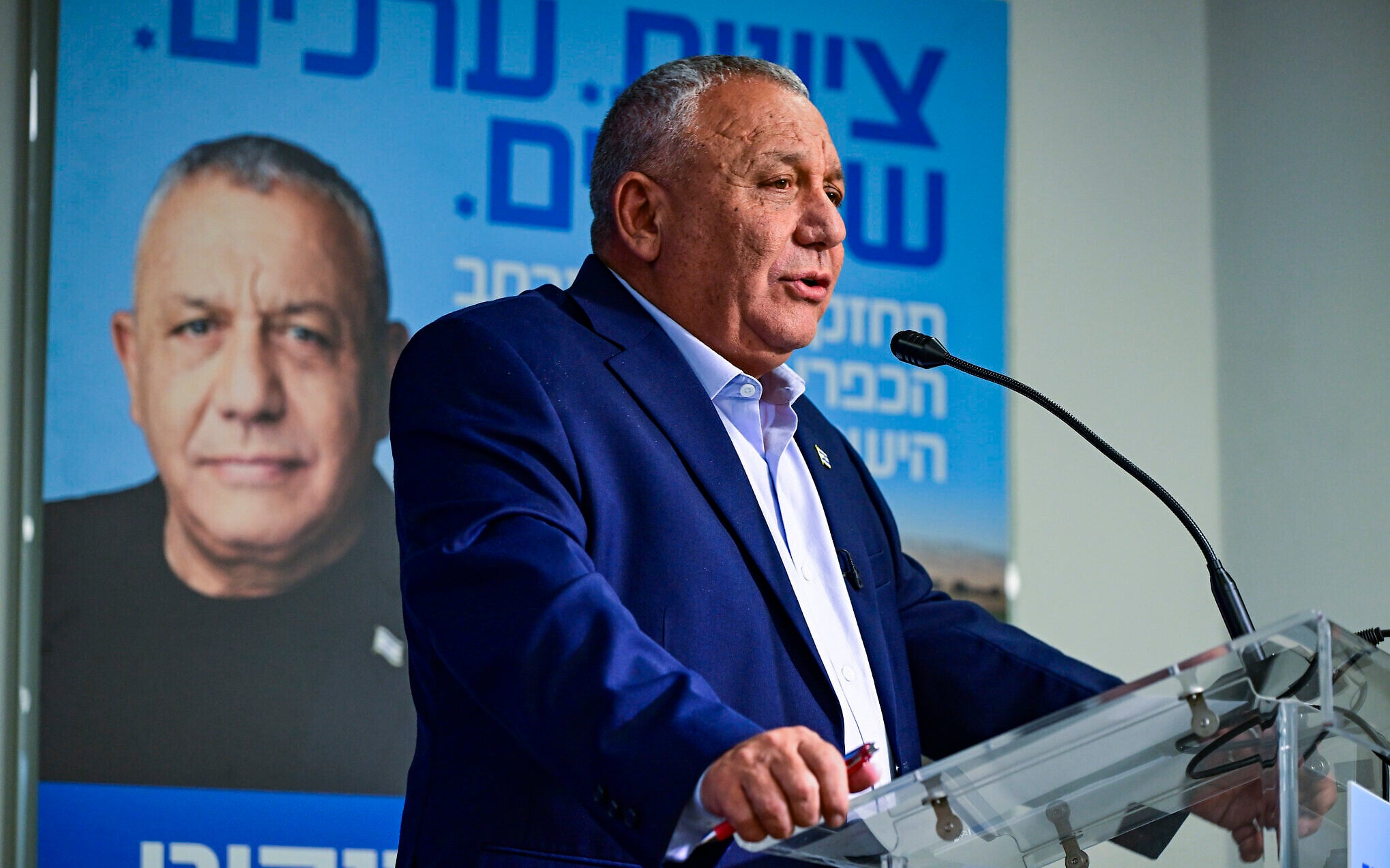
These include Sharren Haskel’s Israel First, Chili Tropper and Yoaz Hendel’s Zionist Home-The Reservists, and Gilad Erdan and Yuli Edelstein’s Unity. None of them are predicted to pass the electoral threshold, but all three can still siphon off enough votes to weaken parties backing Netanyahu.
The prime minister’s problems, though, go beyond contending with the splits within his own bloc: Likud is seen as bleeding support to Netanyahu’s rivals across the aisle. Likud won 32 seats in the last election but has only been garnering 22 to 24 seats in many recent polls.
According to public broadcaster Kan, the prime minister recently told associates that “we lost 10 seats, and I don’t know how to get them back,” and indicated that he believes his situation is even worse than shown by public opinion surveys. Likud rejected Kan’s report, dismissing it as “fake news.”
Should the Third Bloc parties merge with each other, they could split off even more disaffected voters from Netanyahu’s camp, including the more than 40% of Likud voters who, as of May, were either considering or had decided to back a different party in the fall Knesset elections.
According to Channel 12, Erdan met Wednesday with Blue and White chairman Benny Gantz, whose party is also seen falling below the threshold, regarding a potential merger ahead of the October 27 election.
In a post on Telegram, Israel Hayom political reporter Bini Aschkenasy said the meeting came after two weeks of texting between Gantz and Erdan, and ended well, with both sides agreeing to another sit-down soon.

Speaking with The Times of Israel on Wednesday, Erdan’s political partner Yuli Edelstein said there are “no ongoing… negotiations right now because unfortunately, as we all know, in politics for some reason everything [is delayed until] the end of the game, and I’m sure that the serious contacts will be somewhere in the beginning of September, and the agreements will be signed in the best case on September 6.”
The deadline for parties to submit their official electoral slates is September 8.
However, Edelstein said, “it doesn’t mean that we can’t talk to each other or write to each other or meet each other for a cup of coffee, but the negotiations, I’m honestly telling you, will happen in a week from now, something like that. Not just us; all the parties will really start talking when push comes to shove.”









The Times of Israel Community.