

 From the Liveblog of
Monday, July 6, 2026
From the Liveblog of
Monday, July 6, 2026
Analysts say Tehran crowd sizes don’t necessarily show vast popular support for regime
 Add ToI as a Preferred Source on Google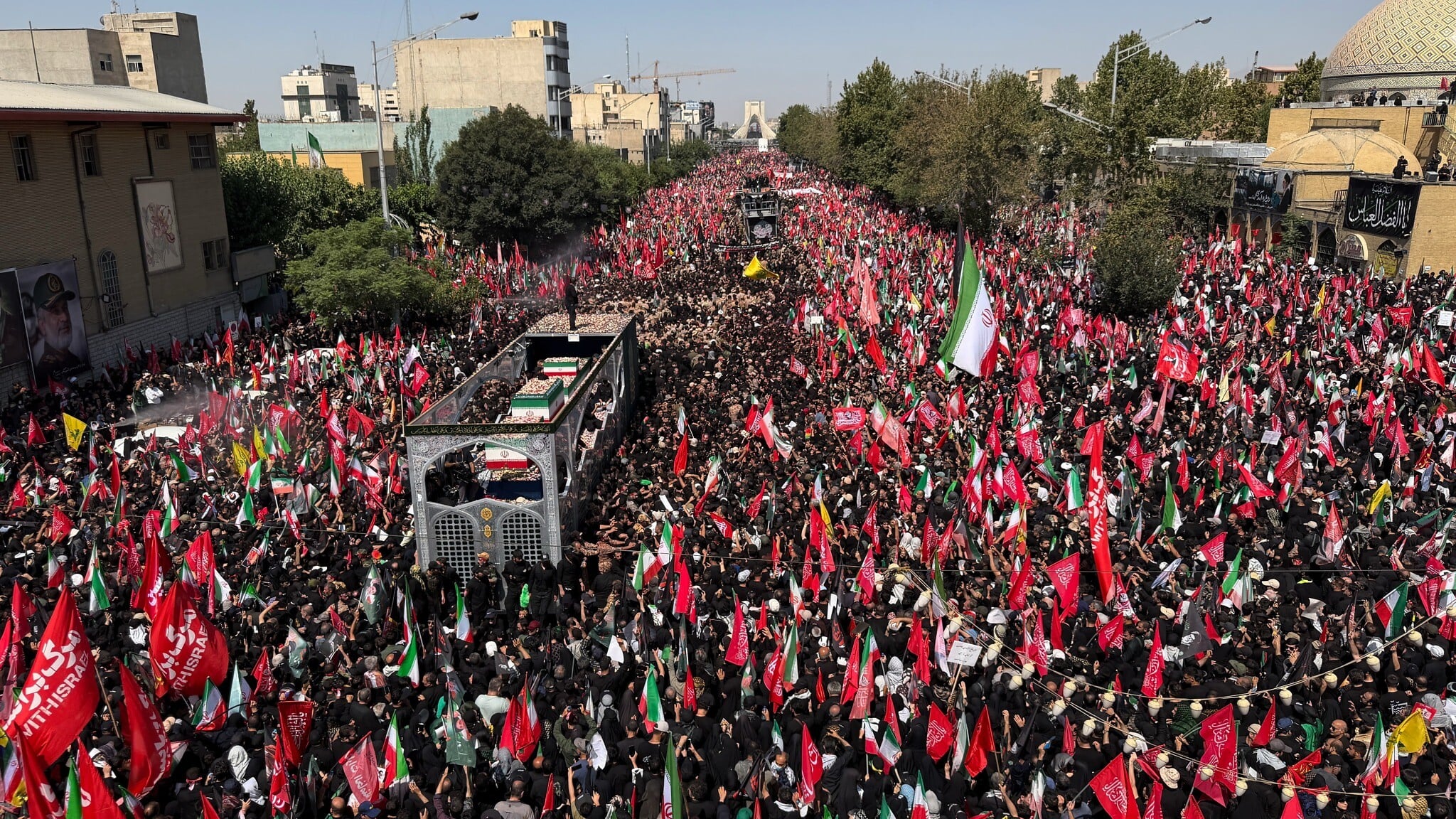
While Tehran is filled with mourners today, analysts — and even senior Iranian officials — caution that the crowd size cannot be equated to a popular endorsement of continued theocratic rule.
“If anyone’s thinking this is a litmus test for the popularity of the Islamic Republic, history tells us otherwise. It’s a funeral, and Iranians do funerals very well,” says Ali Ansari, professor of modern history at St. Andrews University in Scotland.
Reuters spoke to people attending the rallies who said they were only there as spectators or were motivated by a sense of religious duty in a country of strong Shi’ite Muslim tradition, rather than to display political allegiance.
“My attendance does not mean that I am pro-regime, this big event happened in my country and I wanted to witness history,” says Hamidreza, 63, a retired teacher in Tehran who says he always attends funerals of major national figures and asks to withhold his family name.
Reuters was not able to immediately verify crowd number, though drone footage appears to show hundreds of thousands of people.
The authorities can count on a steady base of ideological support that analysts often put at around 15-20% of the population of 93 million, based on support for hardline candidates in elections. During the last presidential vote in 2024, the hardline candidate Saeed Jalili received around 13.5 million votes.
The funeral is a rare national event — the first of a supreme leader since 1989, when Khamenei’s predecessor Ayatollah Ruhollah Khomeini, the father of the 1979 revolution, was buried at a moment of high ideological fervor. His burial, two days after his death, drew millions of people in scenes that sometimes verged on chaos.
Khamenei, killed on February 28, could not be buried sooner because of the war, despite Islamic requirements for a swift funeral. But the delay has also given time for the authorities to plan a major state occasion.
This week’s events are also the first public commemorations since the end of a war that supporters of the Islamic Republic saw as existential.
“If we do not respect our leaders, the world will not respect us,” says Houshang Dabiri, 51, explaining why he traveled to Tehran from Shiraz for the funeral.
One senior source acknowledges that people are attending for a variety of reasons, including religious duty and backing for the state, and that many of those on the streets are the same people who always attend demonstrations arranged by the authorities to back official campaigns and policies.








The Times of Israel Community.