

 From
From Naftali Bennett says first move as PM would be Basic Law to term-limit premier
 Add ToI as a Preferred Source on Google
Sam Sokol is a former political correspondent at The Times of Israel. He was previously a reporter for the Jerusalem Post, Jewish Telegraphic Agency and Haaretz. He is the author of "Putin’s Hybrid War and the Jews"
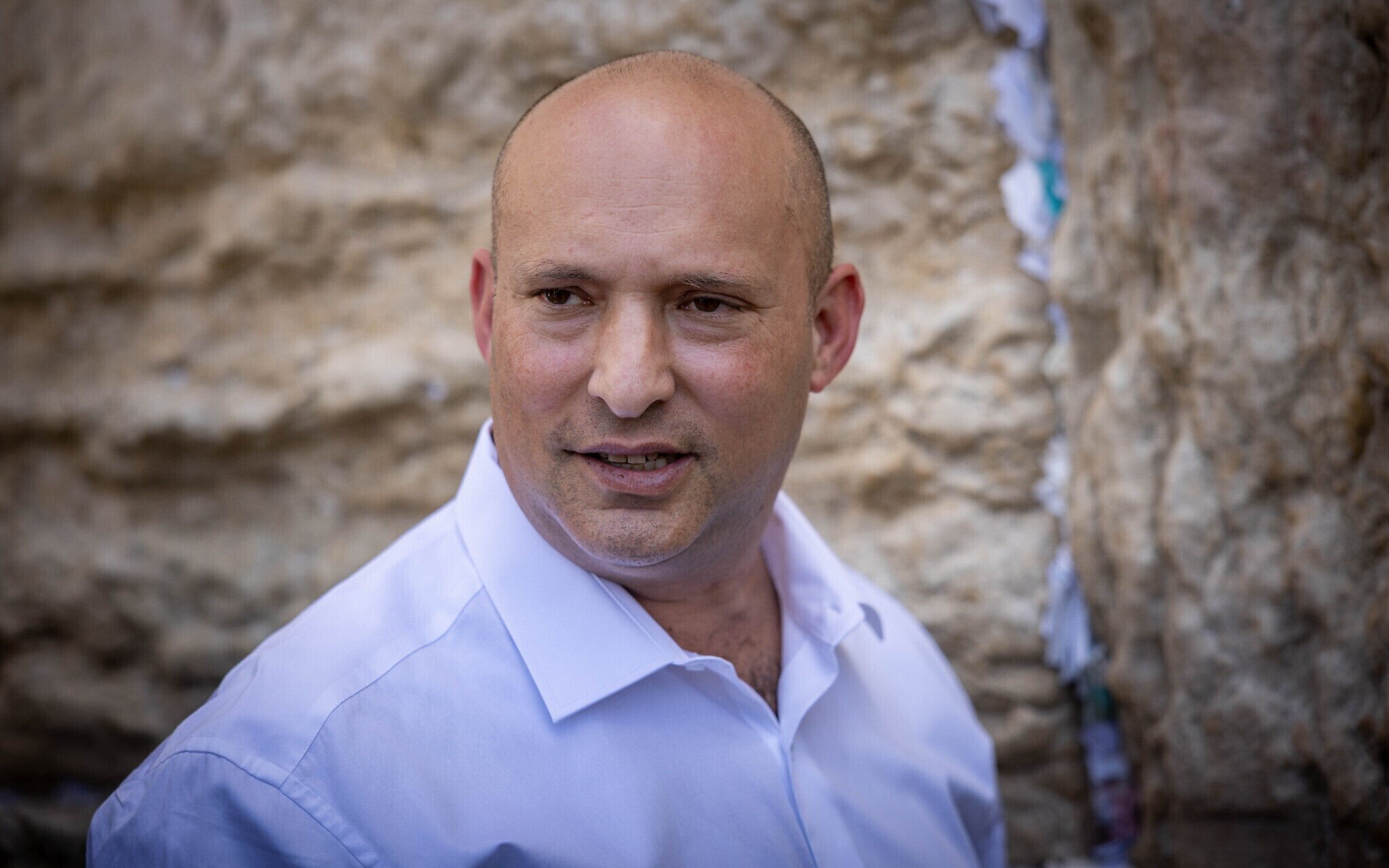
Former prime minister Naftali Bennett says that the first discussion of his cabinet, should he win the next election, will deal with advancing a Basic Law limiting premiers to two terms.
In a statement, Bennett’s spokesman says that supporting this legislation, which will be part of a larger national “stabilization plan,” will be included in all coalition agreements and serve — alongside agreeing to the establishment of a state commission of inquiry into October 7 — as a precondition for joining the government.
According to Bennett’s proposal, going forward, prime ministers will be limited to either two terms or eight years in office, whichever is longer.
“The term of office will be considered consecutive even if the prime minister is temporarily incapacitated or if less than 4 years have passed between terms of office” and a prime minister “will not be able to run again until after an 8-year cooling-off period,” the statement says, adding that “if, during a term, the prime minister reaches the maximum term of office, he will be permitted to complete the full term until a new government is formed.”
Bennett’s position appears in line with a recent term limit plan advanced by Yisrael Beytenu chairman Avidgor Liberman in a proposed “document of principles and guidelines” containing a raft of social, security and economic measures intended to guide the next government.
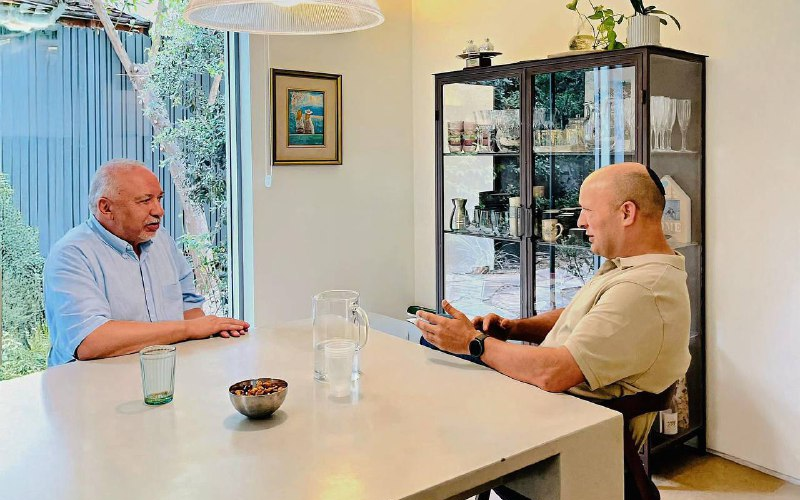
Liberman has demanded the passage of a constitution that would “enshrine the principles of democratic governance, human rights, and the separation of powers, limit the prime minister’s term to two terms, reduce the number of ministers, and mandate the sharing of the burden” of military service.
Both Bennett and Liberman are set to attend a meeting of the leaders of the so-called “change bloc” on October 8.
During a previous meeting last week, which Bennett did not attend for personal reasons, the leaders of the bloc announced that they were establishing a “permanent forum” aimed at bringing together the various factions opposed to Prime Minister Benjamin Netanyahu ahead of next year’s elections.
The bloc comprises right-wing, centrist and left-wing parties allied by their opposition to the current, hard-right Netanyahu-led coalition.






The Times of Israel Community.