

 From the Liveblog of
Friday, June 12, 2026
From the Liveblog of
Friday, June 12, 2026
UAE to reportedly unlock billions of dollars for Iran, in major shift
 Add ToI as a Preferred Source on Google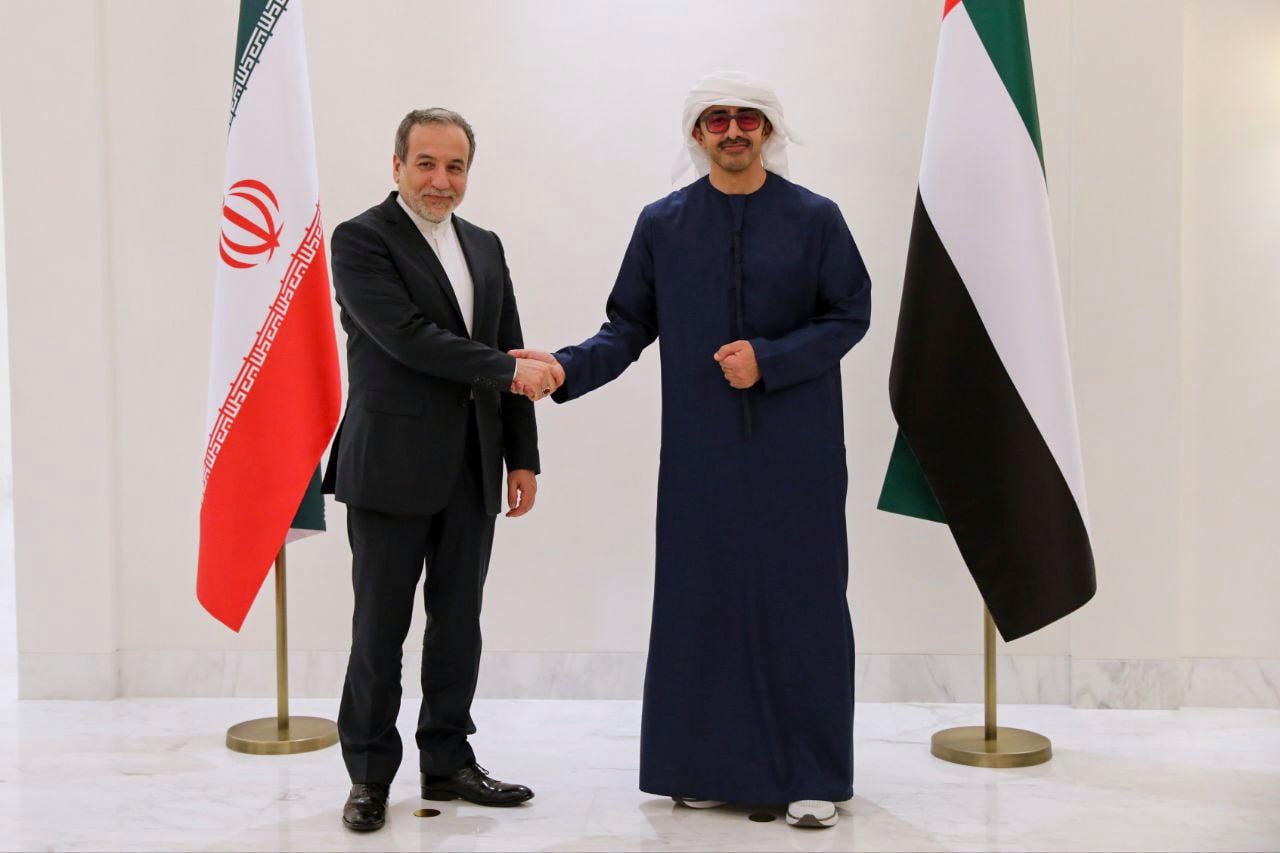
The United Arab Emirates has agreed to unlock billions of dollars for Iran, four sources says, in a tactical shift after weeks of Iranian attacks on the wealthy Gulf Arab state during the US-Israeli war with the Islamic Republic.
Word of the move, which has not been previously reported, coincides with the final stages of broader negotiations between Tehran and Washington on ending the war, talks that diplomats say could involve the release of tens of billions of dollars in Iranian oil revenues frozen in foreign banks under US sanctions.
Two regional sources tell Reuters the UAE has agreed to release a total of $10 billion, more than $3 billion of which had already been delivered.
Two other sources with knowledge of the arrangement put the total funds involved at $20 billion, adding that the move had been agreed in return for a halt to Iranian attacks on the UAE. One of the sources with knowledge of the arrangement also said a first tranche of $3 billion had already been made available.
Reuters cannot establish whether the funds earmarked for the transfers belong to the UAE or originate in long-blocked Iranian accounts in the UAE banking system, or elsewhere.
But a UAE official, asked to comment on the transfer, says the country is trying to ease tension and foster peace.
“The UAE’s foreign policy is guided by promoting de-escalation and reducing tensions across the region, while advancing lasting peace and stability,” the official says. “The UAE supports efforts, including those undertaken by the United States, to protect the peoples of the region from the repercussions of conflict.”






The Times of Israel Community.