

 From the Liveblog of
Sunday, April 5, 2026
From the Liveblog of
Sunday, April 5, 2026
Wartime limits keep most away from Priestly Blessing at Western Wall
 Add ToI as a Preferred Source on Google
Rossella Tercatin is The Times of Israel's archaeology and religions reporter.
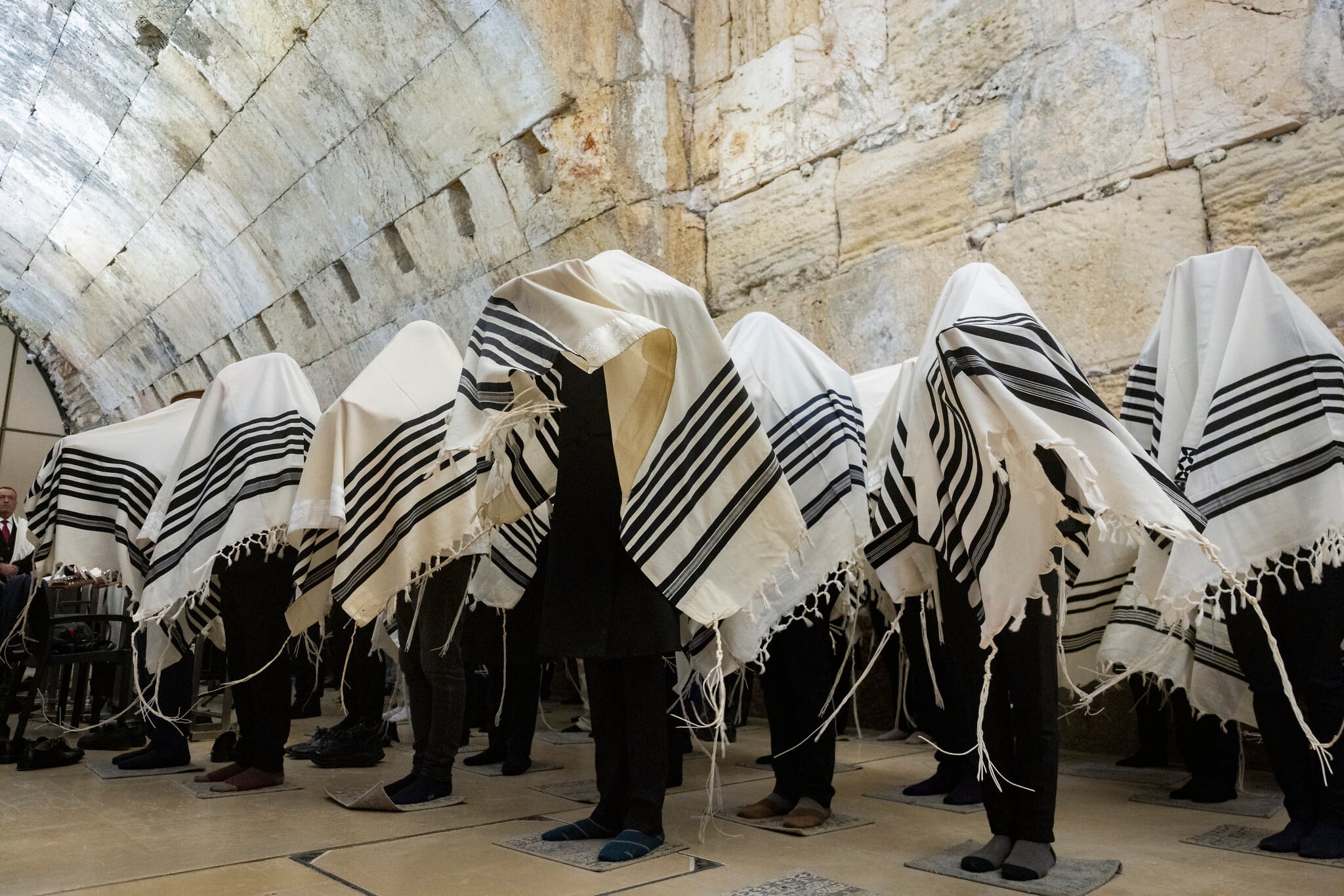
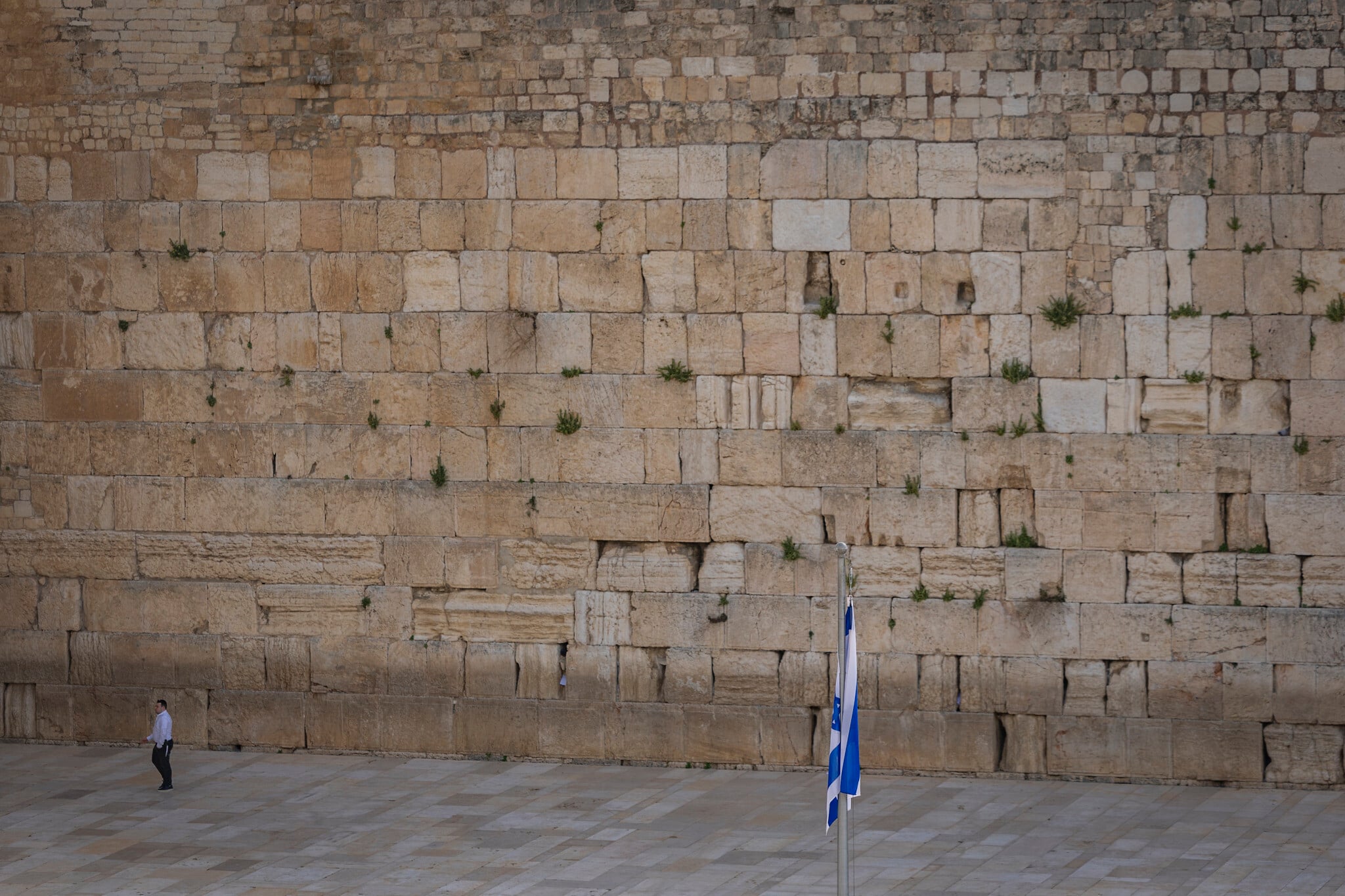
The Priestly Blessing rite takes place at the Western Wall in Jerusalem with only a few dozen attendees in a covered area, in a wartime departure from a holiday ceremony that generally draws tens of thousands to the Old City plaza.
With the Home Front Command restricting the size of gatherings, the Western Wall Heritage Foundation, the Israel Police, and the Jerusalem Municipality said last week that the service would include just 50 attendees, with others forced to watch the ceremony via live broadcast.
Among those attending in person are Jerusalem Mayor Moshe Lion and Chief Rabbis Kalman Ber and David Yosef.
Limits on gatherings and restrictions on religious rites have come under scrutiny in recent days. Last week, senior clergy were blocked from pre-Easter Christian services at the Church of the Holy Sepulchre, setting off an international firestorm; on Saturday, the High Court of Justice ordered police to protect the rights of protesters to gather even during wartime, but did not extend the protection to worshipers.
Minutes before the priestly blessing ceremony was about to begin, the Western Wall Heritage Foundation called for the Home Front Command to ease limits restricting attendance at the Western Wall plaza.
“I find it difficult to understand why the right to protest is perceived as more important or more urgent than the right to pray,” foundation head Rabbi Shmuel Rabinowitz said.
“The Western Wall is the beating heart of the Jewish people,” he added. “If the security reality permits hundreds of people to gather in public squares for demonstrations, all the more so it should allow Jews to assemble at the Western Wall Plaza.”
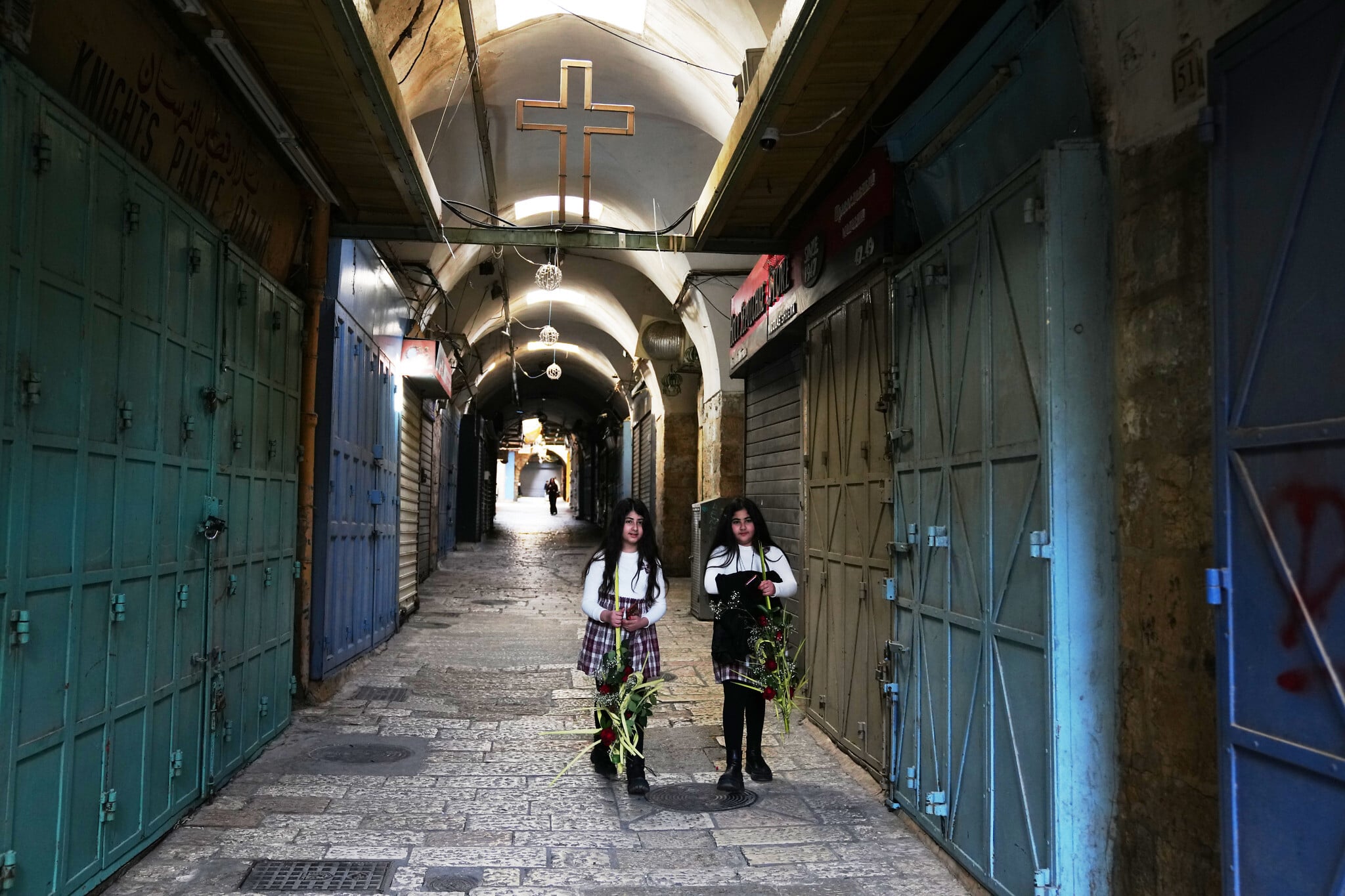
At the Holy Sepulchre, Catholics and several other Christian denominations are marking Easter, with no public attendance and only a limited number of clergy.







The Times of Israel Community.