

Nearly all US Senate Democrats write Netanyahu to demand action on ‘fatal’ settler violence
Letter drafted by Schumer, Schiff and Booker, signed by all but 2 of 47-member caucus, calls for removing illegal outposts and stepping up probes of killings of US citizens
 Add ToI as a Preferred Source on Google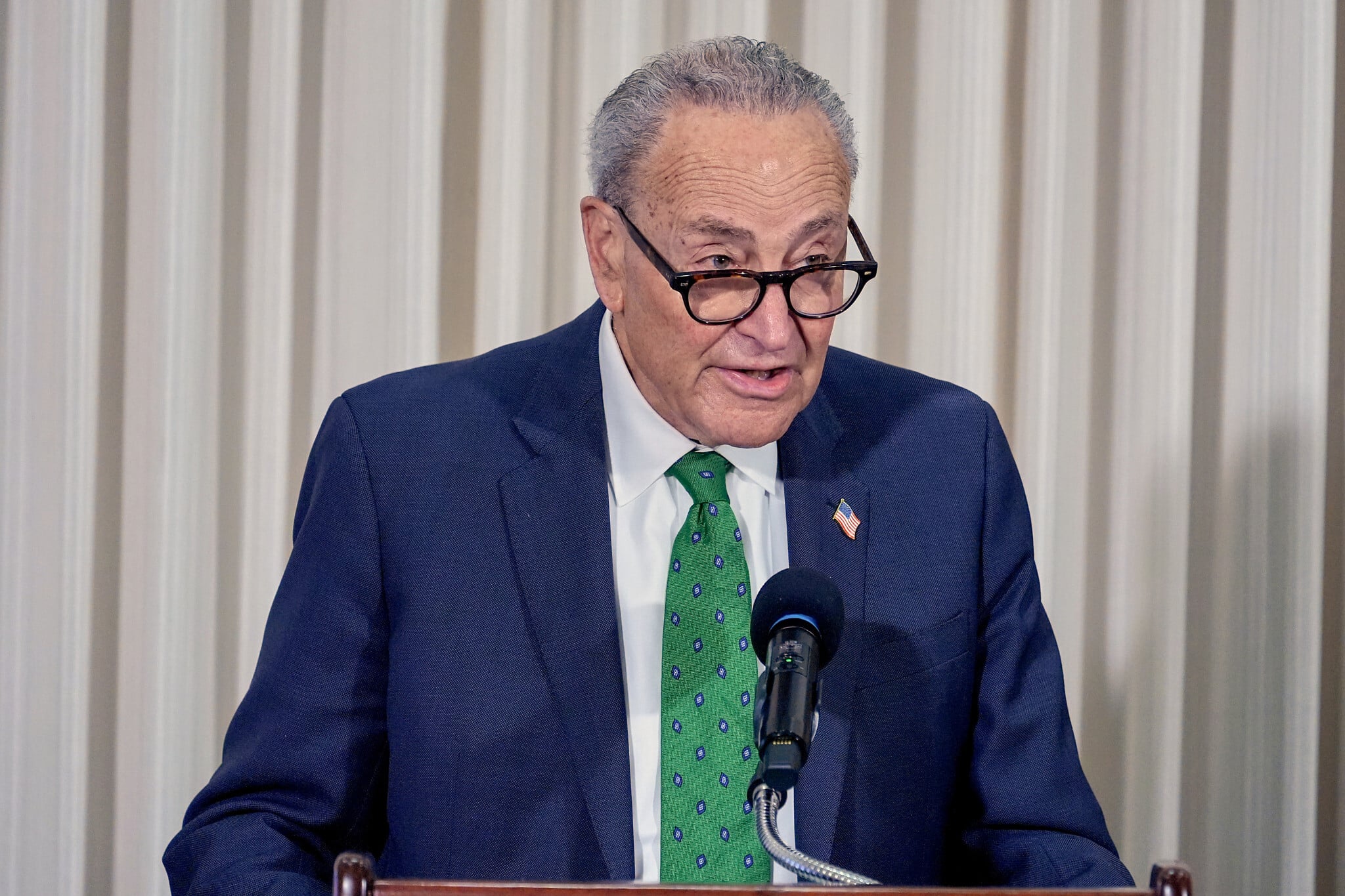
US Senate Democrats on Wednesday urged Prime Minister Benjamin Netanyahu to rein in a “surge” of violence by West Bank settlers as well as mass arrests of Palestinians by Israeli security forces in the territory.
In the letter to Netanyahu, seen by Reuters and signed by 45 of the Senate’s 47-member Democratic caucus, the lawmakers noted increasing levels of “fatal violence by settlers.”
They also appealed to Israel’s leader to step up investigations into the deaths of nine American citizens they said have been killed by Israeli settlers or security forces in the West Bank since 2022.
The “significant surge” of violence in recent weeks has resulted in “a large-scale response by Israeli security forces, mass arrests of Palestinians, and reported attacks by settlers on mosques,” the letter stated.
The letter marks the latest sign of growing friction between the Israeli government and US Democrats in Washington and beyond over Israel’s handling of the West Bank, with many in the party also calling for curbs on US military aid to Israel over its conduct in the wars in Gaza. Polls show the vast majority of rank-and-file Democrats view Israel unfavorably.
In April, 40 out of the Senate’s 47 Democrats voted to block some weapons sales to Israel, though the measures failed.
The letter was drafted by Senator Adam Schiff of California, Senator Cory Booker of New Jersey and Democratic Leader Chuck Schumer of New York, long one of Israel’s most prominent supporters in Congress. Schumer and Schiff are Jewish, and Booker has long been known for his close ties to the Jewish community.
The senators urged Netanyahu to issue clear instructions to Israeli police and military to prevent, and intervene in, violent West Bank confrontations “regardless of the perpetrators.”
The letter also called on the Israeli government to stop approving additional settlements and construction of “illegal outposts in the West Bank” and to take steps to remove existing outposts, which have generated repeated settler attacks on Palestinians.
The Israeli government provides some financial support to farming outposts, and more broadly has embarked on settlement expansion throughout the West Bank. Both supporters and opponents of that expansion say it is meant to prevent the establishment of a Palestinian state.
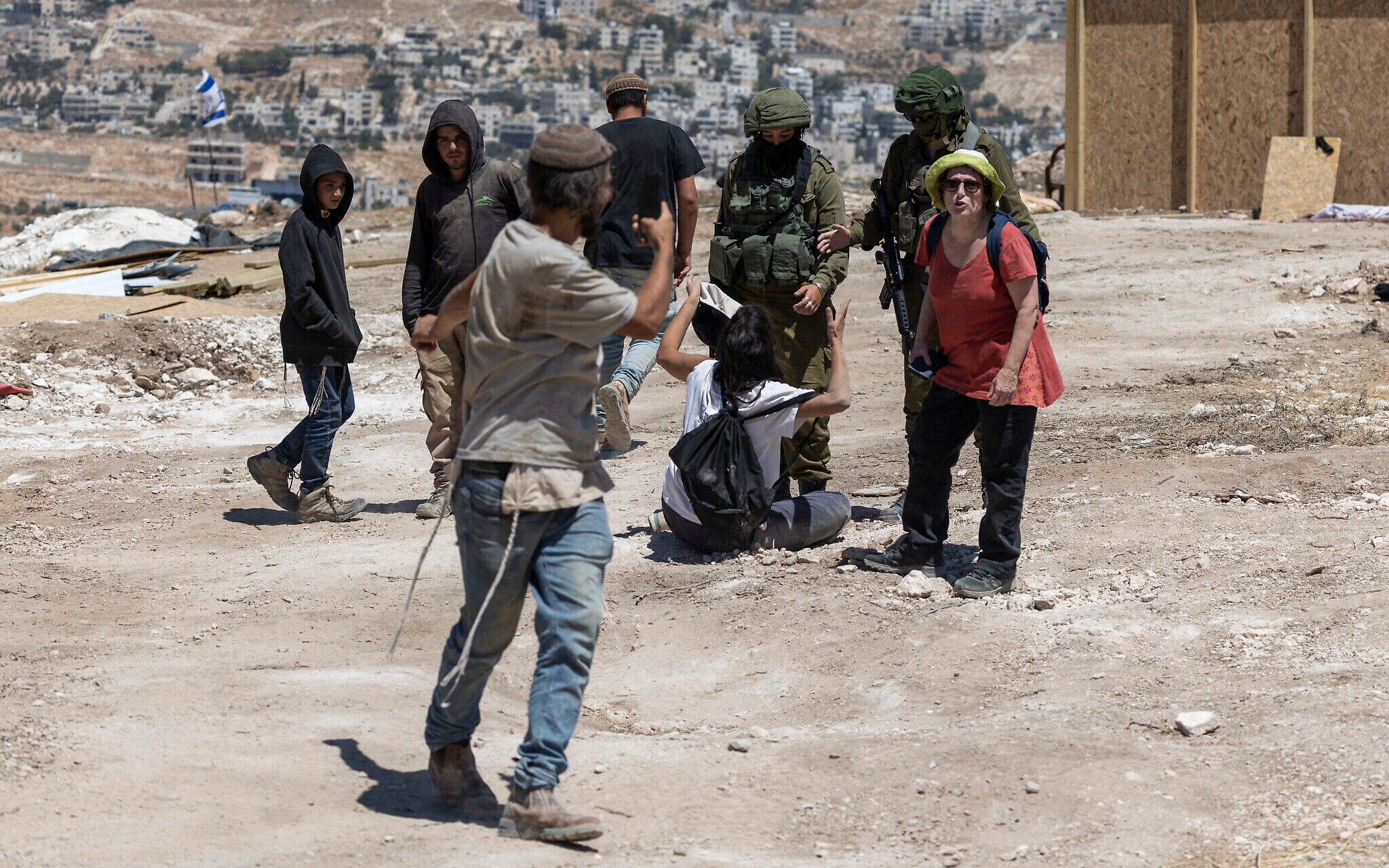
Settler violence has surged in recent months, with daily attacks and harassment. Prosecutions are rare, and critics accuse the IDF and Netanyahu’s right-wing government of condoning or even encouraging the violence.
Settlers in the area of the recently dismantled outpost Kochav Yair, near Jannatah in the southern West Bank, were filmed Sunday attacking activists and reporters as IDF troops who were present failed to arrest any of the attackers.
Jannata: Jewish terrorists are attacking our activists. Terrorists sprayed them with pepper spray, beat a 70-year-old activist, smashed the windows of four vehicles, and slashed their tires. Soldiers stood by and watched. The police arrived only hours after the attack had ended. pic.twitter.com/zeQjjpEiWL
— Rabbis for Human Rights (@rabbis4HR) August 25, 2026
On Friday, the coordinator of a settlement security squad shot dead a Palestinian teenager after a group of settlers illegally entered an area on the outskirts of Sa’ir, a Palestinian village farther south, sparking a clash between the settlers and Palestinians.
US President Donald Trump has said little about the situation in the West Bank.
His ambassador to Israel, Mike Huckabee, has denounced extremist settlers as “Israeli terrorists” and told Reuters this month that those responsible for besieging a pair of homes in the northern West Bank village of Qusra could face US sanctions. But he has also defended settlements writ large, saying those committing violence are “unsettlers” who do not represent the broader movement.







The Times of Israel Community.