

Netanyahu ambushes IDF chief in effort to drag the military into his election campaign
A surprise summons by the PM of the IDF’s top brass for a situation assessment was designed to generate negative headlines against the military, after it warned him that the West Bank is boiling

 Add ToI as a Preferred Source on Google
Benjamin Netanyahu has served as prime minister for a total of nearly 20 years across three decades. He knows Israel’s diplomatic and security schedule inside out: cabinet meetings take place on Sunday mornings, the IDF chief of staff regularly attends the army’s General Staff Forum on Mondays, and on Thursdays, the prime minister makes time for his weekly situation assessment with the military chief and the defense minister.
That weekly situation assessment includes a regular briefing known as the “intelligence and sorties” discussion. This is essentially a code name for approving military operations for the coming week, some of which require the prime minister’s direct authorization.
Why is it important to outline the weekly schedule of Israel’s political and security leadership? Because it explains the ambush the prime minister laid for the chief of staff this past Monday.
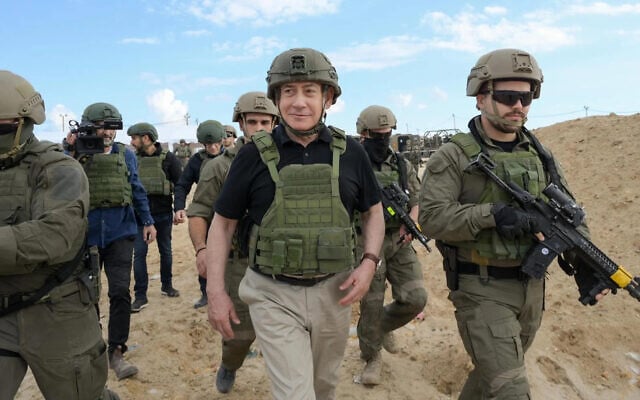
That morning, IDF Chief of Staff Eyal Zamir was preparing for the weekly General Staff meeting in his Tel Aviv office. At 10 a.m., Zamir’s office received sudden word that the prime minister would arrive at noon for a situation assessment at Central Command, the military headquarters in northern Jerusalem responsible for the West Bank. It was a meeting called with zero notice and under no operational urgency whatsoever.
The General Staff meeting was promptly dispersed. Zamir took Operations Directorate head Maj. Gen. Itzik Cohen and Central Command chief Maj. Gen. Avi Bluth, and they rushed to Jerusalem. On the way, Judea and Samaria Division commander Brig. Gen. Kobi Heller was also instructed to attend.
The discussion scheduled for noon began at 1 p.m., because Defense Minister Israel Katz had also been caught by surprise, and it took him time to reach the Central Command conference room.
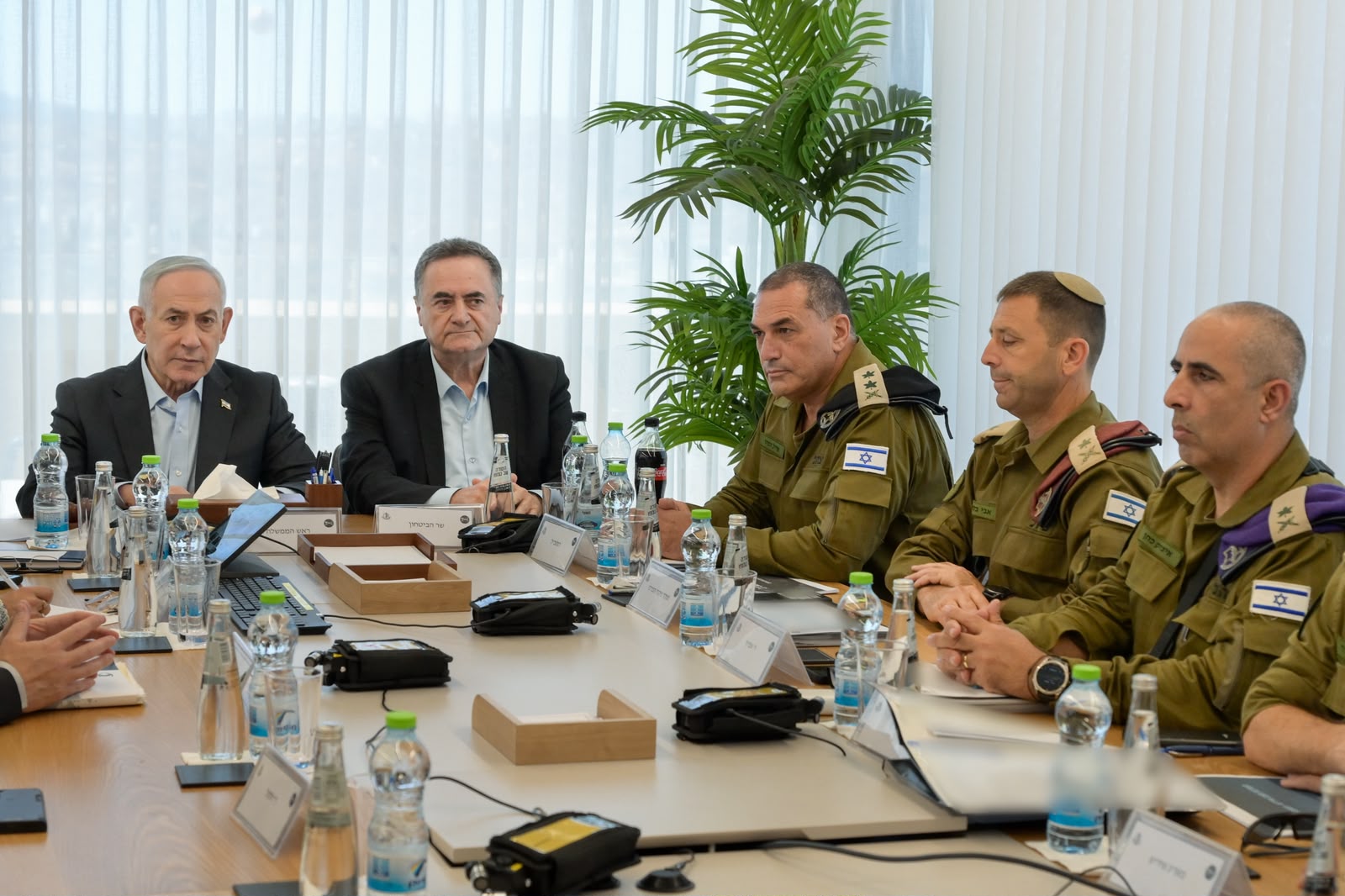
The headline that subsequently leaked from the meeting said: “The chief of staff arrived unprepared.”
According to a source present at the discussion who spoke with The Times of Israel on condition of anonymity, when Netanyahu asked Zamir what would happen in the event of a “reversal of the situation” in the West Bank – the military’s code name for the outbreak of an armed intifada – the chief of staff replied that the IDF had a plan ready, but presenting it required a separate discussion for which the military would need to prepare. According to the source, the prime minister nodded and ordered that such a meeting be scheduled.
But it is important to understand what preceded the prime minister’s question. From the start of a briefing by Bluth, Netanyahu appeared uncomfortable with what he was hearing from the general. He was presented with “the paradox” – the IDF’s internal term for the current situation in the West Bank.
This paradox represents a reality the IDF has never encountered before. On one hand, organized Palestinian terrorism by Hamas and other armed groups has been in steady decline – some would argue it is at one of its lowest levels in recent years. On the other hand, the territory is simmering because of what Palestinians perceive as Israeli foot-dragging in addressing settler violence, viewing silence from the political leadership as a green light for far-right extremists’ rampages.
That is why the IDF delivered a clear strategic warning to the political leadership early last week: the West Bank is on the verge of boiling over, and there is a high probability that a localized incident could trigger a new intifada.
Following such a stark, documented warning, the prime minister will no longer be able to use his infamous political defense, “No one tugged at my coat” – the exact phrase he deployed after the deadly 2021 Mount Meron crowd crush, and similar to his claims after the October 7 intelligence failures – meant to deflect personal responsibility and claim no security official had explicitly warned him of the impending catastrophe.
That is likely why Netanyahu waited a week after that tense discussion, in which he received an explicit warning of a potential war – on Sunday, ten days ago – before springing his unplanned visit on Central Command. What was he hoping to achieve? It remains unclear. It is far from certain that the headline “The chief of staff was unprepared,” deliberately leaked by the political echelon, actually serves Netanyahu’s interests.
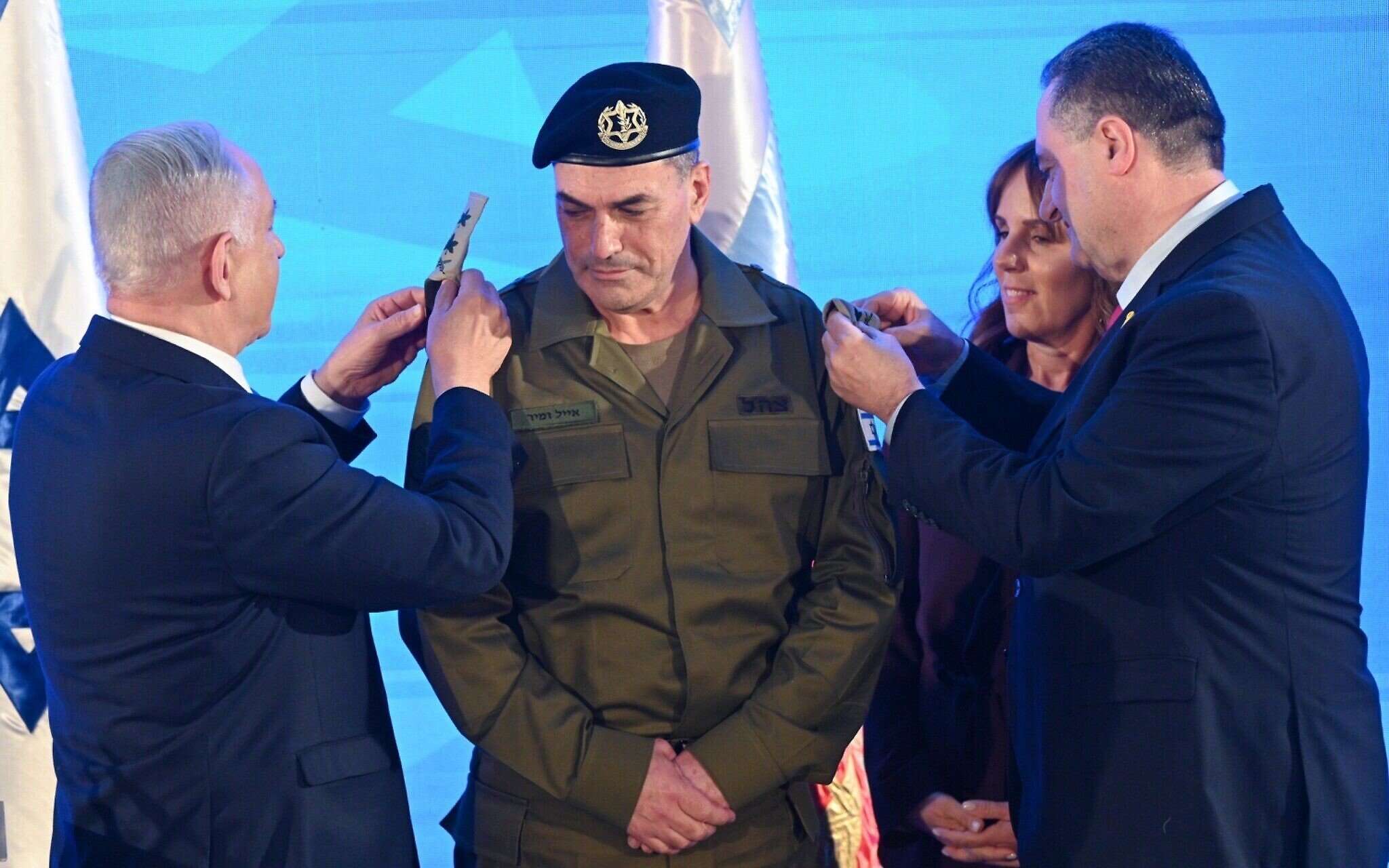
Zamir was handpicked for the job by Netanyahu, who even declared at the change-of-command ceremony with Herzi Halevi, “The time of the nightingale has arrived,” playing on the literal translation of Zamir’s surname.
Zamir is widely viewed as a chief of staff who has led the IDF to impressive military achievements in Iran, stabilized the arenas in Lebanon and the Gaza Strip, and managed to maintain relative calm in the West Bank.
None of those military achievements have been translated by the political leadership into a new security reality. When Zamir has been asked in private discussions whether he fears being fired, he has repeatedly replied with the Arabic expression “Tfadal” – go right ahead.
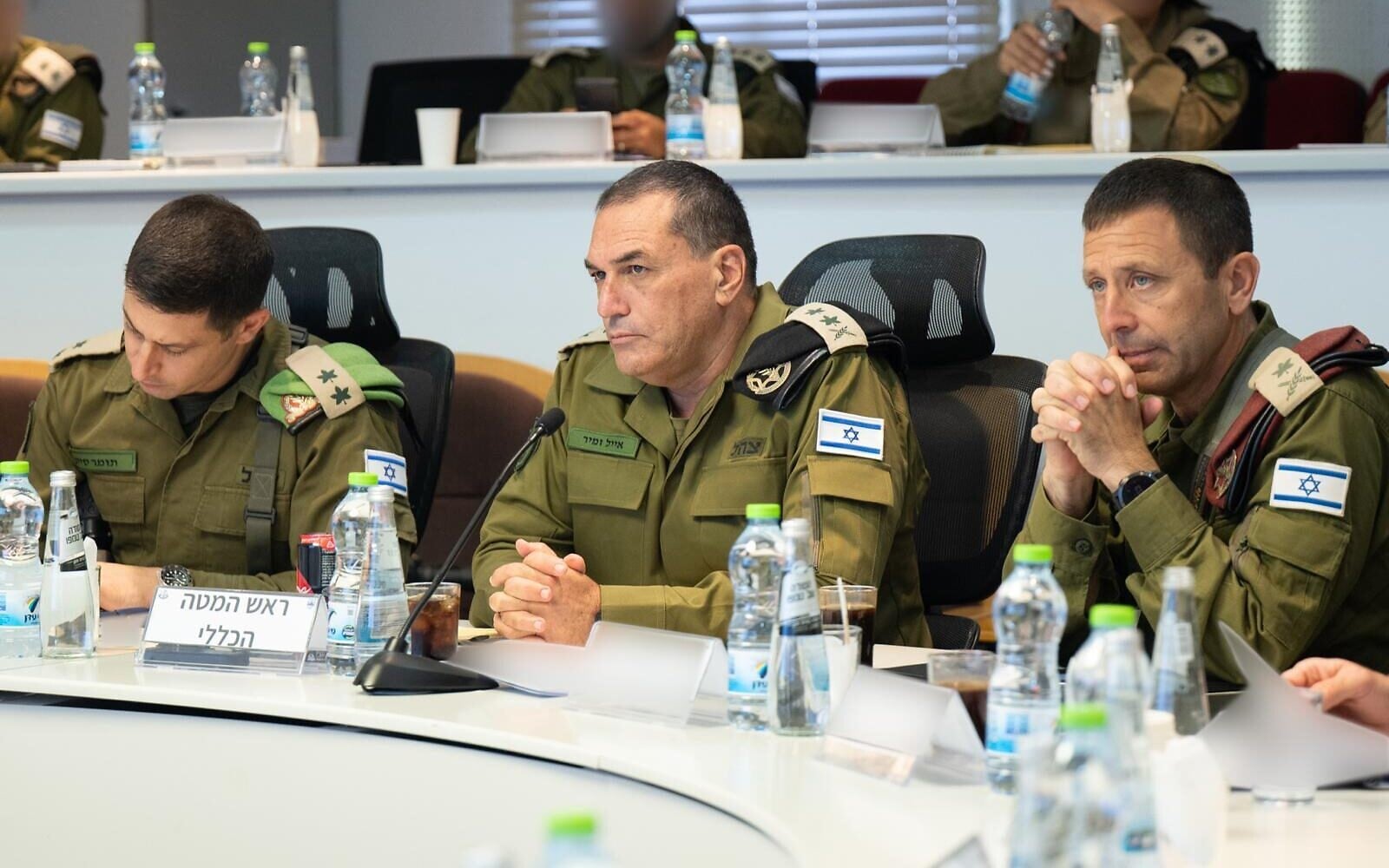
Amid the frenetic political campaign the Prime Minister’s Office has been conducting ahead of the coming election, the IDF and its chief of staff have also found themselves in the crosshairs. But it is not at all clear that attacking two institutions most of the public desperately wants to keep within the national consensus advances the prime minister’s political objectives.
Within the IDF’s top ranks, officials have recently been discussing the blatant attempts to drag the military into the election campaign. This is happening primarily as part of the fierce battle for right-wing votes.
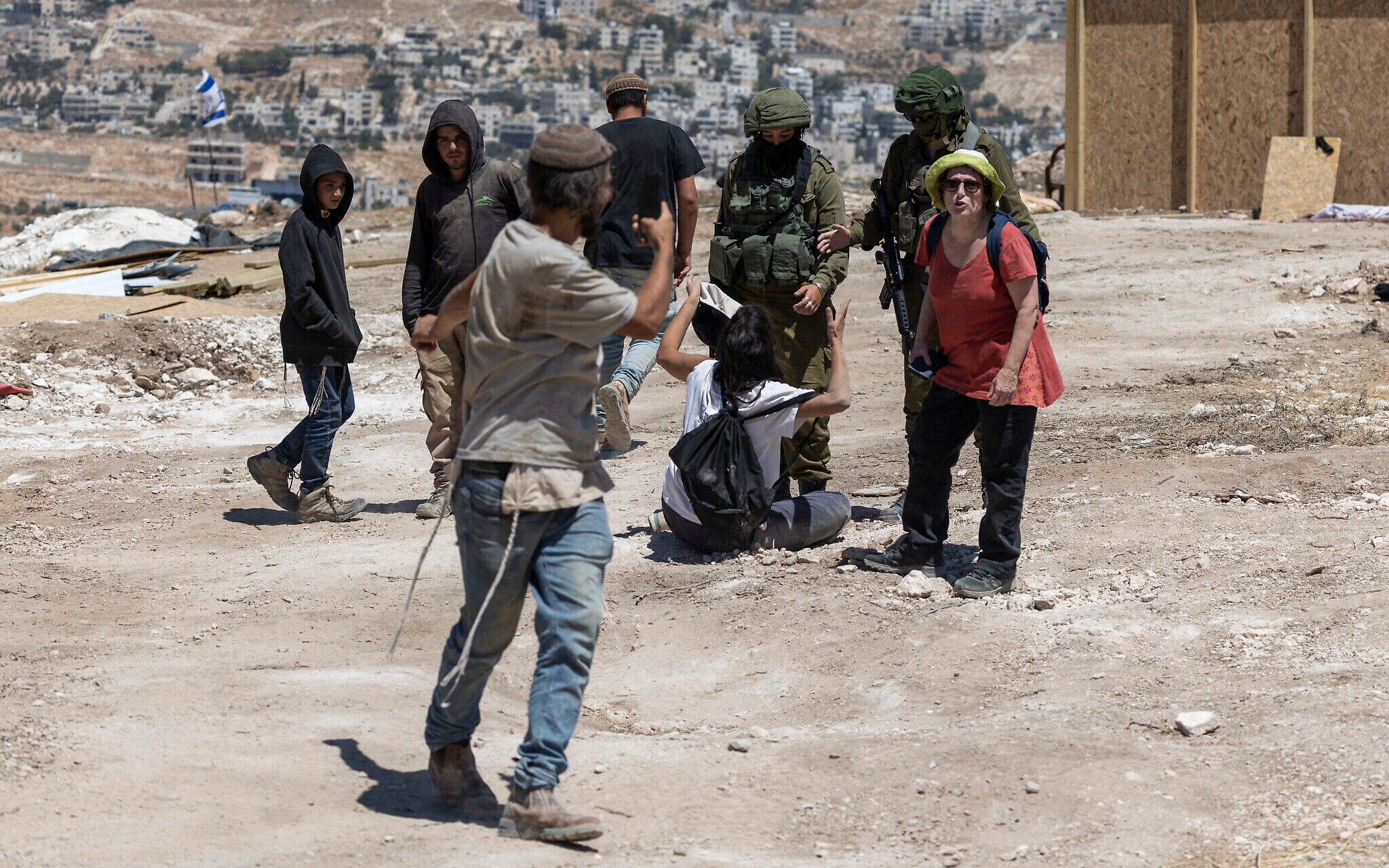
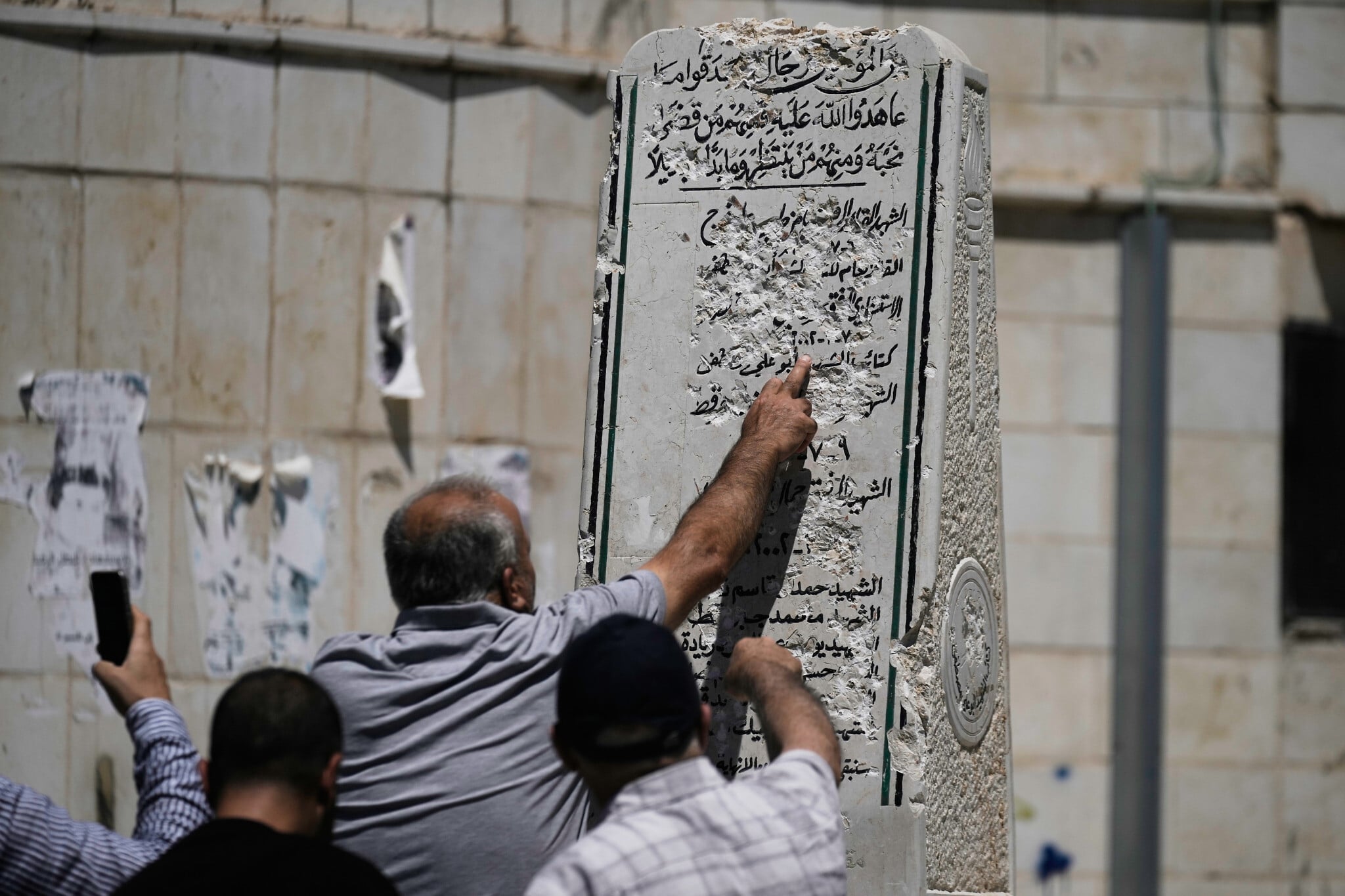
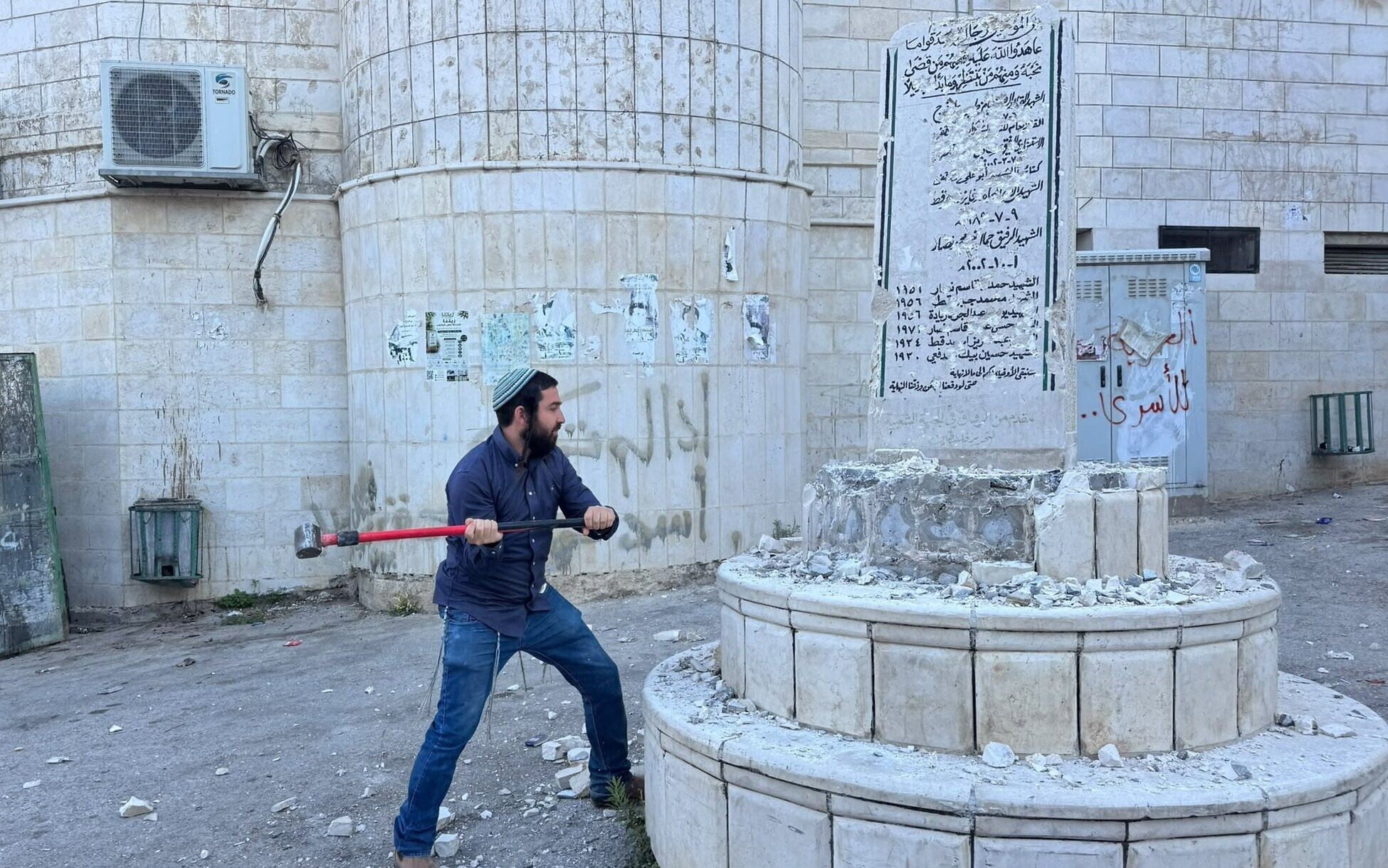
It was no coincidence that Samaria Regional Brigade commander Col. David Cohen did not hesitate on Tuesday morning when confronting far-right MK Zvi Sukkot, ordering him removed from the Palestinian village of Madama, where he was smashing a Palestinian “Martyrs Monument” while escorted by IDF troops, despite his parliamentary immunity.
Under Israeli law, this immunity grants lawmakers virtually unrestricted movement – a loophole far-right politicians frequently weaponize to stage political stunts in friction points, forcing the IDF to divert combat troops from operational duties in order to protect them. On this issue, the spirit of the IDF command is clear, due in no small part to Zamir’s firm stance.
A senior security official who is intimately familiar with the reality in the West Bank made a stark statement to The Times of Israel this week: “In Central Command, there is no police, and there is no Shin Bet.” In other words: the IDF has to contend alone with the chaotic reality of no law and no order. This is a reality the IDF refuses to discuss publicly out of a sense of national responsibility, but one it is forced to confront every single day.
This week, a delegation of congressional staffers from the United States arrived in Israel. A source who attended one of their meetings described a highly troubling atmosphere. The Americans showed their Israeli hosts videos being sent to members of Congress straight from the West Bank. One of the most difficult allegations the Israelis struggled to answer was that violent Jewish militias are operating in the West Bank, attacking Palestinians under the protection of the IDF.
The viral footage showing MK Sukkot smashing the memorial in Madama left very little room for Israeli explanations. It was difficult to convince the Americans that Sukkot had lied about his intentions and forced the visit upon the IDF, as the military had stated in a statement on Tuesday morning.
It turns out that the lawmaker had submitted his official request to visit the memorials in several villages on August 12. The IDF immediately understood that this was a politically explosive event and tried to persuade him to reconsider.
One proposal offered to Sukkot was to provide him with an updated report outlining the orderly process being conducted by the IDF and the Civil Administration against what are defined as “symbols of incitement.” Among other things, this includes demolishing monuments erected in honor of terrorists who carried out attacks against Israelis.
However, each such demolition is accompanied by an orderly legal procedure, which includes first obtaining an advisory opinion from an expert in international law.
The IDF understands the diplomatic volatility of such moves; therefore, this legal process is designed to prepare a defense against any future lawsuits before international tribunals to which Israel might be dragged.
Sukkot refused to accept the report and announced earlier this week that he intended to enter the village independently, accompanied only by a Knesset security guard. The IDF was left with no choice but to allocate a special force to protect him.
How that turned out – with Sukkot and his entourage smashing the stone monument with sledgehammers – the entire world has witnessed.








The Times of Israel Community.