

On its last day, a Knesset gripped by election fever
Hours before a vote that will see many lawmakers out of a job, passions flare over last-minute budget allocations to defense and settlements
 Add ToI as a Preferred Source on Google
Haviv Rettig Gur is The Times of Israel's senior analyst.
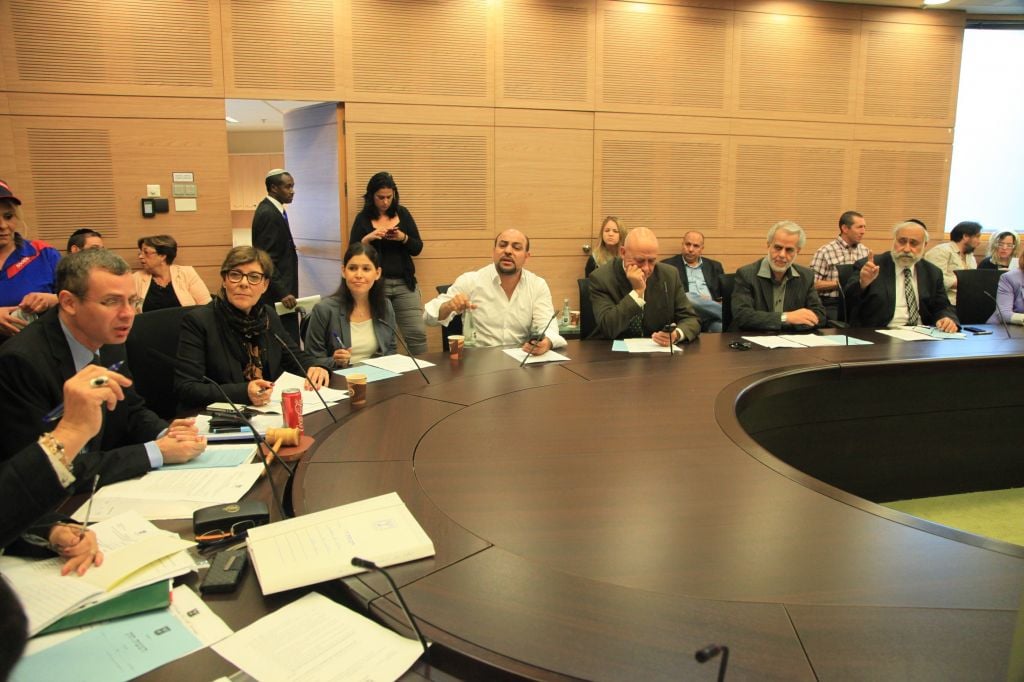
The 19th Knesset’s final day Monday began with a frenetic, emotional meeting of the Knesset Finance Committee. On the agenda, a simple matter: the long-planned funneling of some NIS 3.6 billion ($902 million) to the Defense Ministry.
The meeting constituted the final moment for corrections to the 2014 state budget. Once the Knesset dissolves Monday night, no legislation — and therefore no changes to the budgets of state agencies — can be passed. The Defense Ministry is still reeling from the outlays of Operation Protective Edge in Gaza over the summer, and without additional funds (of the NIS 7 billion the army has asked for, NIS 2.4 billion have already been transferred and 3.6 billion more were being voted on Monday) the IDF’s deployments and training regimen could take a hit. With elections slated for March 17, and then possibly weeks of negotiations before a coalition government is cobbled together, followed by weeks of budgetary debate in the new Knesset, it could be six months or more before the Defense Ministry has another chance to affect its 2015 budget.
The funds slated for transfer are surpluses: NIS 1.13 billion in unused budget reserves from the 2013 budgets of various ministries, and NIS 2.5 billion in unspent 2014 budgets.
But from the first moments of the debate, the Finance Committee devolved into chaos.
“We haven’t received any answers from the Treasury,” complained Labor MK Stav Shaffir of the last-minute transfers. “We got this transfer request at 6:50 a.m. this morning.”
“Allocation on the last day of the Knesset is theft. Taking reserves and sending them all to defense on the last day is something we can’t support,” declared Meretz’s Issawi Freij.

Some opposition lawmakers tried to ask questions of Treasury officials at the meeting, but the questions gave way to shouting matches even before officials could respond.
“NIS 211 million in unused spending on daycare centers needs explaining!” demanded Labor MK Erel Margalit.
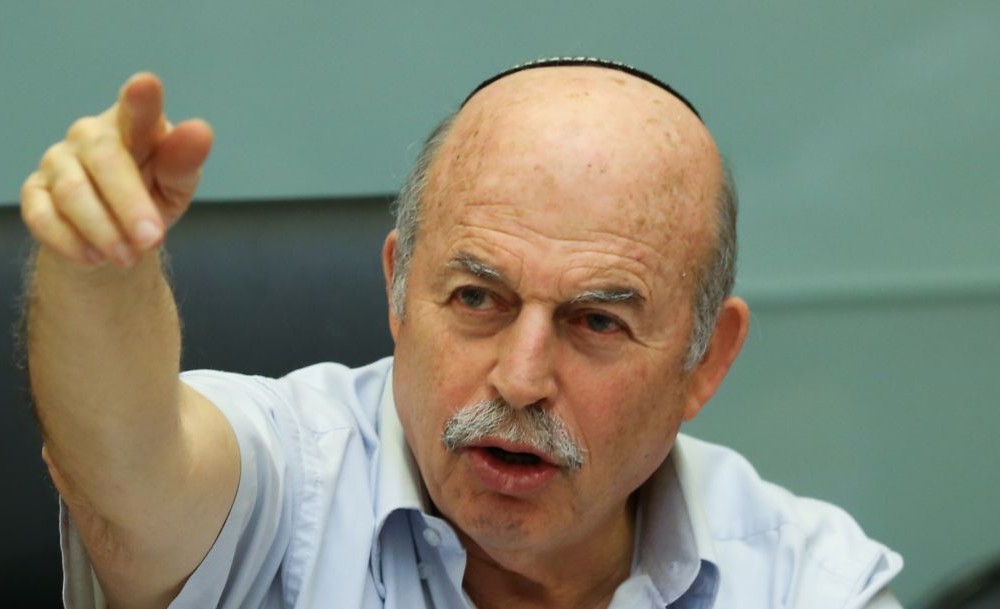
Meanwhile the committee’s chairman, MK Nissan Slomiansky of the coalition Jewish Home party, struggled to quiet the fuming parliamentarians, but his demand that each speak for just one minute elicited a new round of shouted protests.
As Shafir protest the lack of transparency, Slomiansky twice kicked her out of the meeting for 15 minutes, and finally booted her out altogether. “You’re forbidding opposition?” she protested, in one exchange broadcast on Army Radio, which put the sum being allocated for settlement needs in this eleventh-hour meeting at 130 million shekels.
“The opposition treats settlers like foreign intruders,” Slomiansky said. “They’re good Jews and this money is intended so they can live normal lives.”
In one exchange, MK Boaz Toporovsky, whose Yesh Atid party was summarily ejected from the coalition by Prime Minister Benjamin Netanyahu earlier this month, demanded to know why tens of millions of shekels were to be allocated to West Bank settlements.
“What are you asking? Your finance minister” — the erstwhile finance minister Yair Lapid, who heads Yesh Atid — “wrote this whole thing!” shouted United Torah Judaism MK Yaakov Litzman.
“Are you voting with the coalition?” demanded Toporovsky.
“I’ve heard explanations in the [Knesset’s Joint Committee on the] defense budget,” Litzman replied. “I will support these transfers.”
“Now we know,” shouted Toporovsky. “How does it feel to be in the coalition?”
“Where were you for the past two years?” retorted Litzman.
It was impossible to glean substantive information from the first two hours of the meeting, and the NIS 3.6 billion for defense wasn’t the only allocation the committee voted on Monday morning. Billions were taken from public transportation surpluses — a decision that amounted to “a disaster” for the poor, Hadash MK Dov Khenin shouted before being forcibly removed from the room. Freij, the Meretz MK, insisted that the committee’s votes on the transfers were “illegal,” but the committee’s legal adviser was on hand to assure MKs the votes were perfectly legal.

But the circus of denunciations in the committee was ultimately a sideshow. Those who voted in favor largely did not understand the content of the transfers any better than those who voted against, several MKs admitted. The votes were conducted along straight coalition-opposition lines — with two exceptions.
MK Litzman, ostensibly of the opposition, voted down the line with the coalition, while Yesh Atid’s Toporovsky, in the uncomfortable position of sitting in the opposition while voting on transfers planned by his own party’s leader while he was still in the cabinet, was seen abstaining on several of the votes.
Yesh Atid is out, and United Torah Judaism made a dramatic show of being in. Here, apparently, were the first indications of how a new, post-election, Netanyahu-led coalition might look.
It is no accident, then, that Monday also saw Netanyahu deliver a speech at the Globes business conference promising he would remove the 18% value-added tax on price-controlled groceries. He said this would help Israel’s neediest citizens far more than Yesh Atid leader Lapid’s scrapped plan for 0% VAT on some new housing. “I never liked that idea,” said Netanyahu.
The tax cut on food staples is one of two key publicly declared conditions under which the other ultra-Orthodox party in the Knesset, Shas, would join a future government under Netanyahu (the other is a NIS 30 [$7.50] minimum hourly wage).
The Knesset House Committee late Monday morning approved the final wording of the bill for parliament’s dissolution. The House will vote this into law and dissolve on Monday night. But in the halls of the parliament, the campaigns are already in full swing. Election fever has set in.






The Times of Israel Community.