

Pakistan army chief leveraged private oil venture with IRGC head to shield Saudi Arabia
After Iran launched missile at Saudi Arabia for first time in months, Asim Munir warned Ahmad Vahidi that it jeopardized their joint company transporting oil from Iran to Pakistan

 Add ToI as a Preferred Source on Google
Pakistani military chief Asim Munir leveraged a joint oil transport venture with Islamic Revolutionary Guard Corps chief Ahmad Vahidi to secure an agreement between Iran and Saudi Arabia under which Tehran agreed to halt attacks against the Gulf kingdom, three officials familiar with the matter told The Times of Israel this week.
The agreement mediated by Munir was struck in late March, while the US-Israeli war against Iran was still in its early weeks, a Middle East diplomat, a Middle Eastern intelligence official and a third official familiar with the matter told The Times of Israel on condition of anonymity.
After coming under repeated Iranian fire during the first month of the war, along with other countries in the region, Saudi Arabia went largely unscathed after the deal was inked, according to the three officials.
To mediate the agreement between Iran and Saudi Arabia, Munir dangled the continued operation of a joint venture with Vahidi that has been quietly transporting oil from Iran to Pakistan since late last year.
The company tied to both military generals has paid massive dividends for the pair, particularly during the ongoing US blockade of Iranian ports.
After over three months of no Iran-attributed attacks on Saudi Arabia, Tehran fired a missile at the Gulf kingdom over the weekend.

Following the attack, Munir sent a warning to Vahidi that such conduct risked the continued operation of their joint venture, the Middle Eastern diplomat said. No missiles have been fired at Saudi Arabia since.
Explaining Munir’s motivation in brokering the deal, the Middle Eastern intelligence official said Pakistan is interested in boosting its ties with Saudi Arabia, particularly if done in a manner where Riyadh becomes more reliant on Islamabad.
The Middle East diplomat criticized the agreement brokered by Munir, arguing that it “legitimized ransom payments” being demanded by Iran of countries in the region to avoid being targeted in the ongoing war.
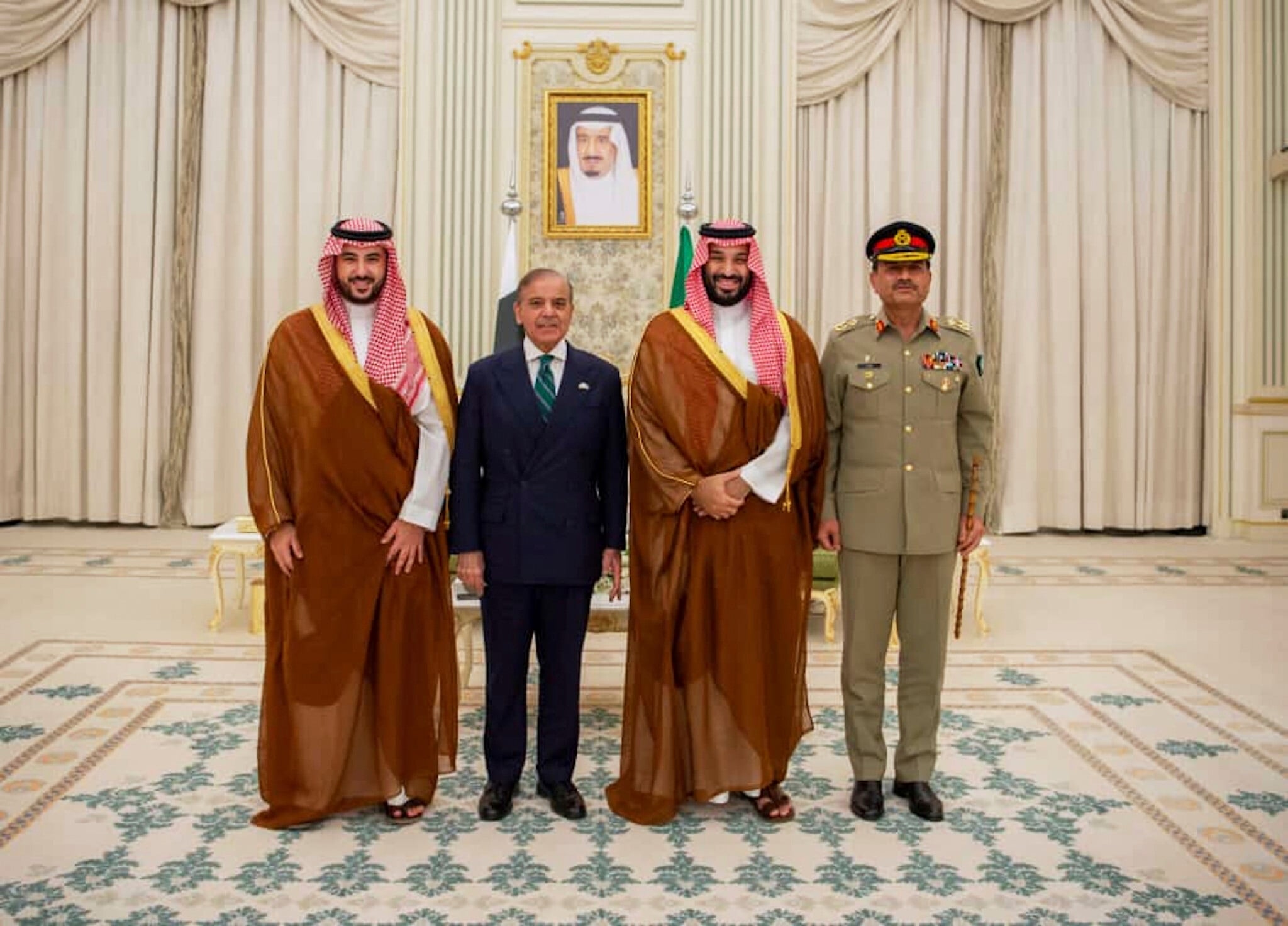
The Pakistani foreign ministry and the Saudi embassy in Washington did not respond to requests for comment on the matter.
The United Arab Emirates has been accused of cutting a similar agreement with Iran, though Abu Dhabi has vehemently denied the unconfirmed reports that it released billions of dollars in withheld funds in exchange for not coming under Iranian attack.
Qatar has also faced such allegations of trying to buy off Iran, but Doha too has fiercely denied them.






The Times of Israel Community.