

Report: Teen falsely held 18 months for leak of classified info; was fed intel by IDF
17-year-old said to have been recruited by officers for unapproved social media campaign; when army realized this, it did not pass on exonerating evidence to authorities
 Add ToI as a Preferred Source on Google
A teenage Jewish Israeli boy was held under arrest for over a year while facing serious espionage charges, as key information exonerating him was allegedly withheld from prosecutors and his defense team, a report said Wednesday.
Prosecutors dropped charges against the suspect, 17, after his defense eventually obtained records showing that classified information he had published on the internet had been fed to him by intelligence officers in the Israel Defense Forces, apparently as part of an unauthorized social media influence campaign, the Haaretz daily reported.
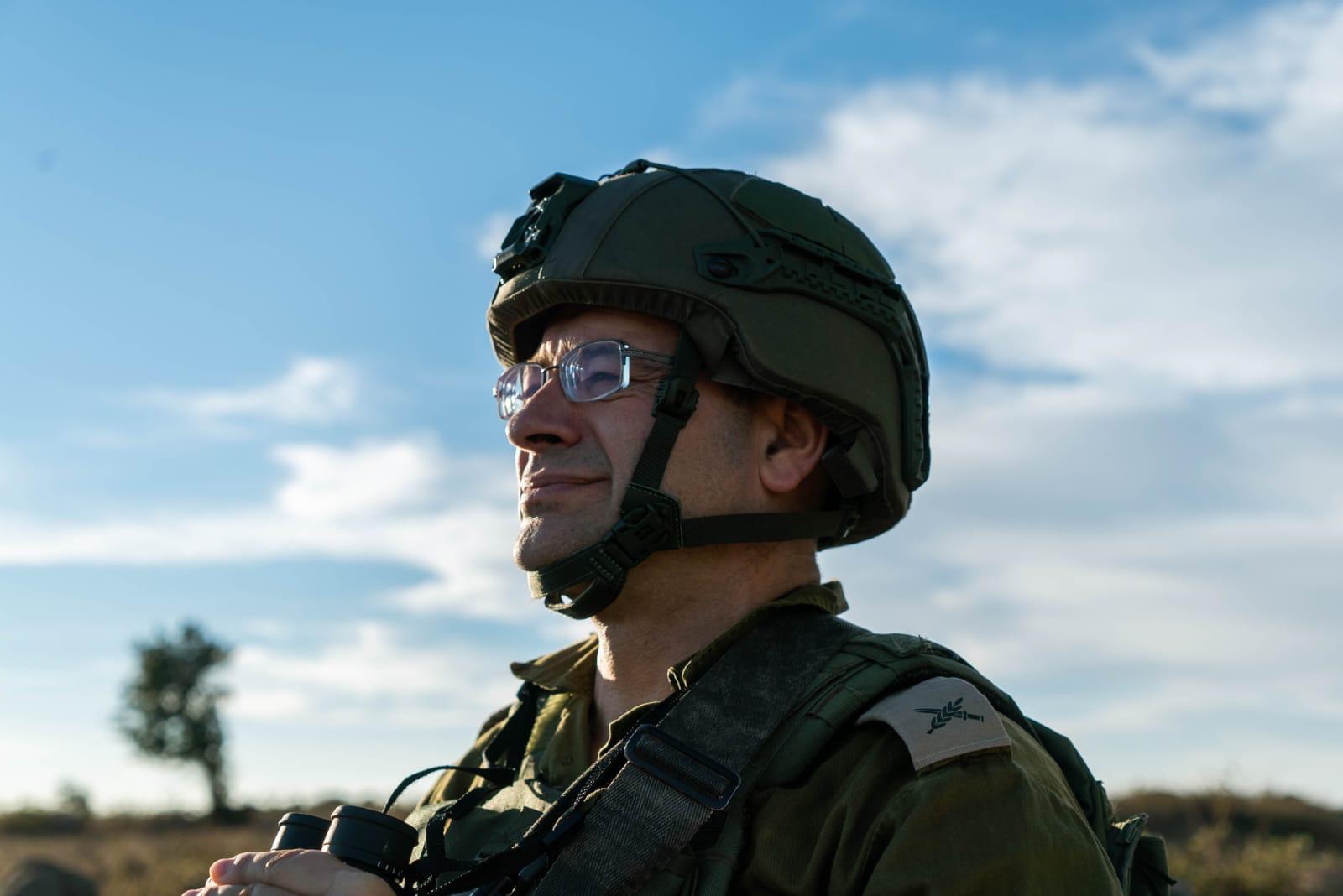
The officer who oversaw the campaign was reportedly Brig. Gen. Roman Gofman, at the time the commander of the IDF 210th Division in the Northern Command. More recently, Gorman served as the commander of the Tze’elim training base in the country’s south.
The IDF said in a statement that a probe had found certain officers acted in an “unprofessional” manner and that it was dealing with the issue at the command level.
Attorneys for the teenager said in a statement: “This is one of the most serious cover-up cases we’ve seen in Israel,” adding that they intended to sue for damages over their client’s treatment.
“His life was turned upside down and will never go back to what it was,” they said. “His reputation was trampled on and he has been left traumatized and scarred for the rest of his life. He was used in a revolting way by security forces… and when the affair exploded, instead of protecting him, they hid it.”
The saga began in May 2022 when two Israeli civilians — one of whom was the teen in question — and one conscripted IDF soldier were arrested for allegedly leaking classified military information on social media. The three suspects were accused of working together to release the information to gain credibility or popularity on the internet. They were not suspected of having been pressured by a bad actor or acting for monetary gain, according to authorities at the time. The soldier was later jailed for 27 months.
The arrested teen was charged with receiving confidential information from the adult civilian suspect and the soldier, sharing it with acquaintances, and posting some of it publicly. He was indicted for possessing and transmitting confidential information, which carries a maximum sentence of 15 years in prison.
He was subsequently held for over a year. After initially spending two months jailed in solitary confinement, he was released to house arrest during which he was electronically tagged and forbidden from communicating with or meeting anyone.
During his questioning, the teenager insisted that some of the information he had published came from two other IDF intelligence soldiers who had asked him to publish the material on social media accounts he ran as part of an internet influence campaign. According to Haaretz, the teenager is an academically successful student who taught himself Arabic and runs social media accounts that report on events in Arab countries and on Arabic-language media.
The report noted that Gofman’s unit was not tasked with engaging in psychological warfare. None of those involved sought legal permission for such a project and the connection with the teenager was apparently not approved by the IDF’s intelligence division.
Police superficially looked into the teen’s claim, but the IDF had denied any ties with him. According to the report, investigators declined to discuss the claims with the teenager’s attorney, Orit Hayoun, and prosecutors had apparently been unaware of them when they filed the charges.
An internal IDF probe, opened alongside the criminal investigation, identified Gofman’s involvement, according to the report, but the information was not passed on to the prosecution or defense. Gofman has claimed he did not know how old the teenager was, adding that he had ordered that only non-classified information be given to him for publication on social media.
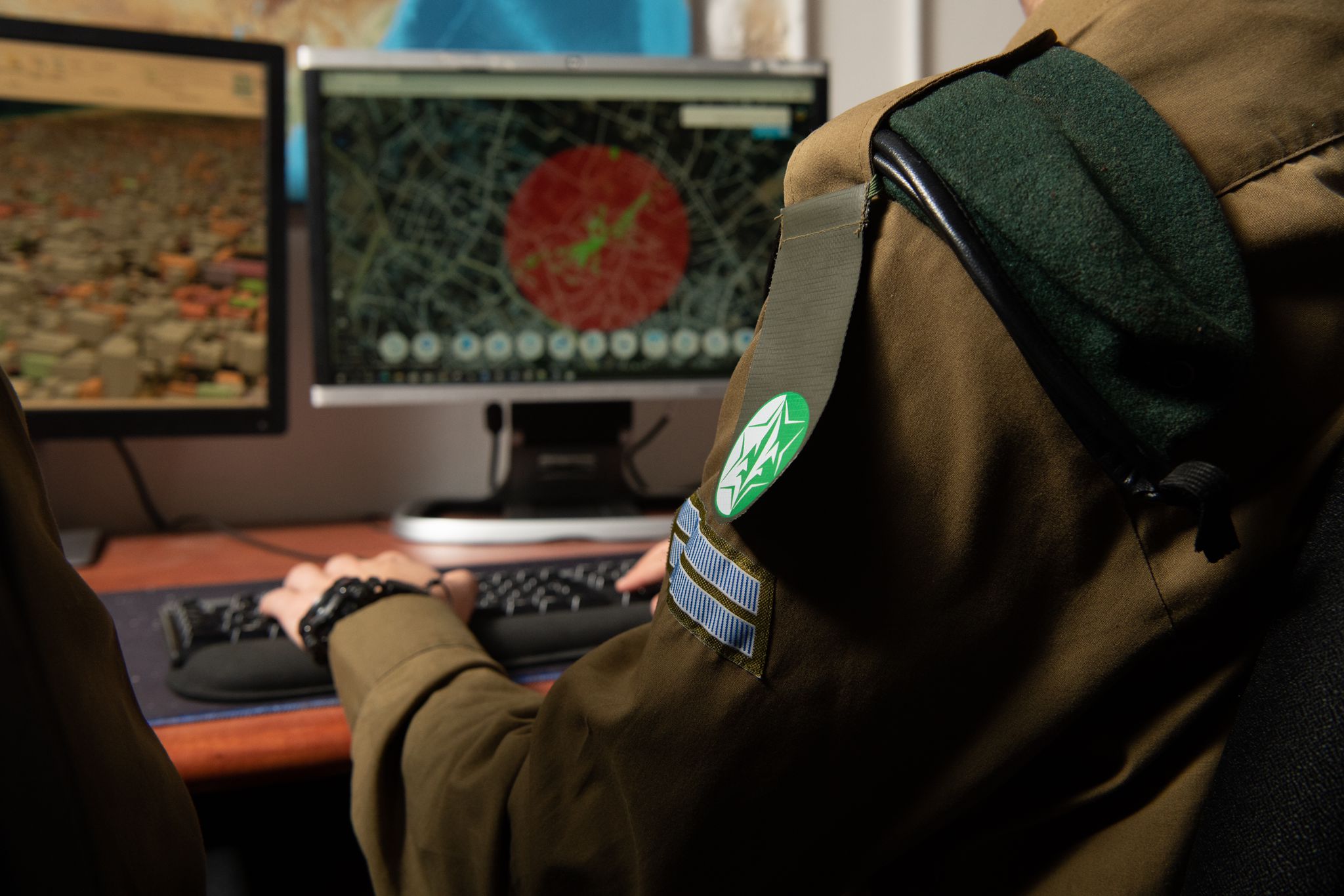
For many months, investigators refused a request from Hayoun to review the teenager’s phone for evidence of communications between him and the intelligence soldiers, the report said. Eventually, they did hand over the device, and defense lawyers were able to demonstrate that an intelligence officer — not named in the Haaretz report — had initiated contact with the teenager about publishing material and that the officer’s superior, Gofman, had approved the operation.
Prosecutors withdrew their charges against the teen a month ago, telling the court that during discussions with the defense team, “a lot of data and information that was not in the investigation file came up,” and prosecutors “ultimately came to the conclusion that there is no place to continue the proceedings against the defendant.”
The cyber unit of the State Prosecution said in a statement to Haaretz that “after in-depth inquiries with all the relevant security officials, the prosecutor’s office received new information” that led to the decision to cancel the indictment.
The IDF in a statement admitted that certain officers had acted in a way that “exceeded their authority,” but added that their actions amounted to “professional errors” and were not a criminal offense. It said the internal probe and its findings were confidential but that “command measures” were taken against “a number of those involved.”
Regarding Gofman, who was recently injured battling Hamas terrorists during their October 7 onslaught, the IDF said his actions were “a professional error that will be investigated and examined, and it was decided that it will be handled at the command level.”
Dismissing the IDF’s claim of how it will address the case, attorneys for the teenager said: “Handling such a serious omission only at the command level is lawlessness, and we will demand compensation for the severe psychological and social damages caused to the minor from the security system and from each of those involved personally.”







The Times of Israel Community.