

South Africa: We never issued arrest warrants for Israeli officials
Netanyahu urges urgent response to ‘ugly provocation’ after BDS activists claim Pretoria is seeking detentions over 2010 flotilla raid
 Add ToI as a Preferred Source on Google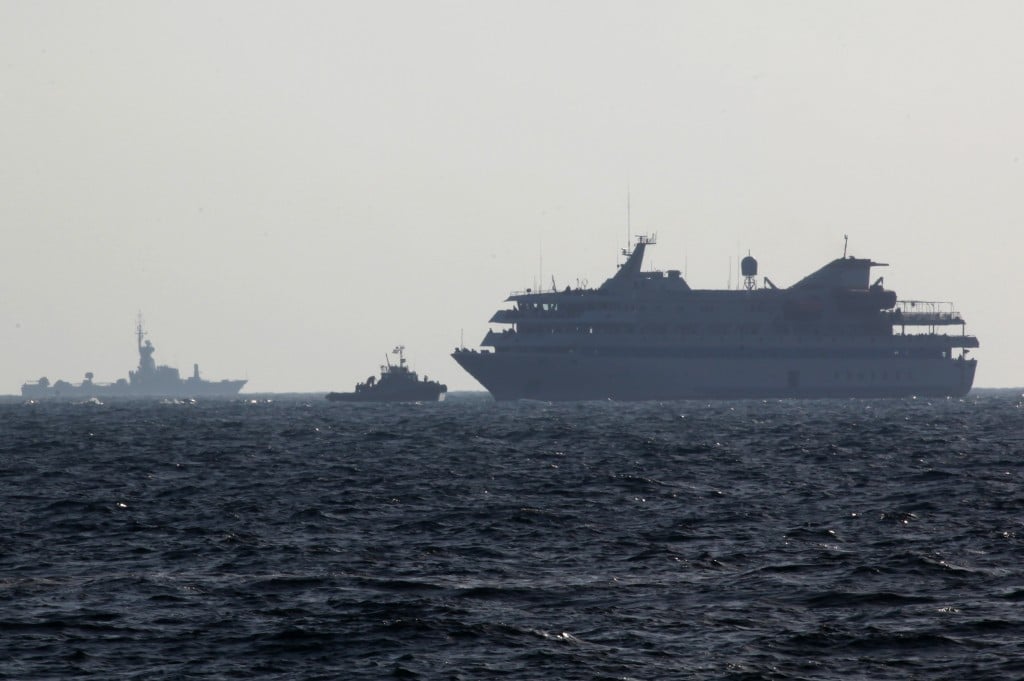
South African police spokesman Brigadier Hangwani Mulaudzi on Tuesday denied reports that the country had issued arrest warrants for four senior Israeli military commanders, including a former chief of staff, over an IDF raid on a Gaza-bound flotilla in May 2010.
“There is no truth to this,” Mulaudzi was quoted as saying by South Africa’s Times Live news website. “No arrest warrants have been issued for any of the people mentioned. We have checked with our Interpol and our Crimes Against the State officials and they deny any such thing.”
A statement issued by the Boycott, Divestment and Sanctions Movement, which was then picked up by news sources, said that South African police would arrest any of the four officials upon entry to the country and have them extradited to Turkey with the help of Interpol.
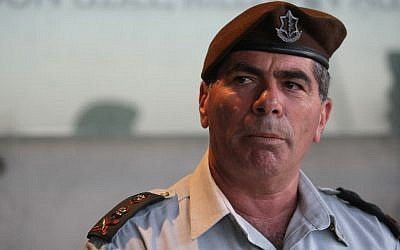
The four named in the original report were former chief of staff Gabi Ashkenazi, former navy commander Eliezer Marom, former military intelligence head Amos Yadlin and former air force intelligence head Avishay Levy.
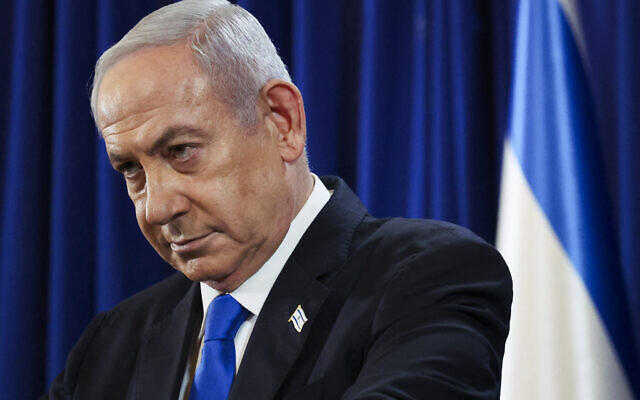
Prime Minister Benjamin Netanyahu slammed the move by the anti-Israel activists, directing the Foreign Ministry to urgently respond to their “provocative and ugly attempt to use the South African judicial system to advance a hostile and illegitimate position.”
Ten Turkish citizens were killed in clashes with Israeli troops who intercepted the Mavi Marmara ship, which was part of a group of vessels attempting to break the Gaza naval blockade, on May 31, 2010. A number of Israeli troops were injured in the melee.
According to the original claim, as reported on South African news site The Citizen, the decision to arrest the four was made in the wake of a four-year-long case involving journalist Gadija Davids, who was the only South African citizen on the Marmara during the incident.
The apparently false claim about the arrest warrants came weeks after Hamas political chief Khaled Mashaal visited South Africa as a guest of the ruling African National Congress party. Speaking at a rally during the visit, the head of the Islamist movement vowed to continue the wave of terror attacks against Israelis “until freedom is achieved and the land is for Palestine and its people.”
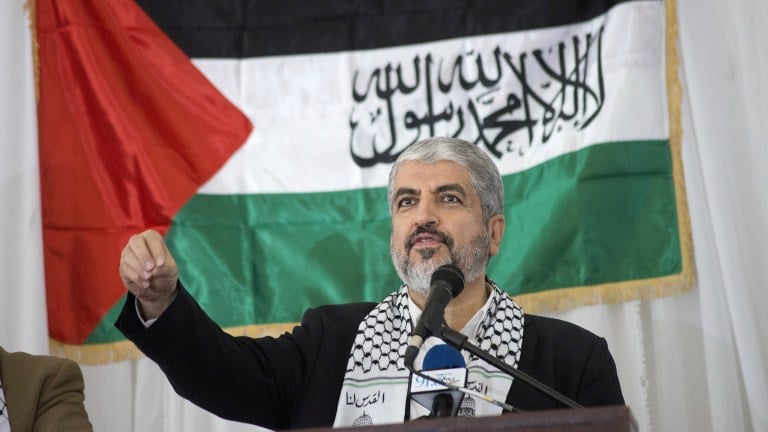
During the trip, Mashaal compared the Israeli-Palestinian conflict to the struggle against apartheid in South Africa.
The Marmara incident contributed to a deterioration of ties between Jerusalem and Ankara, and Turkey has demanded arrests be made and compensation paid over the deaths.
The International Criminal Court’s prosecutor recently said it would not pursue a case against Israel over the deaths.
Just days ago, a Spanish judge reopened a case that theoretically could lead to the arrest of Prime Minister Benjamin Netanyahu, Defense Minister Moshe Ya’alon, MK Benny Begin and several former top Israeli officials over their role in the same incident.
Three Spanish citizens aboard the Marmara had originally filed a lawsuit against Israel in 2010, but the court decided it no longer had the authority to prosecute foreign nationals for alleged crimes committed outside of Spain. In recent days, Judge Jose de la Mata found a legal loophole that allowed him to relaunch the case against Netanyahu and the other Israelis if they entered Spanish territory.
South Africa’s government was also recently criticized for allowing Sudanese President Omar al-Bashir to leave the country freely, despite an international arrest warrant to try him for war crimes in The Hague.





The Times of Israel Community.