

Supreme Court eases 10-year sentence of former MK Faina Kirshenbaum
Justices unanimously reject appeal by former Yisrael Beytenu lawmaker but reduce her term, citing lighter punishments given to others in case
 Add ToI as a Preferred Source on Google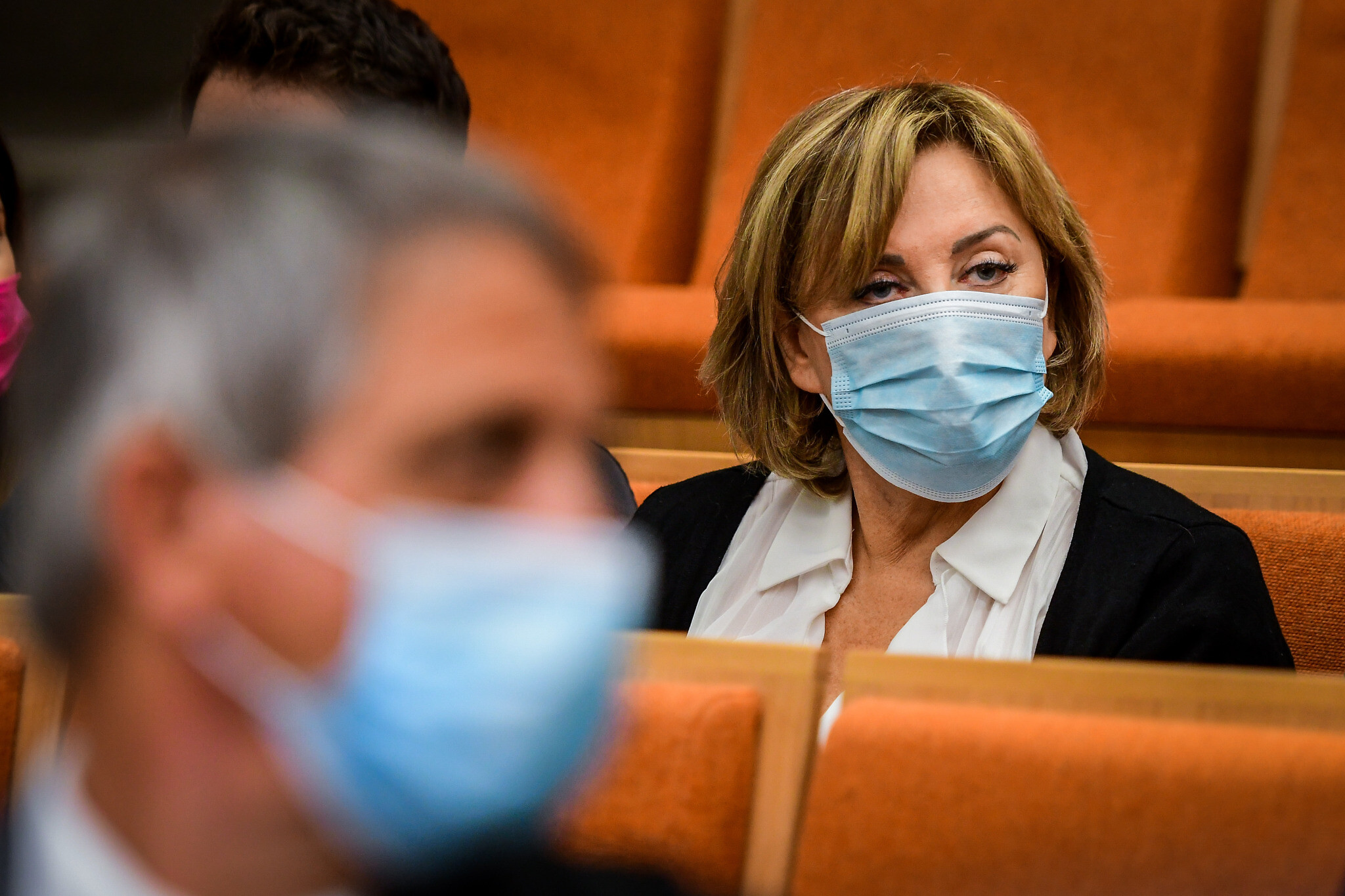
The Supreme Court rejected Wednesday an appeal filed by former Yisrael Beytenu Knesset lawmaker Faina Kirshenbaum and former Agriculture Ministry director-general Rami Cohen, who were sentenced last year in one of Israel’s largest political corruption cases ever.
The court agreed, however, to reduce both of their sentences. Kirshenbaum will serve 7.5 years instead of her 10-year sentence and Cohen is expected to remain incarcerated for 18 months rather than 30.
“According to [Israeli] punishment policies, the circumstances under which Kirshenbaum carried out the offenses require a significant and severe punishment,” the court’s ruling read.
“However, it was decided to ease the sentence in accordance with the principle of parity in punishment, considering the far lighter sentences given to other individuals involved in the case,” the court statement added.
The justices also noted in their ruling that the decision to reduce the sentences was also due to the fact that when the former lawmaker carried out the graft offenses, there was no set mechanism in the Yisrael Beytenu party for determining the manner of allocating coalition funds.
Kirshenbaum, a former deputy interior minister, was convicted in March last year of bribery, tax offenses, money laundering, fraud and breach of trust, and was sentenced to 10 years behind bars.
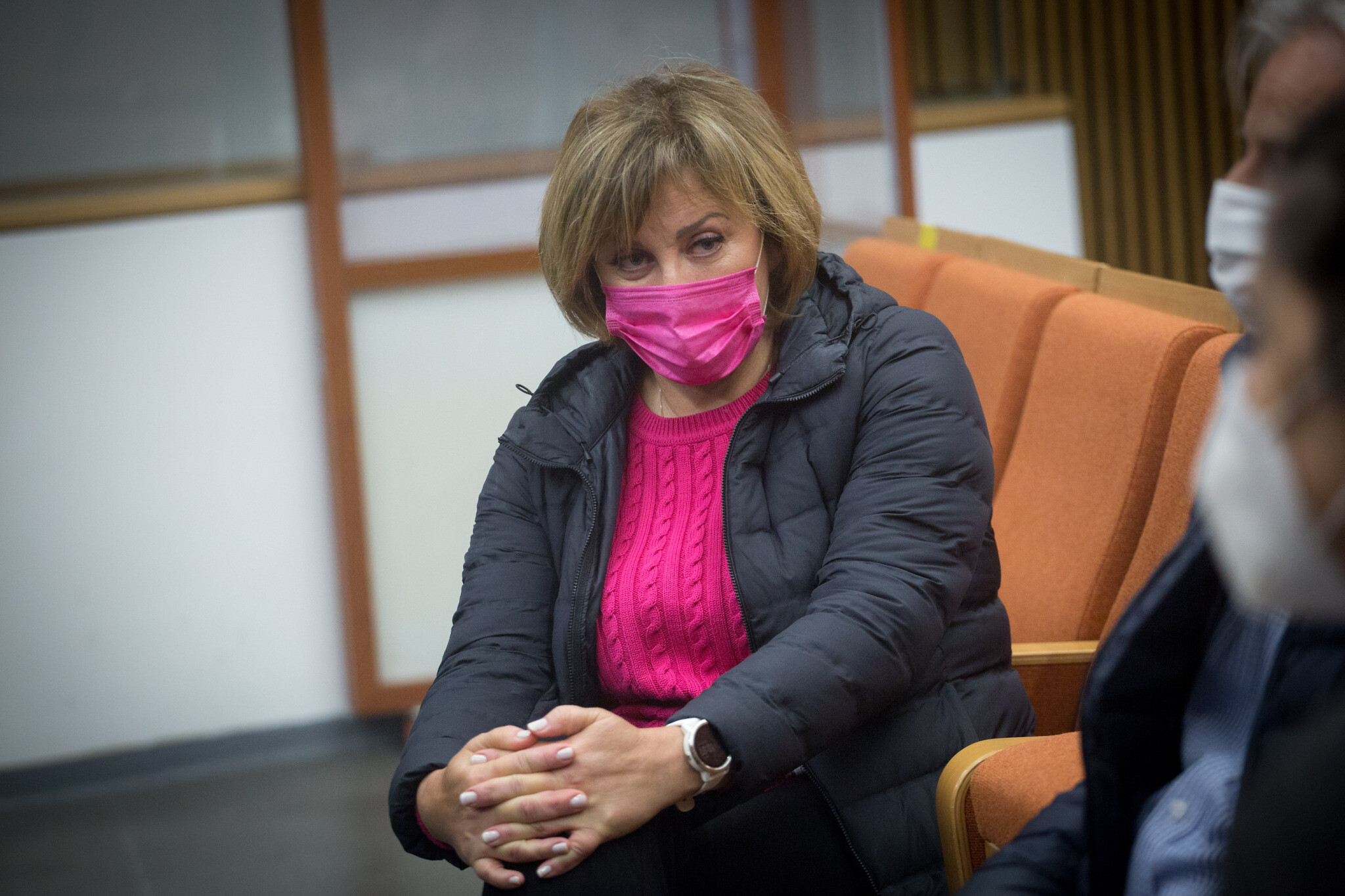
The original sentence was by far the most severe ever given to a Knesset member or minister for graft offenses. But the Tel Aviv District Court accepted the prosecution’s arguments at the time that her conduct had been systematic and uniquely large-scale.
Kirshenbaum was only one, albeit a central, figure in a far-reaching corruption investigation into the Yisrael Beytenu party, which has been chaired by current Finance Minister Avigdor Liberman since he founded it in 1999. Liberman himself has not been named a suspect in the case.
Judge Yaron Levy said during Kirshenbaum’s sentencing that she had taken bribes in a “systematic, cunning and sophisticated” manner over six years from eight separate, unconnected sources, amounting to some NIS 2 million ($604,415). The benefits and cash were used by Kirshenbaum, members of her family, confidants and the Yisrael Beytenu party, he said.
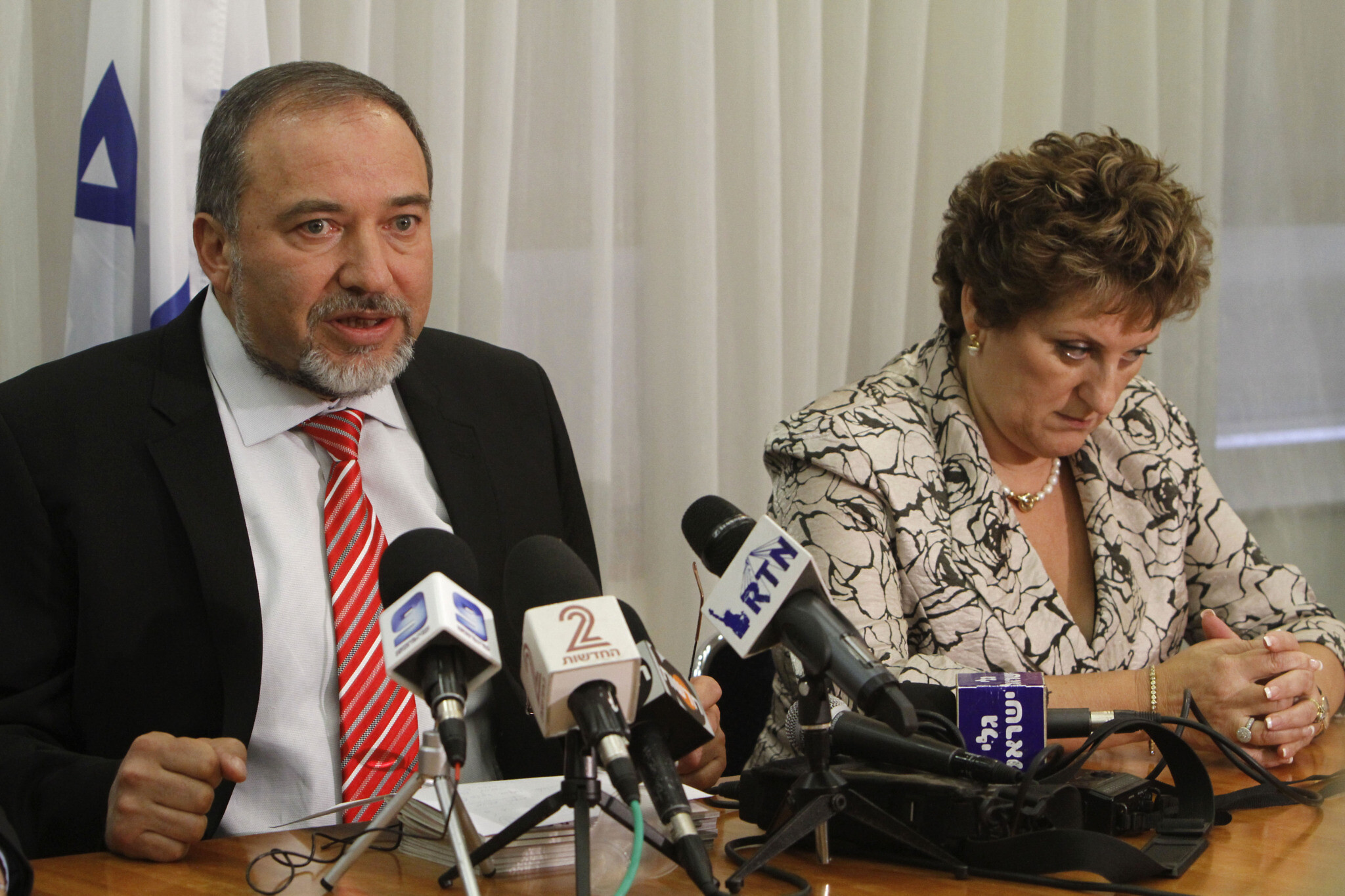
As the Yisrael Beytenu official in charge of coalition funds, Kirshenbaum “exploited her leadership power to illegitimately favor her personal interests.”
“The depth of the defendant’s corruption and the severity and multiplicity of her actions are unique,” Levy said at the time.
She was convicted, along with former party headquarters chief David Godovsky, of inappropriately funneling large sums of money to various organizations. In return, those groups allegedly made nepotistic appointments, and also circulated some of the favors back to public service officials in the form of cash kickbacks and benefits.
The three-year investigation, dubbed Case 242, became public in December 2014 with the arrest of 36 serving and former officials.
Michael Bachner contributed to this report.









The Times of Israel Community.