

Syrian social affairs minister, a Christian woman, urges equality in constitution
Hind Kabawat, in Rome for meeting with pope, says new regime must do more to show it’s ‘inclusive’ in order to stem emigration by religious minorities
 Add ToI as a Preferred Source on Google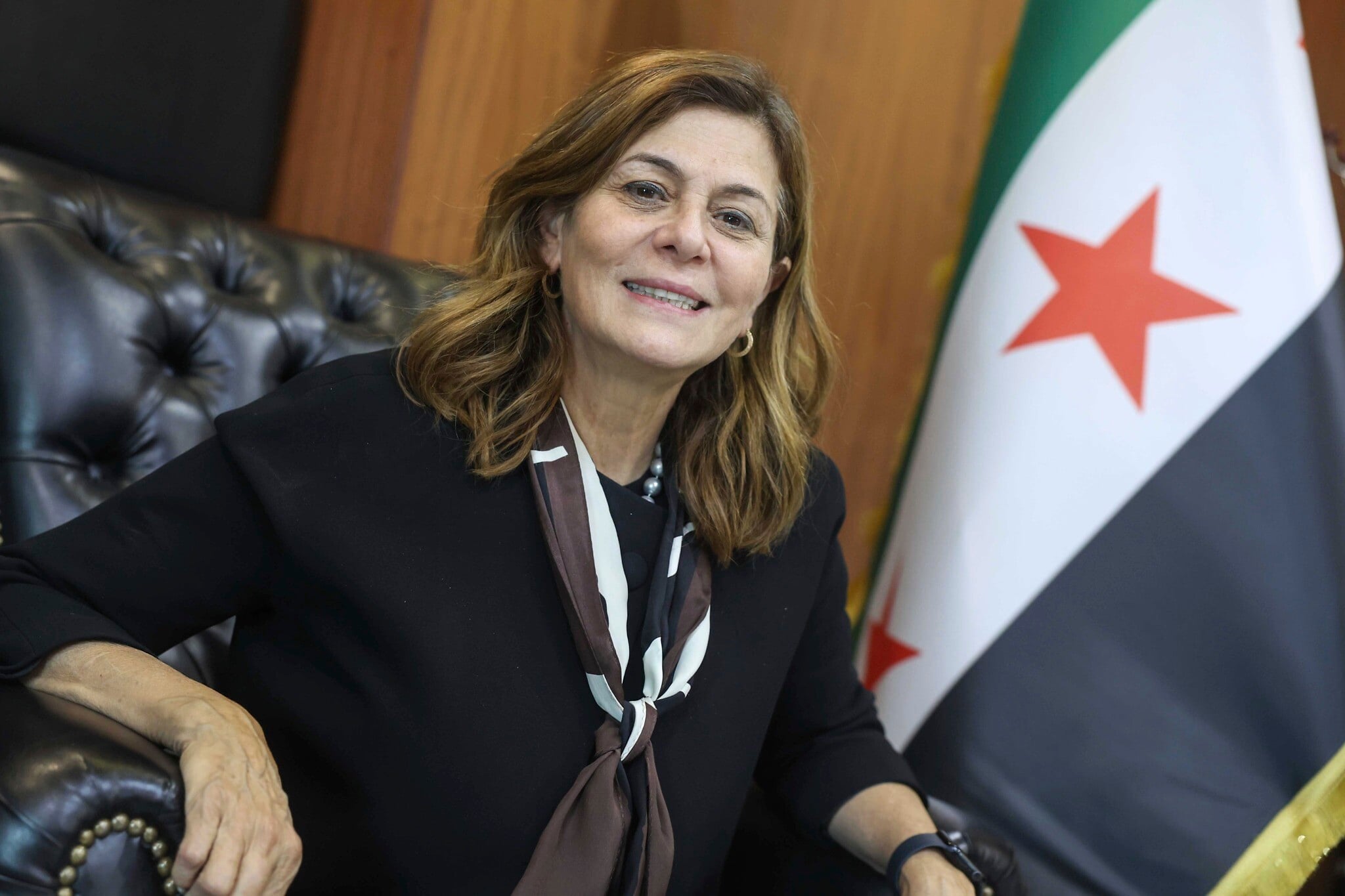
Syria’s future constitution should guarantee the equality and inclusion of all religious minorities in order to stem emigration, a Syrian minister told AFP on Tuesday.
“We have to have a new constitution, which includes everybody, and [in which] everybody is equal under the law,” Syria’s Social Affairs and Labour Minister Hind Kabawat told AFP.
Kabawat is the only woman and only Christian in the Islamist transition government headed up by Ahmed al-Sharaa set up after the 2024 fall of former president Bashar al-Assad.
The transitional parliament set up since al-Sharaa came to power has the task of coming up with a new constitution.
Syria, a majority Sunni Muslim country, is home to one of the world’s oldest Christian communities.
There are also sizable Alawite, Druze, Ismaili and Kurdish minorities.
An episode last July in Druze-majority Sweida province involved some of the worst internecine bloodshed the country had seen Assad’s toppling.
Syrian authorities recently began trying suspects over the wave of violence, which began with local clashes, to which the security forces then responded, after which Israel intervened.
More than 2,000 people were killed in the clashes, including 789 Druze civilians, according to the Syrian Observatory for Human Rights monitor. A committee formed by the Syrian government said it had documented the killing of 1,760 people.

The number of Christians has also plunged — going down from around a million before the start of the civil war in 2011 — to around 300,000 people, according to experts.
Kabawat said the departure of Christians started long before Assad’s fall.
“I felt the acceleration since the massacres of Hama in the 1980s. Many Christians decided to leave. We used to be 15%, then 9%, then 4%,” she said.
Asked whether the departures had sped up since the fall of Assad, Kabawat said Syrians from different communities were still leaving.
“They’re worried, and they don’t know what kind of government this is,” she said, adding that the government needed to do more to show it was “inclusive.”
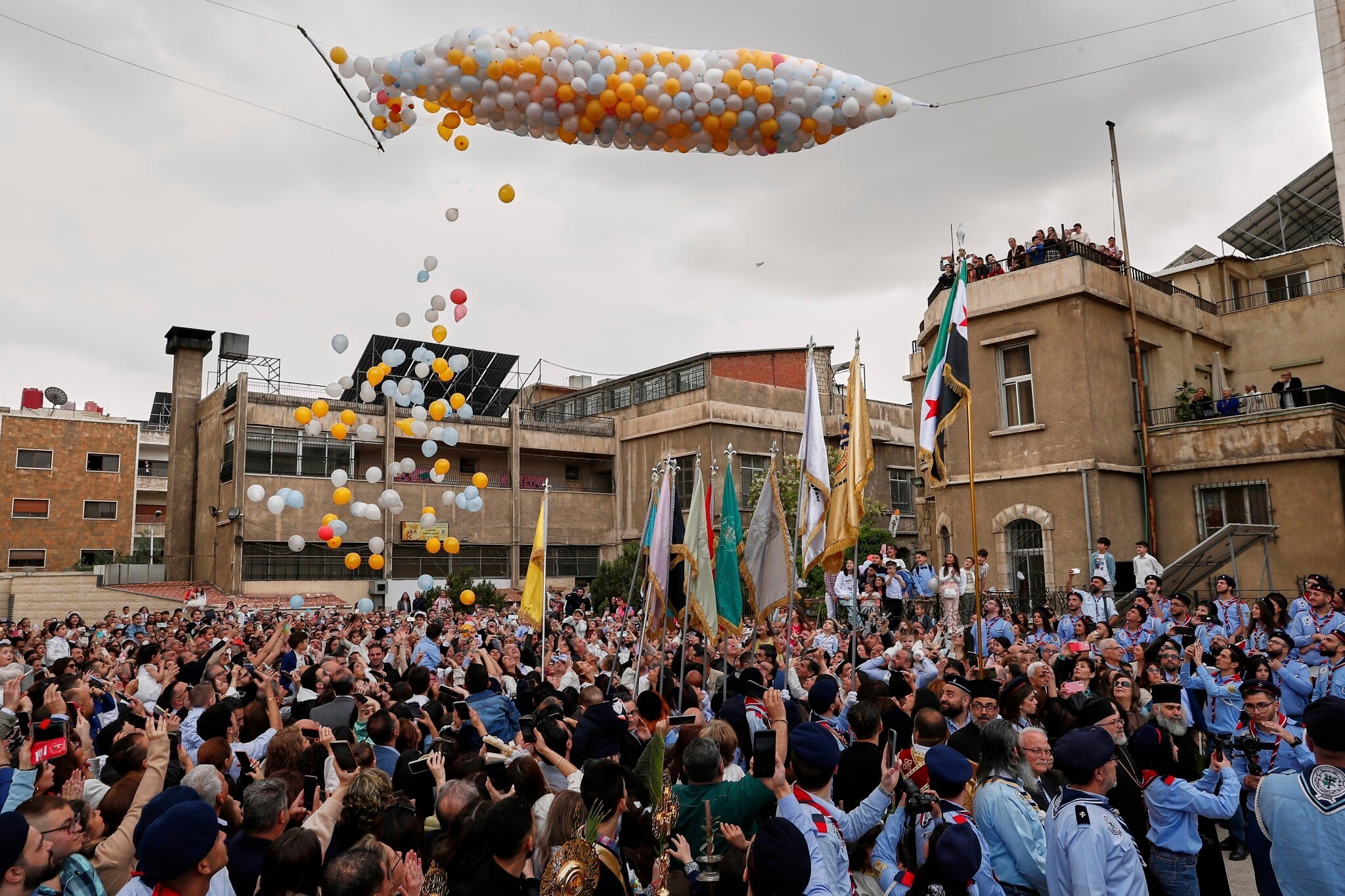
Kabawat was in Rome to meet Pope Leo XIV on Wednesday with around 20 Muslim and Christian officials from the Arab world.
Speaking to AFP, she also responded to a decision by a renowned school in Damascus to segregate boys and girls, an order that has raised concerns over changing social norms under Syria’s new Islamist authorities.
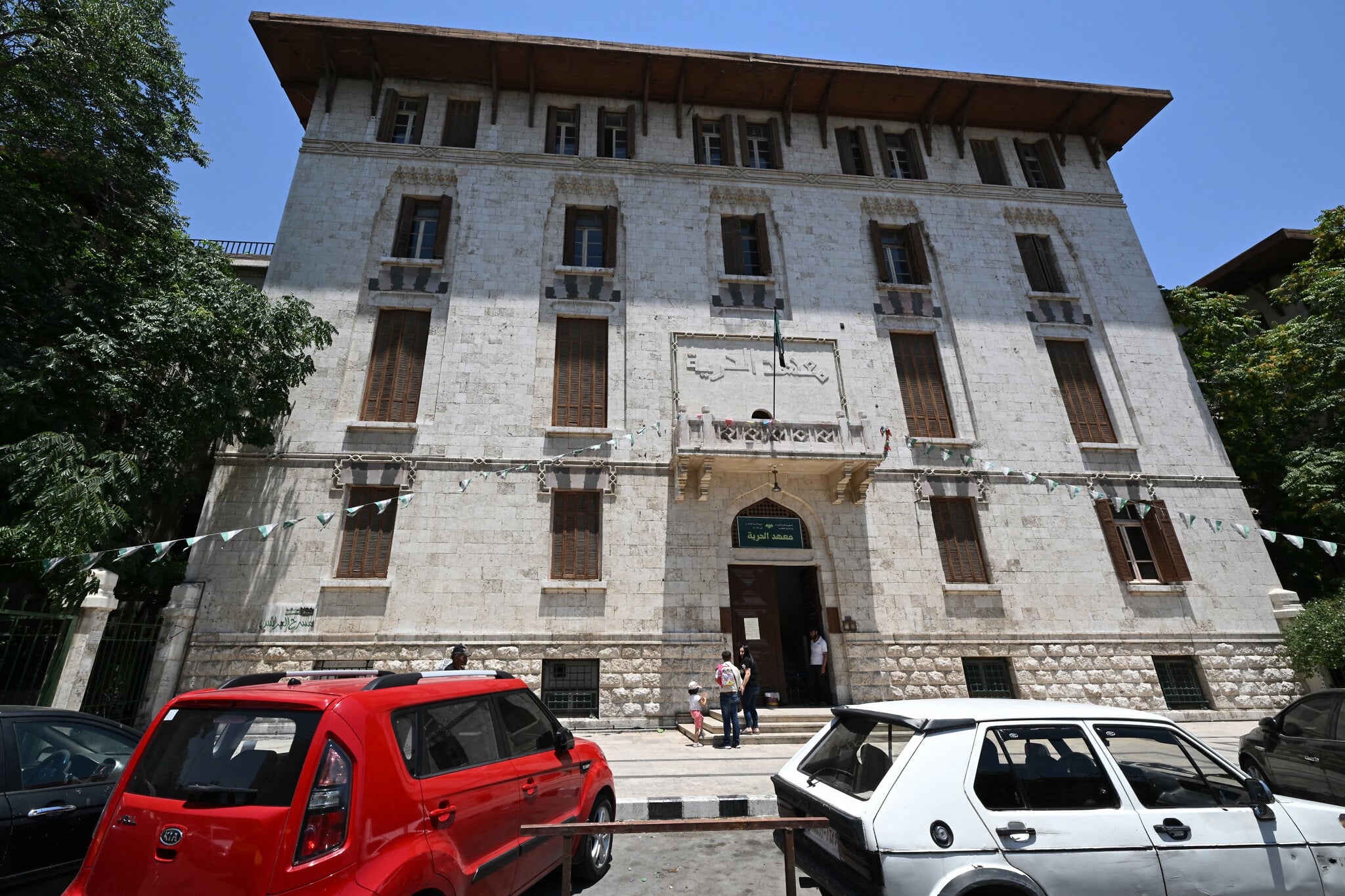
The Al-Hurriya Institute, where Assad studied, said in a statement on Monday that “for the best interests of our students… the boys and girls have been separated at the institute.”
The school said it had already prepared separate classrooms and courtyards, except for its primary school, meaning children above 11 years old will face segregation.
Kabawat, who herself studied at Al-Hurriya, said that “it’s wrong” and that the school should refrain from imposing segregation.
“The DNA of the school [is] to have mixed classes through high school, if you don’t want to send your kids, go to other schools, keep the school as it is,” she added.
Al-Hurriya’s management has defended the decision, citing “many problems regarding harassment and bullying of girls” and saying that “many young men and women wasted their time on romance.”
School officials also cited “extreme violence and the drawing of knives” due to jealousy, saying the proportion of girls in the school went down after parents transferred them elsewhere.
Opened by the French Secular Mission in 1925 when Syria was under a French mandate, the school educated Syria’s elite, including Assad, who was ousted in 2024 by an Islamist-led offensive.
In the 1960s, the Baath Party, which had taken over the country, nationalized the school alongside others and renamed it Al-Hurriya, or freedom.
The gender segregation controversy is not the first time questions have been raised over the effect of the country’s delicate transition to Islamist rule on personal freedoms.
Four Syrian feminist and civil society organizations last month said that some of the new authorities’ decisions “have restricted personal and public freedoms, imposed patterns of social guardianship, and have been reflected particularly on women.”
In April 2025, a Damascus hospital decided to separate men and women on buses transporting staff, before reversing the decision after backlash.




The Times of Israel Community.