

Thailand cave rescue: What now for the boys?
Having located the missing children and their soccer coach, rescuers must now figure out how to extract them from the flooded, perilous cavern complex
 Add ToI as a Preferred Source on Google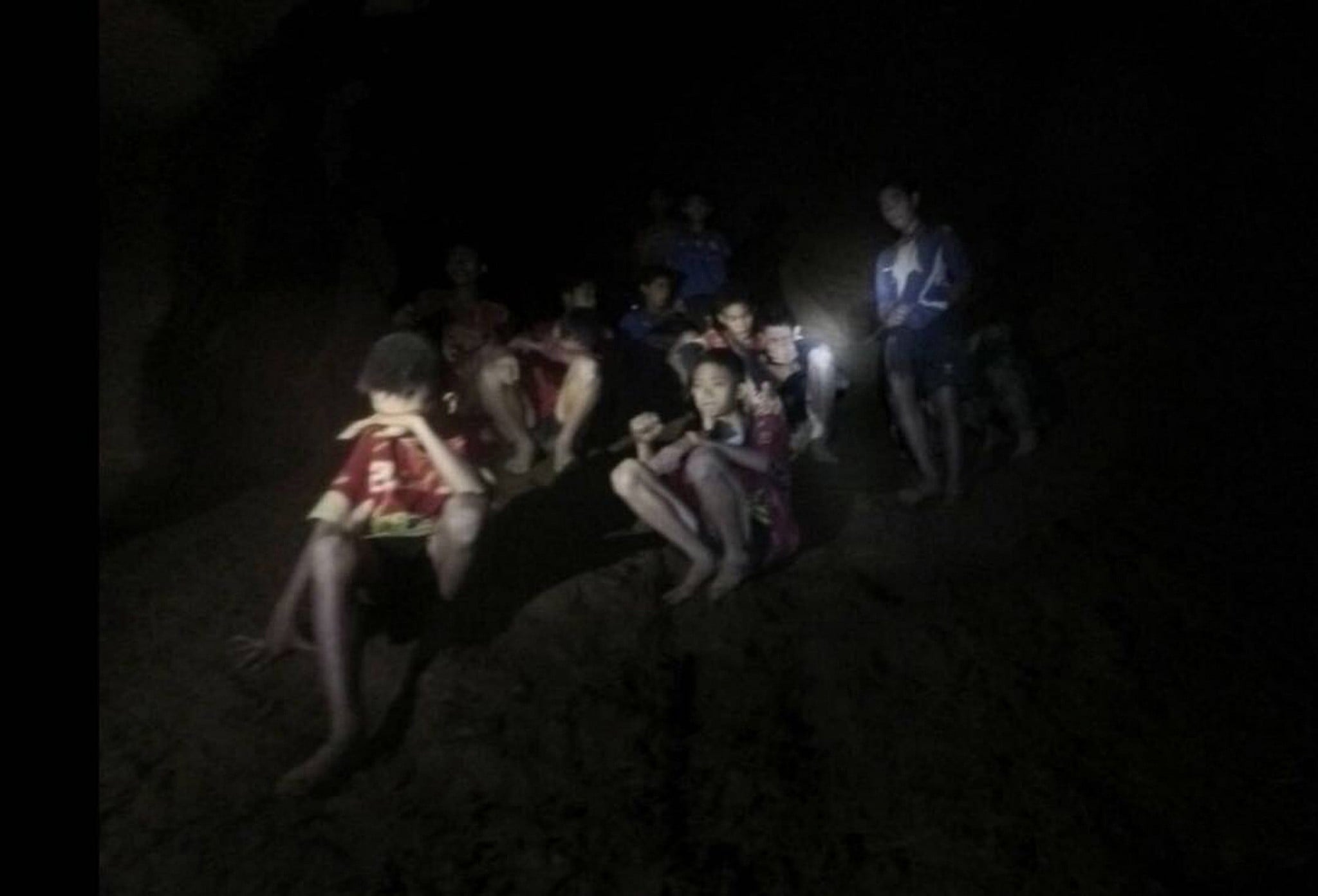
MAE SAI, Thailand — The rescuers dubbed it “mission impossible,” but they defied the odds to locate the 12 boys and their football coach deep in a flooded cave complex. However the hard part may yet be ahead: getting them out safely.
The 13 were found on Monday, more than a week after they went missing, bringing hope in a desperate search that has attracted international help and captivated the nation.
Tham Luang cave where the boys have been trapped is one of Thailand’s longest at 10 kilometers (six miles) and one of the hardest to navigate with its winding and at times narrow corridors.
Experts have warned it could take months for the floodwaters to recede.
Rescue forces are sending food supplies that could last for over four months into the partially flooded cave in northern Thailand.
Here are a few ways the hungry and weak boys could get out, none easy options.
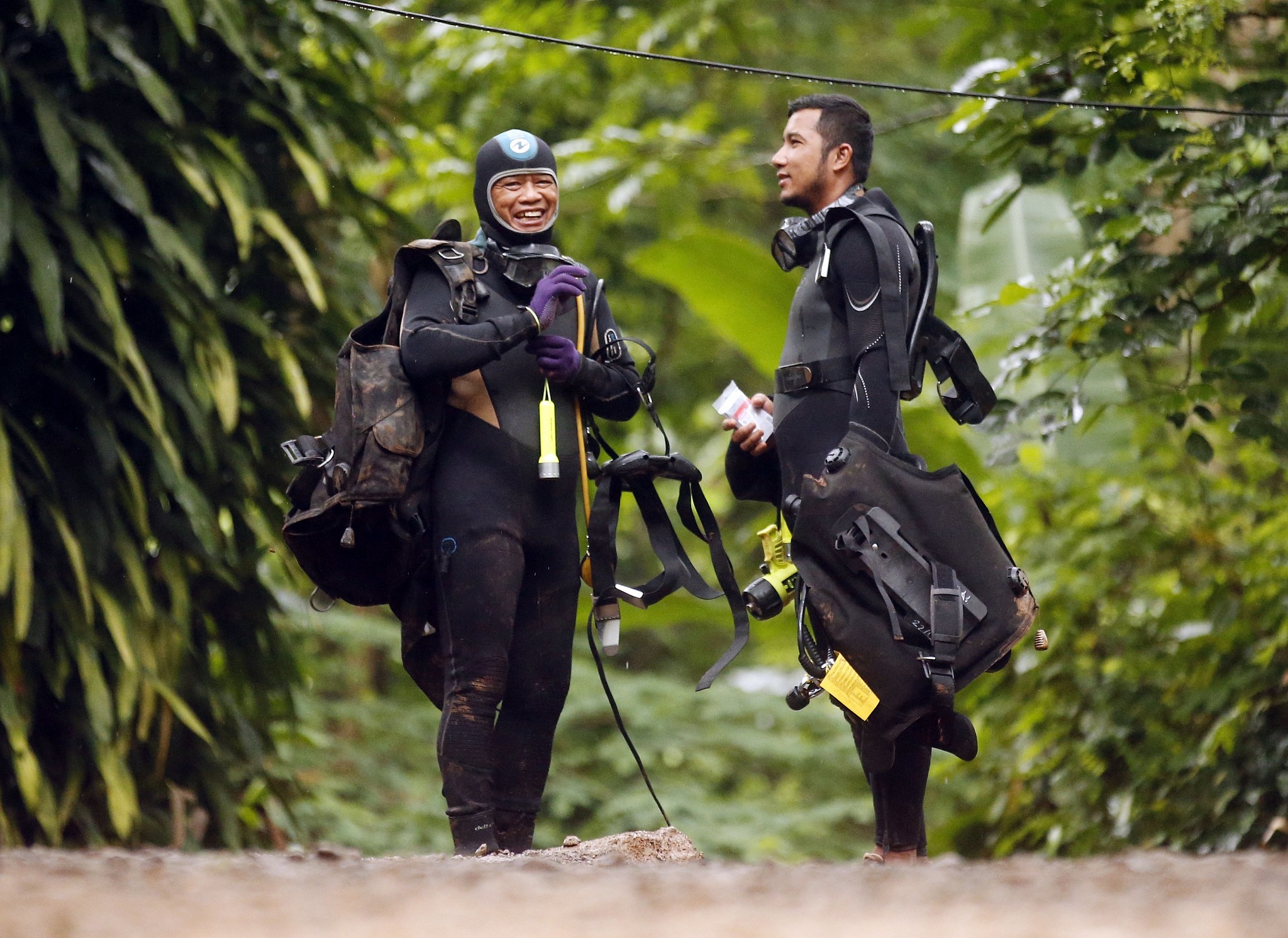
Could they dive out?
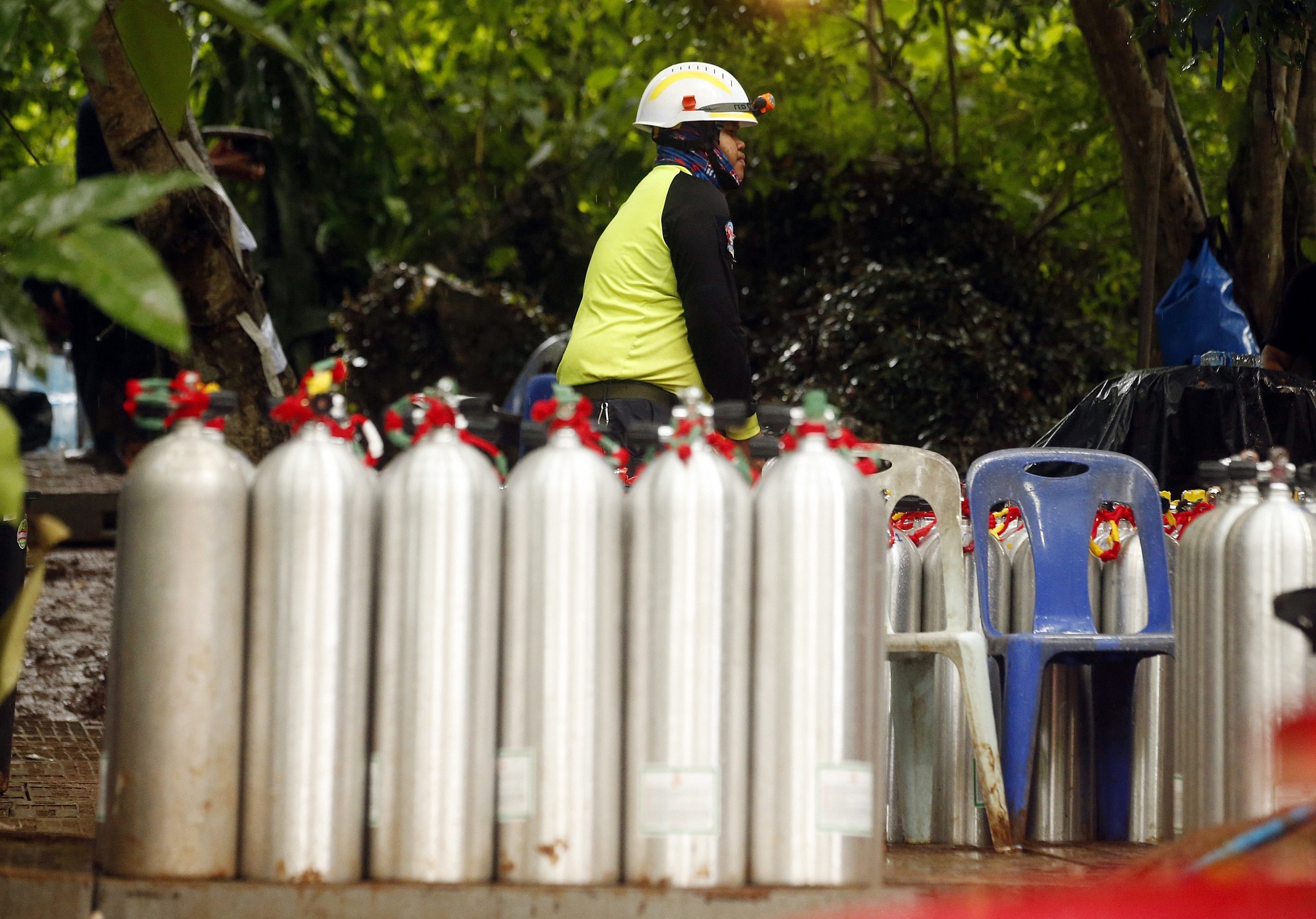
In theory yes: but it is an extremely difficult task. Cave diving is already very risky, especially for young boys in a weakened state who have no diving experience.
If they dive, they have no choice but to follow the steps that rescuers took through tiny passageways clogged with mud and silt.
That journey takes a healthy — and skilled — Navy SEAL diver about six hours.
Officials said they would attempt to train the boys to use crucial diving gear after they are rehabilitated with food, water and medical support.
“Cave diving is a very technical skill and it’s extremely dangerous, especially for an untrained diver,” Anmar Mirza, coordinator of the US National Cave Rescue Commission, told AFP.
“So they may end up being better off trying to supply them in the cave until they can be gotten out by other means.”
Could they be dug out?
Explorers have spent days scouring the mountain top for possible alternative openings. They have found a few “promising” leads and have tried to drill deeper.
But there is no indication that any of those chimneys connect to the chamber where the boys have been stranded.
Again, the boys need to spend time getting stronger in the depths of the cave before they can attempt to climb up a second entry — if one is found — or be lifted out.
What about walking out?
This would be the safest option, but at the moment it is impossible because parts of the route remain flooded.
So in theory they could wait, but that means hoping that floodwaters subside.
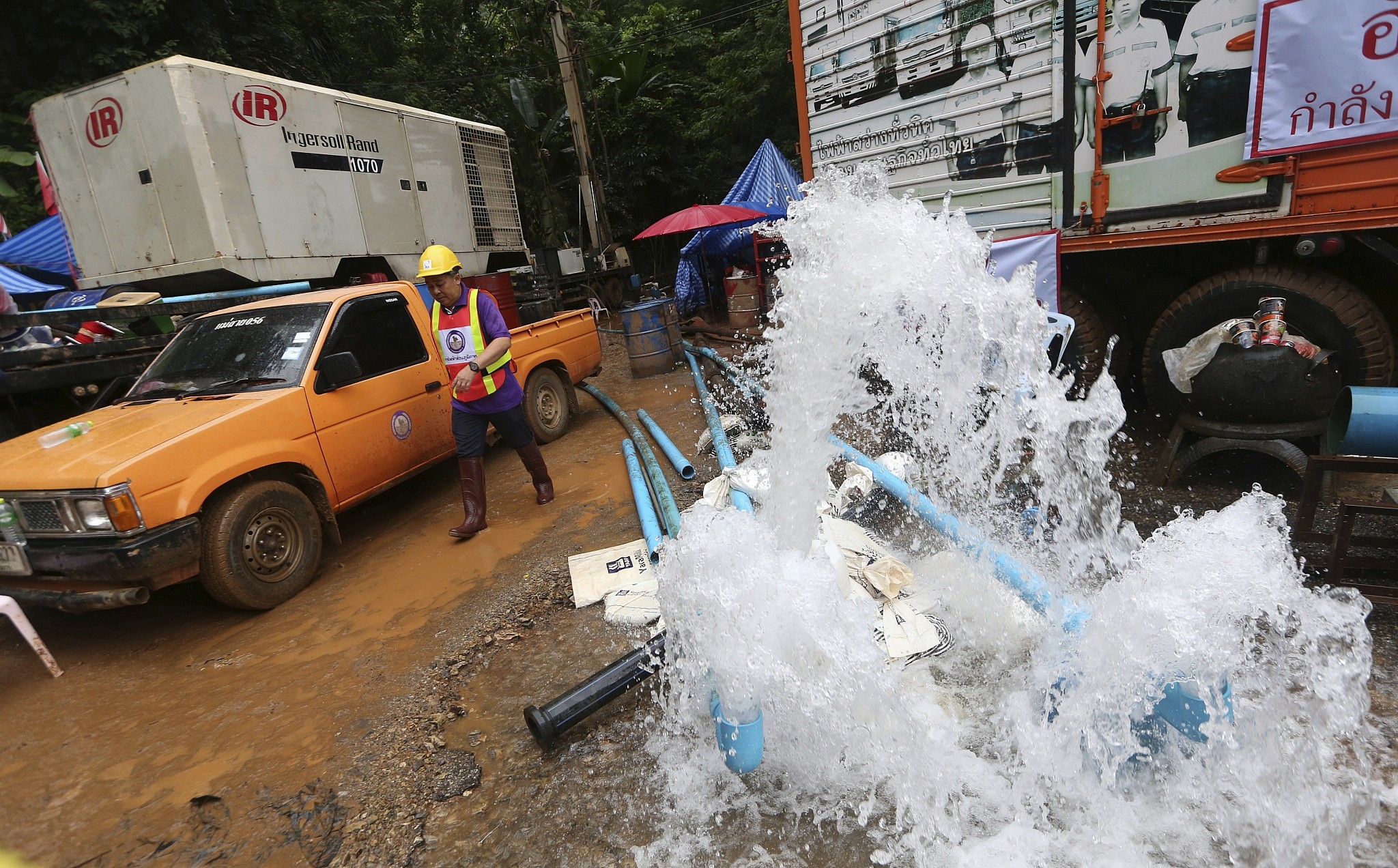
Water pumps are working around the clock to drain the floods, though it has been an uphill battle for much of the week as heavy rains refused to let up.
If the current break in bad weather sticks, this option could be more promising.
But weather forecasters warn downpours may soon return as monsoon season sets in.
“If the rain fills up the cave system then that might take months before the water drops again,” Belgian diver Ben Reymenants, owner of Blue Label Diving in Thailand who is assisting the search, told AFP.
How long could it take?
Hard to say for sure. It depends how long it takes for them to regain strength.
Experts say they could remain inside for weeks — or even months — as rescuers work out the safest option for their extraction.
The military said Tuesday it was preparing enough food for four months but did not speculate they could be in there that long.
Are the boys in the right mindset to move?
They clearly want to leave. In footage that emerged after the boys were found by two British divers late Monday one asks to “go outside.”
One of the diver replies “I know, I understand… no, not today.”
Even if they are physically fit enough to dive, they will need the mental prowess to stay calm in the murky waters and claustrophobic passageways that stand between them and freedom.
Fortunately, they seem in pretty good shape, considering.
“They’re mentally stable which is actually pretty good,” Reymenants said.
“Luckily the coach had the sanity of mind to keep them all together, huddled together to conserve their energy, that basically saved them.”








The Times of Israel Community.