

The Portuguese Catholic who serves French cuisine to New York’s Jews
For over 20 years, Jose Meirelles has owned and operated the Le Marais steakhouse — named after the Paris Jewish quarter — and demand has never been higher
 Add ToI as a Preferred Source on Google
Reporter at The Times of Israel
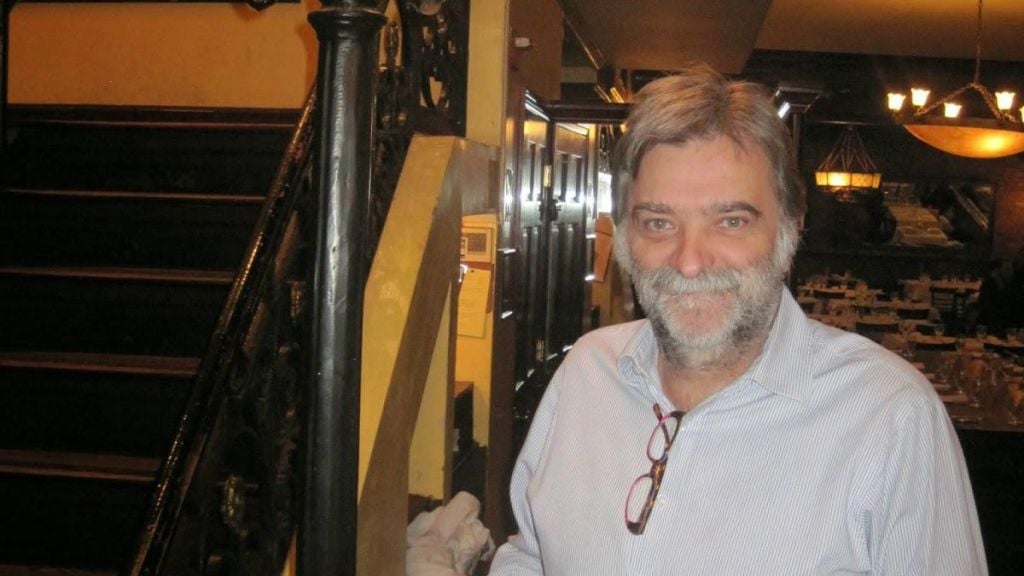
NEW YORK — That the menu at Le Marais Bar and Grill features everything from rillettes to mousse au chocolat, and bouillabaisse to hanger steak, isn’t exactly news. It is after all a brasserie in the French tradition.
The surprise lies in the fact that not only is this restaurant in the heart of Manhattan’s theater district glatt kosher, but its owner is a Portuguese Catholic immigrant who, until he opened the restaurant with dark paneled wood walls 20 years ago, had no inkling of what the laws of kashrut entailed.
“My perception of kosher was you didn’t mix milk and meat, beyond that, I didn’t know,” Jose Meirelles told The Times of Israel over cups of coffee.
What’s more, back in the early 1990s Meirelles was deeply involved in the running of the Park Avenue brasserie Les Halles, which he co-owned with Phillippe Lajaunie. Anthony Bourdain, the popular chef, author, and television personality, was Les Halles’ executive chef. Bourdain later penned “Kitchen Confidential,” a memoir about his time there.
It was a heady time for Meirelles, who, by his own admission, didn’t cook when he first came to the US. Like many newly-arrived immigrants, Meirelles took odd jobs to make ends meet. He worked as a housekeeper, his wife as a babysitter. Then came a job that called for him to cook.
“I bought a couple of cookbooks, one was the Jacques Pepin book with all the pictures. I still have it. I started experimenting with different dishes and cooking all the time,” he said.
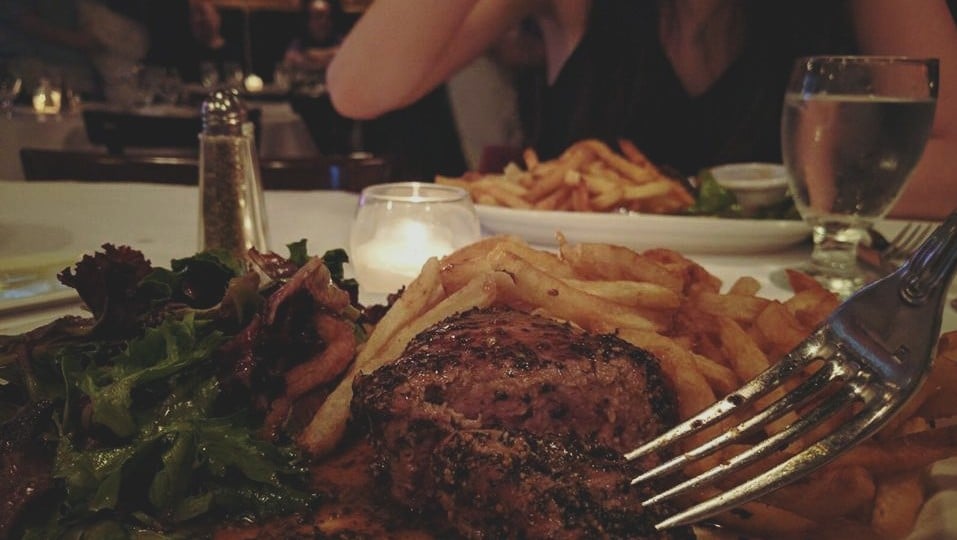
He discovered he really liked cooking and in 1987 graduated from the French Culinary Institute.
Seeing the success of Les Halles, Meirelles’ lawyers, who happened to be Jewish, nudged him to consider opening a restaurant with the sensibility of Les Halles but for a kosher clientele. At first the idea seemed nothing short of preposterous. But they continued to work on Meirelles, and eventually he decided to give it a go.
“It was a huge risk, but at the time there was an uptick in the number of young people keeping kosher. There was a huge rise in Modern Orthodoxy,” Meirelles said.
‘People come here for the steak’
Meirelles knew the key to success lay in the taste of the meat. It wouldn’t matter if crisp white linens dressed the tables and antique French advertisements hung on the exposed brick walls; if the meat was in any way sub-par, the restaurant would close.
So he experimented. He bought sides of kosher meat from an Upper West Side butcher shop.
“The biggest question was whether we could age the meat. I learned that there is nothing about keeping kosher that prevents that. So we got the ribs and aged them for four weeks. We tasted them. There was no difference. I realized then that there was no problem with kosher meat itself. It was maybe just a problem with the aging,” Meirelles said inside a walk-in cooler, where dry aged meat lines the floor-to-ceiling shelves.
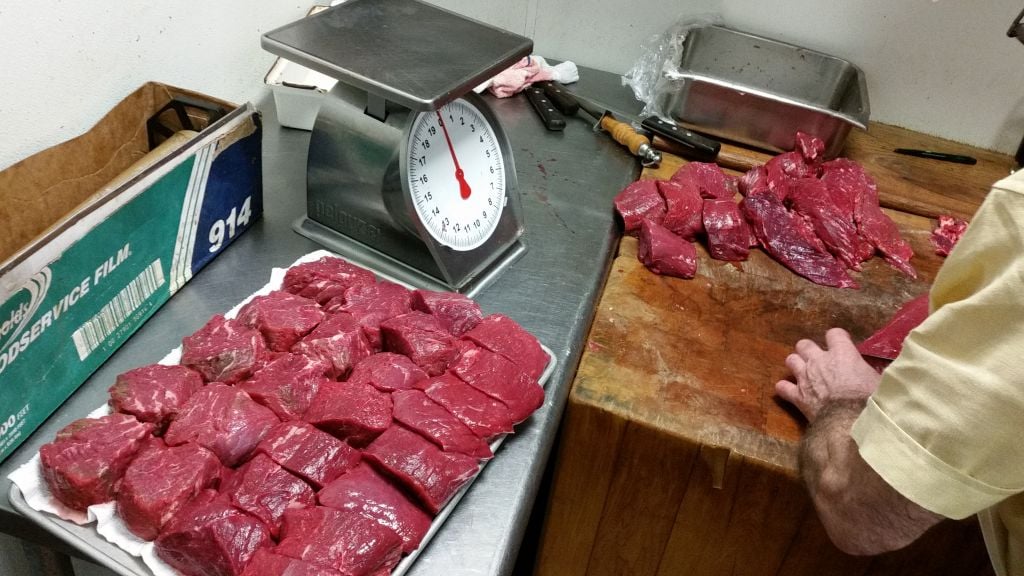
Next, the restaurateur learned to get creative with kosher cuts. After closely examining a prime rib, Meirelles and his butcher, Dominique, removed the cap of a rib eye and used the center as a kosher version of a fillet. It was the inspiration for “La Surprise.”
Then there was the challenge of developing a strictly kosher menu. That meant figuring out how to make potato dauphinoise without cheese, and fresh and dry sausages without pork. There could be no butter in the béarnaise or crème in the Chantilly.
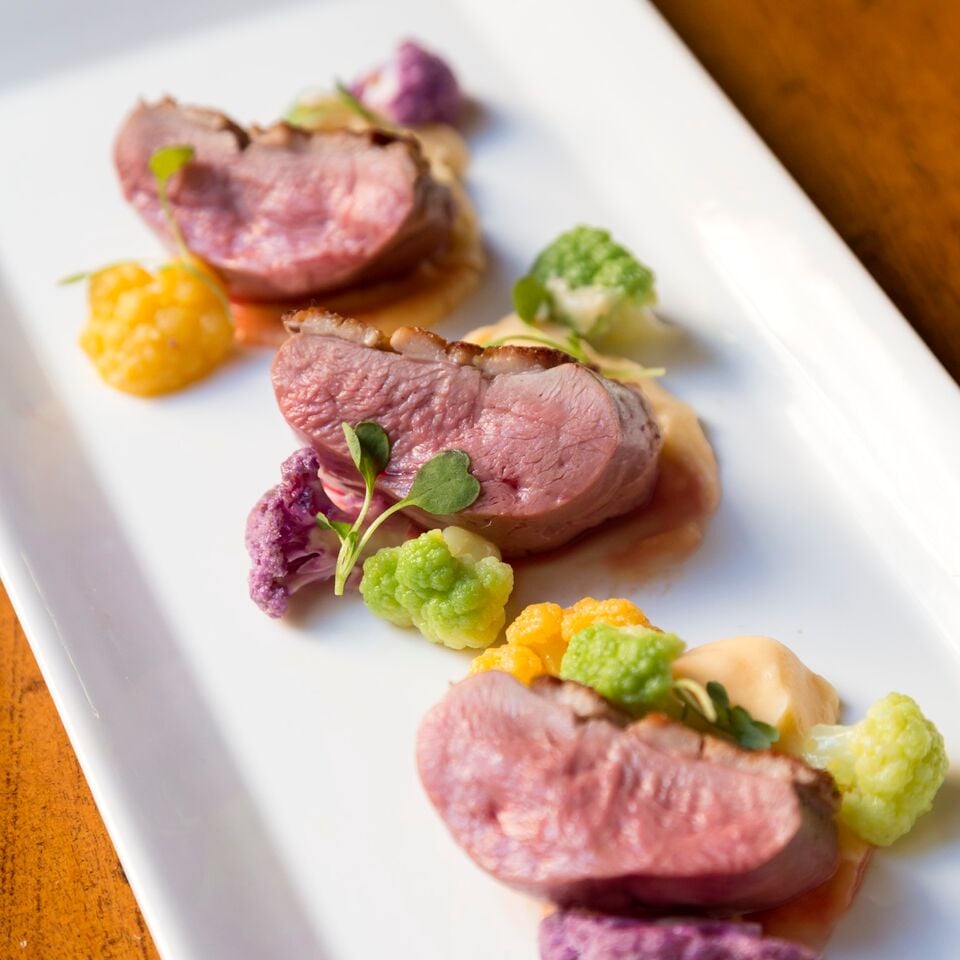
Enter executive chef Mark Hennessey, who is of Italian and Irish heritage and, like Meirelles, isn’t Jewish.
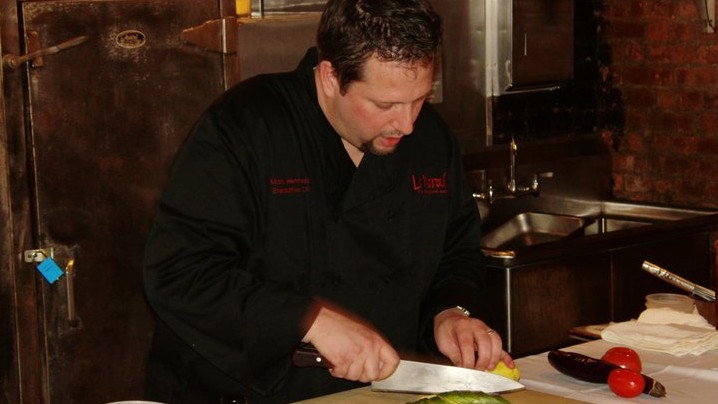
Back in 1994, Hennessey was working as executive chef at Levana, a kosher restaurant on Manhattan’s Upper West Side. Not entirely satisfied with his situation, Hennessey started looking around. On a whim, he responded to a classified advertisement in The New York Times. Within 10 minutes of faxing his resume he was called to come and interview, he wrote, in the introduction to “Le Marais: A Rare Steakhouse… Well Done,” the restaurant’s cookbook published earlier this year.
Meirelles said he’s excited to offer the cookbook, which features everything that’s on the restaurant’s menu.
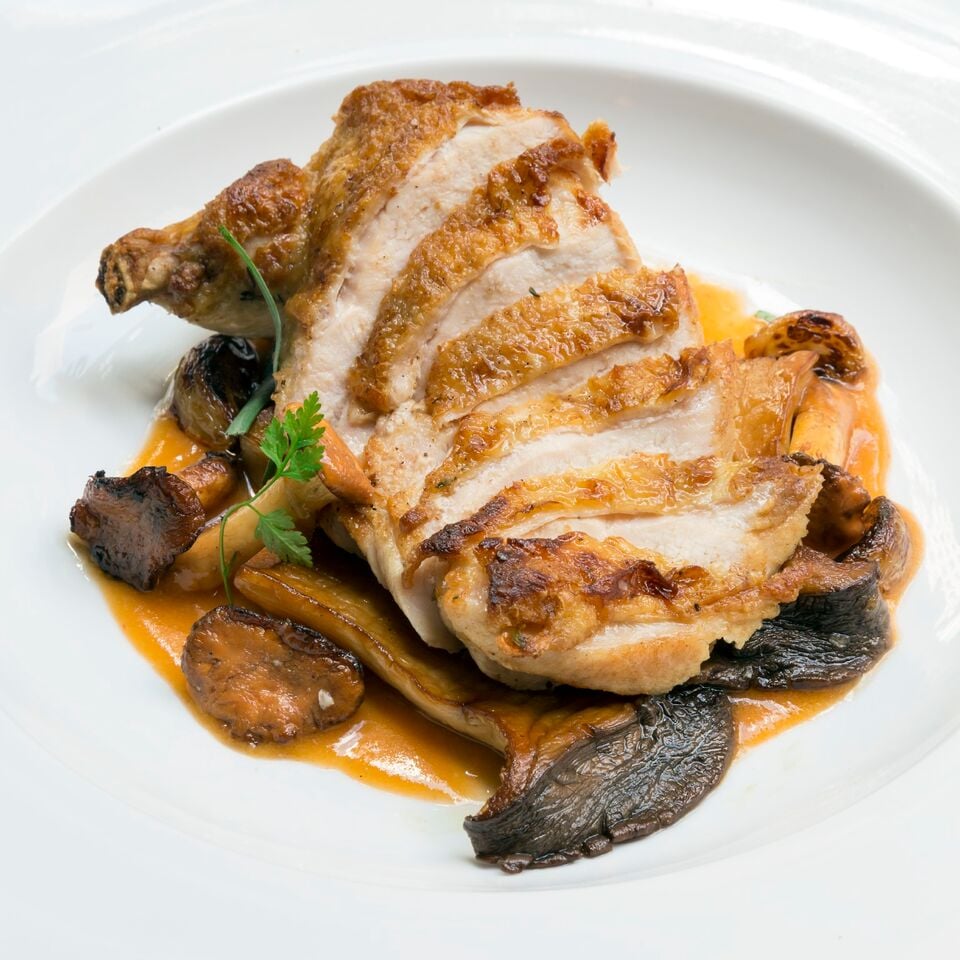
The daily menu offers staple dishes such as charcuterie, salade niçoise, sweet breads, chicken paillard and skirt steak. Several dishes carry the flavors of North Africa and Portugal. The classic “Opera,” a chocolate and mocha cake features on the dessert menu alongside apple tart with non-dairy “ice cream.”
But it’s the steak that keeps people coming back, Meirelles said.
“People come here for the steak. We probably sell about 400 steaks a day, or about 800 pounds. We did 500 covers last night. We had a branzino [European seabass] special; it came with corn from the farmer’s market. We only sold two,” he said.
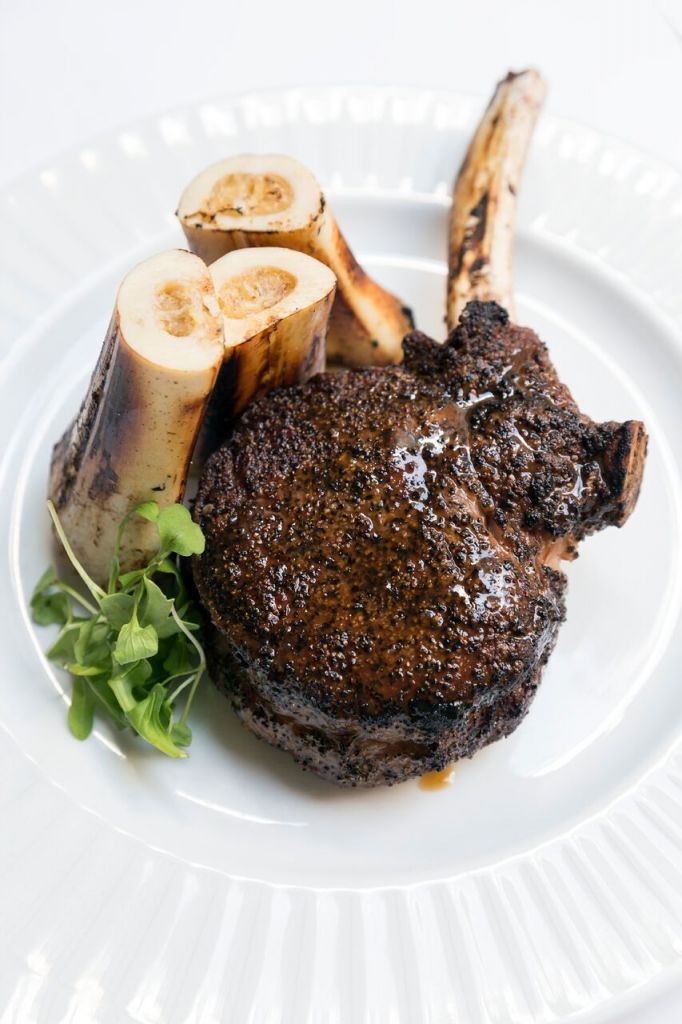
Today Le Marais is New York City’s top grossing kosher restaurant. That’s something, Meirelles said, considering that because of Shabbat and other Jewish holidays the bustling bistro is only open 270 days a year compared with the 365 days other steak houses such as Smith and Wollensky are open.
While Meirelles has no plans to open another location, he has expanded the business through catering. A back room on the second floor serves as a private dining room for special functions. He’s also considering selling take out Shabbat meals.
In a city where restaurants close almost as fast as they open, its longevity is a testament to the observant Jewish community’s desire for a restaurant that shows there is more to kosher cuisine than knishes and stuffed cabbage.
And for the owner who once knew next to nothing about kashrut?
“Cooking here hasn’t really changed the way I cook at home,” he said. “Although sometimes I think to myself ‘Did I just use this tong for meat or milk?’ And I no longer reach for butter when I cook a steak. There are these little automatic kosher things I do.”






The Times of Israel Community.