

The way the kurkar crumbles? As deteriorating cliffs pose a danger, politics bogs down repairs
After part of a coastal rock face collapses in Herzliya, those tasked with protecting these ridges call for cash – and a single coordinating body to help them get the job done

 Add ToI as a Preferred Source on Google
Sue Surkes is The Times of Israel's environment reporter
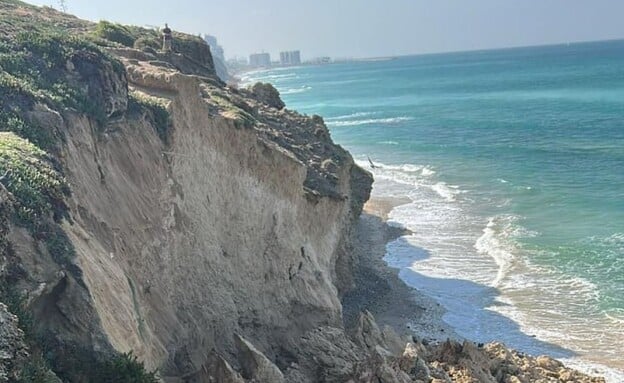
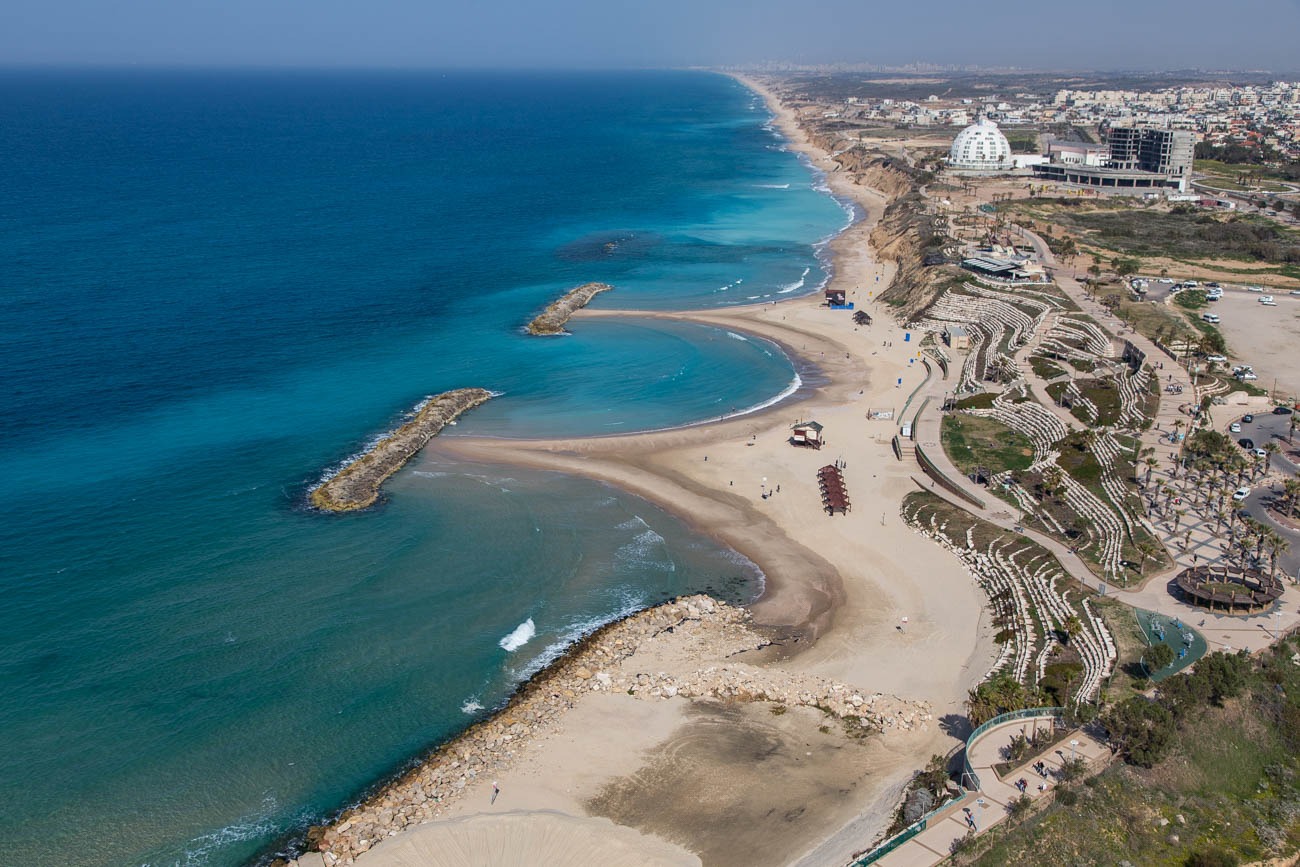
When part of a coastal cliff collapsed on Saturday, luckily no one was hurt. That’s because the rockfall occurred at Sidna Ali beach in central Herzliya, which the local council had already closed to the public after the government neglected for years to fund repairs.
Israel has 45 kilometers (28 miles) of soft kurkar cliffs, of which 22 kilometers (13.7 miles) have been earmarked for strengthening, as they overlook public beaches. The issue is not only a matter of environmental conservation: Two people have been killed due to cliff collapses over the past two decades.
Despite a 2010 government decision to protect the crumbling Mediterranean coastline, ministerial infighting and a massive funding gap are leaving the cliffs — and the public — at risk. With responsibility split between ministries that cannot agree on funding or authority, the collapse at Herzliya’s Sidna Ali beach serves as a stark reminder that while the sea is rising, the defense of Israel’s shoreline remains stalled by political and financial paralysis.
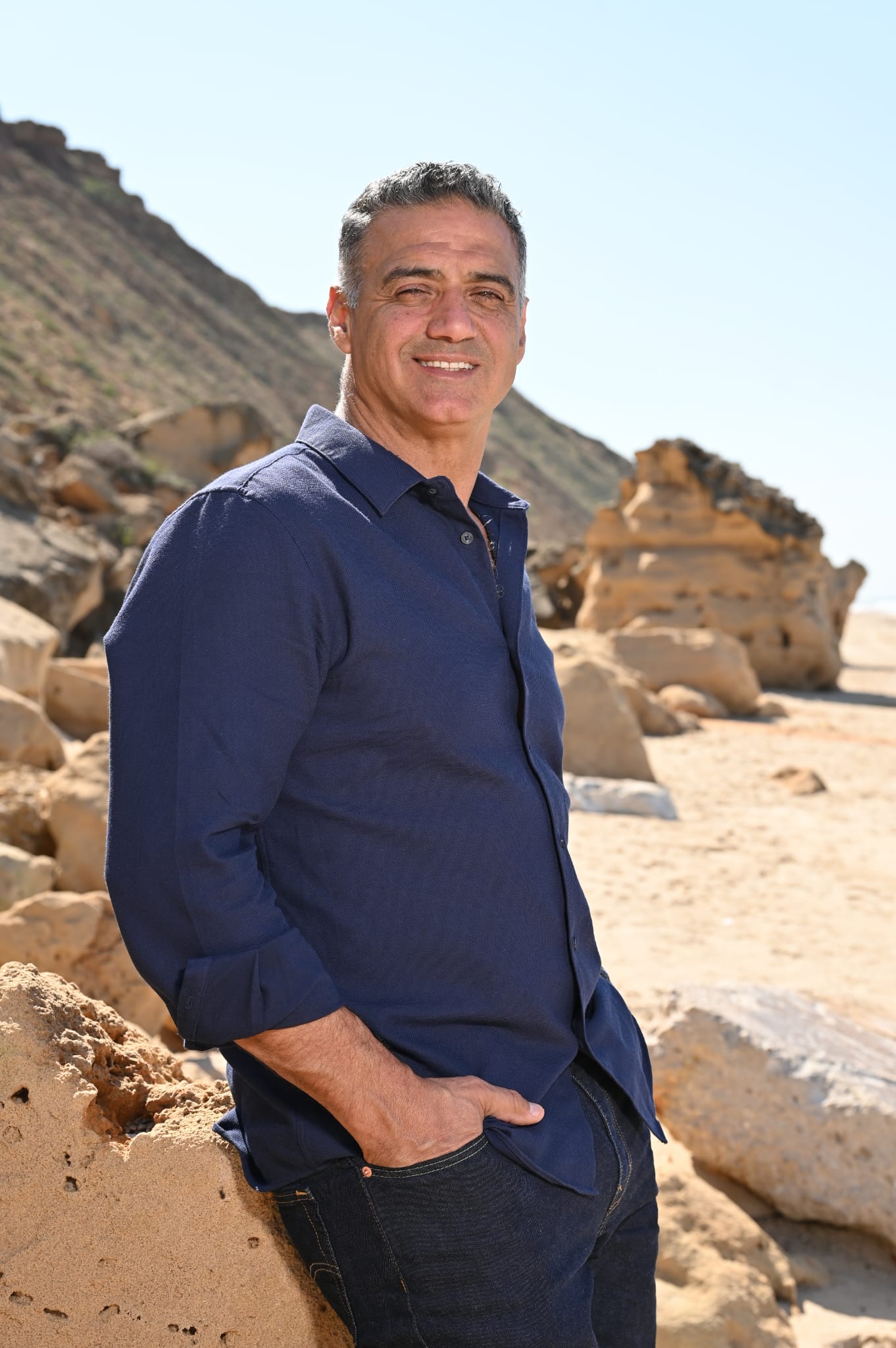
“The writing is on the cliffs,” said Ilan Lavi, CEO of the Mediterranean Coastal Cliffs Preservation Government Company, “and the cliffs are collapsing.”
When the government decided that it needed to protect the coastline in 2010, it split the responsibility into two parts.
The Mediterranean Coastal Cliffs Preservation Government Company was established in 2013 to construct 13 kilometers (8 miles) of protective infrastructure in the sea, such as breakwaters, to reduce the wave force at the base of the cliffs. It answers to the Environmental Protection Ministry.
Meanwhile, the strengthening of the cliffs on the land side was left to the local authorities, with funds to be provided by the Interior Ministry.
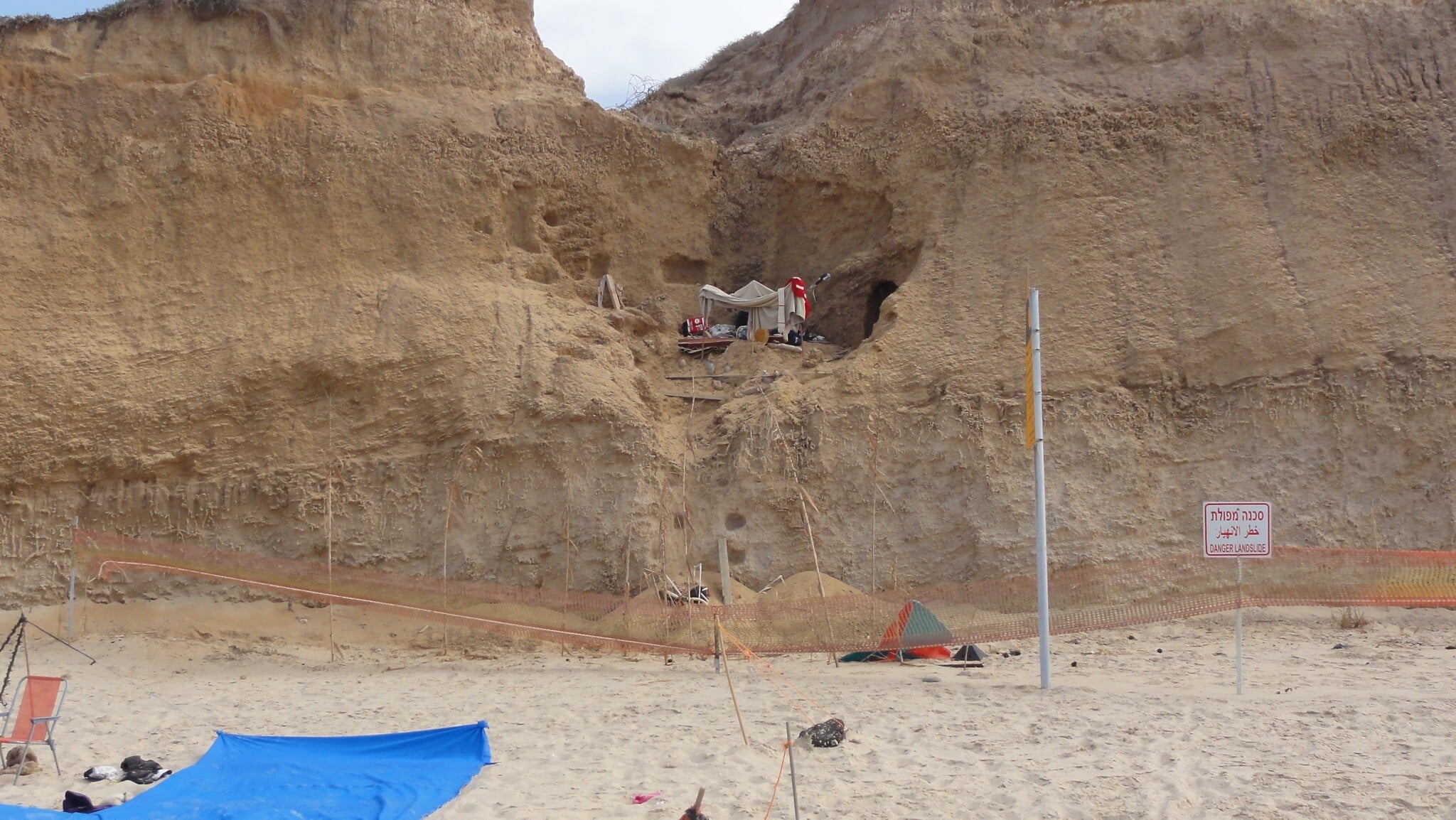
However, the Interior Ministry has not allocated any funds to the authorities in the past five years, the Finance Ministry is dragging its feet on a new budget for marine protection, and there are disagreements over whether all authority over the cliffs should be vested in a single body or remain split, with no overall coordination.
Marine protection
The Israel Land Authority has provided an NIS 360 million ($115 million) budget for a first tranche of marine protection, out of which NIS 330 million ($106 million) has already been spent. The Mediterranean Coastal Cliffs Preservation Government Company has built breakwaters and added sand to make the beaches deeper for 3.5 kilometers (two miles) of cliffs in coastal Netanya, and 800 meters (half a mile) in southern Ashkelon.
The money will run out in June.
Through the Environmental Protection Ministry, the company has requested the same sum for a second stage to fund a major breakwater project for Herzliya and solutions for Ashkelon, Bat Yam, Emek Hefer (including Beit Yannai), and areas managed by the Israel Nature and Parks Authority.
However, the Finance Ministry is only considering allocating NIS 150 million ($48 million), according to the Environmental Protection Ministry.
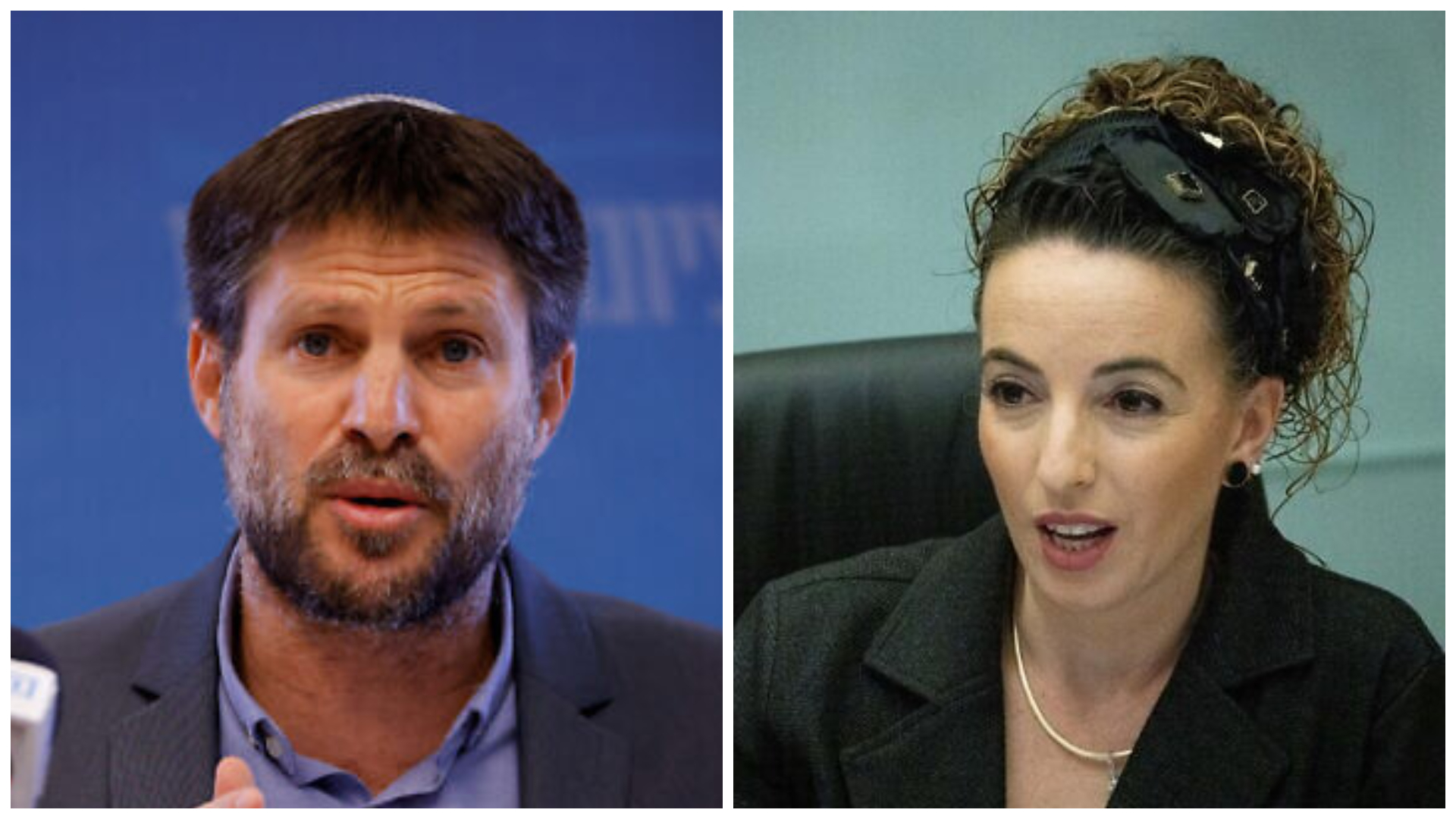
Last August, Environmental Protection Minister Idit Silman wrote to Finance Minister Bezalel Smotrich, noting that her ministry had been working with his officials for over two years on the budget for stage two. Instead of taking action, she charged, the Finance Ministry was demanding significant cost reductions and raising additional conditions, such as financial participation by local authorities and even levies on owners of coastal properties.
Terrestrial protection
Terrestrial measures to protect cliffs can include covering them with a plastic grid, stabilizing them with vegetation, adding drainage, building concrete buttresses, or drilling steel pins into them.
However, according to the Federation of Local Authorities in Israel, the problem has long been ignored by the Interior Ministry, which is responsible for funding terrestrial cliff protection.
“Despite the state’s obligation to transfer dedicated budgets to local authorities for the treatment of cliffs along coastal cities, no such funding has actually been transferred in the last five years, ” a Federation spokeswoman said.
A Nature and Parks Authority spokeswoman confirmed that funds had been made available from the Israel Lands Authority’s Open Spaces Protection Fund for a project it was working on with the Herzliya Municipality to prevent water from draining off the cliff. For other sections of cliffs under the authority’s control, however, there was no funding, she confirmed.
The Finance Ministry said it had no response to an inquiry from The Times of Israel, while the Interior Ministry had not responded by press time.
Only the Tel Aviv-Jaffa Municipality has funded protection out of its own budget.
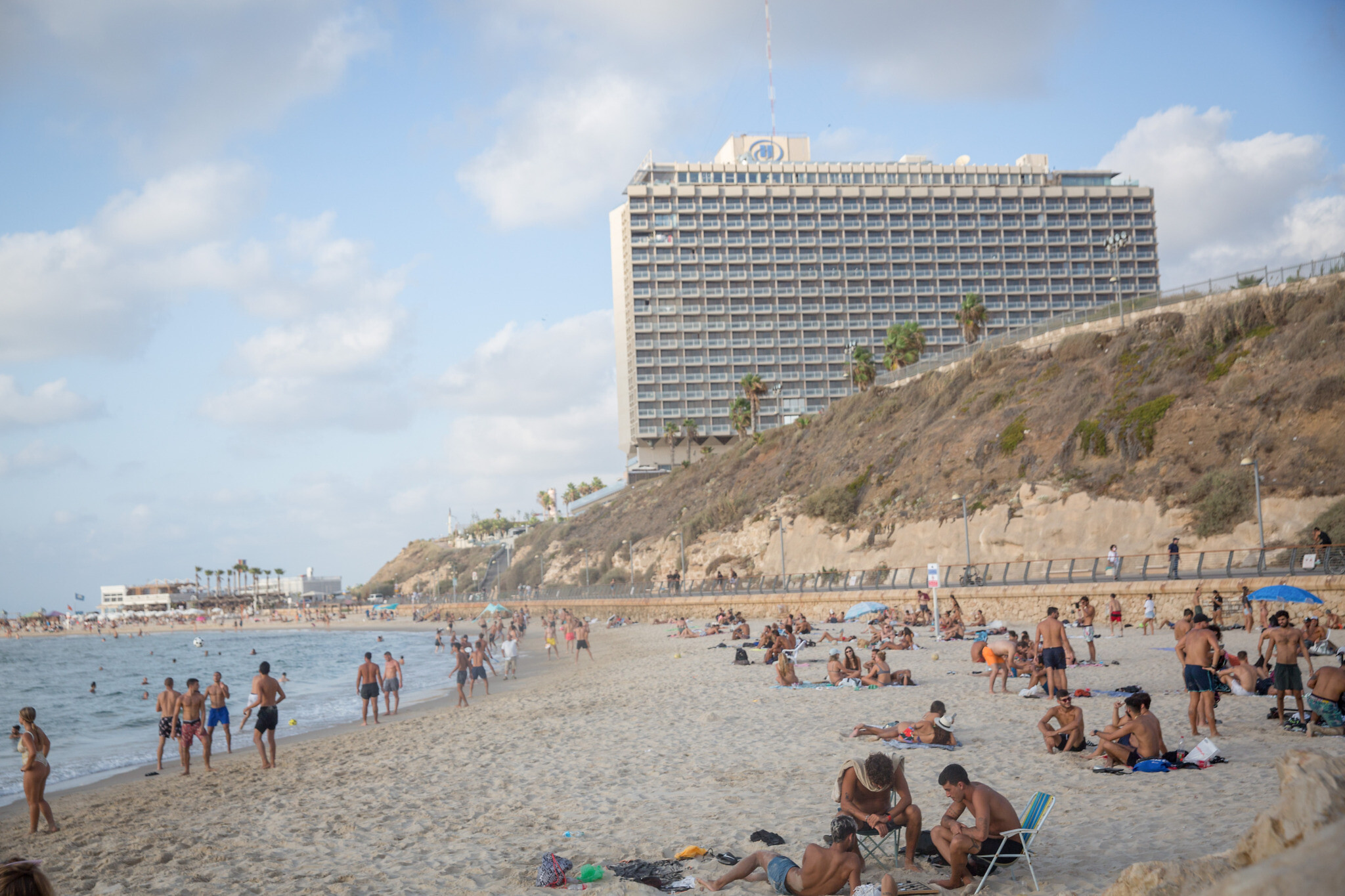
The cliffs are suffering from natural erosion as well as human-induced changes, such as buildings and marinas. Cliffs in Ashkelon, on the southern coast, for example, have retreated by dozens of meters over the past 20 years.
Climate change is expected to raise sea levels and intensify storms, battering the cliffs even more and posing a growing threat to human life, buildings and infrastructure, valuable real estate, national parks, and archaeological sites.
And doing nothing is likely to cost much more than strengthening the cliffs now.
Lavi said that research carried out by BDO, an accounting and consulting firm that often carries out research for government ministries, showed that failure to deal with the cliffs could cost the state NIS 2.7 billion ($867 million) in losses from infrastructure that is damaged or needs to be moved, especially from within the belt of land 300 meters (988 feet) from the sea, where public buildings and tourist facilities are allowed.
The Environmental Protection Ministry and the Coastal Cliffs Preservation Company want to take overall responsibility for both the marine and terrestrial aspects of cliff protection, subject to sufficient funds being made available, but the Finance Ministry is opposed, according to Lavi.
“There’s just one responsible body in other countries,” Lavi told The Times of Israel. “We have the expertise to deal with the territorial defenses [as well]. You have cliffs, and tar washing up, and nature and issues of accessibility, and it should all be seen holistically and dealt with strategically.”
Lavi continued that, with a single coordinating body and sufficient funds, the entire 22 kilometers of cliffs identified for terrestrial strengthening could be reinforced within five years, leaving only maintenance work to be done.
He added that his company was looking for cheaper, innovative, marine solutions that were better for the environment.
Breakwaters are not only expensive; they also block sand movement, causing upstream erosion that narrows beaches and brings waves closer to the cliffs.
Lavi said the company was experimenting with artificial reefs in Netanya, funded by the European Union.
Metal infrastructure already in the water will be connected to electricity to draw in marine life, with the hope that it will be colonized within a few months.
Lavi explained that the Mediterranean Coastal Cliffs Preservation Government Company spent the period from 2015 to 2020 on planning, beginning implementation only in 2020.
In 2020, the state comptroller published a damning report saying hardly any of the planned solutions had been implemented. He highlighted disagreements between ministries and between the government and local authorities over funding responsibility, and criticized the Mediterranean Coastal Cliffs Preservation Government Company.
In a follow-up report in July 2024, the state comptroller found that, out of an estimated NIS 670.5 million ($215 million) needed for terrestrial cliff protection, only NIS 60 million ($19.25 million) had been allocated by the Interior Ministry up to 2021, and only NIS 21 million ($6.7 million) of that had been used. He noted a May 2022 appeal by the Coastal Authorities Forum to then-prime minister Naftali Bennett, stating that NIS 60 million wasn’t even enough for initial planning and that the funds had been used only sparingly due to bureaucratic barriers.
Lavi urged the public to take note of warning signs.
“In lots of places in Israel, the cliff is thought to be very romantic, a place to watch the sunsets, or to propose marriage, and people sit right on the edge, which is no less dangerous than sitting underneath the cliff,” he said.
He added that the government should “either give up and say, ‘That’s the situation,’ or deal with it. If you deal a bit with the sea, and not with the land, people think it’s being dealt with. And that’s the worst.”




The Times of Israel Community.