

Their labs destroyed by a missile, Weizmann scientists publish innovative blood cancer study
Researchers say they won’t be able to return to facilities for years; findings can potentially lead to blood test that could replace invasive diagnostic bone marrow sampling
 Add ToI as a Preferred Source on Google
Reporter at The Times of Israel
Days after their labs were severely damaged in an Iranian ballistic missile attack on June 15, Weizmann Institute of Science researchers published new findings in Nature Medicine that could lead to an innovative blood test for detecting a person’s risk of developing leukemia.
The test might also potentially replace the invasive diagnostic procedure of bone marrow sampling.
Nobody was killed by Iran’s missile strike on the world-leading research institute in Rehovot. But the strike destroyed around 45 labs, some containing researchers’ entire life’s work, which might take years and tens of millions of shekels to rebuild.
Established in 1934 by Israel’s first president and prominent scientist Chaim Weizmann, the Weizmann Institute is a world-leading multidisciplinary research institution in the natural and exact sciences.
Two days after the strike, the prestigious European Research Council announced the 281 recipients of its Advanced Grants. Of the 12 grants awarded to Israeli universities, six went to the Weizmann Institute. In the life sciences category, Weizmann secured four of the 81 grants awarded by the ERC.
Iran is believed to have targeted the institute in response to Israel eliminating several nuclear scientists as part of its effort to prevent Tehran from obtaining a nuclear bomb.
For the 12 days of Israel’s Operation Rising Lion, Iran fired over 500 missiles and 1,000 drones at Israeli population centers, killing 28 people, wounding thousands and leaving thousands more homeless.
“We can’t go into the lab for the next few years,” said lead researcher Prof. Liran Shlush, speaking to The Times of Israel by phone.
However, the institute has arranged a “small room” so that his team of researchers, including Prof. Amos Tanay, Dr. Nili Furer, Nimrod Rappoport and Oren Milman, can continue their work, he said.
Immediately after the attack, “international colleagues and friends called to offer their help,” Shlush said. “There are a lot of good people around the world.”

Understanding the aging process through blood
Shlush’s team of scientists includes hematologists, evolutionary biologists and data scientists.
To better understand the aging process, the researchers have been conducting in-depth studies into the biology of blood to discover why some people become more susceptible to disease over the years. The team has focused on tracking changes in blood-forming stem cells.
In about one-third of people over the age of 40, there is an emergence of genetic changes in these stem cells. These changes not only increase the risk of blood cancers such as leukemia but have also been linked to heart disease, diabetes and other age-related conditions.
Rare stem cells carry diagnostic information
The study focused on myelodysplastic syndrome (MDS), an age-related condition in which blood stem cells fail to properly mature into functional blood cells. Diagnosing MDS and assessing its severity is crucial, as the syndrome can lead to severe anemia. It may also progress to acute myeloid leukemia, one of the most common blood cancers in adults.
Until now, diagnosis has relied on bone marrow sampling, a procedure that requires local anesthesia and can cause discomfort or pain.
The study showed that rare blood stem cells that occasionally exit the bone marrow and enter the bloodstream carry diagnostic information about MDS. The researchers demonstrated that with a simple blood test and advanced single-cell genetic sequencing, it is possible to identify early signs of the syndrome and even assess a person’s risk of developing blood cancer.
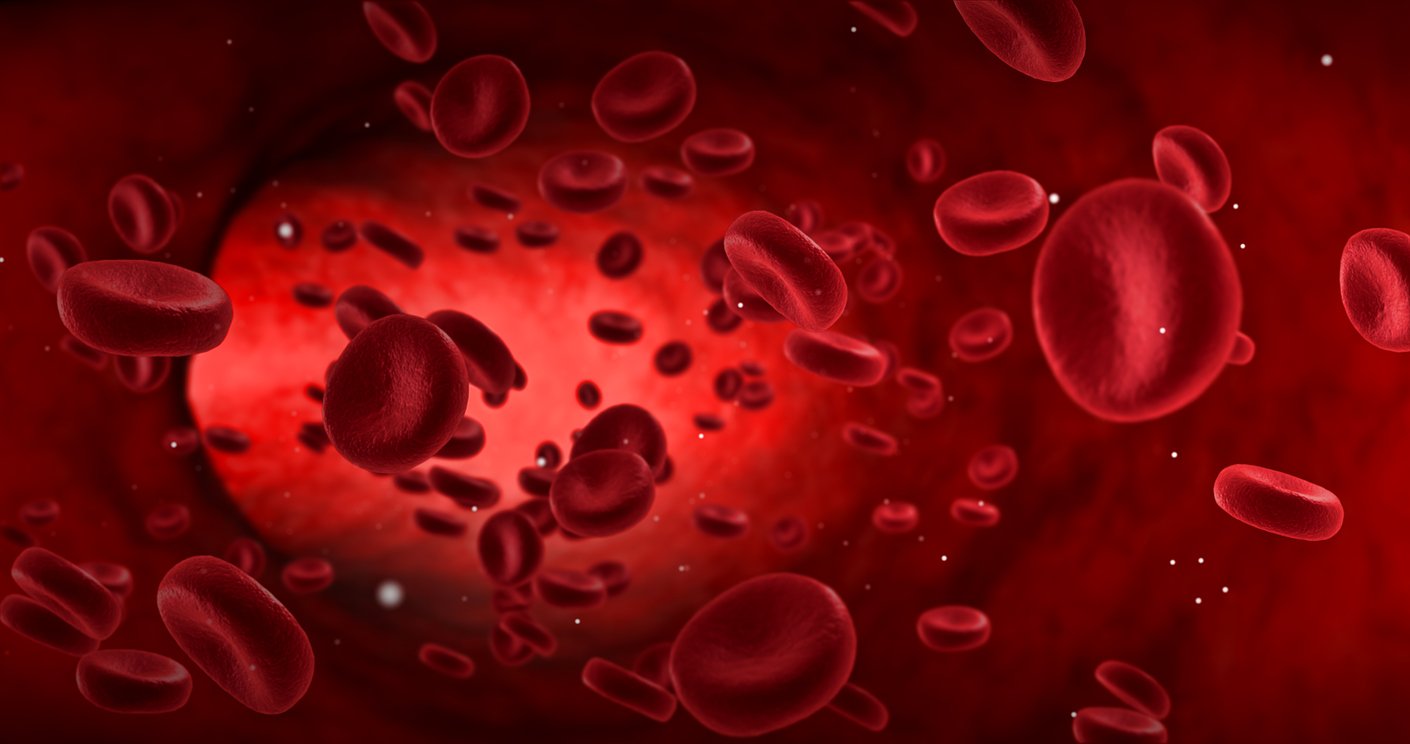
The researchers also discovered that the migrating stem cells can serve as a clock for our chronological age and that in males, their population changes earlier than in women.
“I was surprised to see the differences between males and females with regard to aging,” Shlush said.
This finding may explain the higher prevalence of blood cancers among men.
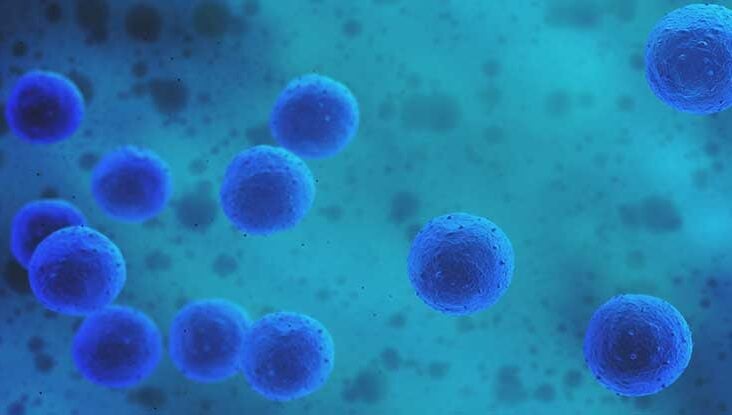
Shlush was also surprised to find that the number of stem cells varies among healthy individuals. Even people who are not sick naturally have more or fewer stem cells than others.
Normal stem cell levels might not be the same for everyone, which could have implications for understanding disease risk and aging.
“One should expect it, as humans are so different from each other, but there is large variability there, and this is why the findings are so important,” he said. “Unless you capture this variability in the healthy population, you cannot define what is unhealthy.”
The current findings are already being tested in a large-scale clinical trial at several medical centers around the world, including in Japan, Taiwan, Canada and the United States.
“The key to the next step is discovering how we can use the information,” Shlush said. “This research really takes us in a different direction.”










The Times of Israel Community.