

‘They killed my child’: Bystanders slain during bloody crackdown on Iran protests
Woman says she was separated from daughter amid gunfire, only to find her in morgue days later; man says brother was shot after sheltering teen protesters in his shop
 Add ToI as a Preferred Source on Google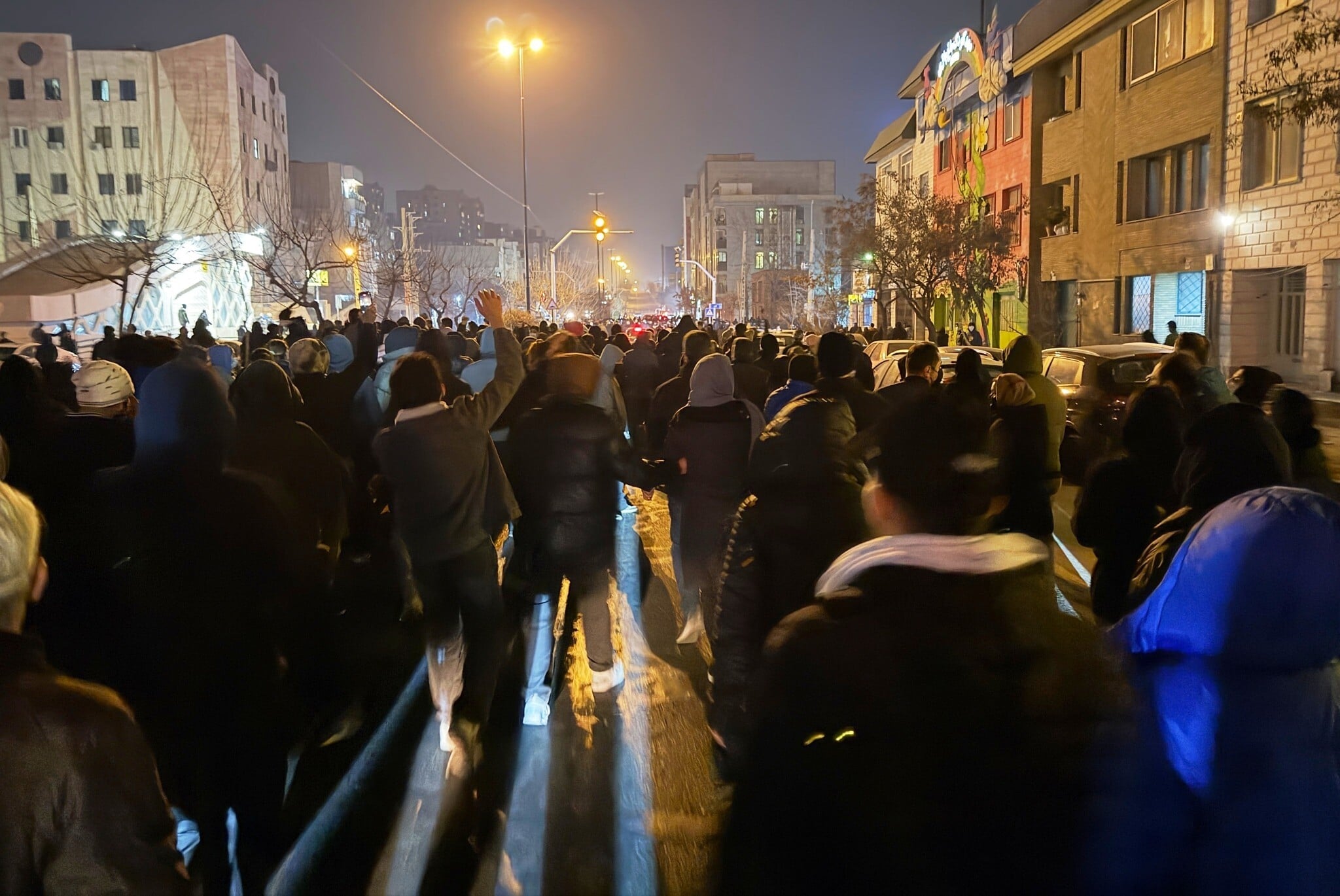
DUBAI, United Arab Emirates (Reuters) — Art student Arash was walking home through the streets of Tehran when a shotgun blast ended his life. He had not shouted slogans, joined protesters, or raised a fist.
A friend, speaking by telephone from the Iranian capital, described the moment in a voice cracking with grief: Arash fell instantly, lifeless on the pavement. He was 22.
The friend, who spoke on condition of anonymity due to fear for his security, said they had paused on the sidewalk to watch a protest in nearby Vanak Square when security forces in black uniforms arrived and began firing randomly toward the demonstrators.
Arash’s death on January 8 is an example of what witnesses say has been a reality of the country’s latest anti-government protests — bystanders uninvolved in the unrest caught in gunfire, or killed as they tried to flee the chaos.
Reuters was unable to independently verify this account or similar witness reports of deaths during the state’s crackdown on the unrest, and could not determine how many of the thousands killed were bystanders or people merely near the protests when they were shot.
But accounts from families and witnesses suggest that indiscriminate force used by security forces to crush the unrest killed many civilians who were not participating, leaving relatives to scour hospitals, morgues, and detention centers for answers.
Unlawful lethal force used in Iran, Amnesty reports
Officials in Iran could not be reached for comment about the deaths described in this story as authorities began blocking telephone lines and internet connections from January 8, when protests spread nationwide. From January 13, Iranians have been able to make outgoing international phone calls, while calls into the country remain blocked.
There was no immediate response to requests for comment sent to the Iranian UN missions in Geneva and New York.
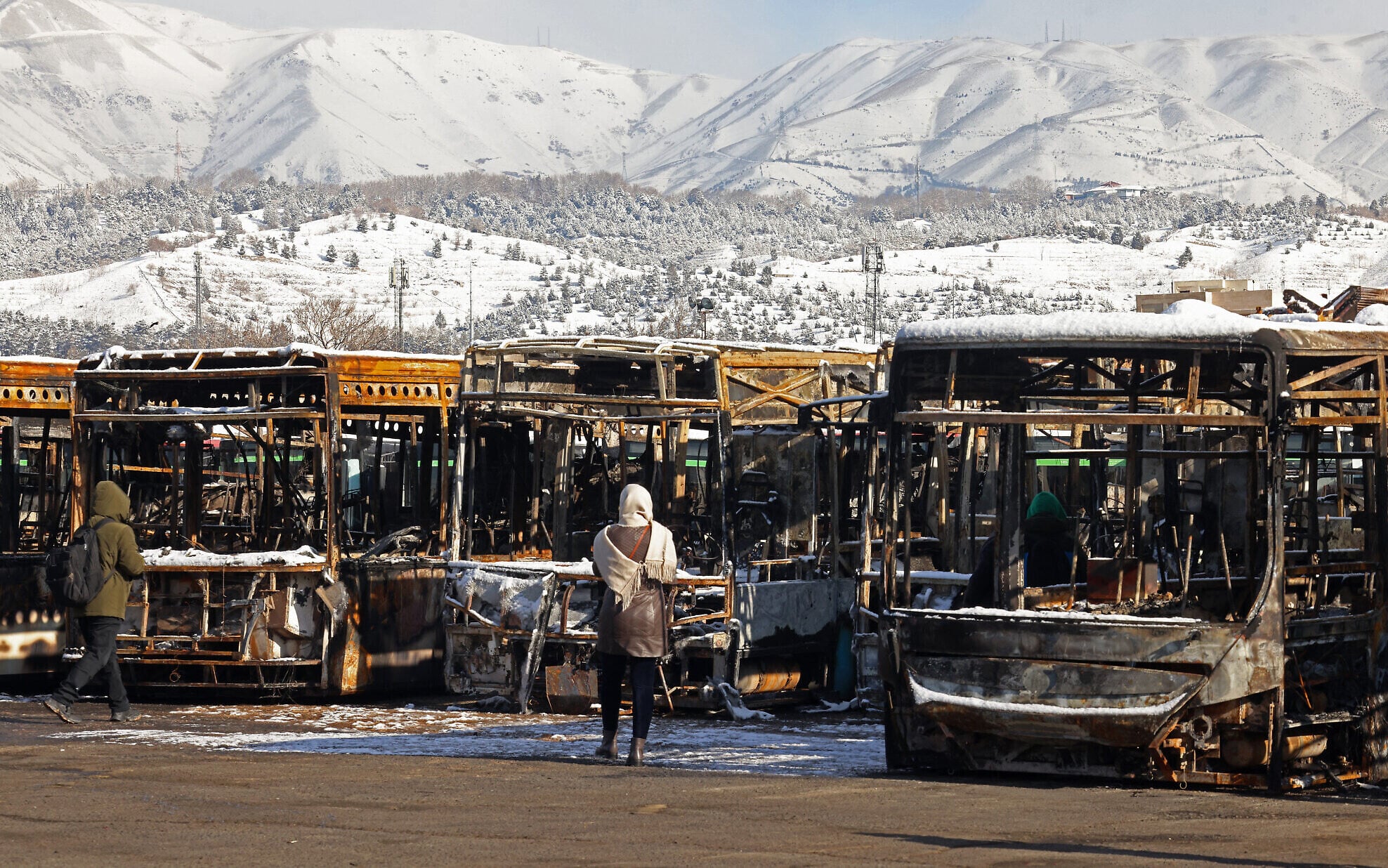
Authorities have blamed the unrest and deaths on “terrorists and rioters” backed by exiled opponents and foreign adversaries, the United States and Israel. State TV aired footage of burned police and government buildings, mosques, and smashed banks it said had been attacked by “terrorists and rioters.”
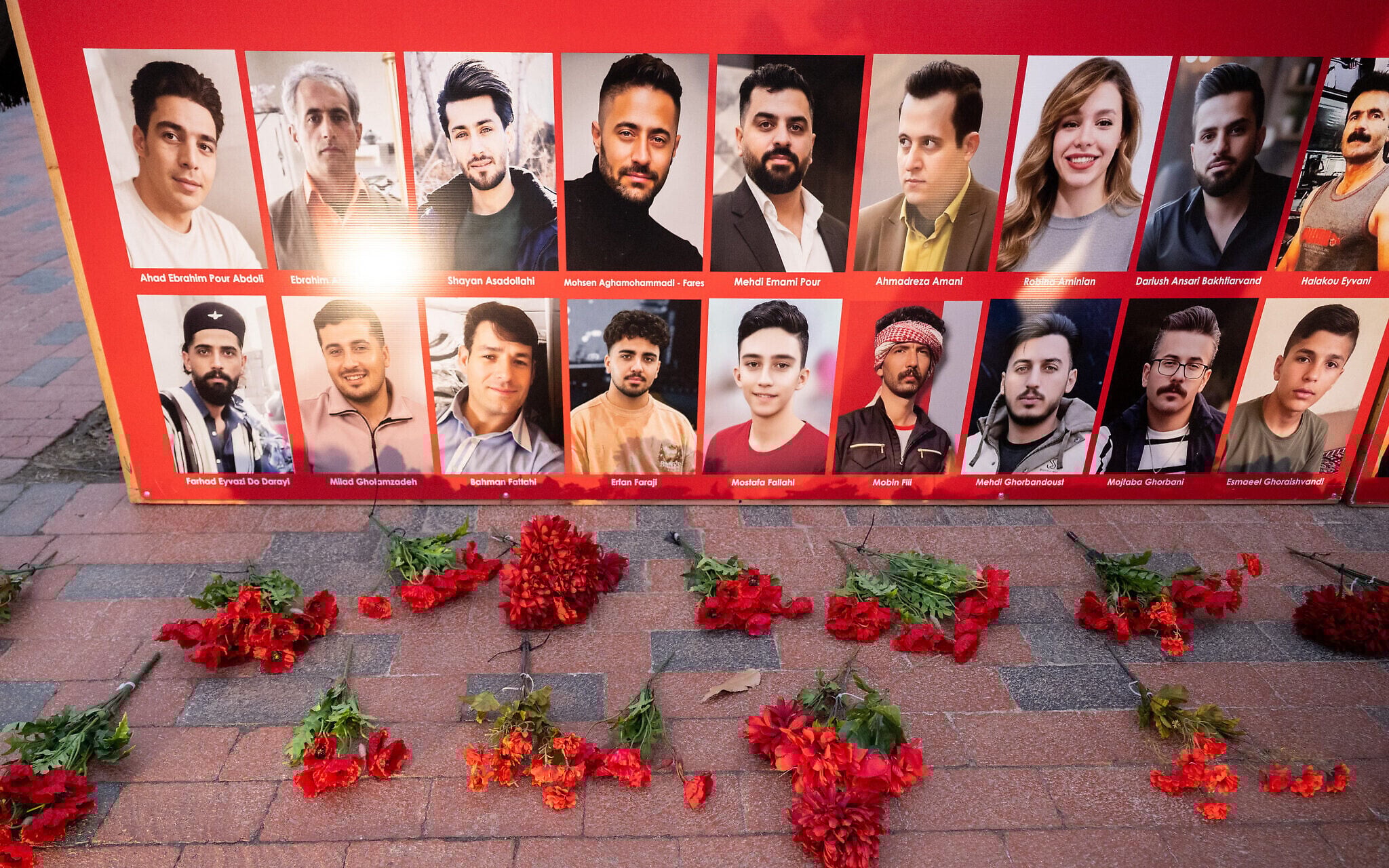
The US-based HRANA rights group said it has so far verified 4,519 unrest-linked deaths, including 4,251 protesters, 197 security personnel, 35 people aged under 18, and 38 bystanders who it says were neither protesters nor security personnel.
HRANA has 9,049 additional deaths under review. An Iranian official told Reuters the confirmed death toll until Sunday was more than 5,000, including 500 members of the security forces.
The protests began on December 28 as modest demonstrations in Tehran’s Grand Bazaar over economic hardship and quickly spread nationwide.
Indiscriminate fire reported by witnesses
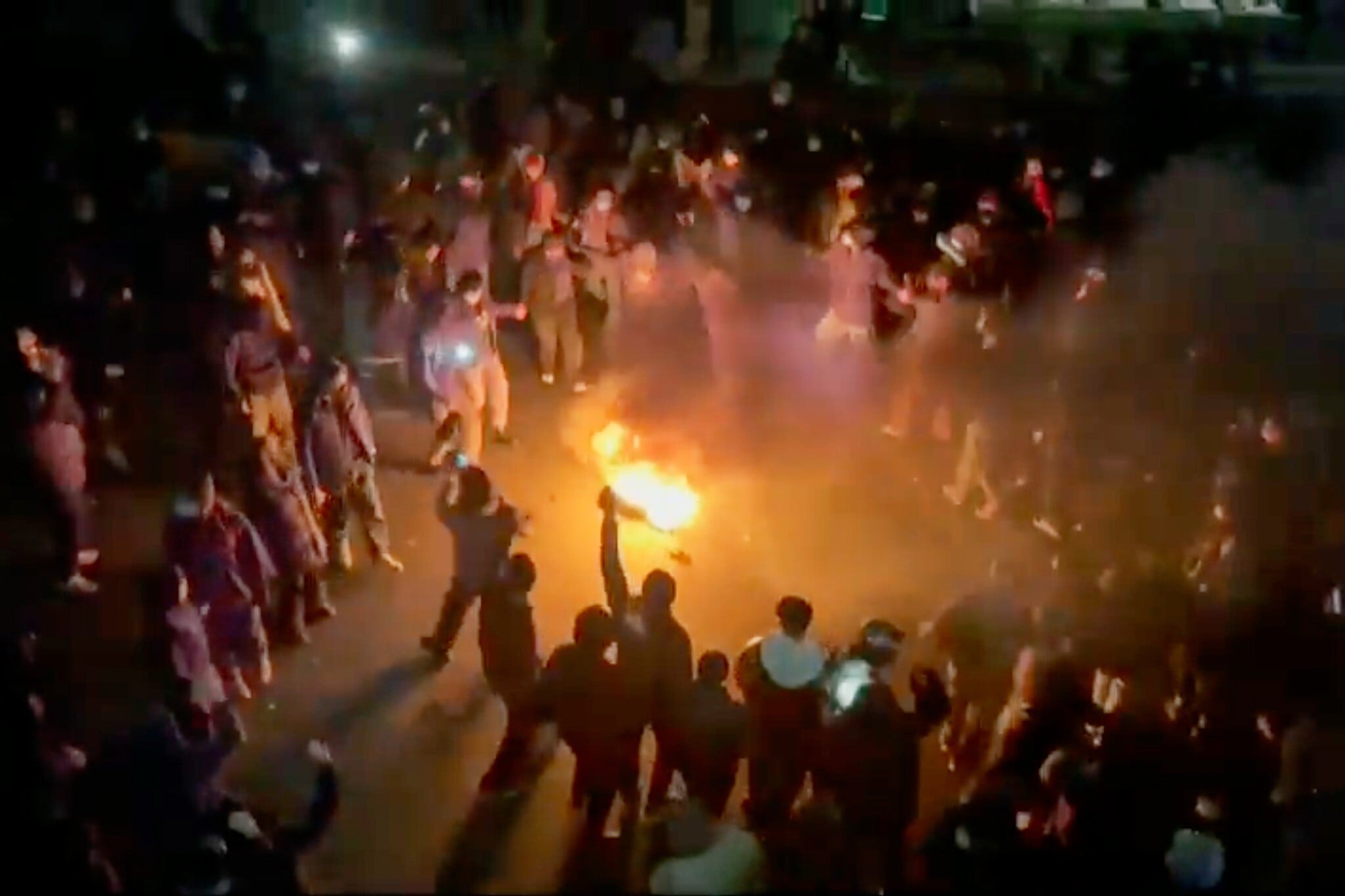
Within days, crowds in cities and towns were calling for an end to clerical rule, and state TV showed footage of what it called “rioters” burning images of Supreme Leader Ayatollah Ali Khamenei.
Amnesty International said in a report it had documented security forces positioned on streets, rooftops — including those of residential buildings, mosques and police stations — repeatedly firing rifles and shotguns loaded with metal pellets, often aiming at unarmed individuals’ heads and torsos.
It said the evidence points to a coordinated nationwide escalation in the security forces’unlawful use of lethal force against mostly peaceful protesters and bystanders since the evening of January 8.
The unrest has posed one of the gravest threats to Iran’s clerical establishment in years, with US President Donald Trump repeatedly threatening to intervene if protesters continued to be killed on the streets or were executed.
Iran’s judiciary has indicated that the execution of those detained during the protests may go ahead.
Numerous accounts from inside Iran, including from people who have since left the country, said security forces fired live ammunition indiscriminately, turning streets — particularly on January 8 and 9 — into what witnesses likened to war zones.
Among the victims was Fariba, a 16-year-old girl described by her mother, Manijeh, as curious and full of life.
On a night when she went with her mother to a nearby square simply to observe, security forces on motorcycles attacked the protesters.
‘They killed my child,’ says mother of 16-year-old
Manijeh clutched her daughter’s hand and sought shelter behind a parked car amid the gunfire. In the ensuing panic, she lost her grip, and mother and daughter became separated.
“I searched street after street, screaming her name,” Manijeh recounted, sobbing over the phone. “She was gone.”
That night, the family scoured police stations and hospitals. They found Fariba two days later in a black body bag inside the Kahrizak Forensic Medical Center in south Tehran, shot in the heart, her body cold.
Officials told the family that “terrorists” had killed her.
“No,” her mother said. “I was there that night. The security forces opened fire on people. They killed my child.”
Videos on social media showed footage of families searching for their relatives among hundreds of body bags in morgues and the Kahrizak Center. Reuters verified the location of the videos as Kahrizak Center, although the identity of the people and the date when the videos were filmed could not be verified.
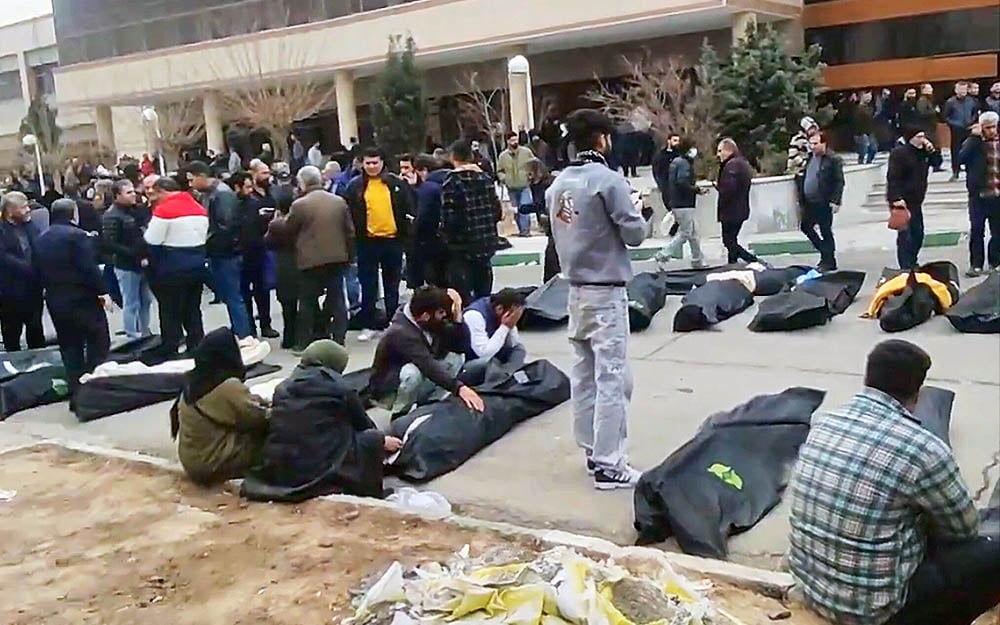
A physician who left Iran on January 14 said hospitals were overwhelmed with gunshot victims. In Karaj, west of Tehran, a resident described security forces deploying automatic rifles against protesters and bystanders on January 8.
Similar accounts emerged from the western city of Kermanshah, where Revolutionary Guards used armored vehicles and tanks to contain demonstrations.
‘They smashed doors, cursing,’ says brother of missing woman
In Isfahan, the brother of a 43-year-old man recounted holding his sibling’s blood-soaked body after security forces shot him. “His only act was sheltering teenage protesters fleeing into his shop,” said Masoud, 38, by telephone.
Like other Iranians interviewed for this story, Masoud asked for his full name to be withheld for fear of reprisals.
In another case, the family of Nastaran, a 28-year-old elementary school teacher in Tehran, spent days searching for her after she visited a cousin on January 9 and never returned.
They found her body in a warehouse near Tehran. She had been shot by security forces, said Nastaran’s father.
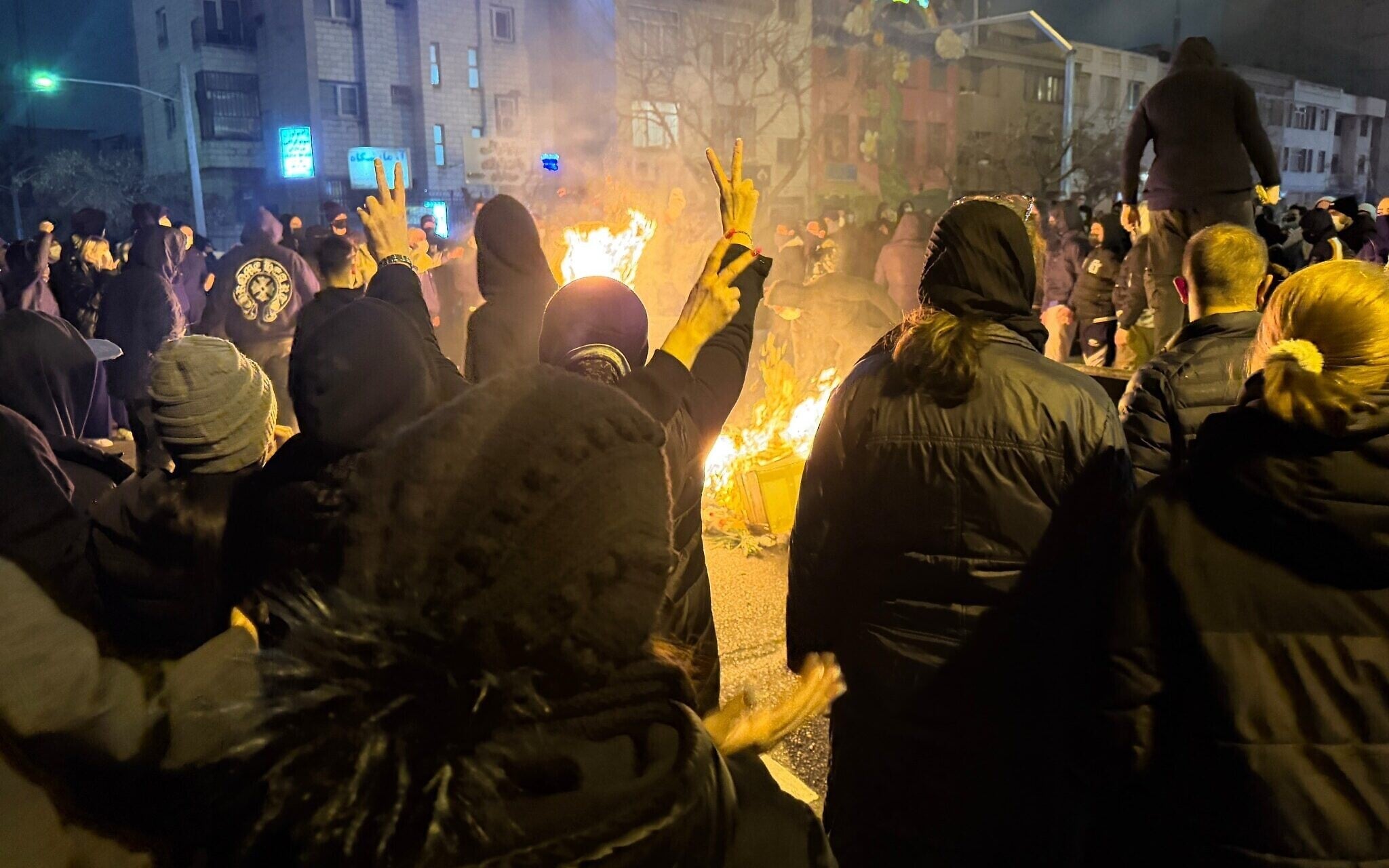
Authorities allowed retrieval only on condition of burial in the family’s hometown in central Iran and pressured them to blame “terrorists” — a claim the relatives rejected, he said.
Another family in the northern city of Rasht said security forces stormed their apartment after spotting their 33-year-old daughter, Sepideh, watching protests from a window.
“They smashed doors, cursing and yelling. They detained her. We don’t know where she is,” said Morteza, her brother.
“My sister’s two young children cry for her; her husband has been warned of arrest if he keeps searching for her.”








The Times of Israel Community.