

Three months in, is Trump losing the war against Iran?
Central goals including denuclearization of Tehran remain unmet even as conflict lasts twice as long as US president said it would, leaving him with few appealing endgame options
 Add ToI as a Preferred Source on Google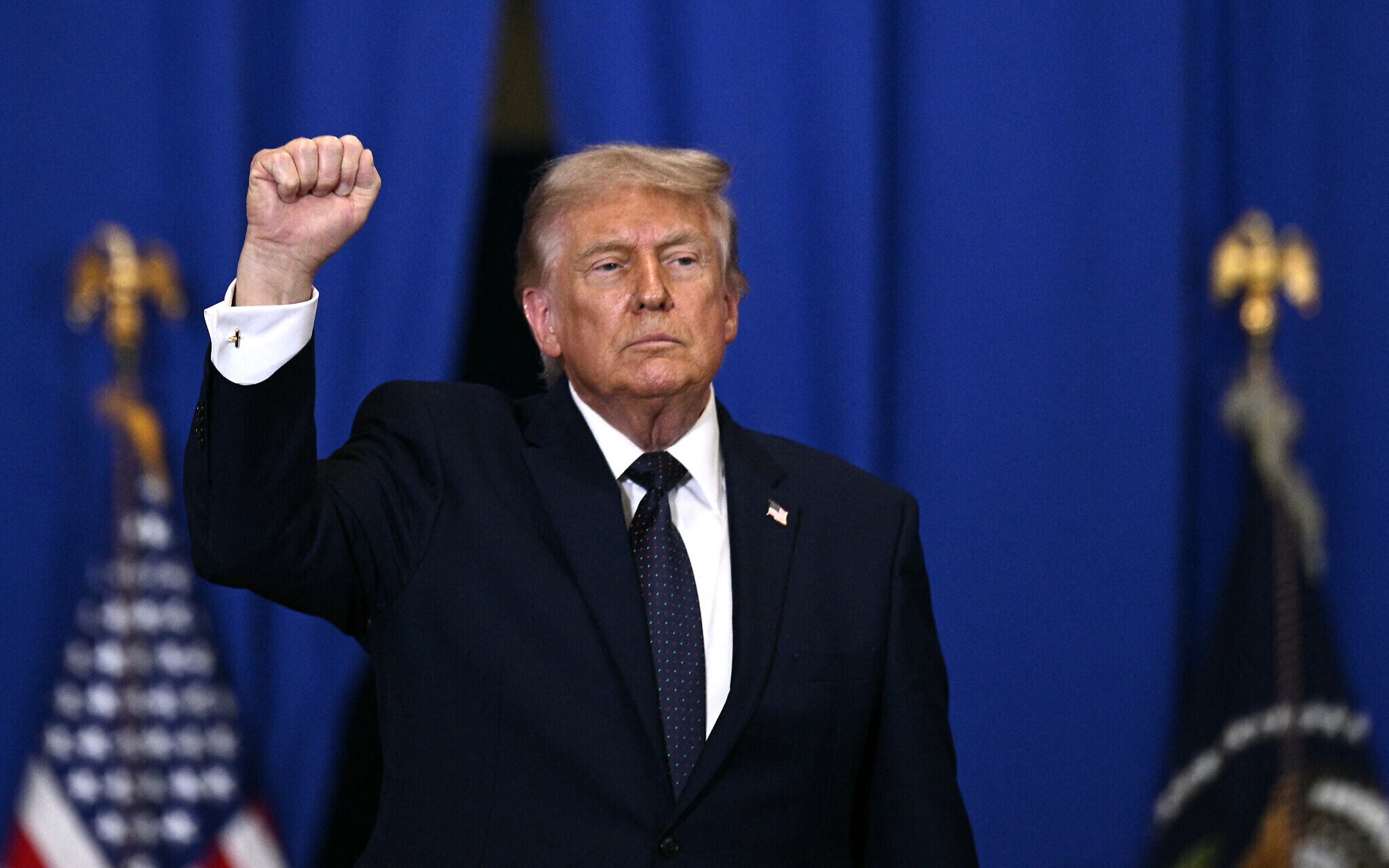
WASHINGTON (Reuters) — US President Donald Trump may have won just about every battle against Iran, but three months after attacking the Islamic Republic he now faces a bigger question: Is he losing the war?
With Iran’s grip on the Strait of Hormuz, its resistance to nuclear concessions and its theocratic government largely intact, doubts are growing that Trump can translate the US military’s tactical successes into an outcome he can frame convincingly as a geopolitical win.
His repeated claims of complete victory ring hollow, some analysts say, as the two sides teeter between uncertain diplomacy and his on-again-off-again threats to resume strikes, which would be sure to draw Iranian retaliation across the region.
Trump is now at risk of seeing the US and its Gulf Arab allies emerge from the conflict worse off while Iran, though battered militarily and economically, could end up with greater leverage, having shown it can throttle one-fifth of the world’s oil and gas supplies.
The crisis is not yet over, and some experts leave open the possibility Trump might still find a face-saving way out if negotiations break in his favor.
But others predict a grim post-war outlook for Trump.
“We’re three months in, and it’s looking like a war that was designed to be a short-term romp for Trump is turning into a long-term strategic failure,” said Aaron David Miller, a former Middle East negotiator for Republican and Democratic administrations.
For Trump, that matters, especially given his famous sensitivity to being perceived as a loser, an insult he has often lobbed at opponents. In the Iran crisis, he finds himself commander-in-chief of the world’s mightiest military pitted against a second-tier power seemingly convinced it has the upper hand.
Analysts say this predicament could make Trump, who has yet to define a clear endgame, more likely to resist any compromise that looks like a retreat from his maximalist positions, or a repetition of then-US President Barack Obama’s 2015 nuclear deal with Iran, which Trump scrapped in his first term.
White House spokeswoman Olivia Wales said the US has “met or surpassed all of our military objectives in ‘Operation Epic Fury,’” the US name for the bombing campaign it launched with Israel in Iran on February 28.
“President Trump holds all the cards and wisely keeps all options on the table,” Wales added.
Pressure and frustration
Trump campaigned for a second term promising no unnecessary military interventions, but has brought the US into an entanglement that could do lasting damage to his foreign policy record and credibility abroad.
The continuing standoff comes as he faces domestic pressure over high US gasoline prices and low approval ratings after he embarked on the unpopular war ahead of November’s midterm elections. His Republican Party is struggling to maintain control of Congress.
As a result, more than six weeks into a ceasefire, some analysts believe Trump faces a stark choice: to accept a potentially flawed deal as an off-ramp or escalate militarily and risk an even longer crisis. Among his options if diplomacy collapses, they say, would be to launch a round of sharp but limited strikes, frame it as a final victory and move on.
Another possibility, analysts say, is that Trump could attempt to shift focus to Cuba, as he has suggested, in hopes of changing the subject and trying to score a potentially easier win.
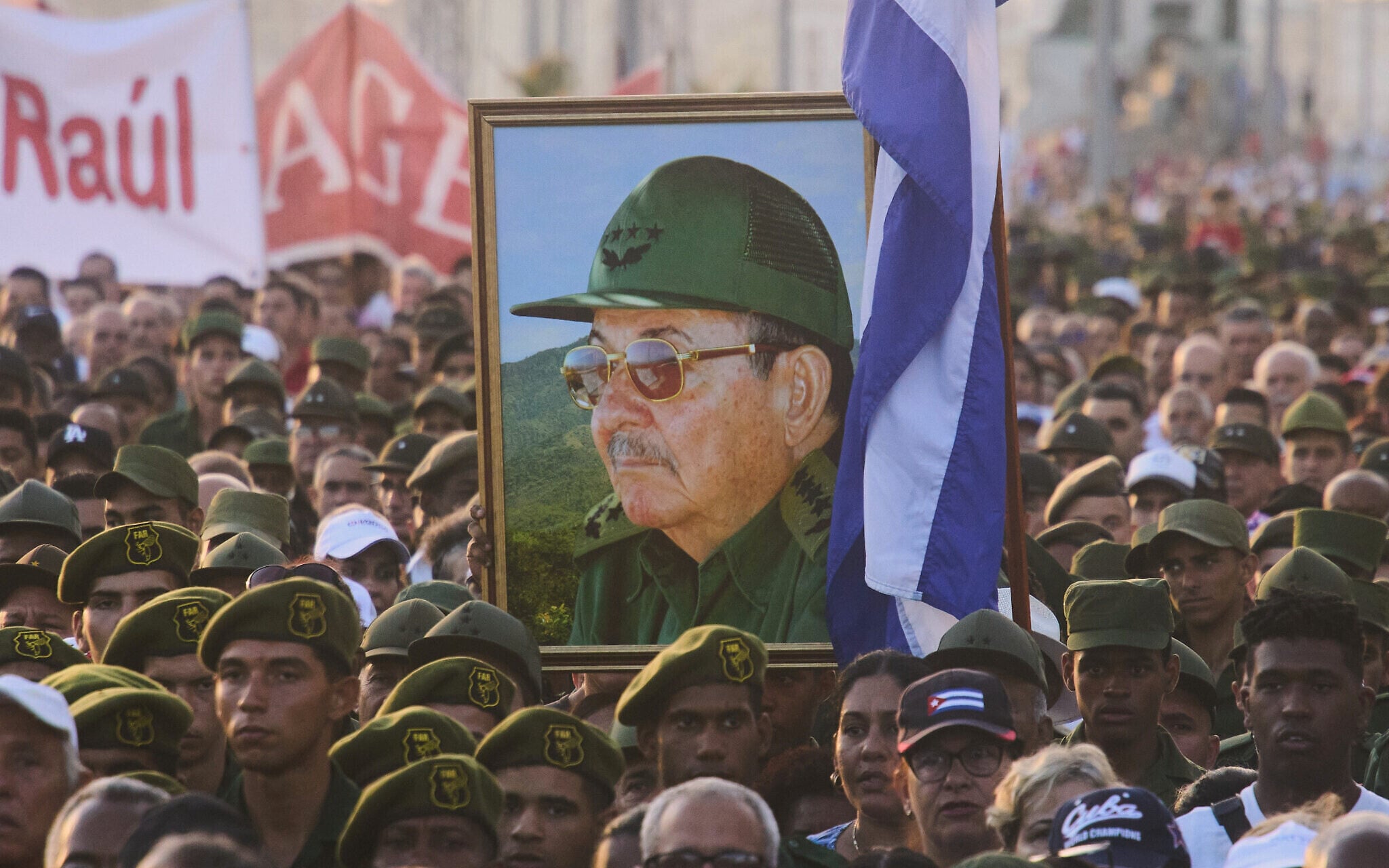
If so, he might end up misjudging the challenges posed by Havana, much as some Trump aides privately acknowledge that he mistakenly thought the Iran operation would resemble the January 3 raid that captured Venezuela’s president and led to his replacement.
Even so, Trump is not without his defenders.
Alexander Gray, a former senior adviser in Trump’s first term and now chief executive officer of the American Global Strategies consultancy, rejected the notion that the president’s Iran campaign was on the ropes.
He said that the heavy blow to Iranian military capabilities was in itself a “strategic success,” that the war had drawn Gulf states closer to the US and away from China, and that the fate of Iran’s nuclear program was still to be determined.
There are signs, however, of Trump’s frustration with his inability to control the narrative. He has torn into his critics and accused the news media of “treason.”
The conflict has lasted twice the maximum six-week timeframe that Trump laid out when he joined with Israel in starting the war on February 28. Since then, though his MAGA political base has stood by him on the war, cracks have appeared in his once almost unanimous backing from Republican lawmakers.
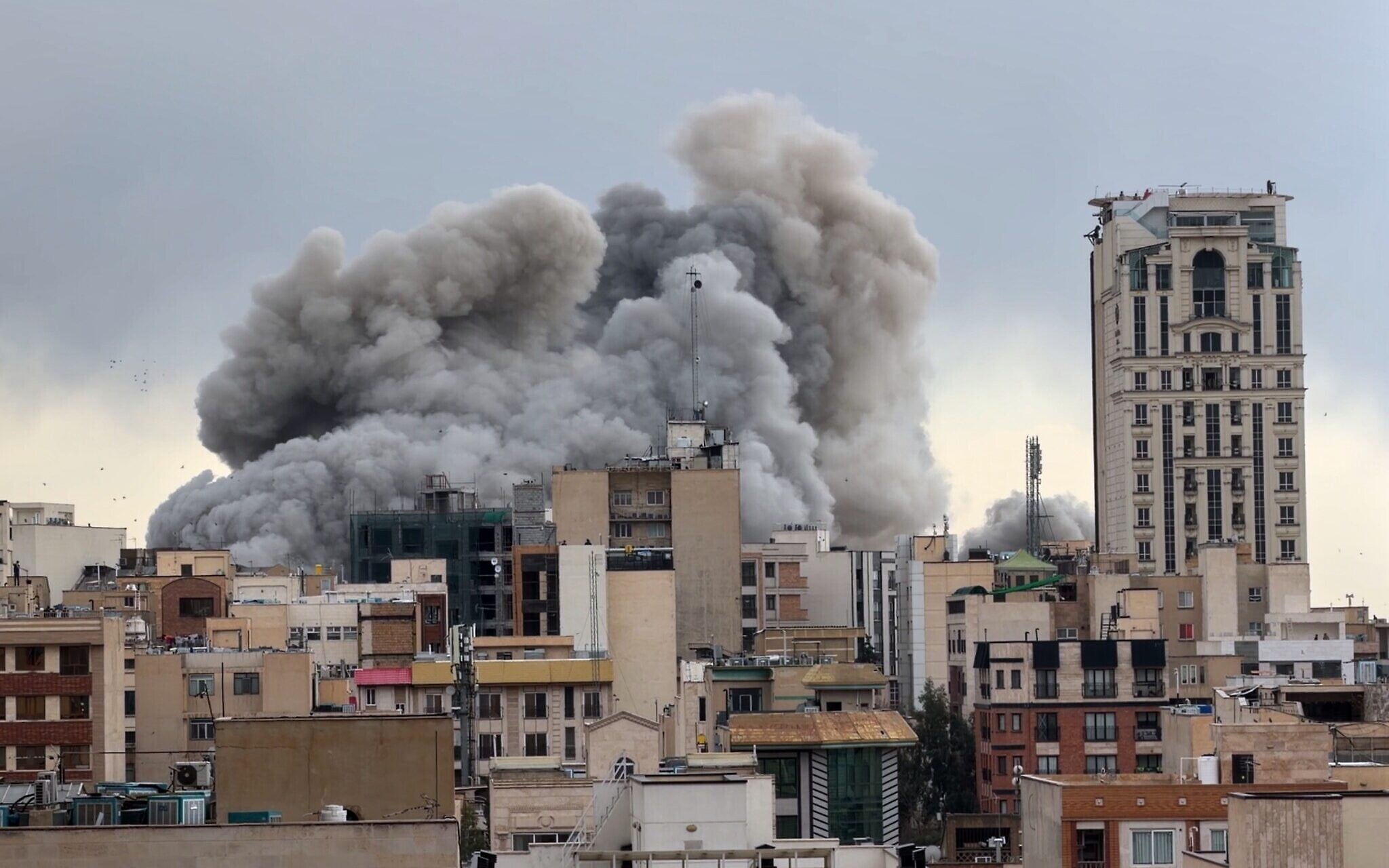
At the outset, waves of airstrikes quickly degraded Iran’s ballistic missile stockpile, sank much of its navy and killed many top leaders.
But Tehran responded by blocking the strait, which sent energy prices soaring, and attacking Israel and Gulf neighbors. Trump then ordered a blockade of Iran’s ports, but that has also failed to bend Tehran to his will.
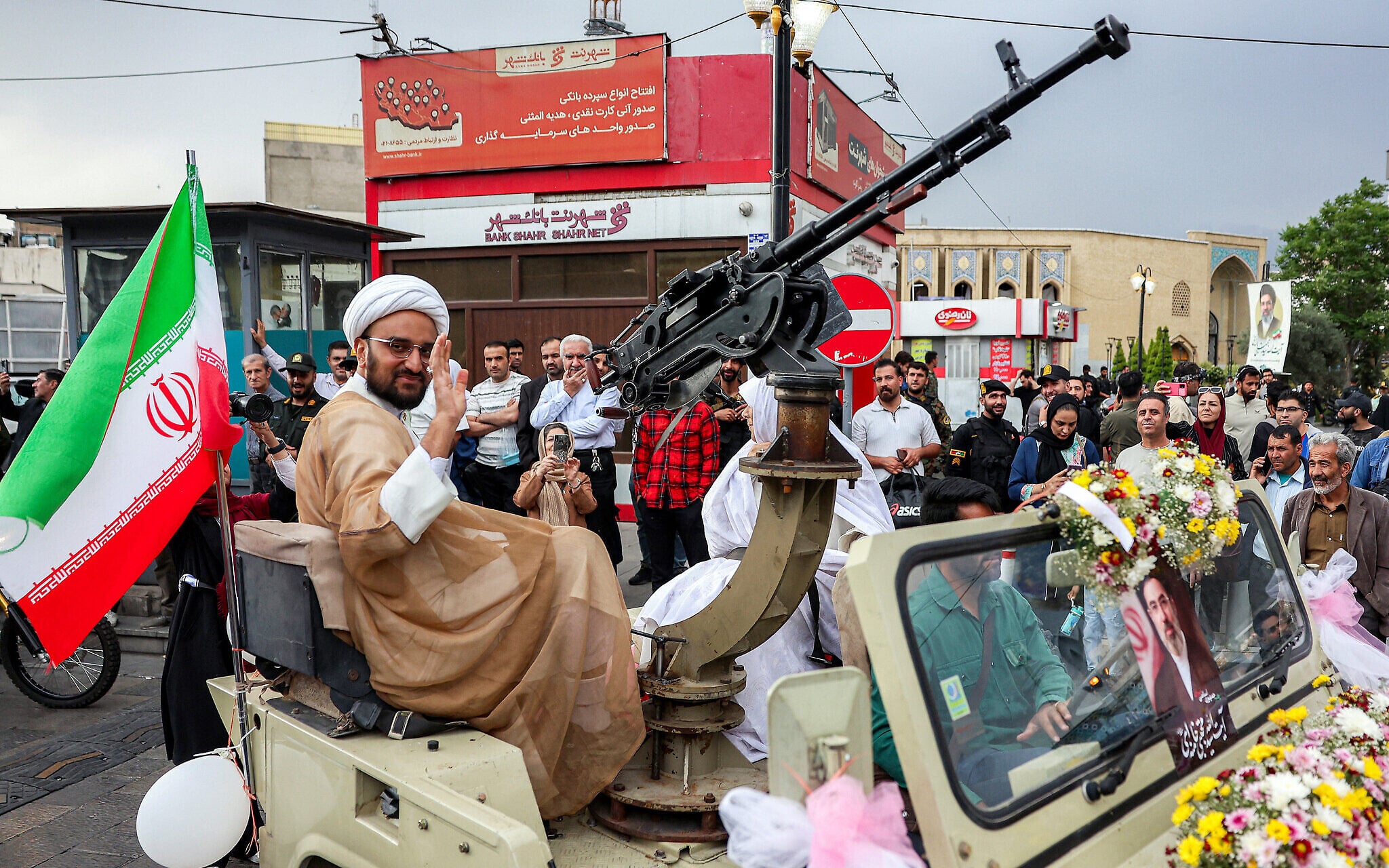
Iran’s leaders have matched Trump’s triumphalist claims with their own propaganda depicting his campaign as a “crushing defeat,” though it is clear that Iranian officials have overstated their own military prowess.
Shifting goals still unachieved
Trump had said his objectives in going to war were to close off Iran’s path to a nuclear weapon, end its ability to threaten the region and US interests and make it easier for Iranians to overthrow their rulers.
There is no sign that his often-shifting goals have been achieved, and many analysts say it is unlikely that they will be.
Jonathan Panikoff, a former US deputy national intelligence officer for the Middle East, said that while Iran has taken devastating hits, its rulers consider it a success simply to have survived the US assault and learned how much control they can exert over Gulf shipping.
“What they discovered is they can exercise that leverage and with few consequences for them,” said Panikoff, now at the Atlantic Council think tank, adding that Iran appeared confident it could tolerate more economic pain than Trump and outlast him.
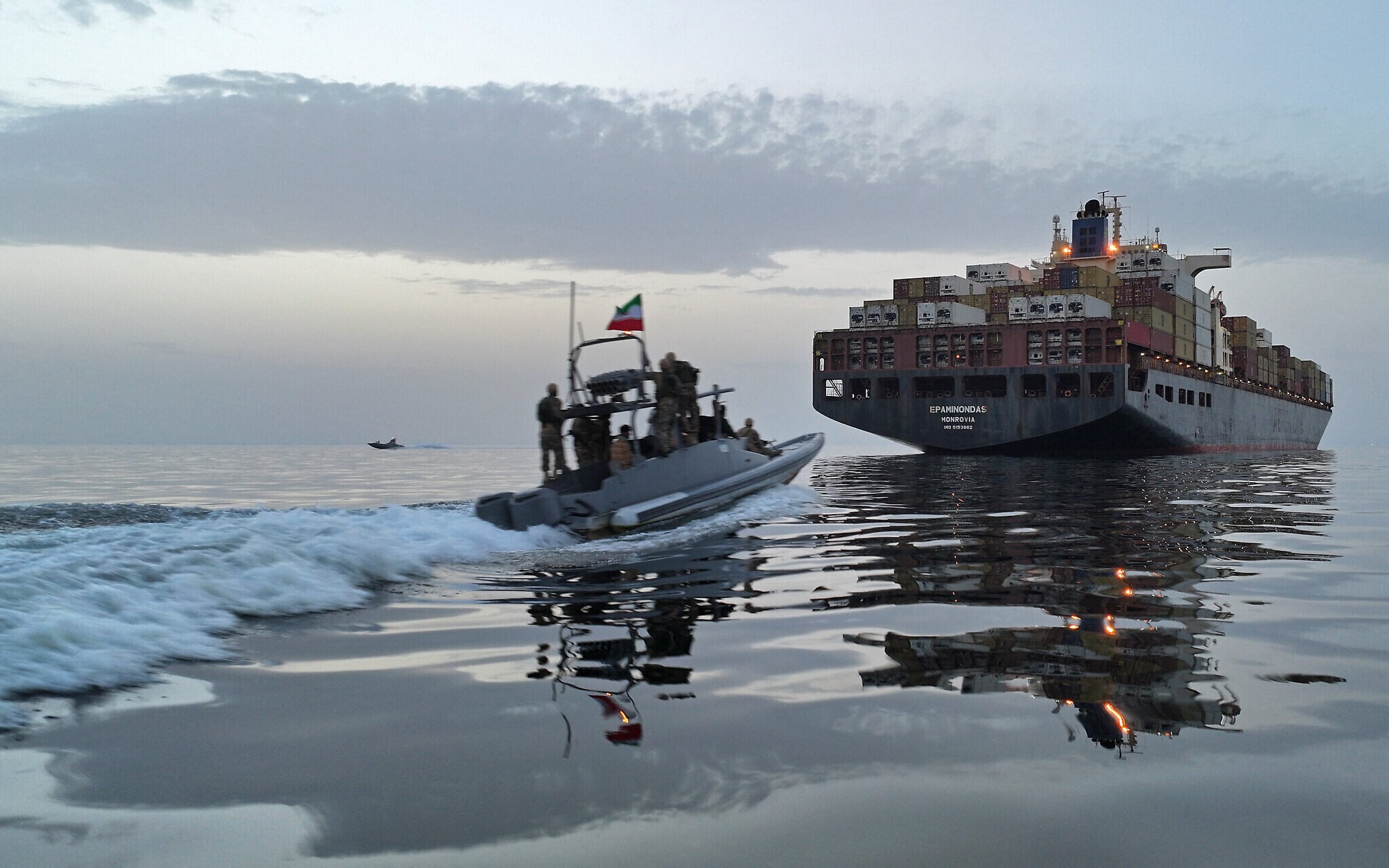
Trump’s main stated war aim – Iran’s denuclearization – also remains unfulfilled, and Tehran has shown little willingness to significantly rein in its program.
A stockpile of some 440 kilograms of 60-enriched uranium — which could be recovered and further processed to weapons-grade — is believed to remain buried following US strikes on key Iranian nuclear sites amid the 12-day Israel-Iran war last June.
Iran says it wants the US to recognize its right to enrich uranium for what Tehran claims are peaceful purposes, despite the Islamic Republic having amassed some ten bombs’ worth of uranium enriched to levels with no peaceful application.
Further complicating matters, Iran’s supreme leader has issued a directive that the country’s near-weapons-grade uranium cannot be sent abroad, two senior Iranian officials told Reuters.
Some analysts have suggested that the war could make Iran more, not less, likely to ramp up efforts to develop a nuclear weapon to shield itself like nuclear-armed North Korea.
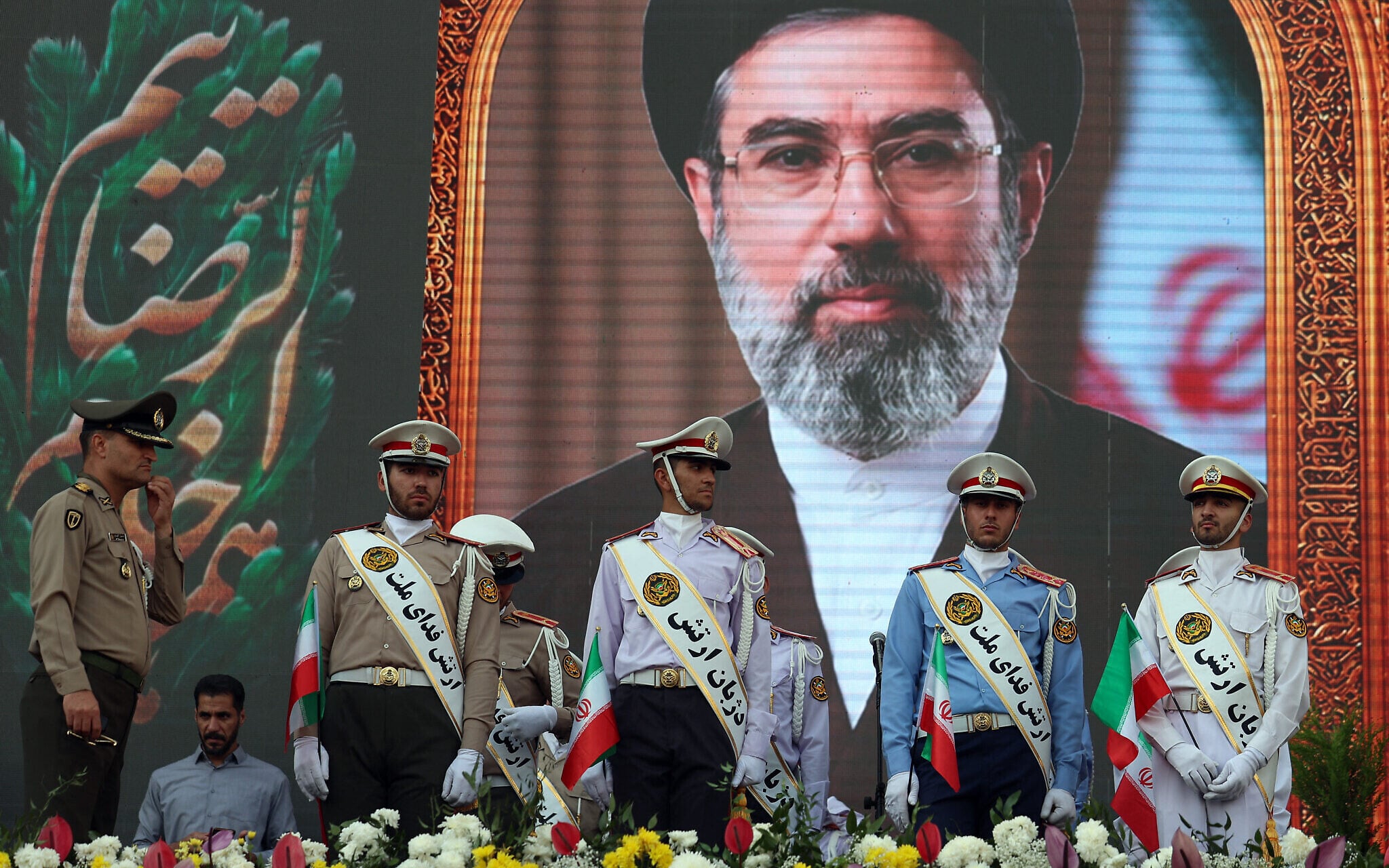
Another of Trump’s declared goals — forcing Iran to halt support for armed terror group proxies in the region — also remains unmet.
Adding to Trump’s challenges, he is now dealing with new Iranian leaders considered even more hardline than their slain predecessors. Post-war, they are widely expected still to have enough remaining missiles and drones to pose a continued danger to their neighbors.
He is also facing fallout with further erosion of relations with traditional European allies, which have mostly refused his calls for assistance in a war they were not consulted about.
China and Russia, meanwhile, have drawn lessons about the US military’s shortcomings against asymmetric Iranian tactics and how some of its weapons supplies have become depleted, analysts said.
Robert Kagan, a senior fellow at the Brookings Institution think tank, has argued that the outcome will be even more of a decisive setback to US standing than its humiliating withdrawals from much longer, bloodier conflicts in Vietnam and Afghanistan because those countries “were far from the main theaters of global competition.”
“There will be no return to the status quo ante, no ultimate American triumph that will undo or overcome the harm done,” he wrote in a recent commentary entitled “Checkmate in Iran” on the Atlantic magazine’s website.







The Times of Israel Community.