

 From the Liveblog of
Thursday, October 29, 2026
Aid group: Food insecurity worsening in Gaza amid sharp cuts to operations over past month
 Add ToI as a Preferred Source on Google
Nurit Yohanan is The Times of Israel's Palestinian and Arab world correspondent
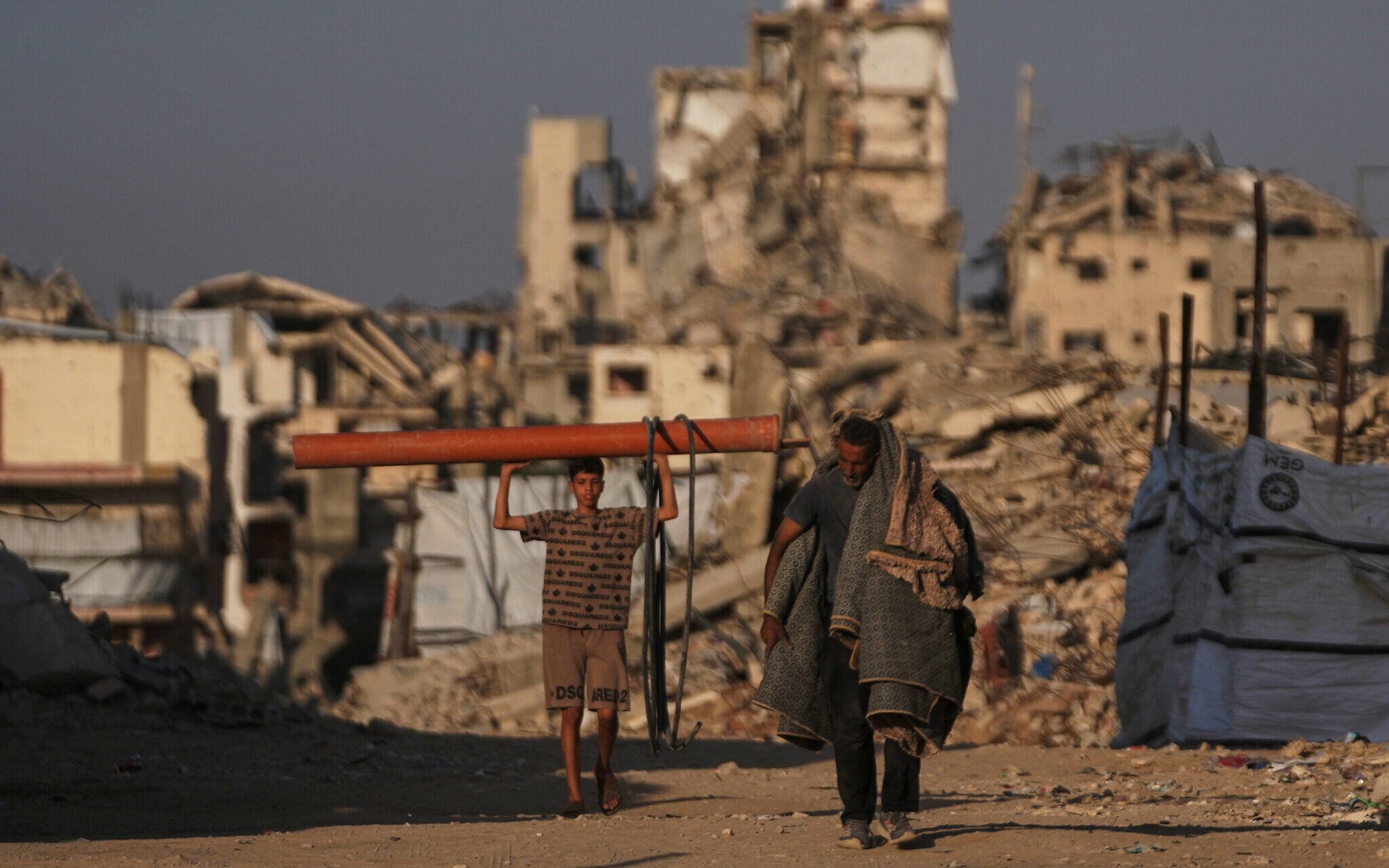
The World Food Programme (WFP) tells The Times of Israel that food insecurity in Gaza is worsening following sharp cuts to its operations in the Strip and the West Bank since early October, due to declining donations.
The organization reduced the number of people receiving food assistance in Gaza from 1.6 million to 1.1 million, daily hot meals from 250,00 to 150,000, and monthly flour rations from 50 kilograms to 25 kilograms per family. The cuts began taking effect nearly three weeks before WFP publicly announced them on October 19.
WFP spokesperson Claire Neville says the impact is already being felt on the ground.
“People are resorting to negative ways of coping, like parents are forgoing meals so that their children can eat,” Neville tells The Times of Israel. “People are going back down to one meal a day,” she says, referring to the food situation during the war.
Neville adds that residents are resorting to “begging, searching for food in the rubble, sending children out to work, borrowing money or borrowing food on credit from shops.”
She explains that the cuts stem from a decline in donations specifically earmarked for the Palestinian territories, rather than a decision by WFP to redirect funding elsewhere. According to the organization, funding for its operations in Gaza and the West Bank has fallen by more than half in 2026 compared to previous years.
The decline comes amid broader cuts to international humanitarian aid. WFP says it needs an additional $450 million to sustain its operations in Gaza and the West Bank through March 2027
Israel’s Coordinator of Government Activities in the Territories (COGAT) tells The Times of Israel that 600 trucks carrying aid continue to enter Gaza daily, through humanitarian organizations or private traders, and that the amount of food entering the Strip is still twice the minimum amount the UN has determined is needed.
“We are aware of the reduction in WFP’s operations. We allow as much as [humanitarian organizations or private traders] want to bring in,” COGAT adds









The Times of Israel Community.