

Trump said frustrated with limits of military leverage against Iran
US president reportedly to base strike decision on Witkoff, Kushner’s assessments of Tehran’s intentions after Thursday talks; Iran says protesting students must respect ‘red lines’
 Add ToI as a Preferred Source on Google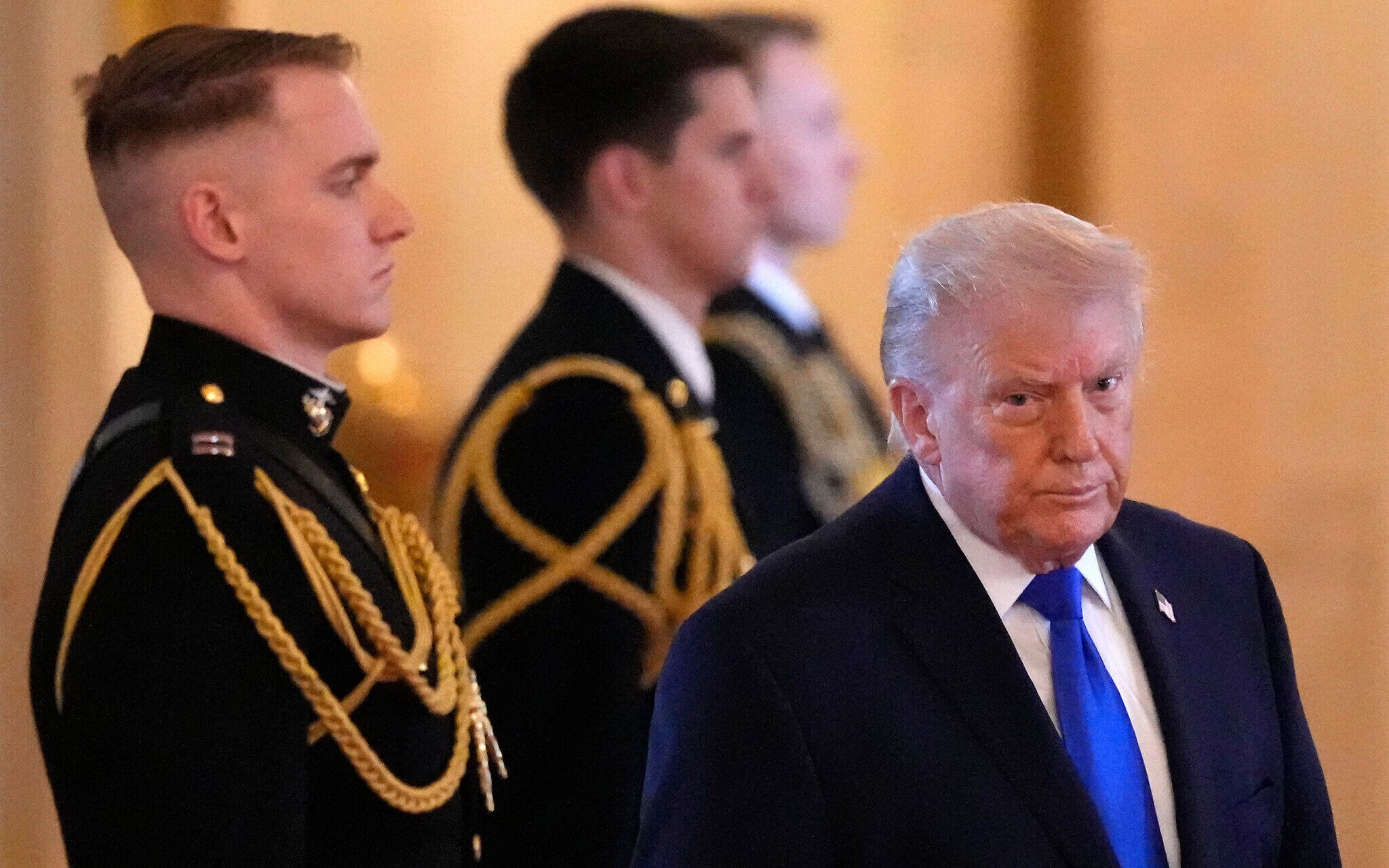
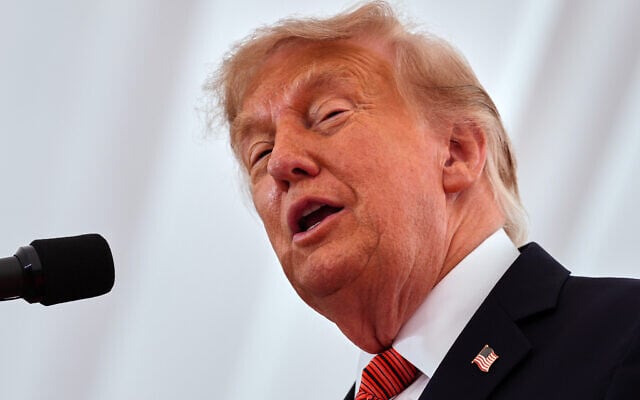
US President Donald Trump is becoming frustrated with “the limits of military leverage” against Iran, CBS News reported Tuesday, citing multiple sources familiar with the matter.
According to the report, advisers have told the US president that it was unlikely that limited strikes on Iran would be decisive, and that there was a risk of escalation into a wider conflict. Trump is considering launching a limited strike on Iran in the immediate future to pressure Tehran to agree to his nuclear demands, multiple reports have said in recent days.
If the Islamic Republic continued to hold out, that strike could be followed by a far larger campaign potentially targeting regime change, the reports said.
But US options may be limited. An Israeli intelligence official told the UK’s Financial Times in an article published on Tuesday that Israel believes that — despite the US assembling a massive military force in the region, including two aircraft carriers — it only has the capacity to sustain four or five days of intense aerial assault on Iran.
The official said the force could maintain a week of lower-intensity strikes.
Israel is said to be fearful that limited US strikes on Iran could only embolden the regime. Iran has warned that even a limited US strike would draw a strong military response.
Trump will base his decision on whether to strike Iran based on the assessments of his two chief negotiators, Steve Witkoff and Jared Kushner, of Tehran’s intentions, The Guardian reported Tuesday.
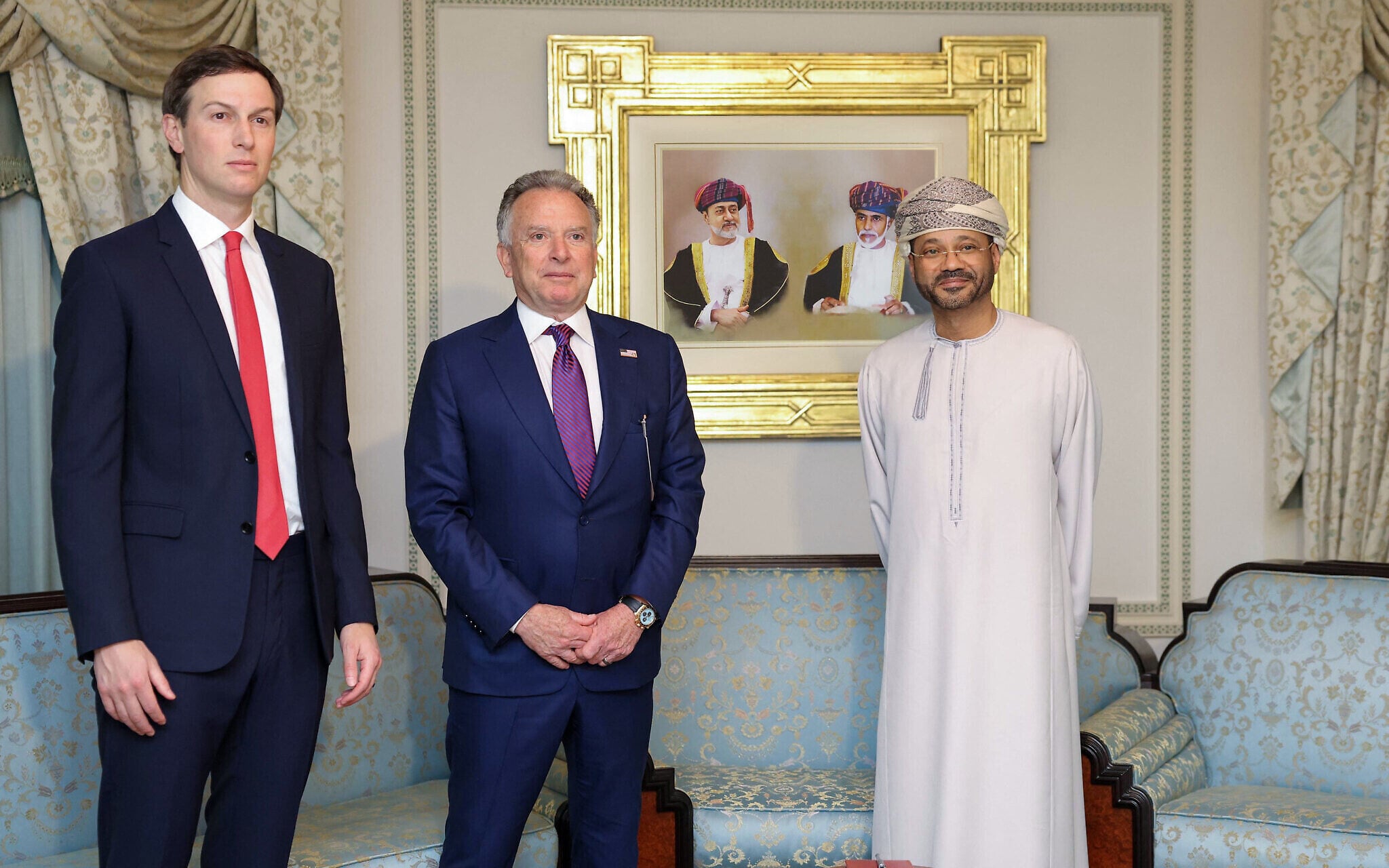
The report, which cited people familiar with the matter, said that Witkoff and Kushner will brief the US leader on their impressions regarding whether Iran is serious about reaching a nuclear deal or just stalling for time.
The two have reportedly been pressing the US president to give negotiations more time and are set to meet Iranian Foreign Minister Abbas Araghchi in Geneva on Thursday.
Iran has consistently denied seeking to acquire nuclear weapons. However, it enriched uranium to levels that have no peaceful application, obstructed international inspectors from checking its nuclear facilities, and expanded its ballistic missile capabilities.
Iran: Students must respect ‘red lines’
Meanwhile, the Iranian government’s spokeswoman said Tuesday that university students have the right to protest but everyone must “understand the red lines,” in the first official reaction to renewed rallies on campuses since the weekend.
At least eight new anti-regime protests erupted at Iranian universities in recent days, some of which have seen clashes with the Basij militia or students aligned with it. They were the first large-scale demonstrations since the mass killings last month.
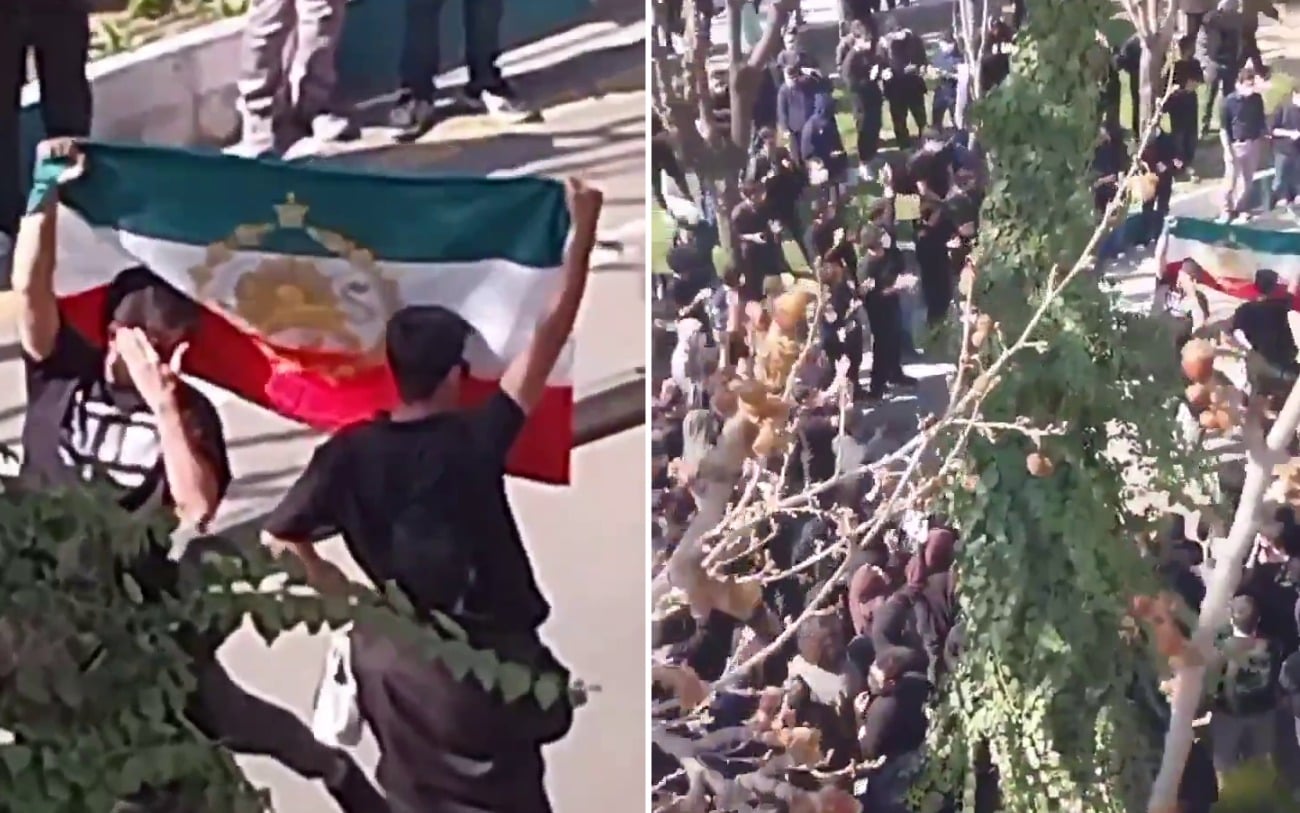
“Sacred things and the flag are two examples of these red lines that we must protect and not cross or deviate from, even at the height of anger,” Fatemeh Mohajerani said.
She said Iran’s students “have wounds in their hearts and have seen scenes that may upset and anger them; this anger is understandable.”
Protests began in December, sparked by economic woes in the sanctions-hit country, but grew into nationwide demonstrations against the regime.
The US-based Human Rights Activists News Agency (HRANA) has recorded more than 7,000 deaths, while warning the full toll is likely far higher.
Trump repeatedly vowed to aid anti-government protesters in Iran, telling them to keep demonstrating because “help is on the way,” as the regime killed them en masse.







The Times of Israel Community.