

US envoy: Syria to help in fight against ISIS, Iran-backed Hamas and Hezbollah
Tom Barrack says meeting between Rubio and Turkish and Syrian envoys discussed ‘redefining Turkish-Syrian-Israeli relations’ and helping to underpin ceasefire in Gaza
 Add ToI as a Preferred Source on Google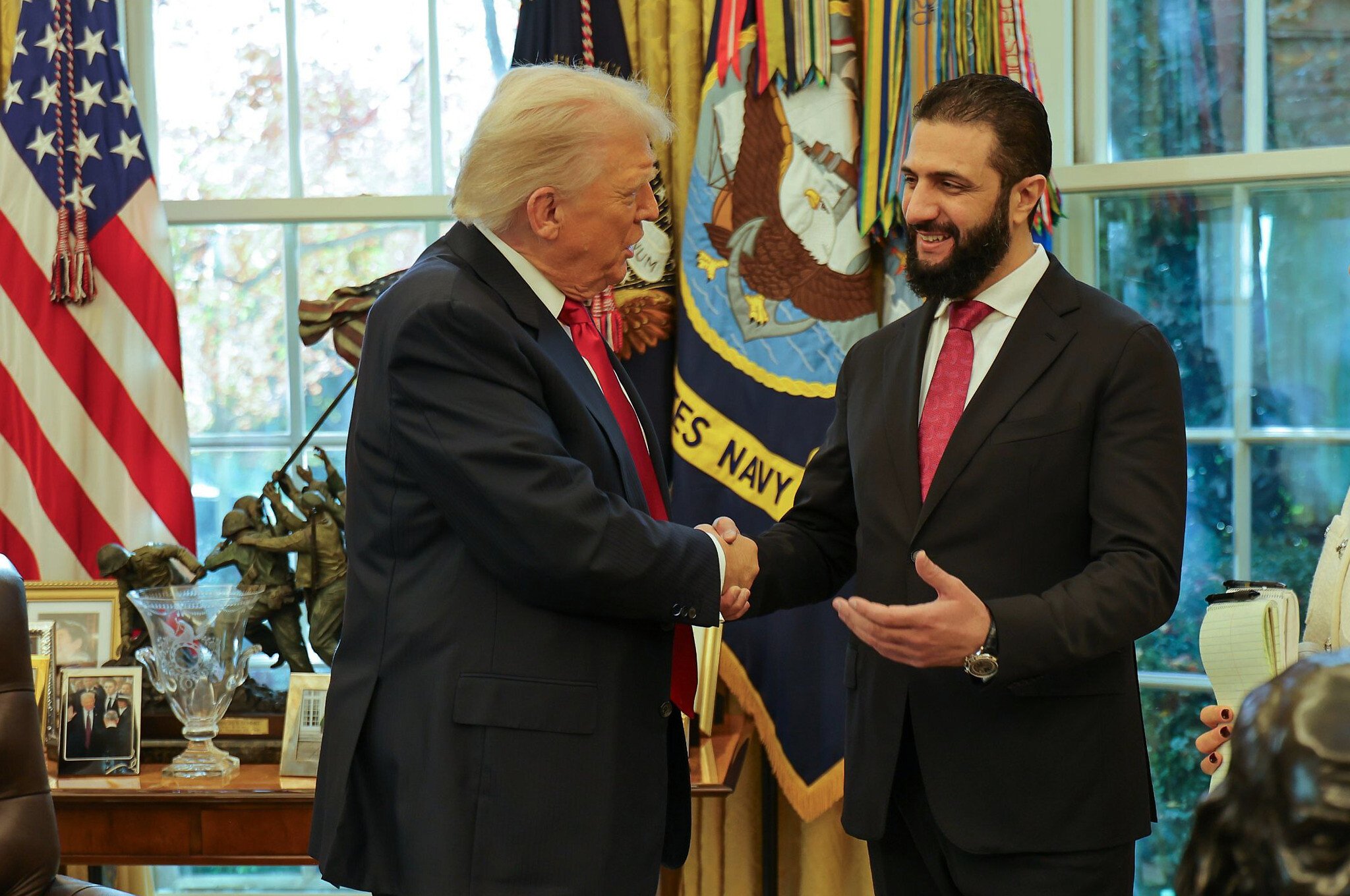
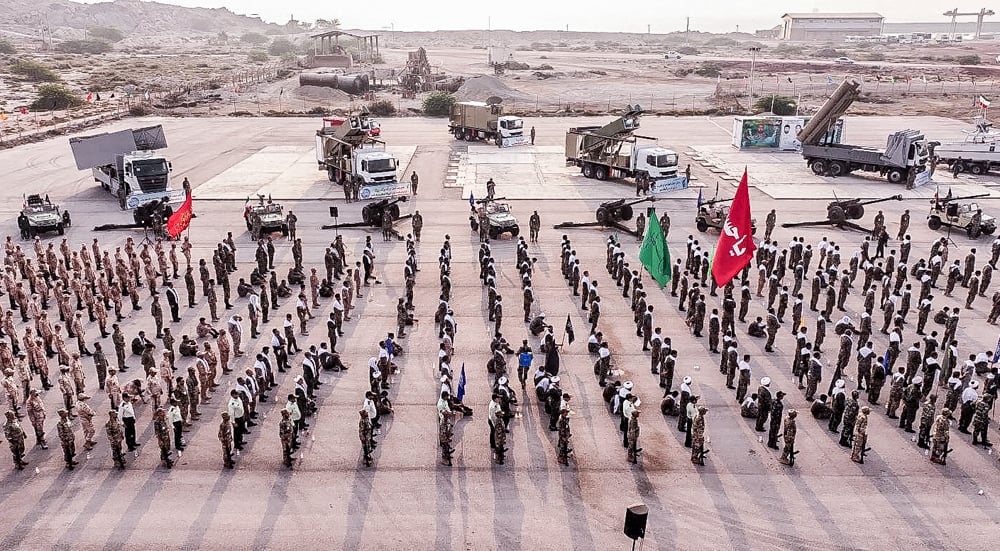
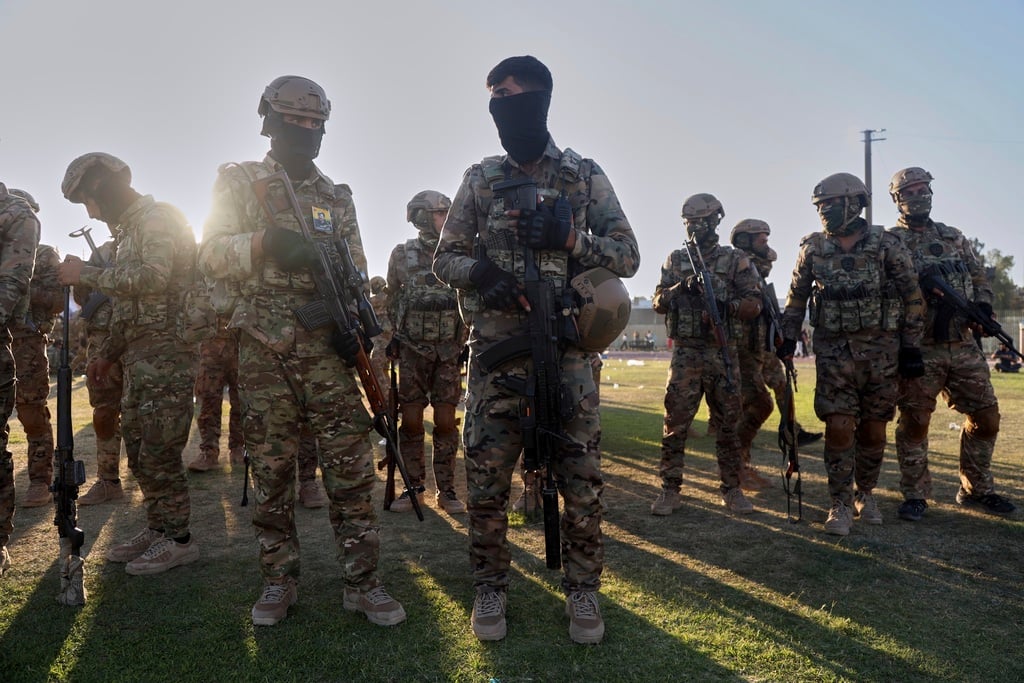
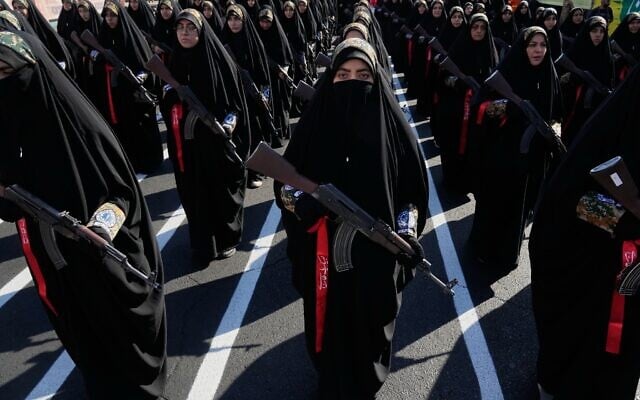
Syria will play an active role in assisting the United States in fighting armed groups, including Iran’s Revolutionary Guards, Hamas and Hezbollah, US special envoy Tom Barrack said on Thursday.
Islamist interim President Ahmed al-Sharaa, himself a former jihadist, became the first Syrian leader to visit the White House since his country’s independence in 1946.
Shortly after his visit, the US-led coalition fighting the Islamic State group (ISIS) announced that Syria had become its 90th member.
On Thursday, Barrack wrote on X that “Damascus will now actively assist us in confronting and dismantling the remnants of ISIS, the IRGC (Islamic Revolutionary Guard Corps), Hamas, Hizballah, and other terrorist networks.”
Iran’s powerful IRGC and Lebanon’s Hezbollah were key backers of Syria’s previous president, Bashar al-Assad, before he was ousted last December by a rebel coalition led by Sharaa.
Hamas does not have an armed presence in Syria.
Barrack also said he held a “pivotal” meeting with US top diplomat Marco Rubio, Turkey’s Hakan Fidan and Syria’s Asaad al-Shaibani, during which they discussed steps toward “integrating the Syrian Democratic Forces (SDF) into the new Syrian economic, defense and civic structure.”
Backed by Washington, the Kurdish-led SDF played a key role in unseating ISIS from its last strongholds in Syria.
SDF leader Mazloum Abdi told AFP last month that he had reached a “preliminary agreement” with Damascus on the integration of his troops into Syria’s military and security forces.
In a post on X on Tuesday, Abdi said he had discussed with Barrack “our commitment to accelerate the integration of the SDF into the Syrian state.”
Sharaa’s administration and the SDF had signed an agreement in March to integrate into national civilian and military institutions, but it has faced hurdles since.
Barrack also wrote that another topic discussed at the meeting between Rubio, Fidan and al-Shaibani was “redefining Turkish-Syrian-Israeli relations, and advancing the alignment that underpins the Israel-Hamas ceasefire, as well as various Lebanese border issues.”
He also called on the US Congress to lift sanctions on Syria, writing “that former adversaries can become ardent allies is not new to history or to this region. What is new — and extraordinary — is that it is being achieved by the regional nations themselves rather than Western mandates and dictates.”
Barrack, who has reserved harsh criticism for Lebanon in the past, has pushed Middle Eastern countries to join the Abraham Accords and normalize ties with Israel. Israeli-Turkish ties are likewise at something of a nadir after collapsing during the Gaza war.
After his meeting on Monday with US President Donald Trump at the White House, Sharaa threw cold water on the prospect of Syria normalizing ties with Israel, saying on Tuesday that Trump supports a full Israeli withdrawal from Syria.
Israeli troops took up several positions in southwestern Syria following the fall of the Bashar Assad regime last year, in what Jerusalem has said is a temporary security measure.
Israel remains wary of Sharaa’s former terror ties and has criticized his government’s treatment of minorities, particularly the Druze. It has also launched multiple airstrikes and raids inside Syrian territory that it says are meant to prevent weapons from falling into the hands of hostile forces.
Lazar Berman contributed to this report.







The Times of Israel Community.