

‘We are an emergency response empire’: 40,000 volunteers mobilized for Israel-Iran war
A Hebrew University expert says Israel leads the world in organized and prolonged grassroots efforts during times of crisis, but asks: Why has the government left such a gap?
 Add ToI as a Preferred Source on Google
Sue Surkes is The Times of Israel's environment reporter
Orly Schwarz, her husband and her two children were in their Petah Tikva home on the morning of October 7, 2023, when thousands of Hamas terrorists invaded southern Israel.
Schwarz, 46, works in communications, marketing, and branding, runs a corporate events company, and is active on social media. In addition to her career, since the 2023 terror onslaught upended everyday life in Israel she has been running a complex logistics operation from her home, helping supply IDF soldiers on all fronts with whatever they need.
But despite her background in marketing and social media, Schwarz’s volunteer efforts, which have brought hundreds of others together to help, have remained under the radar.
“I’m a person who can’t just observe or be helpless. It’s in my DNA to act,” Schwarz told The Times of Israel. “In the beginning, I joined lots of online groups to learn what was needed. I saw soldiers who lacked equipment or food, and civilians who had to be evacuated, and I linked them with people who could help. At the start, it was only me.”
Schwarz’s operations center was one of more than 1,000 such civic initiatives mapped for a major report (Hebrew link) put together by the Social Welfare Ministry, the Israeli Volunteering Council, and the Hebrew University’s Institute for the Study of Civil Society and Philanthropy in Israel on volunteering during the war.
That report, released in December, stated that 78% of these initiatives were new, with individuals initiating 70%.
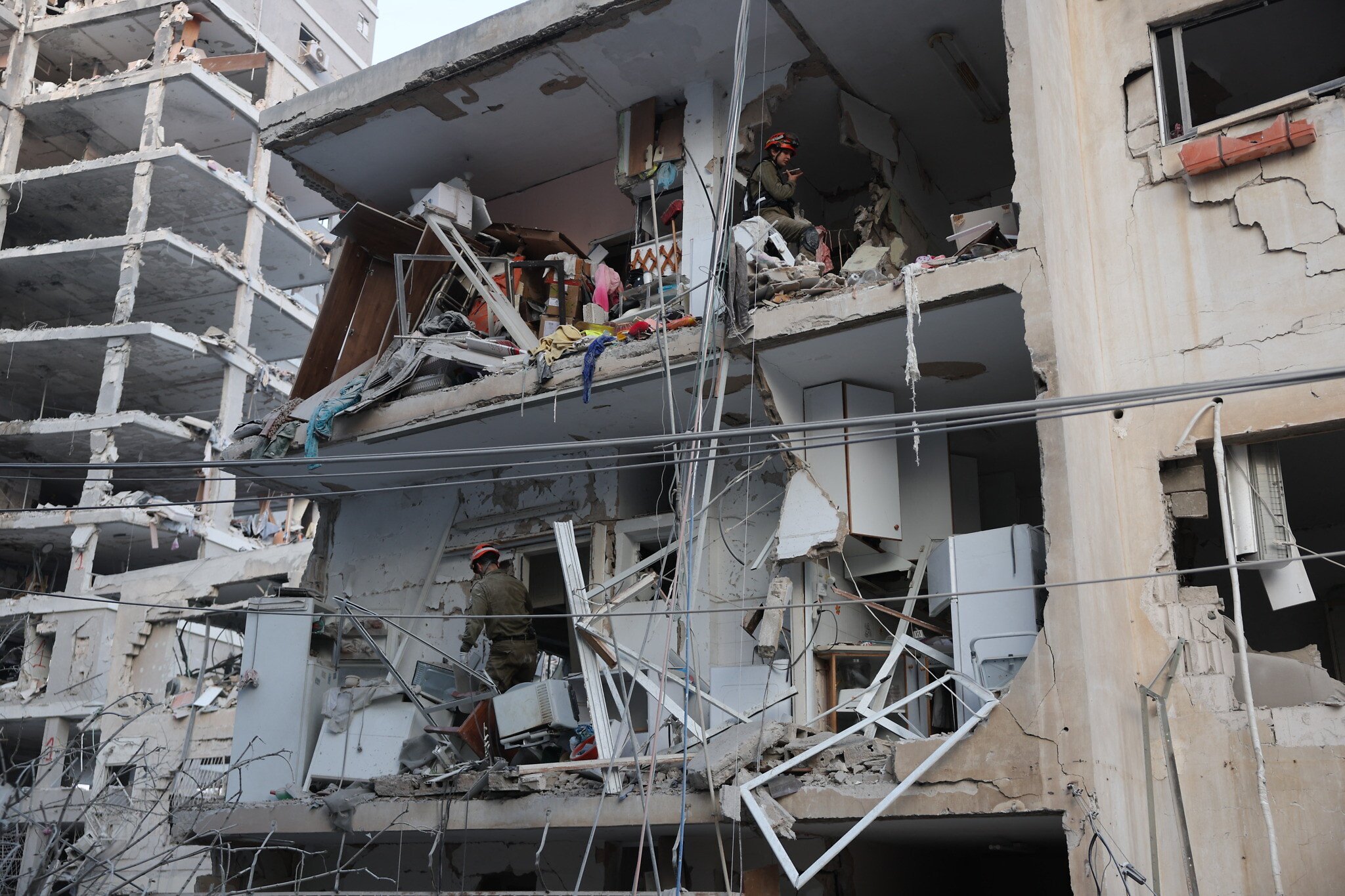
But the phenomenon re-emerged during Israel’s war with Iran on June 13, which saw the Islamic Republic fire enormous barrages of ballistic missiles into Israel’s crowded population centers in retaliation for Israel’s preemptive strikes on Iran’s nuclear and military targets.
Out of some 550 missiles Tehran fired at Israel, 36 fell in populated areas, killing 28 people, sending over 3,000 to the hospital, leaving more than 13,000 displaced and causing widespread damage.
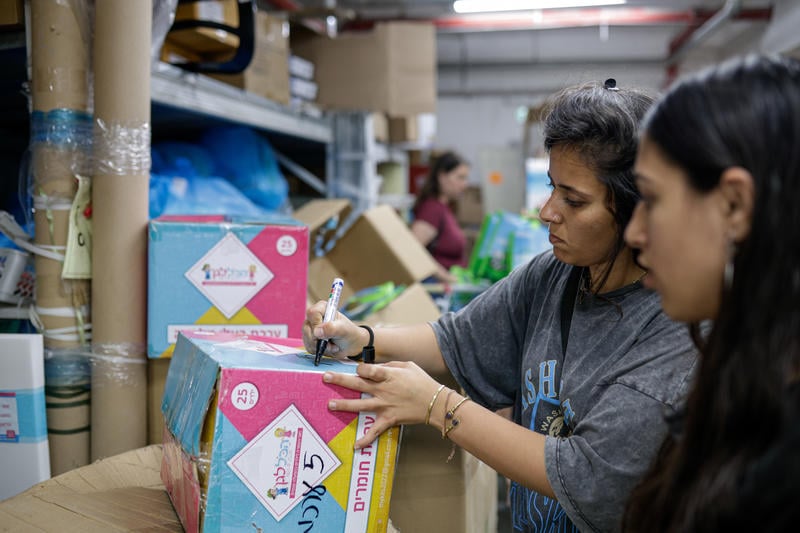
A new survey of 99 organizations that activated volunteers during the Iran war reveals that 42,180 volunteers contributed to helping 213,884 people.
According to the survey, released this week, nearly two-thirds (61%) of the organizations reported that their primary activity was providing emotional support. This was followed by conversations to clarify needs, as well as organizing educational and other activities (each 25%), providing food (19%), transporting equipment (14%), and raising funds (11%). Of the 99 organizations, 60 worked nationwide.
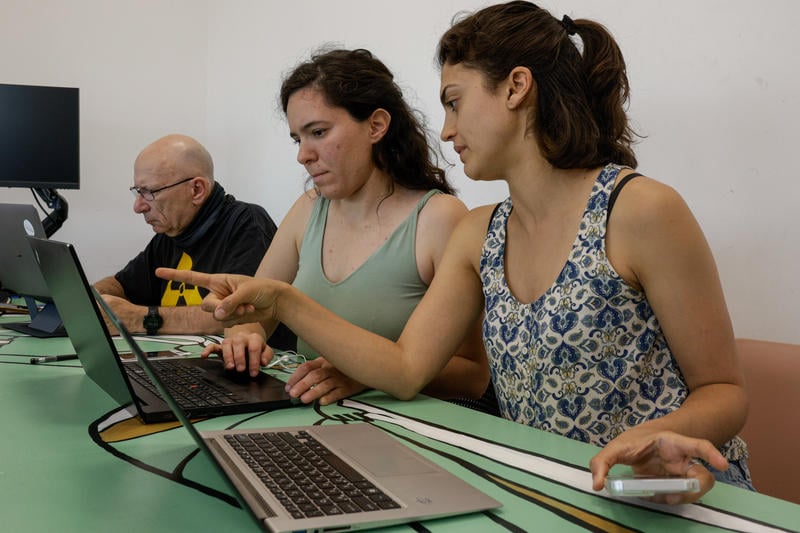
“Reports from the field indicate rapid organization, flexibility, and creativity in providing responses tailored to the needs emerging in the field, despite operational challenges, limited resources, and a burden on teams and volunteers,” reads the Hebrew-language document.
They “operated civilian task forces, moved teams between shelters, hotels, and affected areas, assisted in operating babysitting services for children of medical teams, distributed resilience and play kits to evacuees, conducted emotional support workshops for anxiety victims, operated 24/7 telephone helplines, and supported conscript families with food deliveries and daily assistance,” it says.
‘Everything but the tanks’
Following the October 7 onslaught, Schwarz, determined to help feed soldiers in field positions without kitchens or even refrigerators, compiled lists of army officers responsible for food, equipment, and logistics, as well as catering companies and private individuals who were willing to cook. She contacted donors who could contribute in kind, as well as other informal civic organizations like her own.
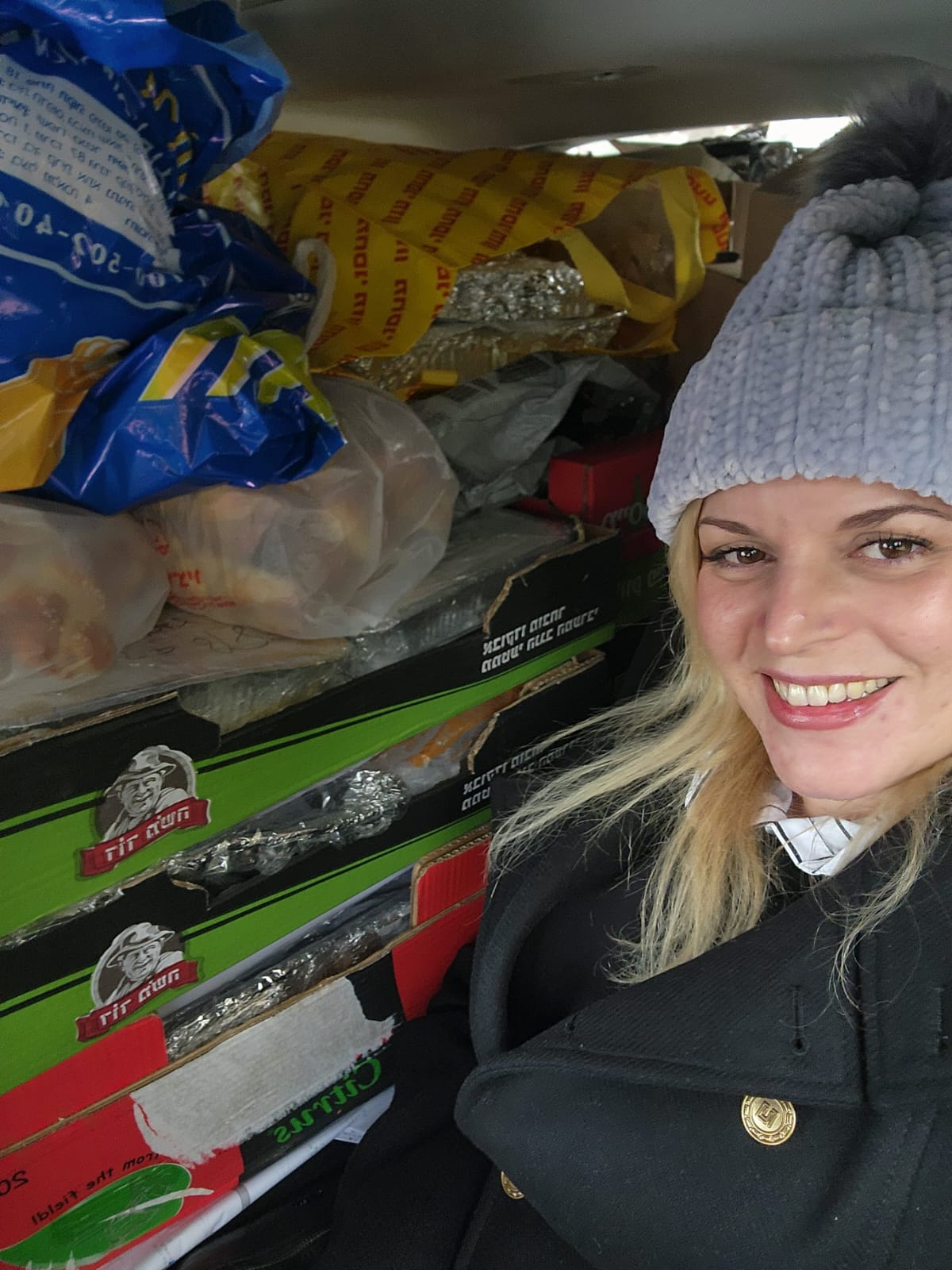
In the early days of the war in Gaza, dubbed Operation Swords of Iron, Schwarz and the hundreds of others who joined her provided IDF troops with 5,000 to 6,000 meals per day, with more on weekends, along with shade awnings, refrigerators, hot plates, field showers, and nearly 6,000 mattresses.
“The only thing we didn’t provide was tanks and heavy tactical gear,” Schwarz quipped.
“The food is more organized now,” she continued. “Today we are asked mainly for things that raise morale — we do lots of barbecues — or that help the home front, because that’s important to the soldiers. ”
During Operation Rising Lion, which lasted 12 days and targeted Iran’s nuclear infrastructure and ballistic missile program, what has come to be known as “Orly’s Hamal” (civilian operations center) continued to transport anything that was requested — from computers to cakes and cookies.
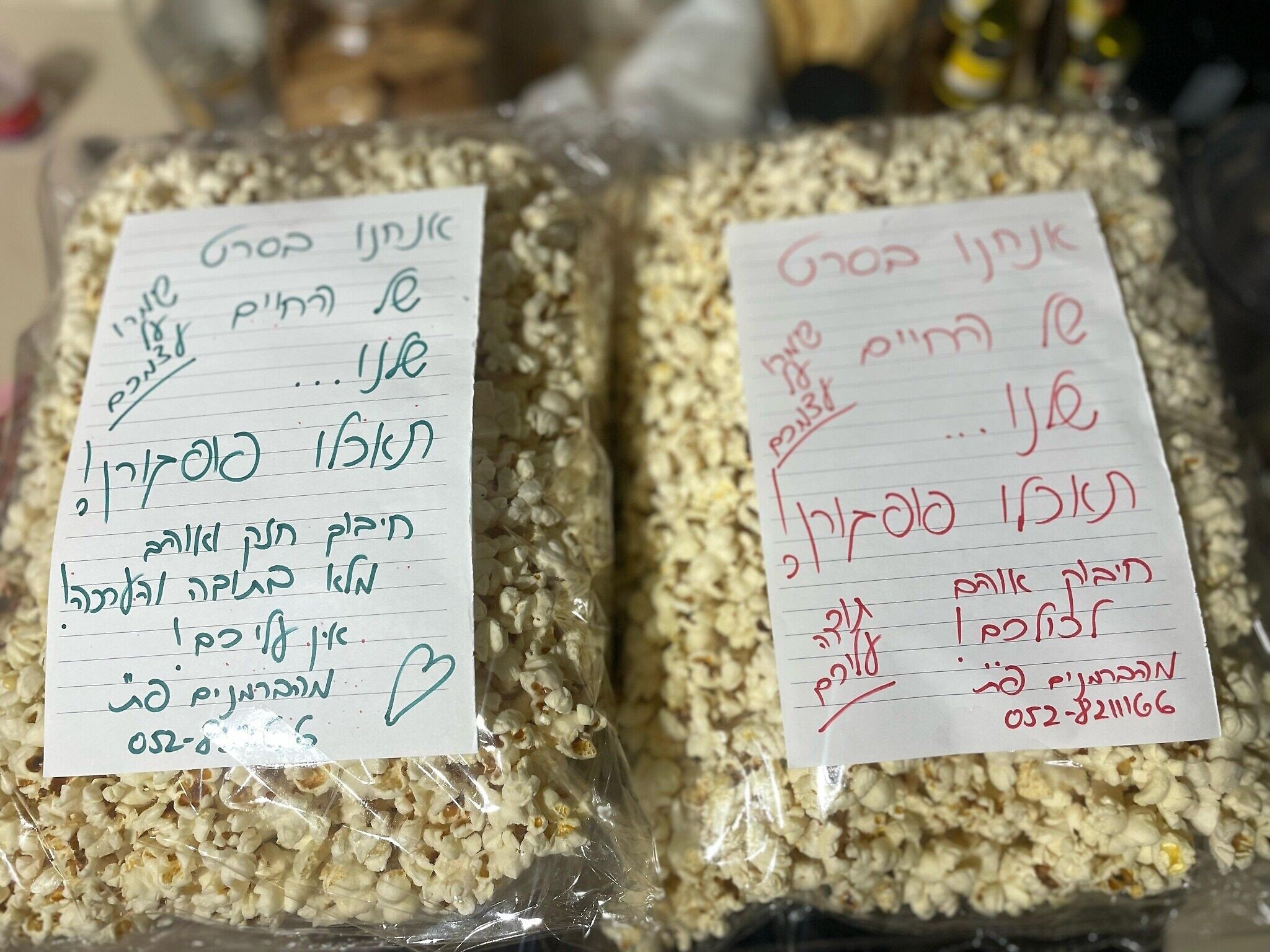
“We have soldiers who are hardly at home for months,” Schwarz said, referring to the thousands of reservists who have been on lengthy deployments in Gaza since the October 7 massacre. “We send them things that are part of normality, of the life they remember, that they can hope to return to.״
Prof. Michal Almog-Bar, a co-author of both reports and head of Hebrew University’s Institute for the Study of Civil Society and Philanthropy in Israel, said that the volunteers cut across ethnic, age, and social categories, as they did in the wake of October 7.
“The activity was very varied,” she told The Times of Israel. “It shows the huge resilience of society. During a crisis, we have solutions for nearly everything. I don’t know this from other countries.”
Many of the civilian initiatives that began shortly after October 7, such as Brothers and Sisters in Arms (Now Brothers and Sisters in Israel) and the Jerusalem Hamal (operations center), were able to swiftly pivot back into action, she said. Established nonprofits, such as Enosh — the Israeli Mental Health Association, had emergency programs they could implement immediately.
Compared with October 7, volunteer operations were “more developed and professional this time,” when the Iran war started, said Almog-Bar. “We have turned into an emergency response empire, and there’s much to learn from us. In other countries, there is volunteering in emergencies, but not at the same scale and for such a length of time.”
Almog-Bar noted that academic research had primarily focused on volunteering during short-term emergencies triggered by events such as earthquakes.
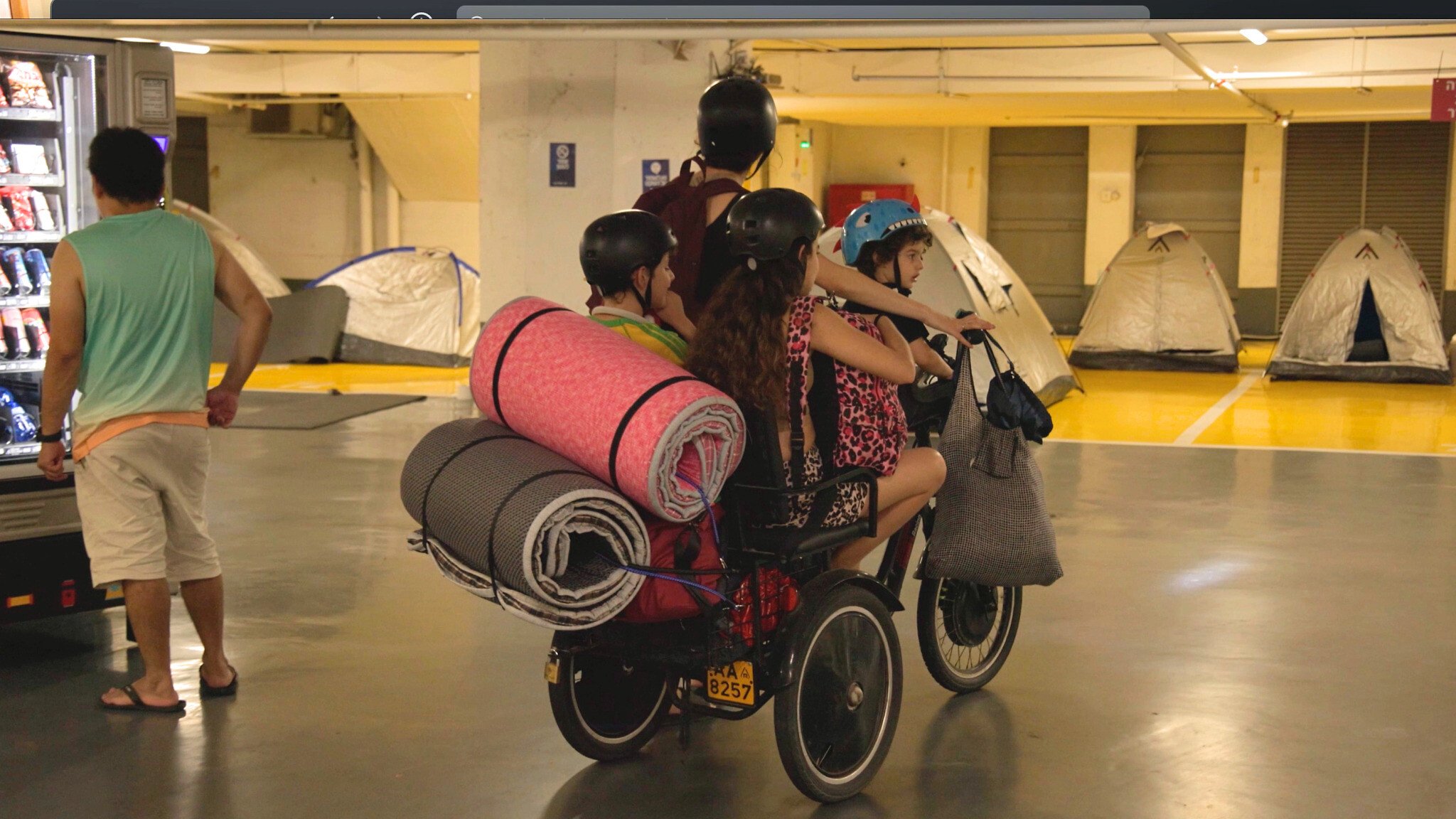
“Here, it’s continuing, and it’s very challenging,” Almog-Bar said. “In these cases, we are all Israelis, concern for our communities is very strong, and we manage to overcome our political differences, which will return shortly after. We had the coronavirus, followed by a few more security events, and then the events of October 7.
“People are experiencing emergency situations more often. We also see that volunteering provides benefits for both the volunteers and the recipients — a sense of calm that comes from being occupied. People want to feel they are helping and that if something happens to them, others will help them too. We have seen that anyone can suffer harm. Everyone is in the same existential anxiety.”
Among the notable findings of the report on the Iran war is that more than a third (36%) of the organizations reported successful collaborations with local government, and just under a quarter (23%) with government bodies — an improvement on the period after October 7, when government, in particular, was in disarray.
Blurred boundaries
Almog-Bar noted that civil society had shifted to providing services since the start of Israel’s war against Hamas.
“There’s a lot of blurring of boundaries,” she said.
She asked whether philanthropy should be funding public services to the extent that it is: Should a protest movement like Brothers and Sisters in Arms be building houses on the Gaza border when there was a state agency, the Tekuma Directorate, set up to do so? Was it right that civic initiatives were still providing food for IDF soldiers, more than 600 days after October 7?
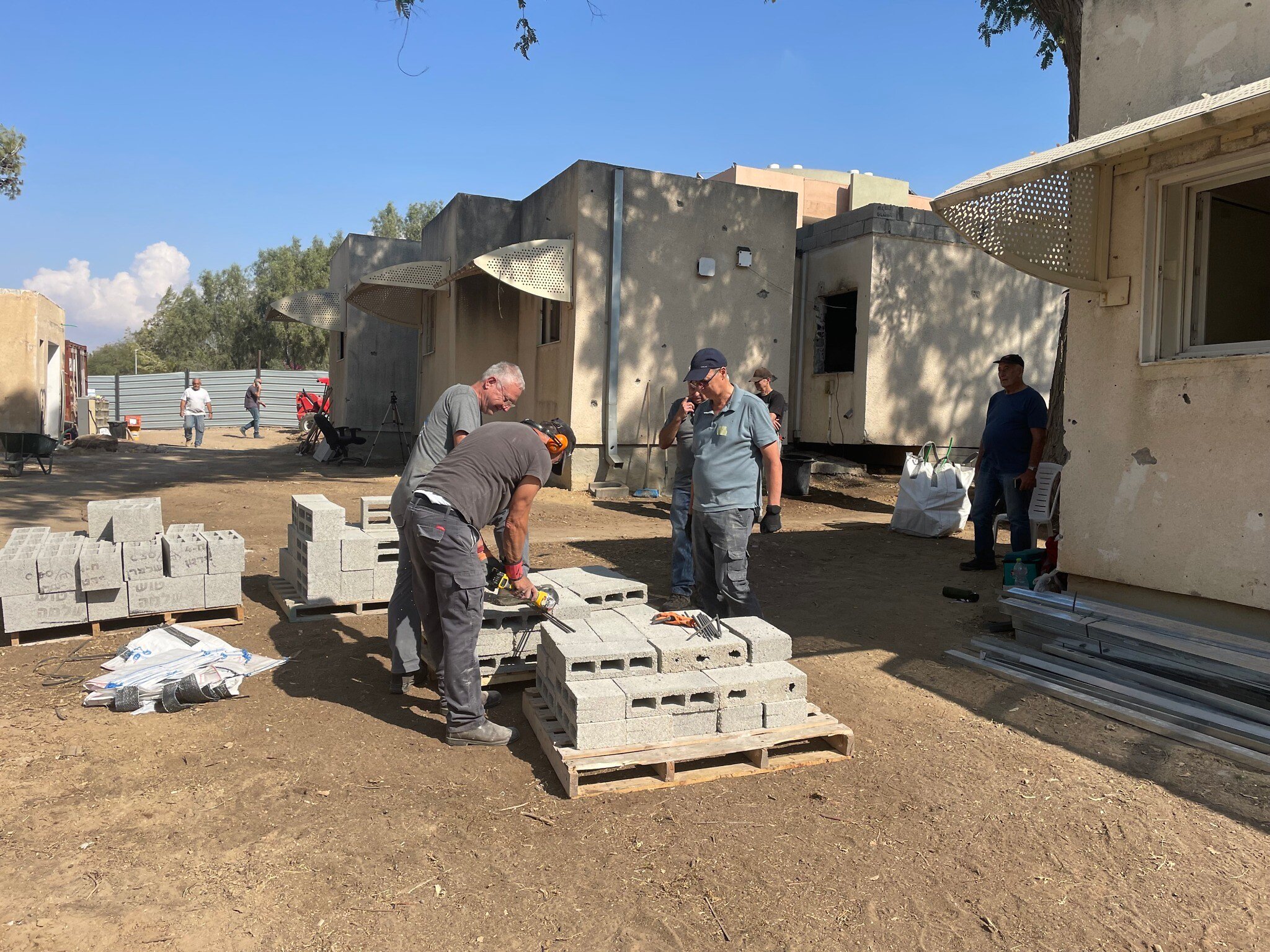
“Civil society is amazing, especially over time,” she said, “But there are questions regarding [the balance between] the public and private sectors, which have become even more complex during these emergency periods.”








The Times of Israel Community.