

With memorial siren wailing, Israel remembers Holocaust victims in shadow of war tensions
State ceremony at Yad Vashem takes place without audience amid fighting with Hezbollah, ceasefire with Iran; March of the Living held in Poland, with most Israelis unable to attend
 Add ToI as a Preferred Source on Google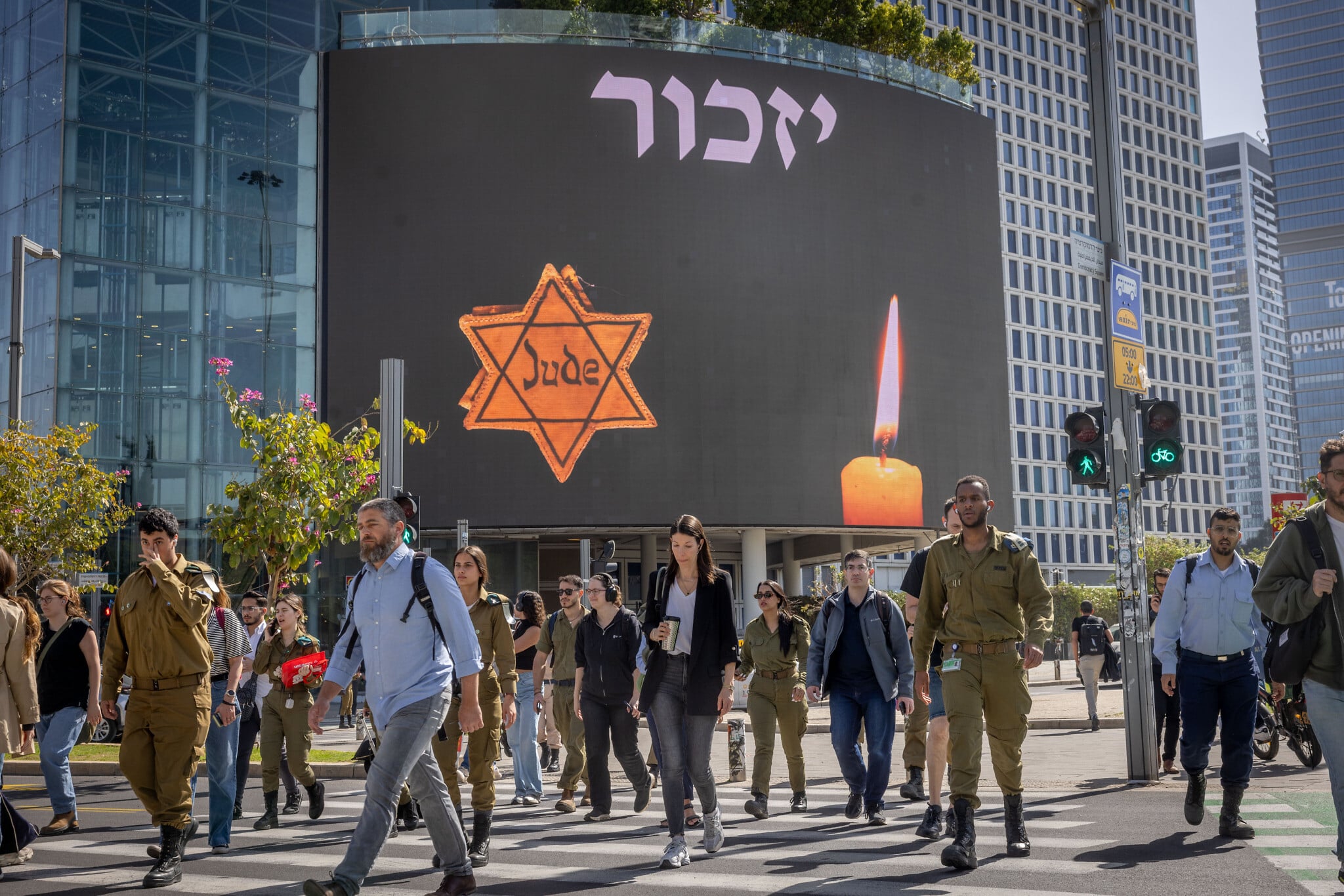
A two-minute memorial siren sounded throughout Israel Tuesday morning, bringing the country to a standstill as it marked Holocaust Remembrance Day with various state ceremonies and events, in the shadow of the ongoing war with Hezbollah in Lebanon and the fragile ceasefire with Iran.
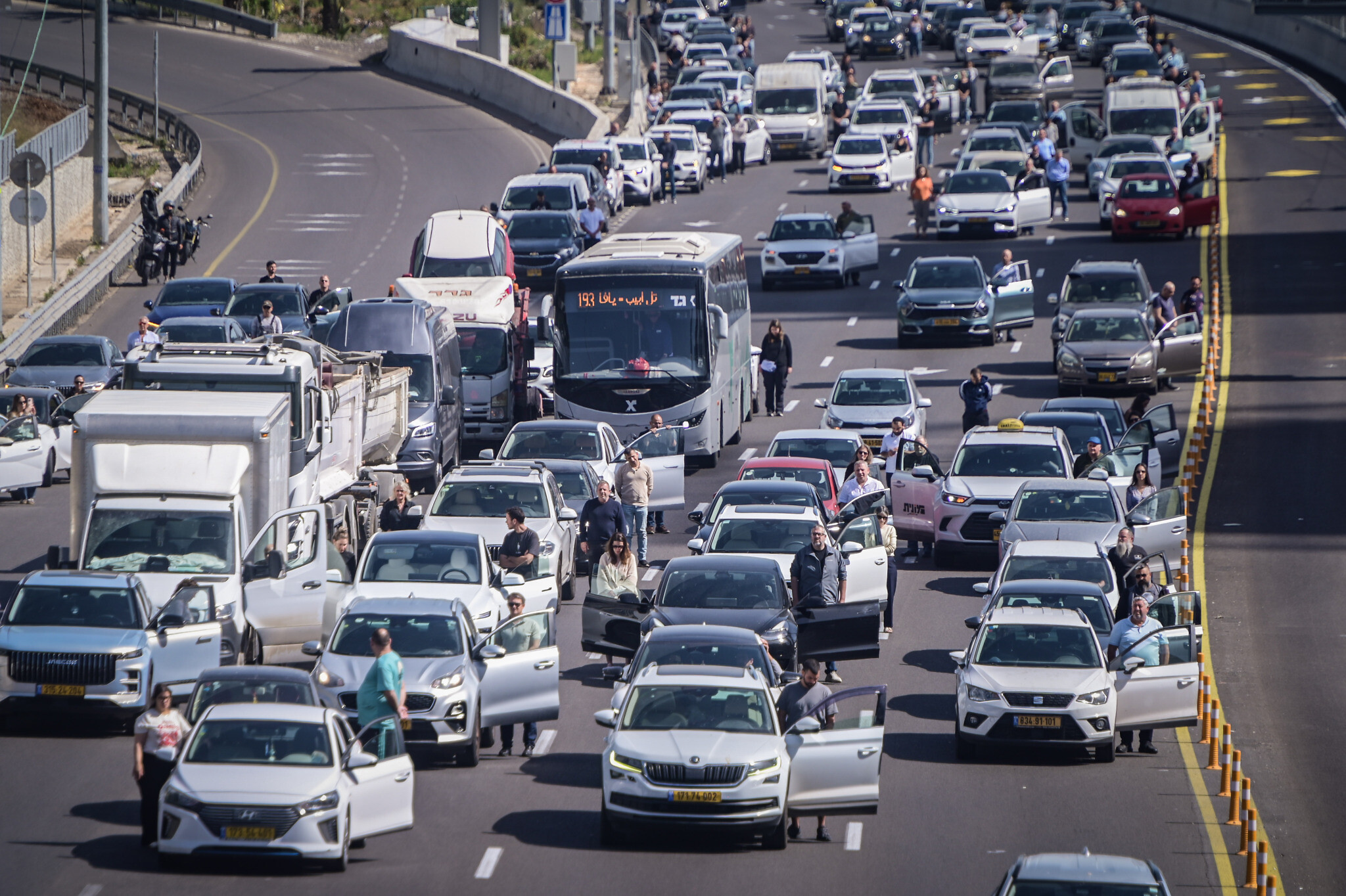
As is customary on Israel’s remembrance days, drivers stood by halted cars along highways and pedestrians came to a standstill, remaining silent and unmoving until the siren’s steady, wailing tone died away.
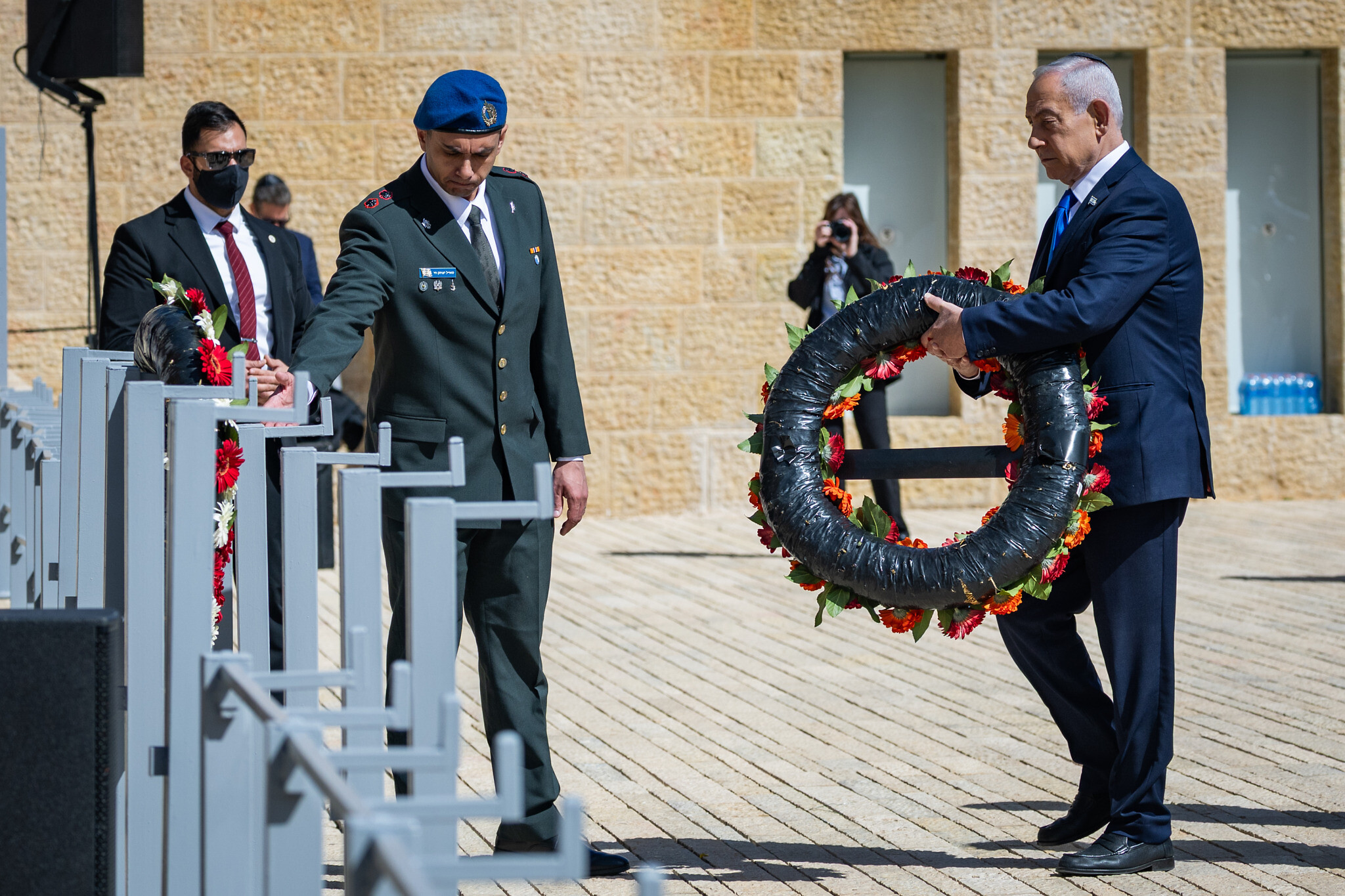
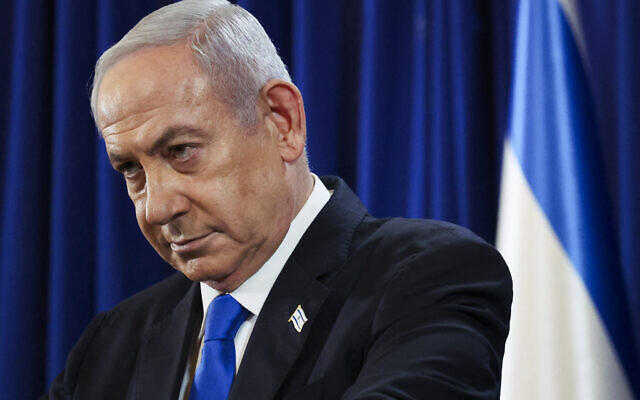
After the siren sounded, the main state ceremony was held at Jerusalem’s Yad Vashem museum, attended by Prime Minister Benjamin Netanyahu, President Isaac Herzog, Supreme Court President Isaac Amit, IDF Chief of Staff Lt. Gen. Eyal Zamir, Knesset Speaker Amir Ohana, other dignitaries, and several Holocaust survivors.
The ceremony took place without an audience, and several portable bomb shelters were placed nearby in case of an incoming missile or rocket alarm.
However, no sirens — apart from the memorial siren — sounded during the event, and the ceremony went ahead as planned.
Netanyahu, Herzog and the other senior officials present laid wreaths upon memorial posts, in honor of the six million Jews who were killed by Nazi Germany and its allies during World War II.
The previous evening, Israel ushered in the somber day with a pre-recorded ceremony from Yad Vashem, during which Netanyahu castigated Europe for being “afflicted by deep moral weakness,” saying that Israel is now defending the continent, “which has forgotten so much since the Holocaust.”
He accused Europe of “losing control of its identity, of its values, of its responsibility to defend civilization against barbarism.”
Herzog, in his address, called for national unity, saying Israel did not rise from the ashes of the Holocaust only to be consumed by the fire of discord.
Meanwhile in Poland, thousands of people from around the world, including some 50 Holocaust survivors and their families, gathered Tuesday afternoon at the site of the Auschwitz concentration camp for the 38th annual March of the Living.
Though the planned 1,500-strong Israeli delegation was forced to cancel due to the war with Iran, a dozen survivors from the Jewish state nevertheless were able to make it to Poland.
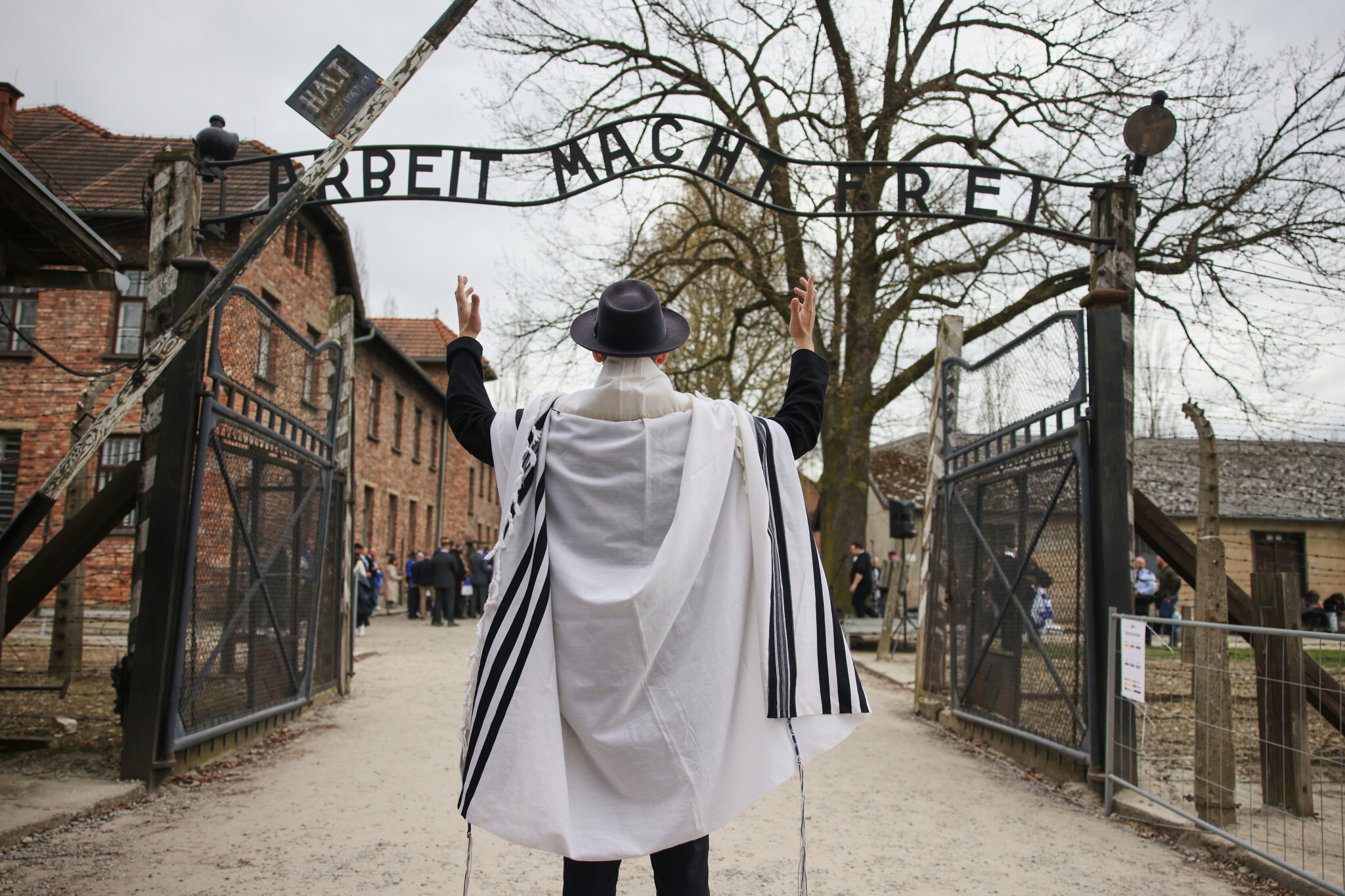
During the yearly event, participants silently march the 3-kilometer (1.8-mile) distance between the former Nazi death camps of Auschwitz and Birkenau.
Some 7,000 people from around the world were expected to take part in the march, including survivors of antisemitic attacks in the US, Europe and Australia, who were set to take part in a central torch-lighting ceremony after the march concluded.
Last year saw the highest number of Diaspora Jews murdered in antisemitic incidents out of all years in the previous three decades, mainly due to the massacre during a Hanukkah event at Sydney’s Bondi Beach in which 15 people were killed.
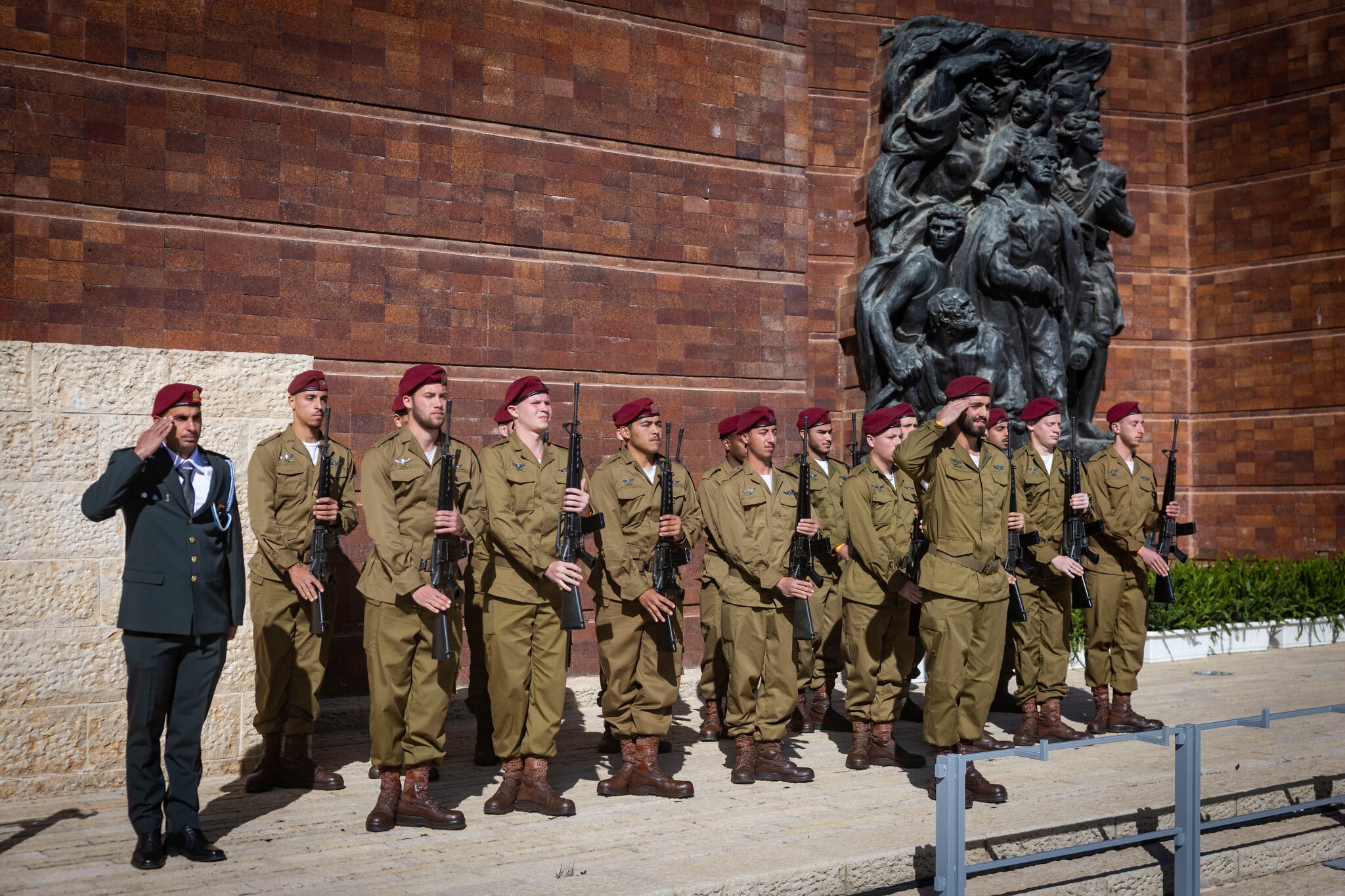
While Monday’s and Tuesday’s main state ceremonies in Israel were either pre-recorded or took place without audiences, local ceremonies were still held across the country, alongside the many small living-room gatherings held each year in which Holocaust survivors are invited to tell their story to the public.
The day, marked on the anniversary of the Warsaw Ghetto Uprising, is separate from International Holocaust Remembrance Day, which falls on January 27, commemorating the anniversary of the liberation of Auschwitz.
At the start of 2026, there were 111,000 Holocaust survivors living in Israel, according to the Central Bureau of Statistics (CBS). All survivors are at least 80 years old, and 28 percent of them are over 90, the CBS said, based on data from the Holocaust Survivors’ Authority, a government agency that sits under the Prime Minister’s Office.
In January 2025, the authority said there were 123,000 survivors living in Israel.
Dwindling numbers of living eyewitnesses to the Nazi genocide during World War II mean it will be more difficult to transmit the lessons of the Holocaust to the next generation, Holocaust educators say.



The Times of Israel Community.