

Abbas says Cairo peace summit only after settlement freeze
Palestinian preconditions include talks on basis of pre-1967 lines, set timetable; Netanyahu said open to meeting Abbas under Egyptian aegis

 Add ToI as a Preferred Source on Google
Avi Issacharoff, The Times of Israel's Middle East analyst, fills the same role for Walla, the leading portal in Israel. He is also a guest commentator on many different radio shows and current affairs programs on television. Until 2012, he was a reporter and commentator on Arab affairs for the Haaretz newspaper. He also lectures on modern Palestinian history at Tel Aviv University, and is currently writing a script for an action-drama series for the Israeli satellite Television "YES." Born in Jerusalem, he graduated cum laude from Ben Gurion University with a B.A. in Middle Eastern studies and then earned his M.A. from Tel Aviv University on the same subject, also cum laude. A fluent Arabic speaker, Avi was the Middle East Affairs correspondent for Israeli Public Radio covering the Israeli-Palestinian conflict, the war in Iraq and the Arab countries between the years 2003-2006. Avi directed and edited short documentary films on Israeli television programs dealing with the Middle East. In 2002 he won the "best reporter" award for the "Israel Radio” for his coverage of the second intifada. In 2004, together with Amos Harel, he wrote "The Seventh War - How we won and why we lost the war with the Palestinians." A year later the book won an award from the Institute for Strategic Studies for containing the best research on security affairs in Israel. In 2008, Issacharoff and Harel published their second book, entitled "34 Days - The Story of the Second Lebanon War," which won the same prize.
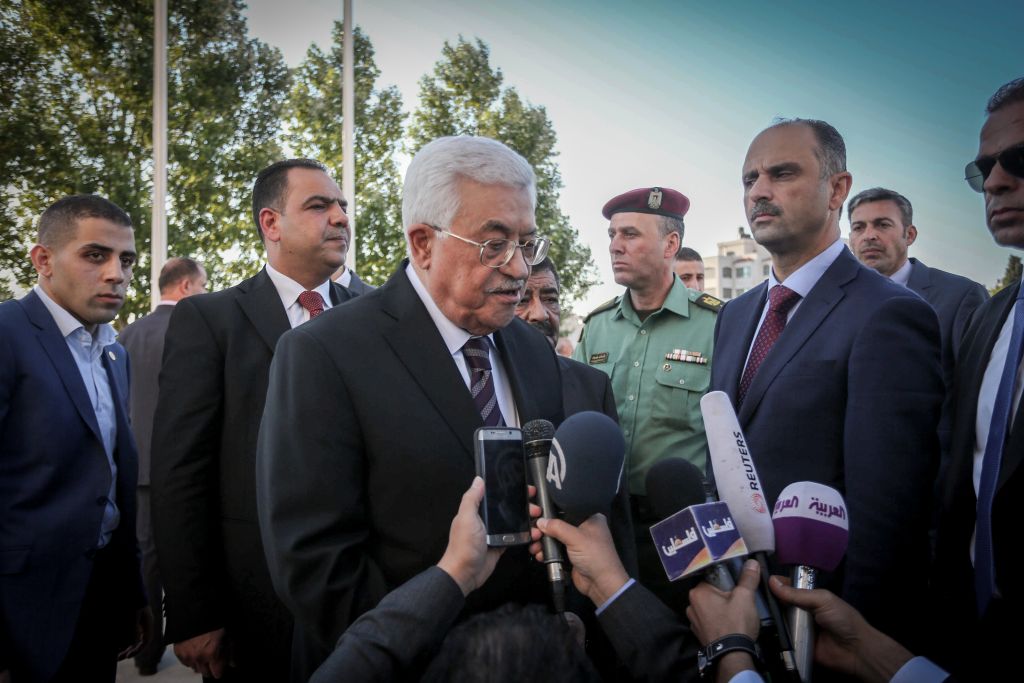
Palestinian leaders have presented several preconditions for participating in a trilateral Israeli-Egyptian-Palestinian peace summit in Cairo, including a freeze on Israeli settlement construction, a Palestinian official told The Times of Israel.
Prime Minister Benjamin Netanyahu on Sunday reportedly told Egyptian Foreign Minister Sameh Shoukry he would be willing to meet with Palestinian Authority President Mahmoud Abbas in Cairo for talks hosted by President Abdel-Fattah el-Sissi.
The Prime Minister’s Office did not deny the report by the Saudi-owned, pan-Arab news outlet Al-Arabiya. It said in a statement that “whether the issue was discussed or not, Israel has always said it is prepared to conduct direct bilateral negotiations with no preconditions.”
The senior Palestinian official said Tuesday that Abbas had conditioned his participation on Israel agreeing to stop settlement construction and accepting a set timeline for negotiations. Israel would also have to acquiesce to negotiations based on the pre-1967 lines and pledge ahead of time to implement any agreements reached in the talks.
A senior Egyptian official told The Times of Israel on Tuesday that Egypt was seeking a formula for renewal of negotiation that would be accepted by both sides. The official said it might be too early to invite both sides to a summit, since the sides did not yet agree about the goals of the talks.
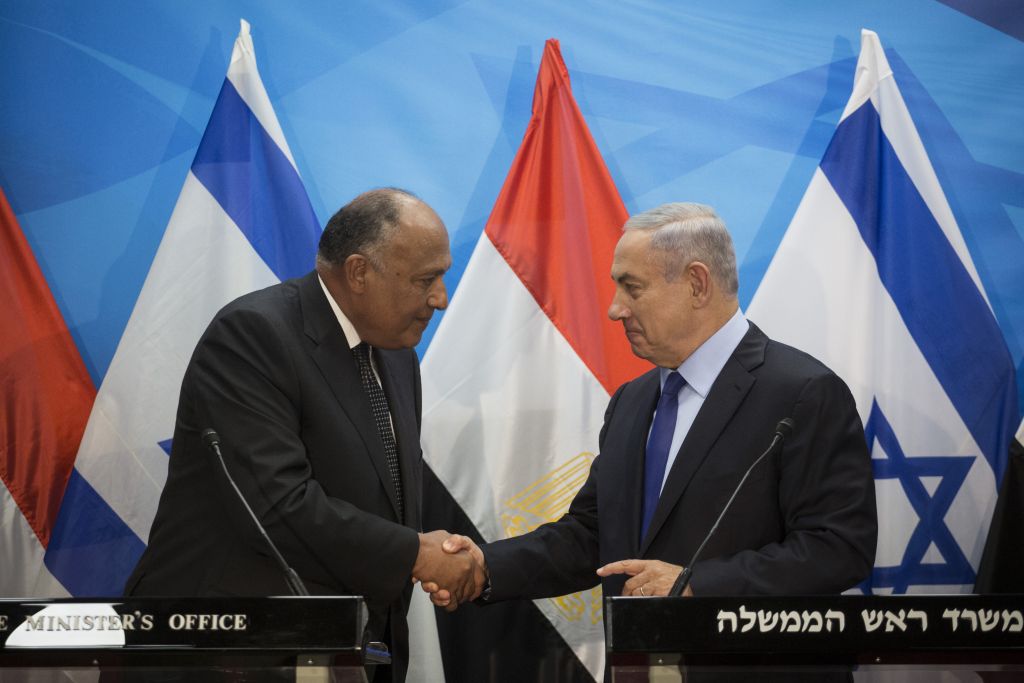
The Egyptian proposal of hosting tripartite talks may have been part of Sunday’s high-profile meetings between Netanyahu and Shoukry in Jerusalem.
Sissi reportedly offered to host direct talks between the sides as part of Cairo’s initiative to kickstart the moribund peace process.
The summit, which would also be attended by senior officials from Jordan and Egypt, would seek to engage in confidence-building measures in an effort to calm the 10-month surge in violence in the West Bank, Palestinian officials told both the London-based Al-Hayat newspaper and Israel’s Haaretz daily.
Shoukry’s visit to Israel was the first by an Egyptian foreign minister since 2007. The visit came amid speculation over the renewal of an Arab peace initiative and as Israel’s military recently saluted “unprecedented” intelligence cooperation with Egypt to combat the Islamic State group.
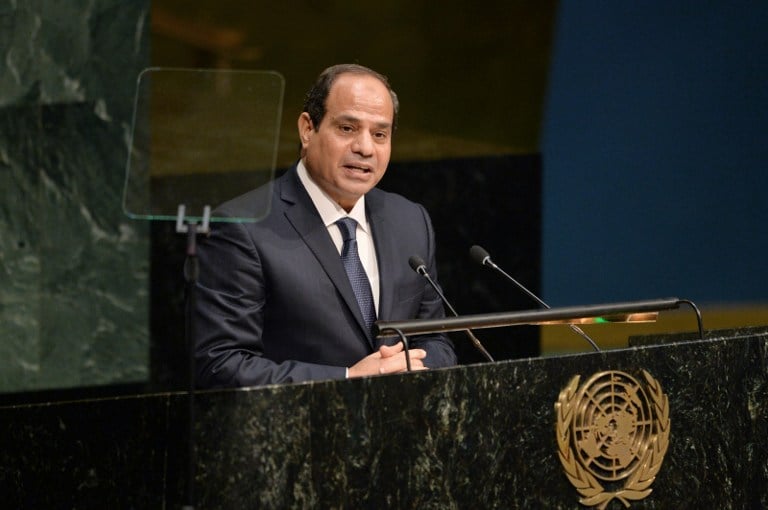
Speaking to journalists alongside Netanyahu before their meeting on Sunday, Shoukry said the Middle East was at a “crucial and challenging juncture.” Cairo, he added, is dedicated to “a just and comprehensive peace between the Israeli and Palestinian people.”
“The goal we aim to achieve through negotiations between the two parties is one that is based on justice, legitimate rights and mutual willingness to coexist peacefully in two neighboring independent states in peace and security,” he said.
“Egypt remains ready to assist in achieving this goal,” he said, stressing that “such a momentous achievement will have a far-reaching, dramatic and positive impact on the overall conditions in the Middle East. The current state of affairs is, unfortunately, neither stable nor sustainable.”
Shoukry, who visited Abbas in the West Bank last month, urged leaders from both sides to resume negotiations.
According to Israel’s Channel 2 television, Shoukry’s surprise visit was also aimed at arranging a first meeting between Netanyahu and Sissi in Egypt in the coming months.
The TV report said Shoukry’s first visit to Israel was coordinated between Egypt and Saudi Arabia, whose Arab Peace Initiative is backed by Sissi and much of the Arab world as the basis of any regional peace effort. Netanyahu has rejected the initiative in its current form, but said in late May that it “contains positive elements that could help revive constructive negotiations with the Palestinians.”
Times of Israel staff and AFP contributed to this report.





The Times of Israel Community.