

Iran begins construction on 2nd nuclear power plant
$8.5 billion project launched with Russia’s help will ultimately include 2 facilities expected to go online in 10 years
 Add ToI as a Preferred Source on Google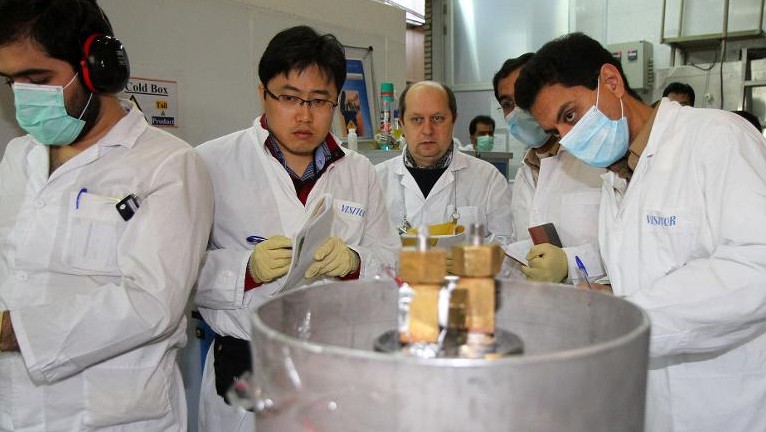
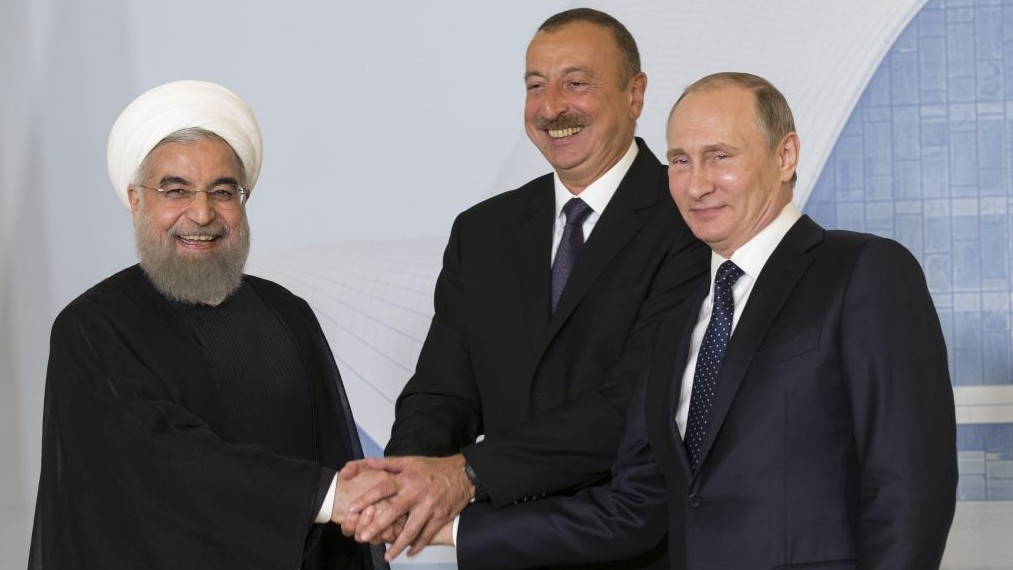
TEHRAN, Iran — Iran began building its second nuclear power plant with Russian help on Saturday, the first such project since last year’s landmark nuclear deal with world powers, state TV reported.
The project will eventually include two power plants expected to go online in 10 years. Construction on the second plant is set to begin in 2018. The project will cost more than $8.5 billion and produce 1,057 megawatts of electricity.
Russia, along the United States, Britain, France, Germany and China, reached a deal with Iran last year in which Tehran agreed to curb its nuclear program in exchange for the lifting of international sanctions. Iran rejects Western allegations that it is seeking nuclear weapons, insisting its atomic program is for entirely peaceful purposes.
“Construction of the power plant is a symbol of Iran enjoying the results of the nuclear deal,” Senior Vice-President Ishaq Jahangiri said at a ceremony marking the start of the project.
“We will continue working with Russia as a strategic partner and friend,” he added.
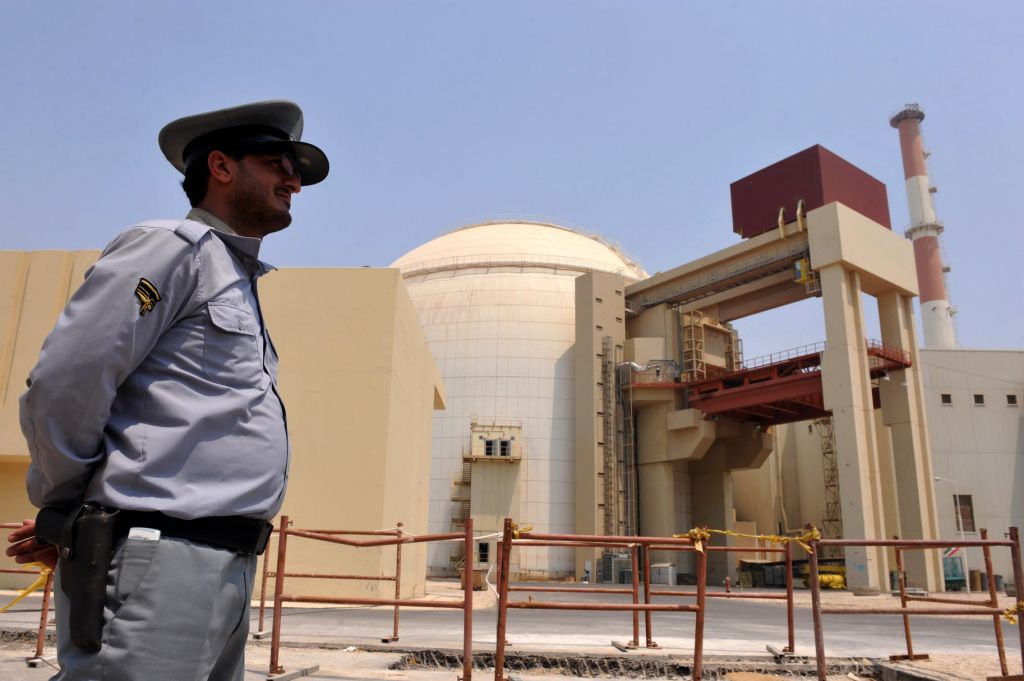
The ceremony was held in the southern port city of Bushehr, where Iran’s sole operational nuclear reactor, also built with Russian assistance, produces 1,000 megawatts. It went online in 2011, and the two countries have agreed to cooperate on future projects.
Western nations do not view the Bushehr plant as a proliferation risk because Russia supplies the fuel for the reactor and takes away spent fuel that could otherwise be used to make weapons-grade plutonium.
The UN agency monitoring Iran’s nuclear pact with world powers said in a report Thursday that there have been no clear violations of the agreement meant to crimp the ability of Tehran to make atomic weapons.
But in one area of potential concern, the report said Iran has begun to manufacture rotor tubes for centrifuges, machines used to enrich uranium.
Iran is allowed to make such parts but there are limitations.
For the 5,060 centrifuges now producing limited amounts of fuel-grade enriched uranium, Tehran must use spare parts stripped from old machines. Parts for more advanced centrifuges would fall under even tighter regulations. Depending on its enrichment level, uranium has a variety of uses ranging from reactor fuel to fissile warhead cores.
The confidential report obtained by The Associated Press said “related technical discussions” on the issue are ongoing.
Copyright 2016 The Associated Press.









The Times of Israel Community.