

Need a break from the news? The flowers of the Dead Sea beckon
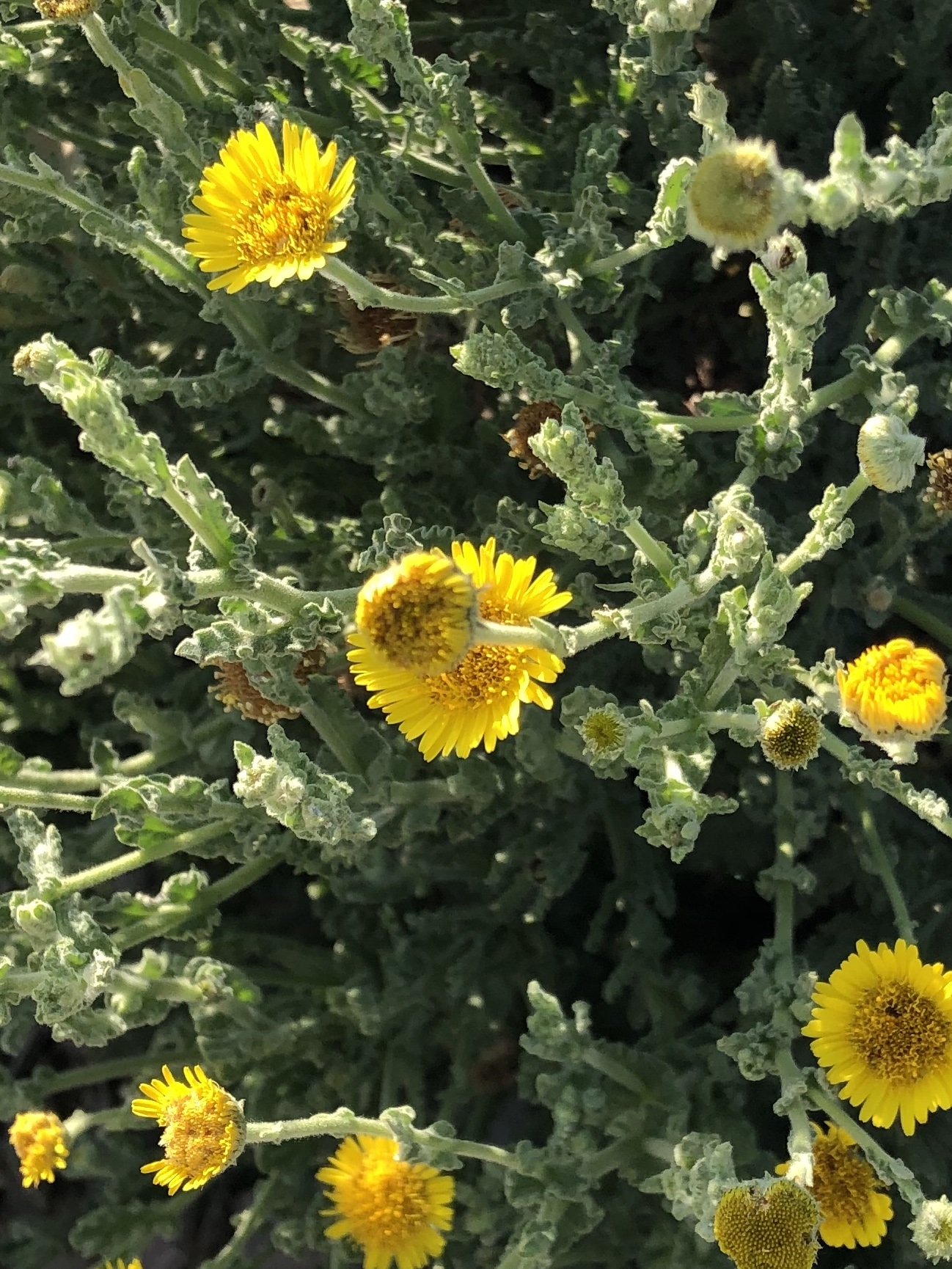
Thanks to above-average rainfall this winter, desert wildflowers are strutting their stuff, making the most of the short pollination period before the weather heats up
 Add ToI as a Preferred Source on Google
Sue Surkes is The Times of Israel's environment reporter




Sick of reading about the elections and the prime minister’s legal entanglements? Want to get away from the rain?
After the Red in the South festival of anemones came to an end Thursday, you might want to head down to the Dead Sea, where it’s warm and the desert wildflowers are in full bloom.
The drive from Jerusalem to the Dead Sea drops down nearly 1,200 meters in altitude, from the hills of the capital to the lowest place on earth and the hottest one in Israel.
Here, in one of the most harshest places on the planet, boiling summers give way to unpredictable winters during which sudden storms can cause devastating flash floods.
Plants in this area have evolved remarkable mechanisms to cope with extreme salinity and drought.
Acacia trees send roots tens of meters down into the earth in search of wet layers. Tamarisk species are able to expel salt through glands on their leaves. Some plants have segmented body parts so that they can drop sections to conserve water or rid themselves of salt. Others carry white hairs on their leaves to limit water loss and refract the sun’s harmful rays.
It’s worth visiting the Ein Gedi Botanical Garden, where many of the plants and trees are in bloom, and then going down to the main Route 90 and crossing the road (very carefully) to the beach side.
Thanks to above-average rainfall this year, the wild plants are strutting their stuff, and you don’t have to go far from the roadside to see them. (Don’t wander far — the area is full of sinkholes.)










The Times of Israel Community.