

Netanyahu hits back at Abbas over boycott comments
After Palestinian leader called for labeling settlement goods, PM notes that past sanctions against Jews led to persecution
 Add ToI as a Preferred Source on Google
Adiv Sterman is a breaking news editor at The Times of Israel.
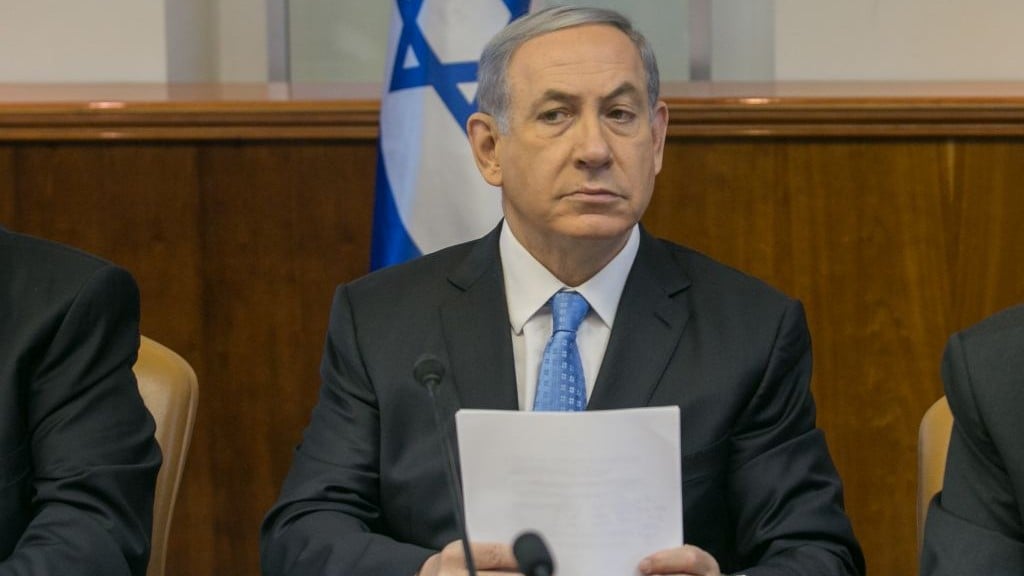
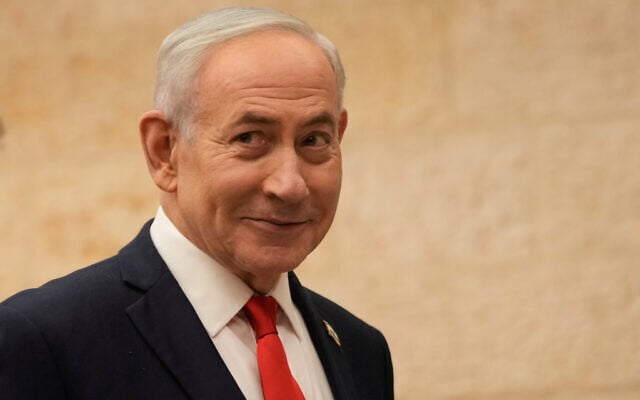
Prime Minister Benjamin Netanyahu criticized Palestinian Authority President Mahmoud Abbas Monday for urging African countries to boycott goods produced by Israeli-owned companies in the West Bank, stressing that vilification of Jews had led to full-fledged persecution against them in the past.
“Yesterday Palestinian President Abbas called for the labeling and boycotting of Israeli products. This is definitely not the language of peace,” Netanyahu said during a meeting with Polish Foreign Minister Grzegorz Schetyna. We will continue to resist boycotts, defamation, de-legitimization. We’ll do that internationally, we’ll do that locally if we need to, and our hand will remain stretched out for peace for any partner that wants to have peace with us.”
“I say that to the foreign minister of a free proud and independent Poland, on whose soil the defamation of the Jewish people happened when the Nazis controlled Europe,” Netanyahu said. “The attacks on the Jews were always preceded by the slander of the Jews. What was done to the Jewish people then is being done to the Jewish state now. We won’t accommodate that. In those days we could do nothing.”
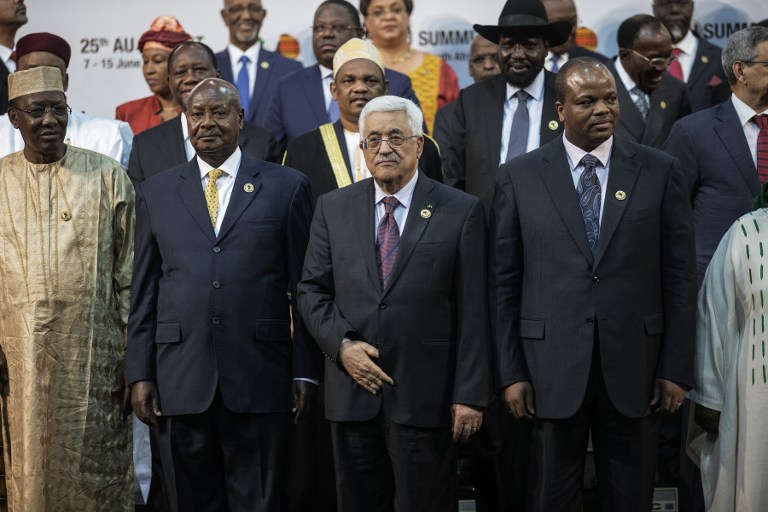
Speaking at the 25th African Union assembly in the South African city of Johannesburg on Sunday, Abbas called on state leaders to require the labeling of settlement products as a means of deterring consumers from purchasing such items. The Palestinian leader added that the sale of Israeli goods produced beyond the Green Line violated international legal standards.
“We must boycott the settlements which were established on Arab land, contrary to international law and resolutions,” Abbas said, according to the official Palestinian Wafa news agency.
The European Union is expected to soon begin rolling out rules that require the labeling of goods from the West Bank, East Jerusalem and the Golan Heights, diplomats said recently. Experts have warned that the program, which Jerusalem has railed against, could snowball into a larger boycott of Israel.
The Boycott Divestment Sanctions movement calls for blanket boycotts of Israel, not just Israeli settlements, with the stated goal of ending the Israeli occupation of Arab lands and granting a “right of return” to Israel to all Palestinian refugees and their millions of descendants.






The Times of Israel Community.