

Video exposes divisions among Iran lawmakers over nuke talks
Clip from parliament session shows hard-line MP calling the foreign minister a ‘traitor’
 Add ToI as a Preferred Source on Google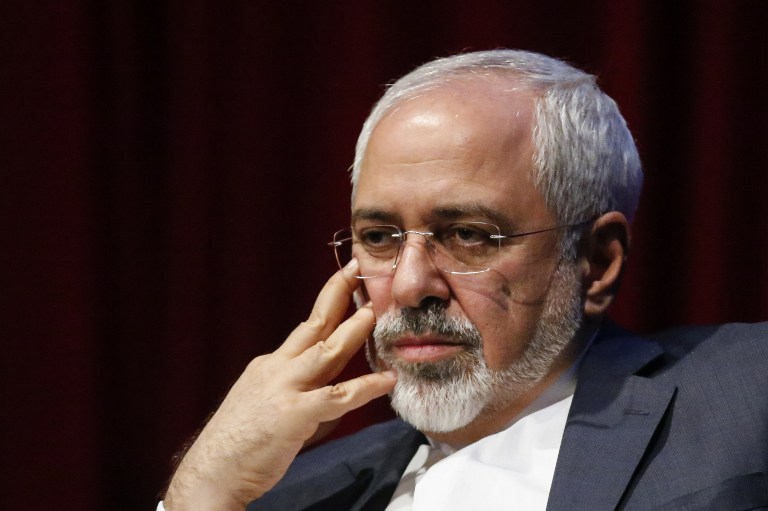
TEHRAN, Iran — Iranians have been captivated by a video circulating on social media this week that shows a hard-line lawmaker trading barbs with the country’s foreign minister over the ongoing nuclear negotiations with world powers.
The video, which surfaced Monday, shows Foreign Minister Mohammad Javad Zarif and hard-line lawmaker Mahdi Kouchakzadeh in a heated exchange, apparently at the end of a closed session of parliament.
The hard-liner calls Zarif a “traitor,” claiming he speaks for Supreme Leader Ayatollah Ali Khamenei, which then prompts an angry reaction from the minister, who becomes obviously upset and chastises the lawmaker saying he has no right to speak for the country’s top leader.
There are speculations that the poor-quality footage was filmed, most likely with a mobile phone, and leaked by one of the lawmakers present at the session. Several lawmakers have demanded that authorities uncover the person behind the leak and prosecute the individual.
Iranians rarely get to see an unrestrained and more personal side of their officials and leaders. Unlike open parliament sessions, closed sessions such as the one where the argument took place are not broadcast on state media.
Iran and the six world powers — including the United States, other permanent UN Security Council members and Germany — are negotiating a final deal over the country’s controversial nuclear program. They face a June 30 deadline for a comprehensive deal to be struck, but it’s unclear if that deadline can be met since much work remains to be done, according to negotiators.
The proposed deal would freeze Iran’s nuclear program for a decade, in return for the lifting of economic sanctions imposed on Tehran. Iran has insisted that its nuclear program is solely for peaceful purposes, such as power generation, cancer treatment and medical research. But many governments fear it harbors nuclear weapons ambitions.
Copyright 2015 The Associated Press.







The Times of Israel Community.