

15 years after deadly Carmel blaze, state still ‘underfunding wildfire protection’
Knesset committee hears how lack of cash impacting pilot firebreak project, maintenance, water provision, firefighting personnel
 Add ToI as a Preferred Source on Google
Sue Surkes is The Times of Israel's environment reporter
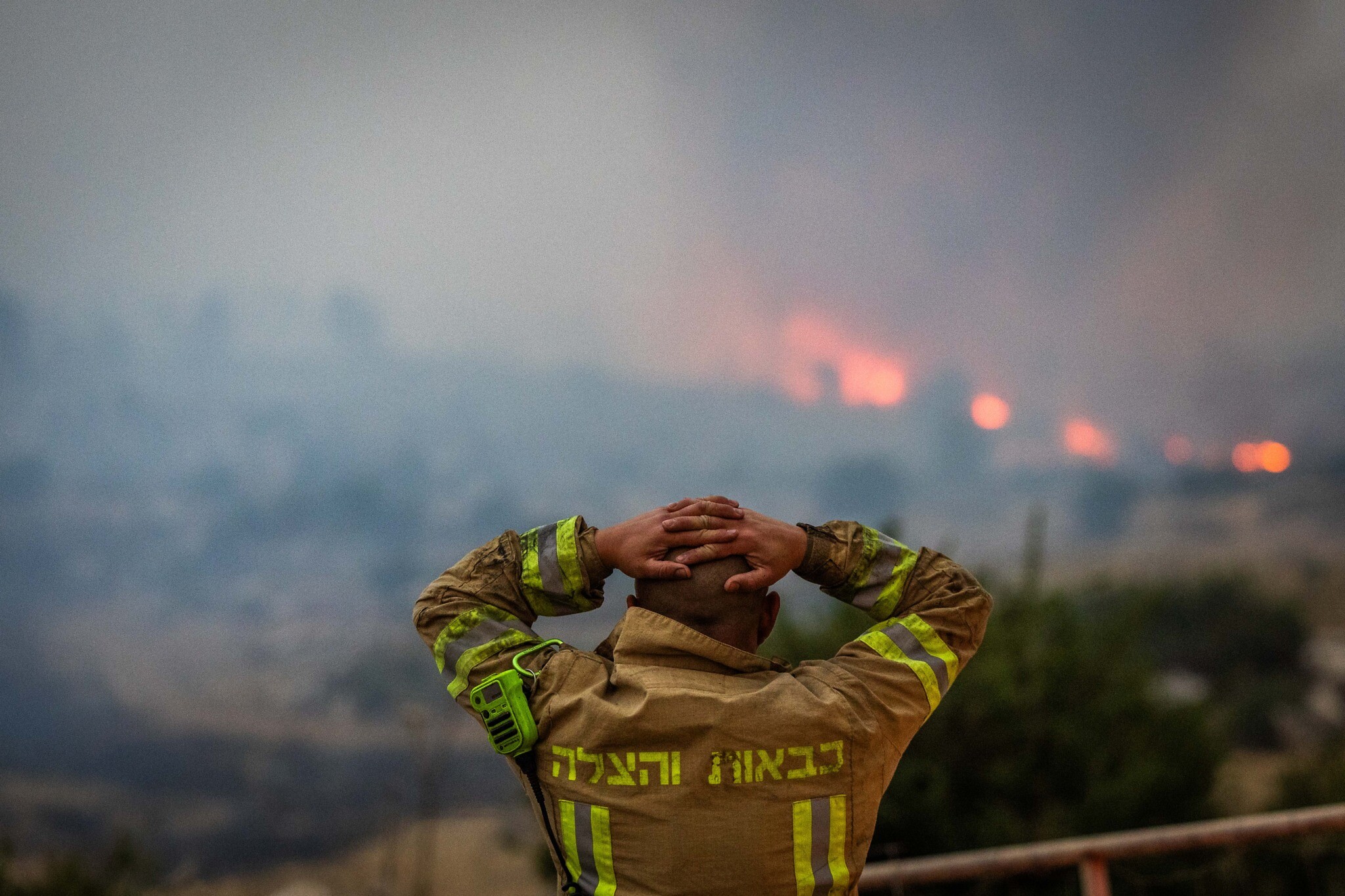
On the 15th anniversary of the deadliest wildfire in Israel’s history, state funds for creating firebreaks, ensuring sufficient firefighting water supplies and adequately staffing the Fire and Rescue Services are still being held up, a Knesset committee was told on Tuesday.
Only a quarter of the firebreaks planned for 20 high-fire-risk areas as part of a five-year pilot project have been completed due to a lack of funds, and no money has been budgeted for essential vegetation maintenance around firebreaks that have already been established.
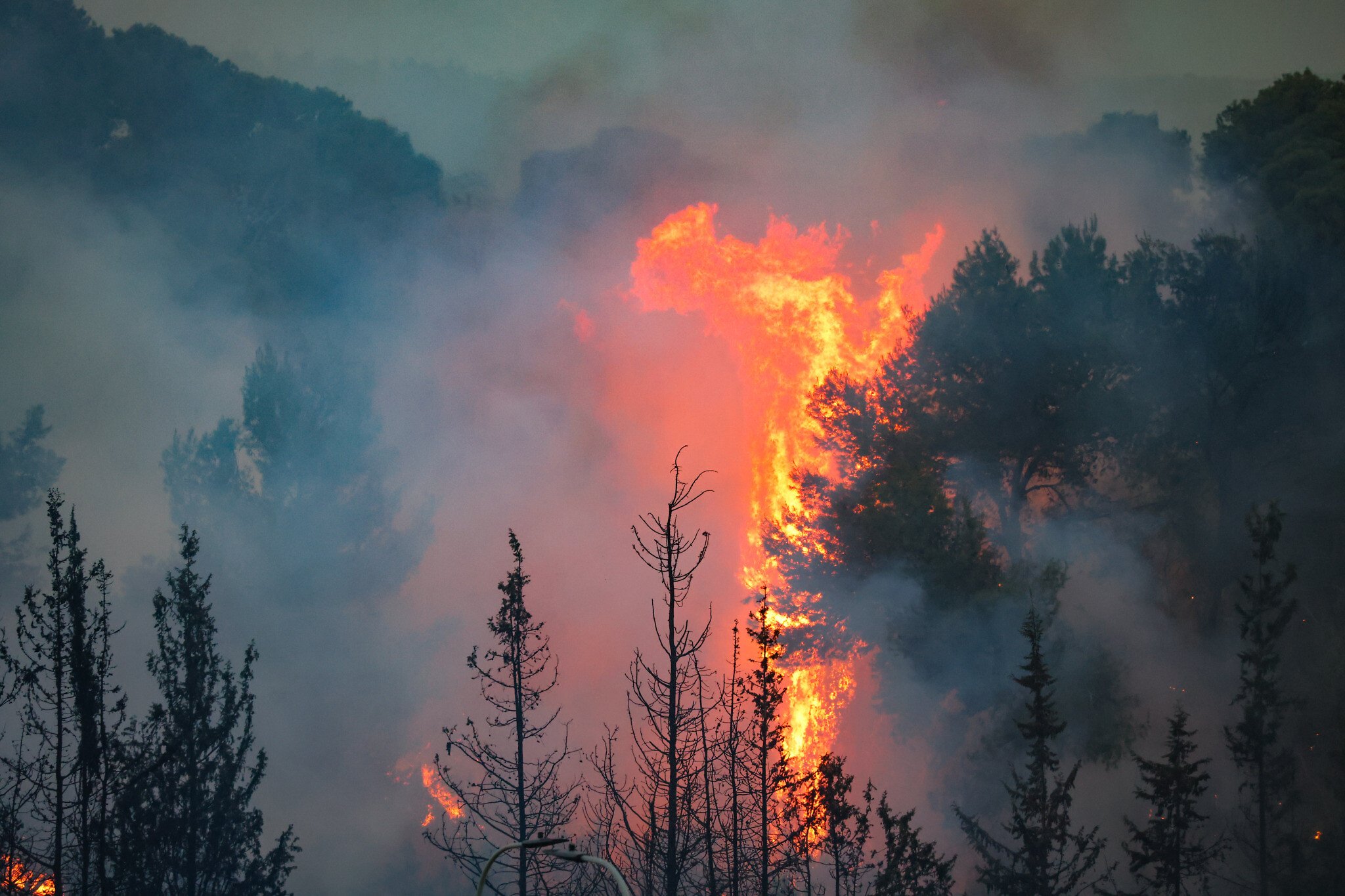
On December 2, 2010, a fire broke out near the northern Druze town of Isfiya. Stoked by hot easterly winds, it expanded within two hours into a blaze 35 meters high and burned through the Carmel Forest. Thousands of residents were evacuated, and 44 people were killed, most of them passengers on an Israel Prison Service bus that was driving up a narrow and steep road to the nearby Damon Prison.
Then, as now, funds for firefighting were lacking. A 2012 State Comptroller report reserved particular criticism for the ministers of interior and finance — then Eli Yishai and Yuval Steinitz, respectively — for bickering over funding for years, rather than addressing the issue.
Regulations drafted by the Israel Fire and Rescue Services in the wake of the Carmel disaster have still not been approved by the interior and finance ministries, which refuse to sign until adequate funds are provided.
Three years ago, Government Decision 1091 mandated the creation of a joint directors-general team to “formulate and implement a national plan” for protecting communities and public institutions at high risk of fire by establishing and maintaining buffer zones.
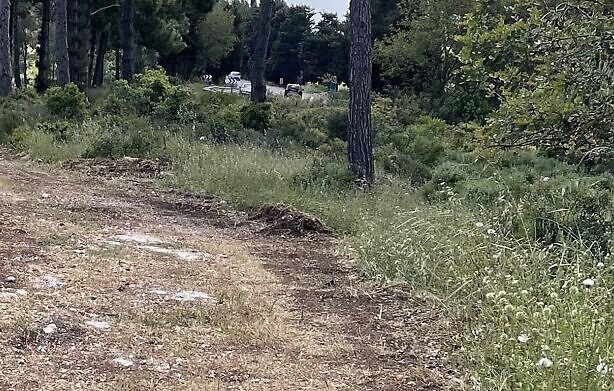
The sum of NIS 65 million ($20 million at today’s rates) was approved for a five-year pilot program, to be run from 2022 through 2026. The candidates were to be chosen from a list of 583 villages and neighborhoods judged by the Fire and Rescue Services as being at the highest risk for potential exposure to wildfires.
The pilot project was to serve as the basis for a national firebreak plan to be developed by the Public Security Ministry (now called the National Security Ministry, headed by Itamar Ben Gvir.
Of the 583 locations mapped, 81 were designated as particularly high risk, and 20 were chosen for the pilot.
However, last year, the government cut the budget by 15 percent to NIS 50 million ($15.4 million), and the Israel Lands Authority’s Open Spaces Fund, which was supposed to finance part of the project, did not transfer any money for it.
In practice, just five out of the 20 buffer zones have been implemented, according to a report by the Knesset Research and Information Center that was prepared for Tuesday’s Knesset State Comptroller Committee meeting at the request of MK Yorai Lahav Hertzano.

Both the report and multiple speakers from local and regional authorities who spoke at the meeting noted that the budget allocated was unrealistically low to start with.
In the northern city of Haifa, for example, NIS 12 million ($3.7 million) was budgeted to establish seven firebreaks — a gap in vegetation or other combustible material created to slow or stop the spread of wildfires. However, only five were built because money ran out.

In the nearby town of Nesher, NIS 1.58 million ($485,000) was allocated for two firebreaks, but an additional NIS 800,000 ($245,000) is still needed to finish the work.
A State Comptroller‘s report issued in July found that the multi-year national plan outlined in the government decision was never implemented. Furthermore, no plans were made for firebreaks in the areas outside of the pilot, which were also categorized as high-risk.
At Tuesday’s Knesset committee discussion, Moti ben David, the mayor of Ma’alot-Tarshiha, located just 6.5 kilometers (four miles) from the Lebanon border, noted that Haifa was “just one point among many in Israel that need attention.”
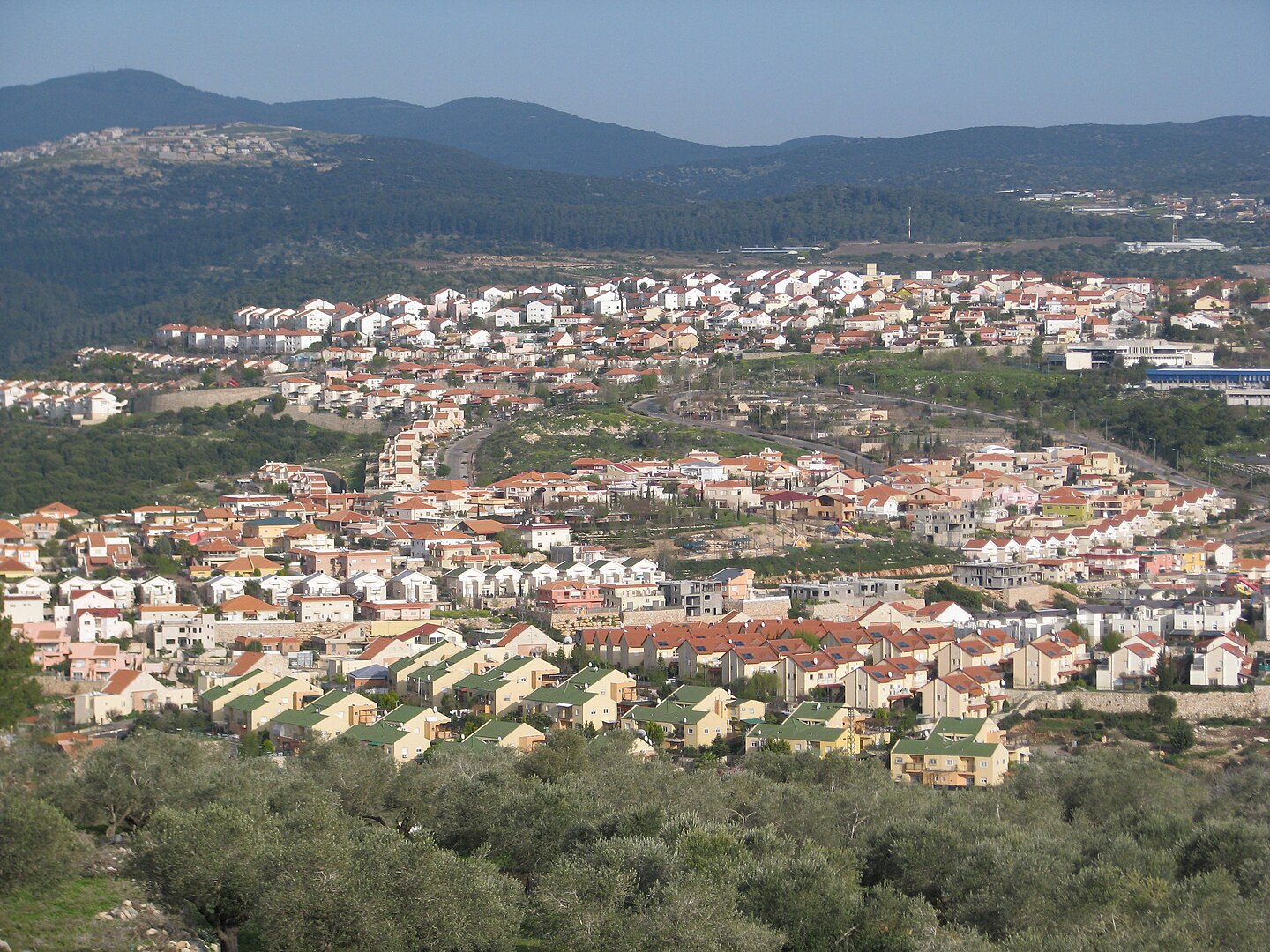
Surrounded by forest, his city is in “huge danger” of exposure to wildfires, he said. “During the [Gaza] war, we brought all the relevant bodies to advise us. We were just lucky that there was no disaster, as rockets fell in some of these areas,” he added.
Danny Ivri, who heads the Misgav Regional Authority, also in the north, said that if a forest fire were to break out now, “not only will the big fire engines not be able to get in, they won’t have water for the fires. We need the water infrastructure, as well as firebreaks.”
“In our area, there are 250 fire events annually, which rose to 400 during the war,” he continued, saying his son had nearly died fighting one of the blazes. There were hundreds of small communities, all surrounded by forest, he explained. “We have a plan, we know what it will cost, and with volunteers and fundraising, we will get there, but the question is when,” he said.
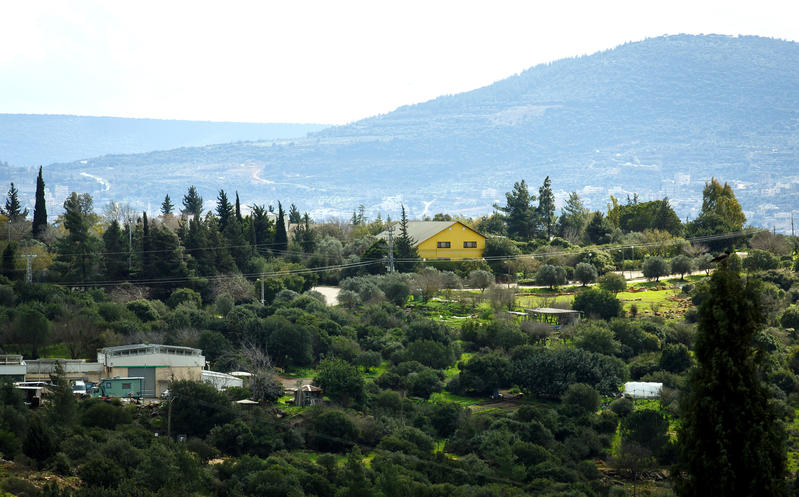
Zafrir Shifman, in charge of security at the Mateh Yehuda Regional Authority in the fire-prone Jerusalem Hills, noted the problem of forcing private landowners to keep their vegetation low for fire prevention and explained that water corporations — which are obliged by law to provide fire hydrants — only work within the boundaries of cities. Water is more important for firefighting than firebreaks, given the knowledge that sparks can jump hundreds of meters, he argued.
Several council heads emphasized the need for additional budgets for firebreak maintenance.
Natan Elbaz, the northern district forestry director for the Israel Nature and Parks Authority, addressed the lack of personnel, asserting that fires won’t be contained by firebreaks unless there are enough trained firefighters to battle the flames.
The Agriculture Ministry’s forestry commissioner, Erez Barkae, explained that firebreaks required much planning. “You don’t just come and cut down trees,” he said. Contributing to long implementation times was a lack of private sector experts in firebreak planning, as well as a shortage of good local tree clearing contractors, he added.
Dismissing the impression that firebreaks are only being planned in 20 locations, he estimated that 20% of land managed by the KKL-JNF Jewish National Fund and the Israel Nature and Parks Authority, and around half the land under local authority control, already has firebreaks.
Miri Shmueli, deputy director general at the National Security Ministry, said conclusions about the pilot project would be ready in two months.
She also revealed that negotiations were ongoing to buy two Black Hawk firefighter helicopters. These, said Ronen Mechtaiev, deputy commissioner at the Fire and Rescue Services, would be a “game changer,” as they can carry more water than firefighting planes.
Mechtaiev added that work was beginning to create firebreaks around the towns of Kesalon and Srigim, in an area of the Jerusalem Hills ravaged by fire in May.








The Times of Israel Community.