

25-year-old Rahat man killed as wave of gun violence continues
Adam Adel al-Ketnani is 74th member of Arab community killed this year in violent incidents
 Add ToI as a Preferred Source on Google
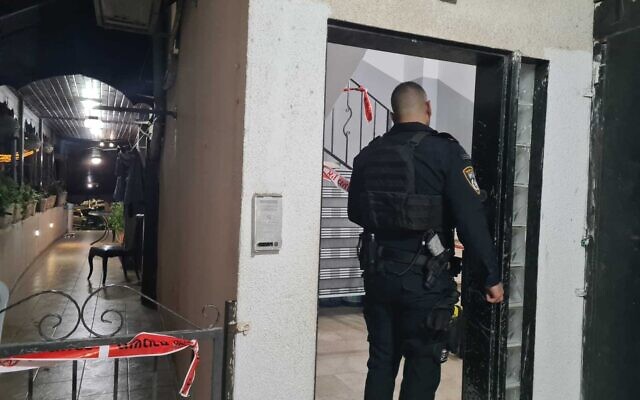
A 25-year-old man was shot dead Tuesday in the southern town of Rahat, in the latest apparent homicide to plague the Arab community.
The victim was identified as Adam Adel al-Ketnani.
Medics arrived at the scene and provided him with first aid before transferring him in critical condition to the nearby Soroka Medical Center, where doctors were forced to pronounce his death.
Police opened an investigation into the incident, though probes of Arab murders rarely lead to arrests, let alone convictions.
According to The Abraham Initiatives, a group that campaigns against violence, there have been 74 Arabs killed in violent circumstances since the beginning of the year. The watchdog said 66 of them were killed by gunfire.
By this date last year, 28 Arab community members had been killed.
Over 90 suspected murders have taken place since the start of 2023, more than double last year’s rate.
President Isaac Herzog on Monday decried the dramatic surge in homicides and violent crime as an “epidemic” plaguing Israel.
Speaking hours after a young Arab mother was shot dead in Haifa as part of a suspected criminal dispute, Herzog said Israel was in a “time of emergency” and called the killings a “strategic challenge” for the country.
Herzog also called on the government and all official bodies involved in the matter “to convene urgently for emergency deliberations, sit together, make decisive and resolute decisions, stop with the concerns and excuses, act with all tools and lead an uncompromising all-out war that will eradicate this threat.”








The Times of Israel Community.