

2,500-year-old infant mass grave cracks open enigma of biblical-era baby burials
Archaeologists found the remains of dozens of children under the age of two deposited in a water reservoir of the ancient Judean town, a new study has revealed
 Add ToI as a Preferred Source on Google
Rossella Tercatin is The Times of Israel's archaeology and religions reporter.
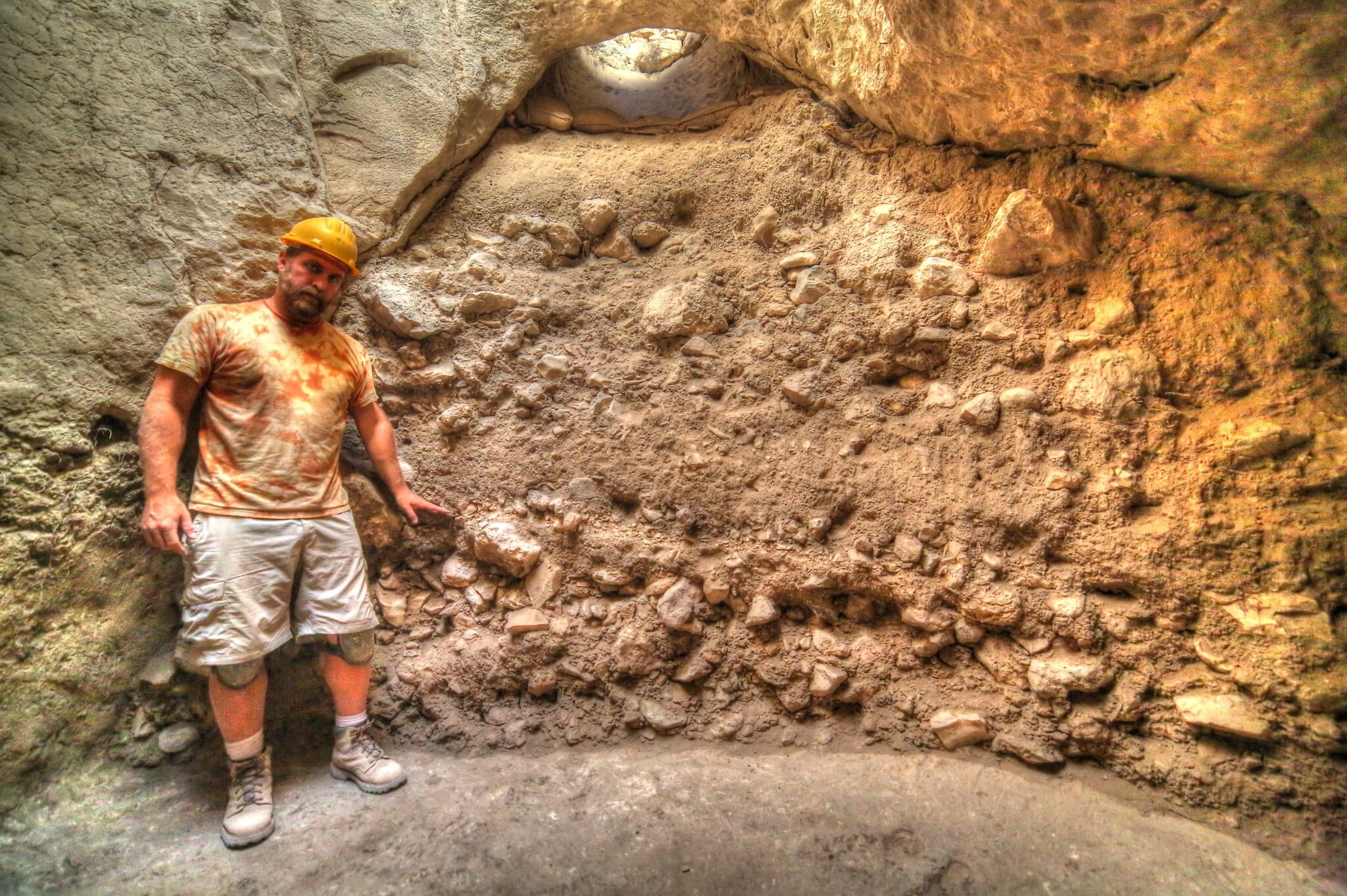
It was like a scene from a horror film: Archaeologists excavating an ancient biblical site uncovered a two-meter deep cache of human bones. Noting their small size, however, they realized that this must be a mass grave for children. Cue the sinister soundtrack.
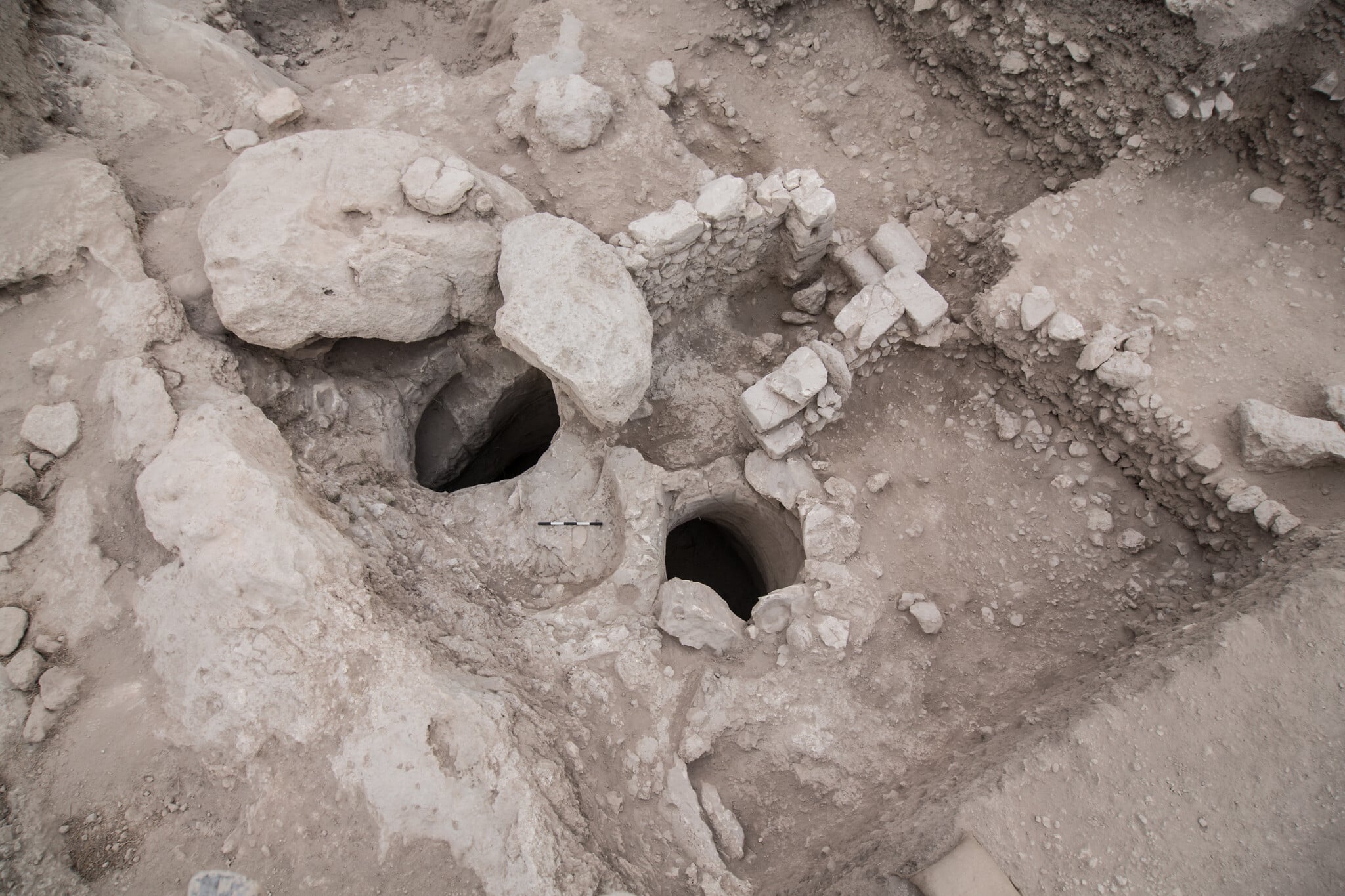
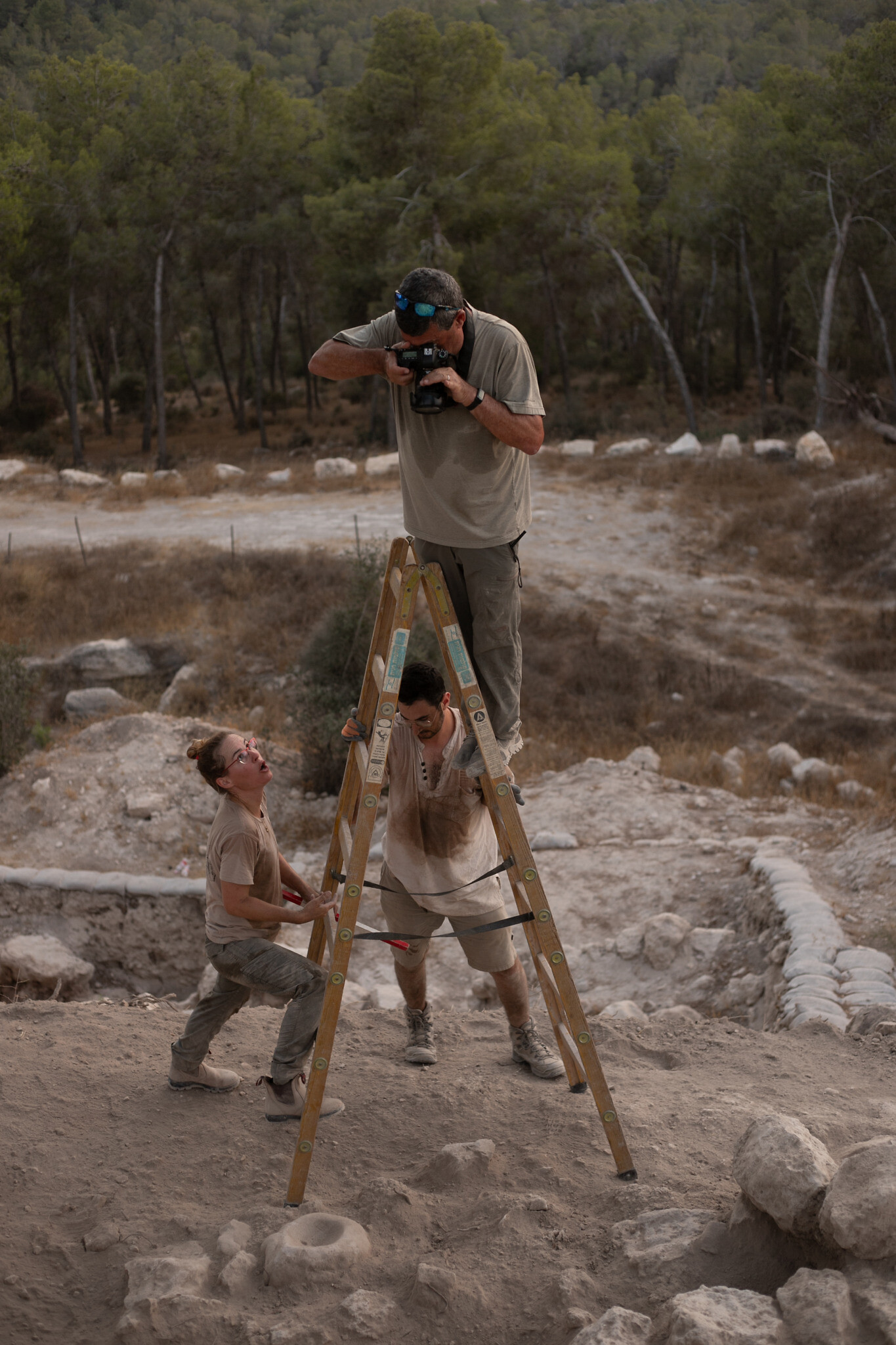
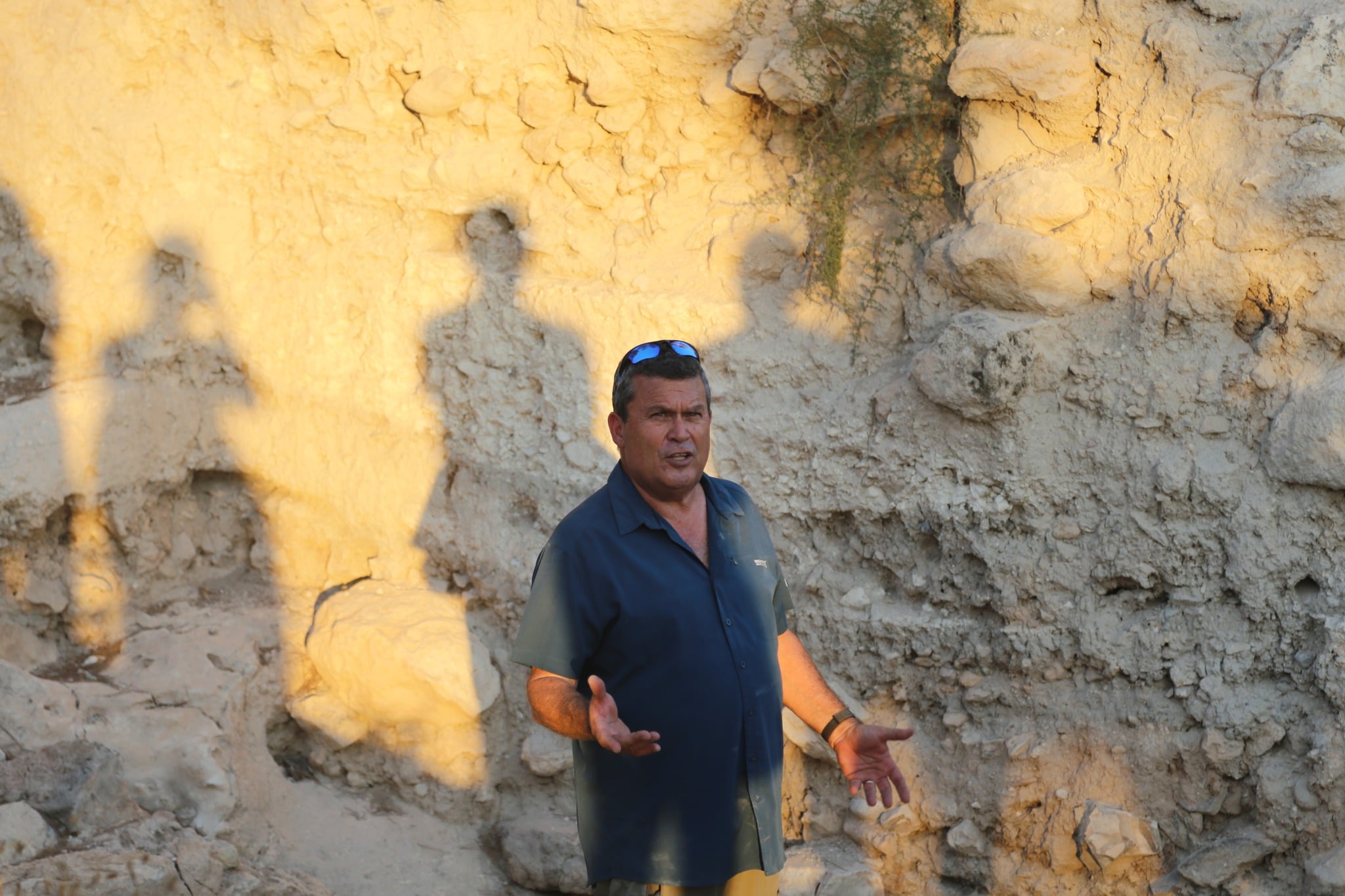
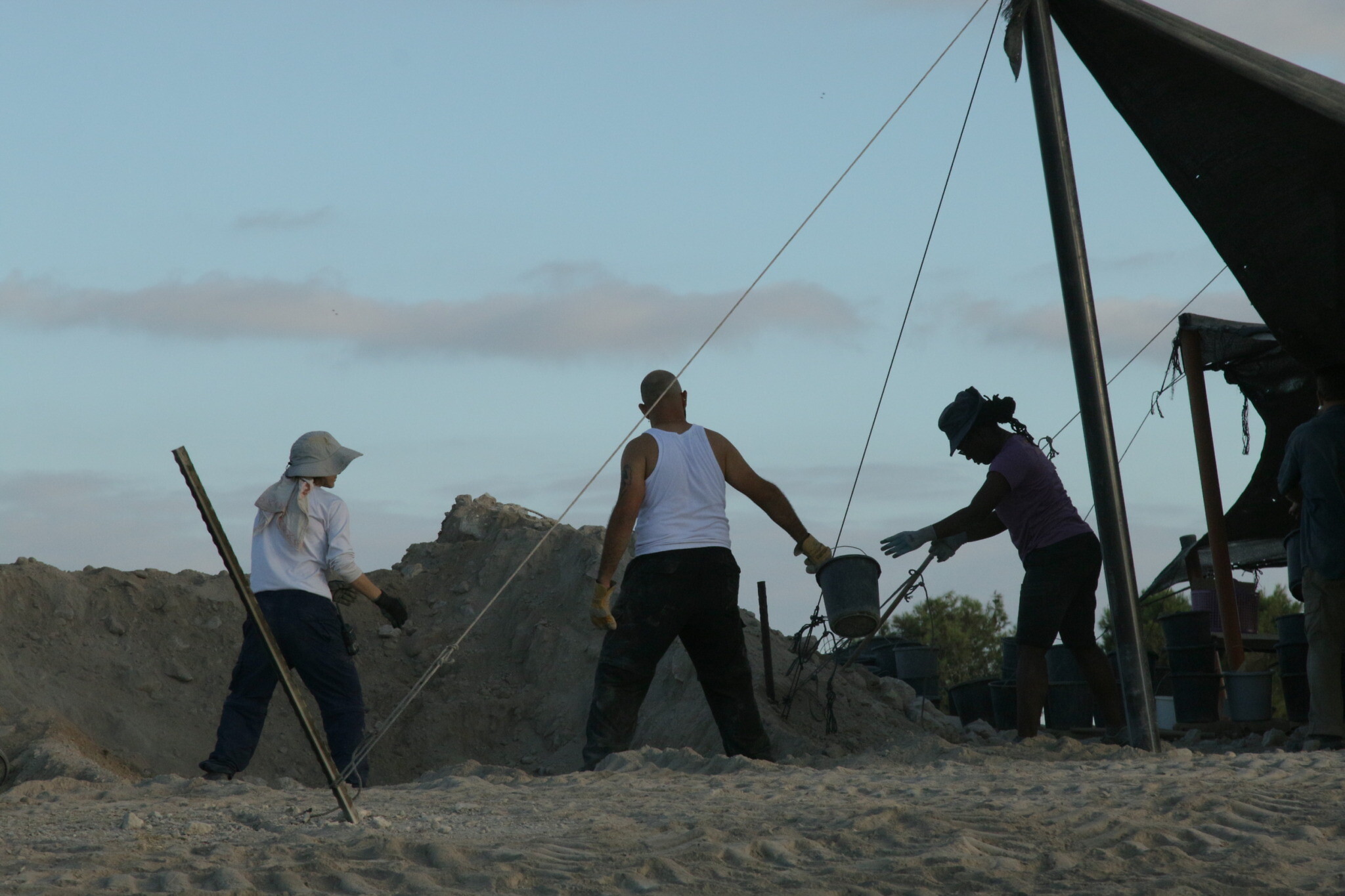
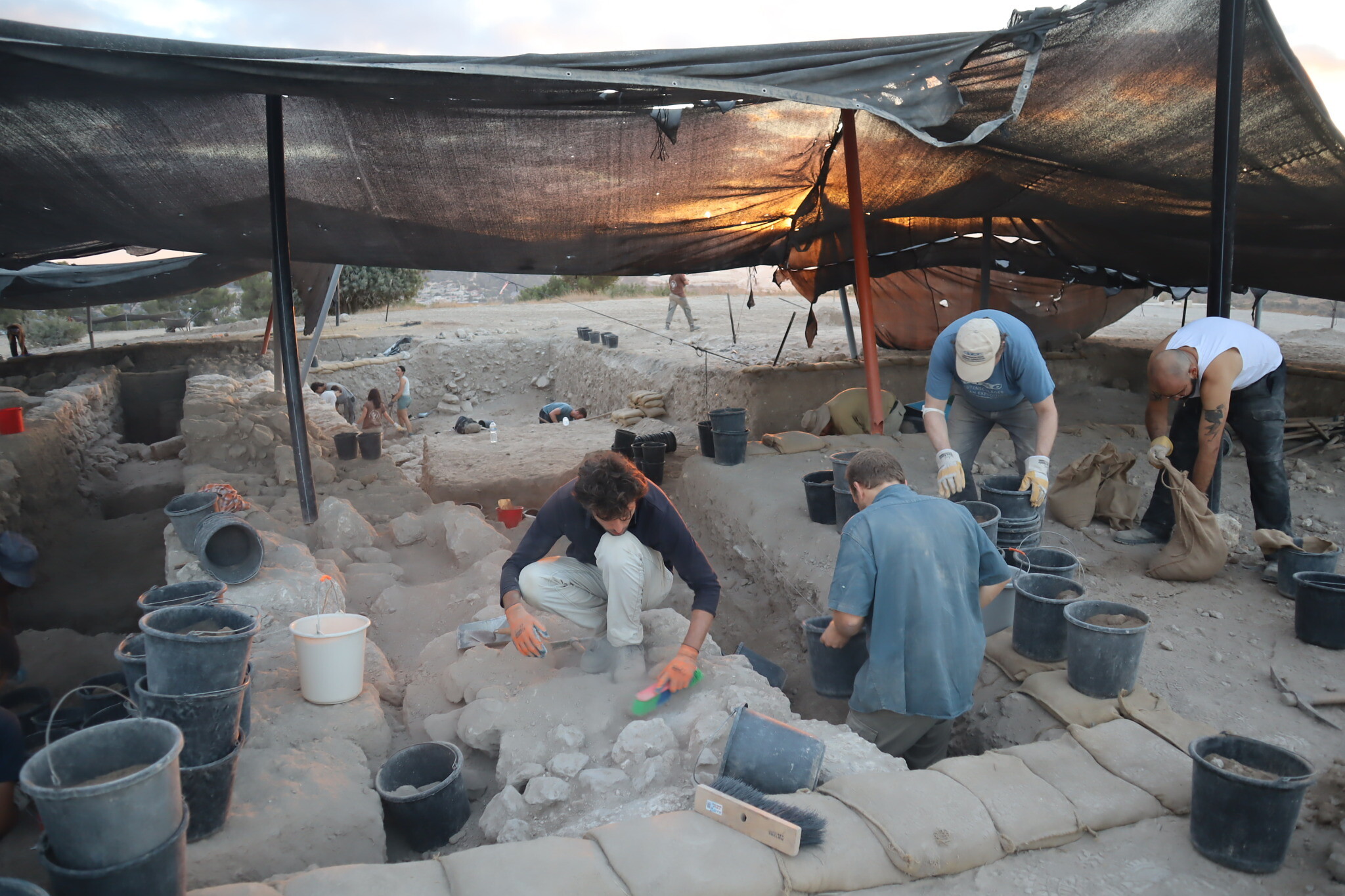
Prof. Oded Lipschits of Tel Aviv University and his team had been excavating at the ancient site of Tel Azekah for about two years when, in 2013, they came across the ancient water reservoir.
At the deeper, more ancient levels, the archaeologists found what is to be expected in such structures — pottery vessels used to draw water. But closer to the surface, they were stunned to find hundreds of small human bones.
“We excavated very carefully and very slowly, we collected every piece of bone and every item, we documented every centimeter of the area, but we didn’t really understand what we found,” Lipschits told The Times of Israel over the telephone. “It took me some years to be brave enough to investigate this discovery.”
Located in the Shephelah (or Judean Lowlands), some 30 kilometers southwest of Jerusalem, Tel Azekah presents rich remains that attest to its occupation for thousands of years, dating back to the Early Bronze Age around 3,500 years ago. It is also mentioned in the Bible as the location of the iconic battle between David and the Philistine giant Goliath (Samuel I 17:1).
With plenty of less gruesome finds to investigate, the researchers did not return to examine the bone trove until 2020. After several years, the mass grave has been revealed to the public for the first time in a study published in the Palestine Exploration Quarterly journal at the end of last month.
In the study, the authors documented a minimum of 68 and up to 89 individuals, 90% of whom were under five years old and 70% under two years old. The bodies were deposited there over a period of about 100 years, between the 6th and the 5th centuries BCE, at the beginning of the Persian period, when Tel Azekah was a Judean town.
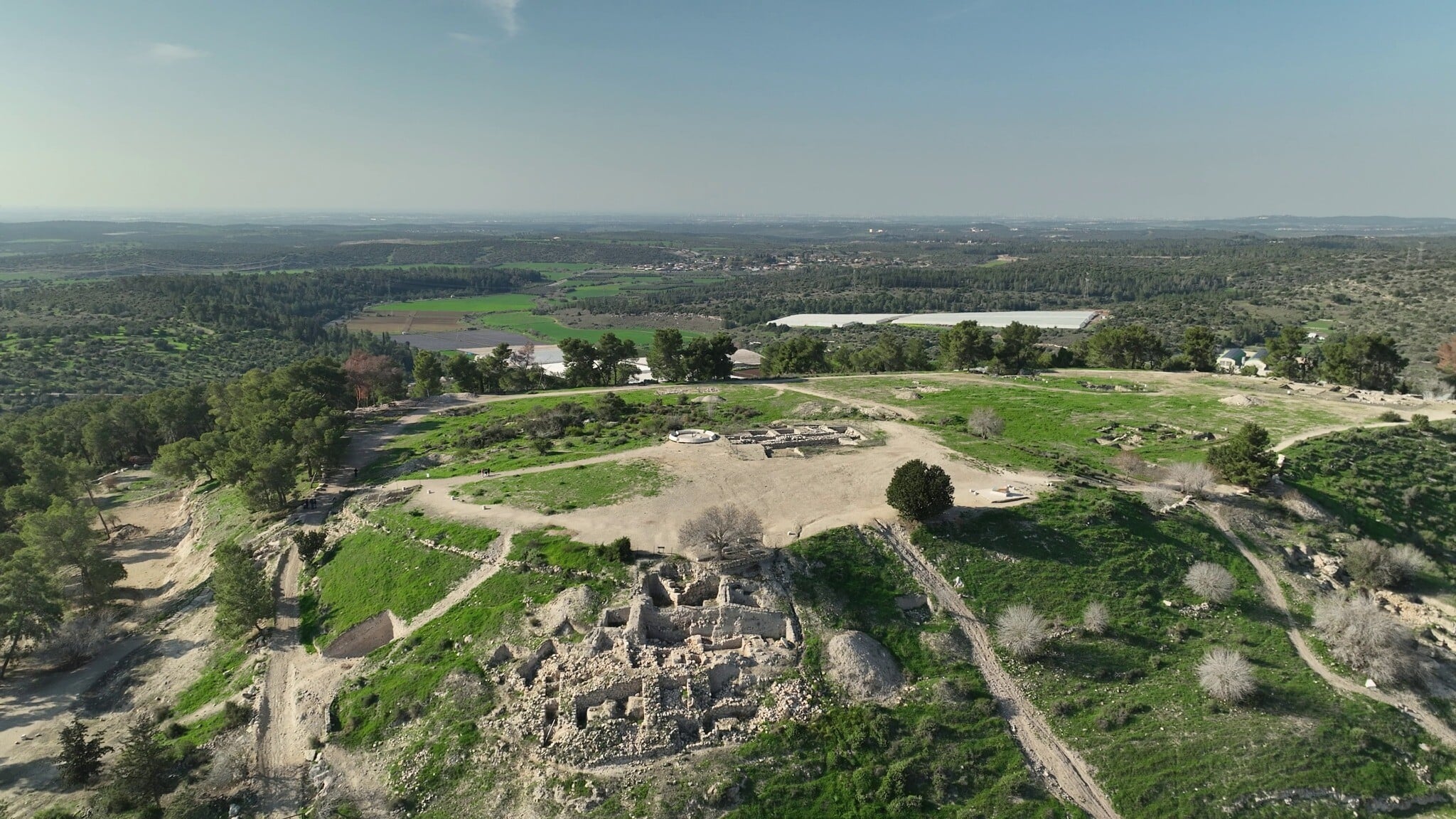
According to Lipschits, the infant mass grave, the first of this kind uncovered in Israel, sheds unprecedented light on possible burial practices for young children who, given their age and the high mortality rate, might not have been considered eligible for an individual grave.
“[Archaeologists] who have excavated cemeteries from the Iron Age [1200-586 BCE] and the Persian period [586-333 BCE], have usually not found babies,” said Lipschits. “Now, we might have found the solution [to this enigma].”
A century of baby burials
Hila May, an expert in Anatomy and Anthropology at TAU who joined the research and co-authored the paper, said she had never seen an assemblage of so many bodies together.
“We estimated the number of individuals and their age by counting the bones and measuring their size,” she told The Times of Israel over the telephone.
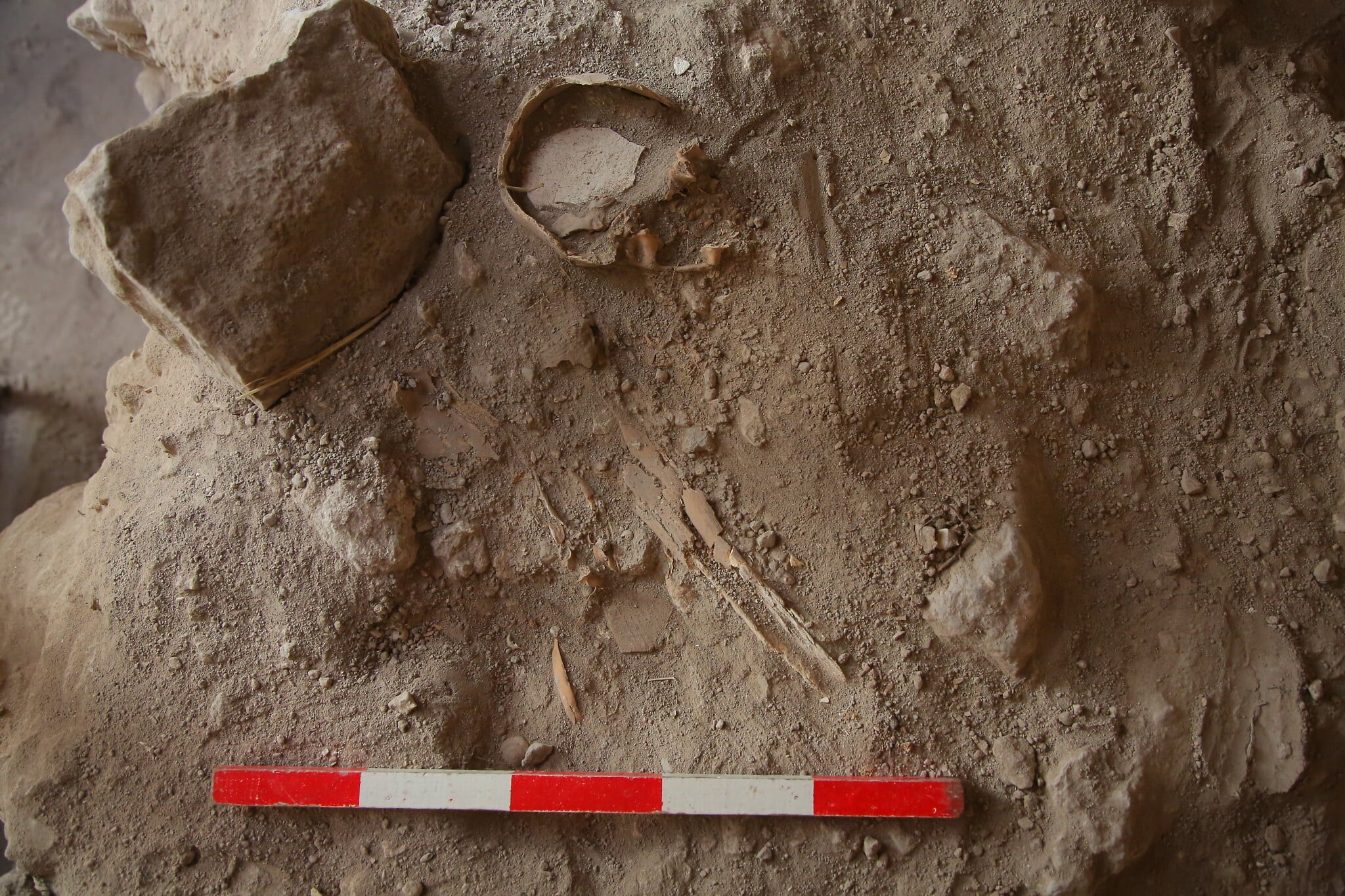
While the bodies are assumed to have been deposited (or possibly thrown) in the cistern intact, the bones were scattered and were not preserved as intact or partially intact skeletons.
According to May, it is normal for bones to disarticulate, even in more organized graves, especially in young children, whose skeletons have more cartilage and therefore tend to disarticulate more easily.
Asked whether the remains presented any sign to decipher the cause of death, May said they did not.
“When you see a mass grave, there are several possible reasons for many individuals in one burial,” she explained.
“It could be that a disease killed a lot of people at once, and it won’t show in the bones,” she added. “However, here I doubt it was a disease, because from the archeological work, we know that this hole was used for a century, suggesting it was not a specific disease killing many at once.”
May also explained that it was unlikely that the children died of a violent death or in a massacre, as it would likely show in at least some of the bones.
Both Lipschits and May said that the most likely explanation lies in the high mortality rate among young children, for whom any cold or wound could represent a possible cause for death at the time.
Biblical insights into parental love
Lipschits pointed out that the Bible, as well as sources and archaeological evidence from other ancient cultures, indicate that children who were not yet weaned were not considered full people, likely because of the low chance of surviving infancy.
“Four or five children out of seven died before they turned four,” Lipschits said.
Lipschits explained that the fact that infants died so frequently or that, if their hypothesis is correct, they were deposited in a mass grave as opposed to being carefully buried, does not mean that parents did not love them.
The expert recalled the story of the prophet Samuel as narrated at the beginning of the biblical book named after him.
Childless Hannah prays for a son, vowing to devote his life to God if she were given one. God listens to her prayer, Hannah gets pregnant, and gives birth to a boy. The mother then keeps little Samuel with her until he is weaned and only then, after a big celebration, brings the boy to the sanctuary in Shiloh (Samuel I 1:22-25).
“Hannah gets permission from her husband to continue breastfeeding Samuel and keeps him with her until he is weaned, only then she brings him to the temple, and he can stay there,” Lipschits. “He did not have his own identity before that.”
Lipschits noted that, in ancient times, children were breastfed for longer than in the modern era. It was not uncommon to breastfeed a child until age three.
The professor recalled that in Genesis, Abraham also organizes a large celebration after his son Isaac is weaned, indicating the importance of the step (Genesis 21:8).
Lipschits also excluded the possibility that the children in Tel Azekah were intentionally buried as human sacrifice, a practice that was common among the Phoenicians and other populations at the time.
“Usually, [in child sacrifice] the bones were burned and put in a jar,” he said. “In this case, the bodies were untouched.”
May largely agreed, explaining that usually the practice entailed more elaborate burials than just depositing a body somewhere.
Clear dating and cultural context
While many unresolved mysteries surrounding the mass grave remain, Lipschits said the dating is very clear.
“The water reservoir was probably in use in the Middle Bronze Age, around the middle of the 2nd millennium BCE, and remained in use until the end of the Iron Age,” he explained. “We know it because at the bottom of the reservoir, we found about half a meter of broken vessels from the late Iron Age. Usually, the cistern would be cleaned once every two years or so, but in this case, it was not, and this is a sign that it went out of use.”
Above the pottery, the archaeologists uncovered a layer of some 20 centimeters of dirt, which suggests that the reservoir was abandoned for a few decades, and on top of that, two meters of remains from the Persian period, including the bones, more pottery, stone objects, and jewelry.
“The [cistern] was sealed in the Hellenistic period [333-63 BCE], so the dating is quite clear,” Lipschits said.
Radiocarbon dating was also used on samples from the structure, according to the archaeologist. The analysis confirmed the assessments based on pottery and stratigraphy.
According to Lipschits, there is no doubt that the settlement in Tel Azekah at the time was Judean.
“The material culture is very much the same as that in Jerusalem,” he said, referring to the objects and architecture testifying to daily life at Tel Azekah.
Lipschits explained that his team has uncovered many remains from the Persian period at the site, including houses, agricultural installations, animal bones, and more.
In 586 BCE, the Babylonians conquered Judah, destroying Jerusalem and the First Temple. According to the Bible, the Judeans who were not killed were driven into exile.
“Nowadays, we know most of Judeans continue to live in Judah, even during the exilic period,” said Lipschits. “I assume that those [in Tel Azekah] were Judeans who continued to live in the area.”
Judean DNA on the way?
According to May, only the DNA tests they are currently performing will provide conclusive evidence of the bodies’ ethnicity.
“As a biologist, I feel that only when we have the DNA results will we be able to say who these people were,” she said.
May explained that nowadays, several laboratories worldwide, including in Israel, hold DNA samples from different populations, allowing researchers to compare test results and thereby determine the origin of the individuals tested.
In Israel, extracting DNA from ancient remains has traditionally been very challenging, given the deterioration of the remains due to weather, but in recent years, technological advances have increasingly enabled scientists to obtain DNA from early sites, according to May.
In Tel Azekah, the researchers managed to extract DNA from several individuals.
“We cannot say how many exactly yet, but we have a good number of samples,” May said.
“We have many other open questions that we need to answer, such as what the children’s gender was and whether they were part of the same extended family,” May said.
The scientists are also looking into the few adult individuals found in the cistern and whether they were related to the children or belonged to a separate ethnic group, possibly buried there as a sign of lower status.
According to Lipschits, the discovery of the mass grave opens new avenues for investigating infant burials.
“We have a mystery regarding what happened to babies who died in the Iron Age, and from my perspective, this is only the beginning of new research,” he said. “Archaeologists, anthropologists, and biblical scholars can now continue to work on it.”
For their part, the team at Tel Azekah is working to find the cemetery or burial area for the rest of the settlement’s population during the Persian period.
“Burials are one of the [subjects] we are focusing on now,” Lipschits said. “Usually, burials were located outside of the sites. So now we are expanding our [area of] research to find them.”







The Times of Israel Community.