

AG ditches cabinet discussion on wiretapping after Ben Gvir bars senior cop
Police chief Daniel Levy also decides not to show up to meeting, after national security minister won’t allow Boaz Blatt, who heads police intelligence unit, to attend
 Add ToI as a Preferred Source on Google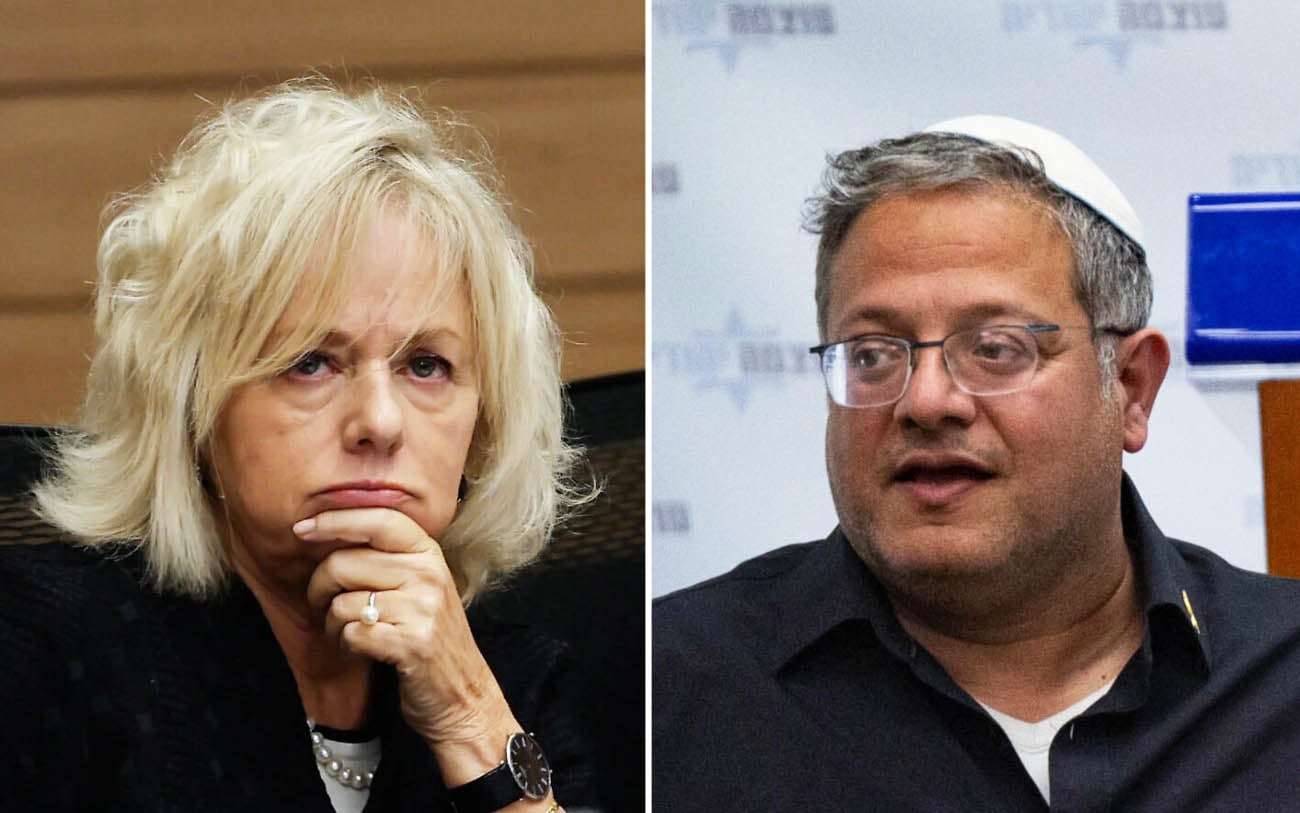
Attorney General Gali Baharav-Miara on Sunday walked out of the cabinet meeting after learning that there would be no police representative on hand during a planned discussion on the use of wiretapping technology.
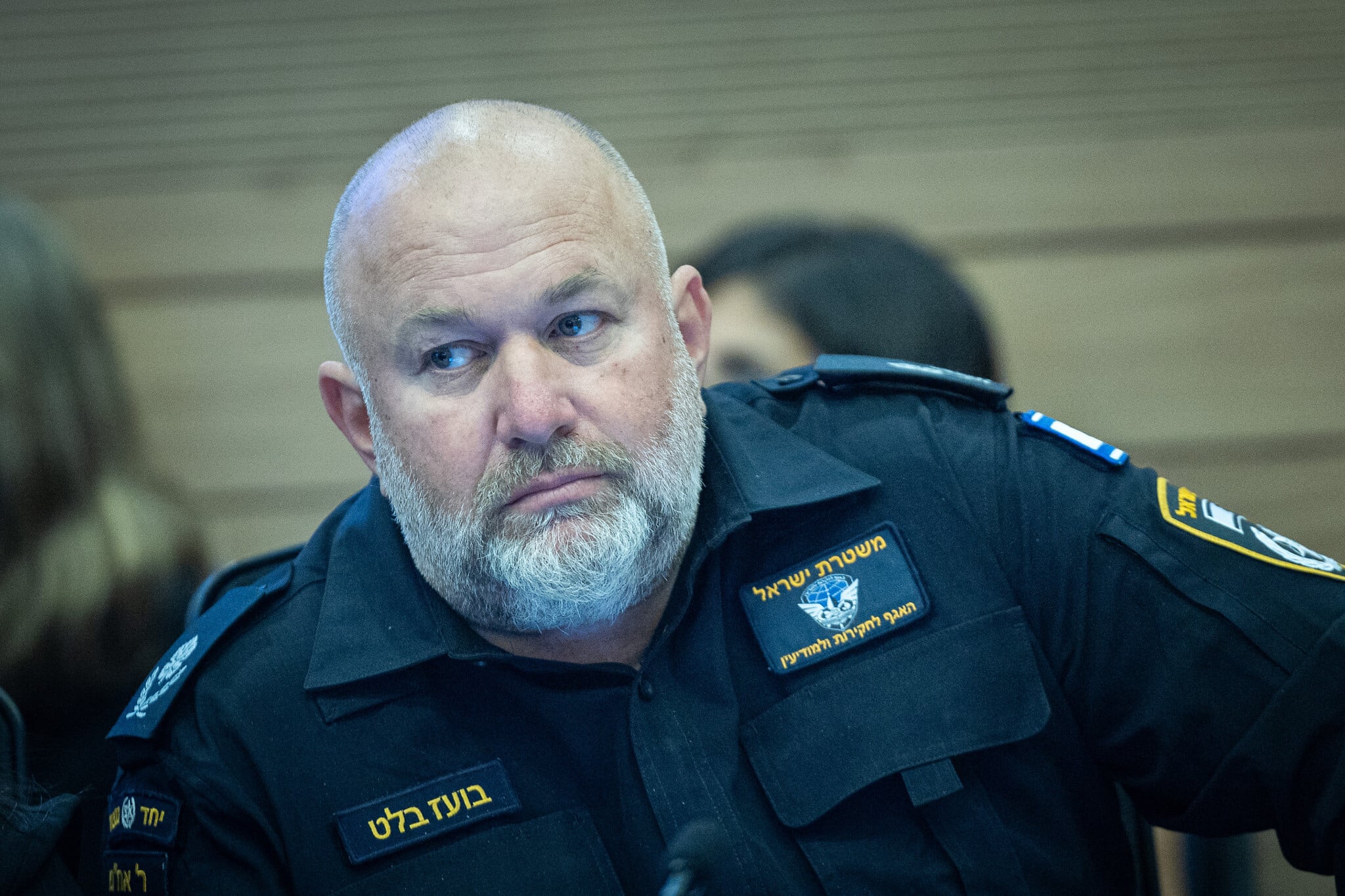
Baharav-Miara had decided to attend the meeting, convened at the initiative of Justice Minister Yariv Levin, and insisted that the head of the police department for investigations and intelligence, Boaz Blatt, be present as the relevant official to discuss the issue.
National Security Minister Itamar Ben Gvir, however, refused to permit Blatt to attend the hearing, according to Hebrew media reports. This led Baharav-Miara to leave the hearing before it started, together with State Attorney Amit Aisman.
According to the Ynet news site, Israel Police Commissioner Daniel Levy was also on his way to the cabinet meeting, but decided not to turn up when he heard Blatt had been refused entry.
After that, ministers in the government were reportedly notified that the wiretapping issue was no longer on the agenda for the upcoming cabinet meeting, though no explanation for the change was provided.
Ynet cited sources accusing the government of trying to hold “an empty, political debate” on the issue by refusing to allow the relevant law enforcement officials to participate.
“You can’t hold a professional hearing on wiretapping without allowing the police commissioner or senior police officials responsible for the issue to participate,” law enforcement sources told the news site.
AG has asserted wiretapping probe seeks to break the law
The government and the attorney general have been at odds since August 2023 over the decision to establish a government commission of inquiry into law enforcement agencies’ use of spyware and wiretapping against Israeli citizens and government officials.
It is one of many disputes between various ministers and Baharav-Miara, whom the government has been seeking to remove from her post.
Baharav-Miara has alleged that the wiretapping commission is seeking to conduct an unlawful review of aspects of the investigations into Prime Minister Benjamin Netanyahu, which led to his indictments and his ongoing trial.
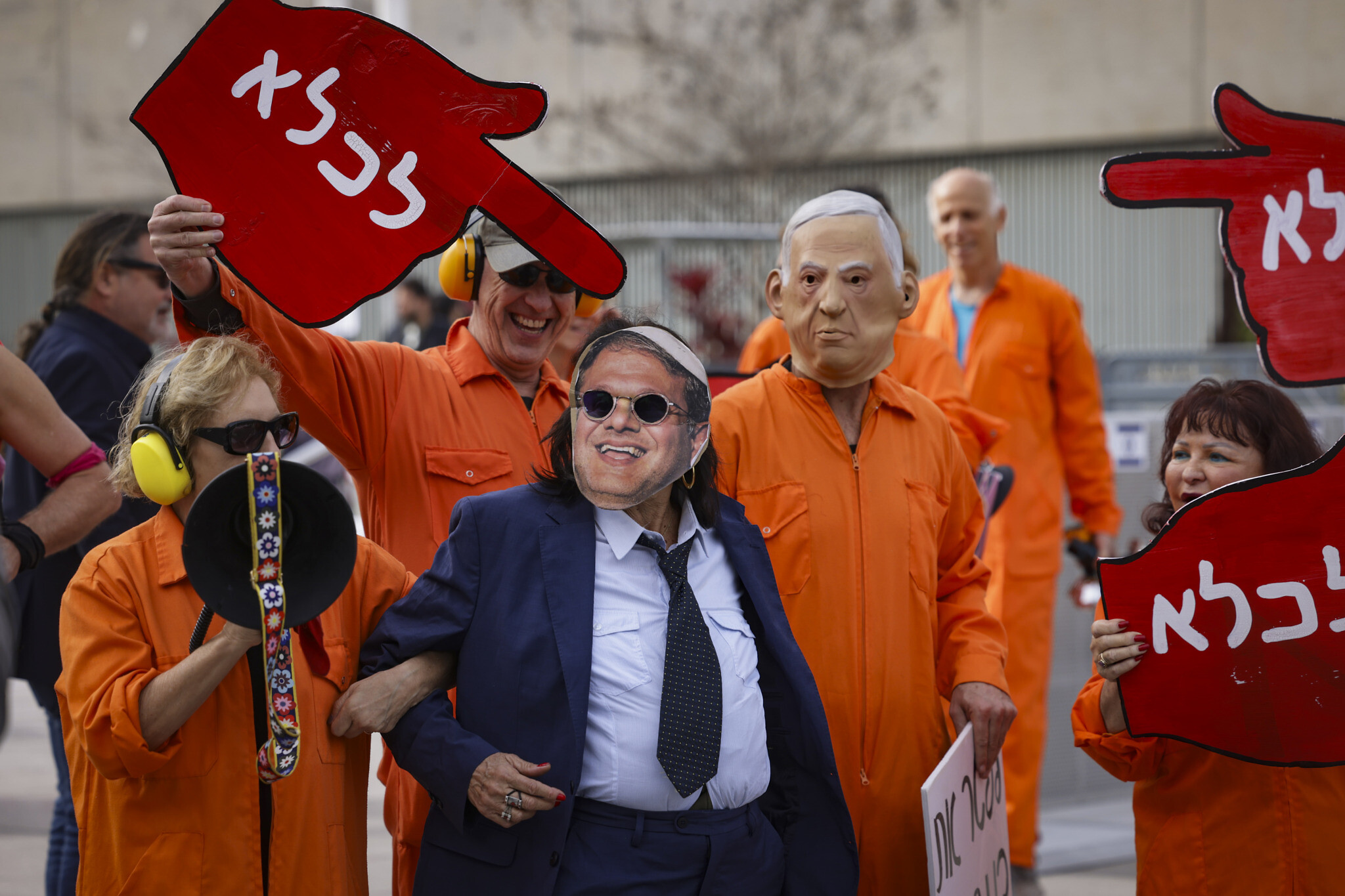
The government has strongly rejected the claim that the inquiry would intervene in pending legal proceedings and has accused the attorney general of sabotaging the inquiry.
Fiasco comes after resignations from commission of inquiry
Earlier this month, the head of the probe and two of its other members resigned from their posts, saying law enforcement officials “refused to provide the demanded information, prevented the questioning of central witnesses and even avoided talks to reach an agreed-upon framework.”
The resigning investigators — retired judge Moshe Drori, Inbal Rubenstein and Shalom Ben Hanan — wrote that they would not be able to “provide the public with a reliable and comprehensive account” of the matter.
“We regret that, due to the circumstances created [by the obstruction], we have been prevented from contributing to the defense of Israeli citizens’ right to privacy, as was asked of us,” they wrote, in their letter to Levin, the justice minister.







The Times of Israel Community.