

AG tells Ben Gvir he’s overstepping boundaries with planned crackdown on protests
Baharav-Miara says police minister skirting deal on limits to his power; far-right minister pushes back, says AG has 24 hours to respond before new policy goes into effect
 Add ToI as a Preferred Source on Google
Jeremy Sharon is The Times of Israel’s legal affairs and settlements reporter
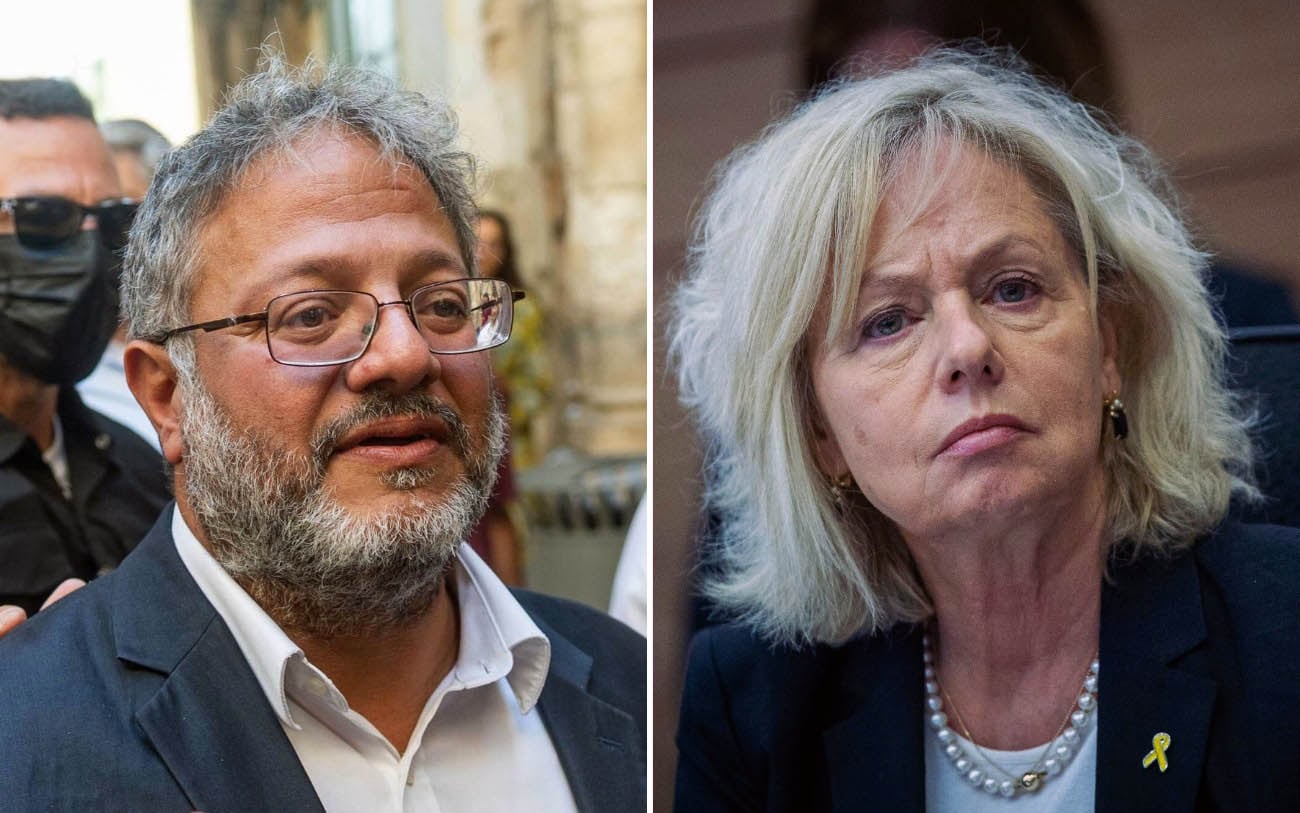
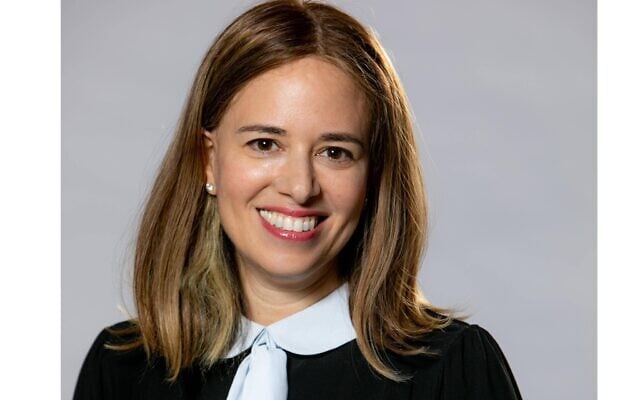
Attorney General Gali Baharav-Miara and National Security Minister Itamar Ben Gvir sparred on Monday, after the attorney general told the far-right minister that his proposal that police ban various forms of protest would violate key principles of an agreement that restricts him from interfering in operative police policy relating to freedom of expression and protest.
Ben Gvir threatened last week that if Baharav-Miara did not respond to his policy proposal document within five days he would put it into effect.
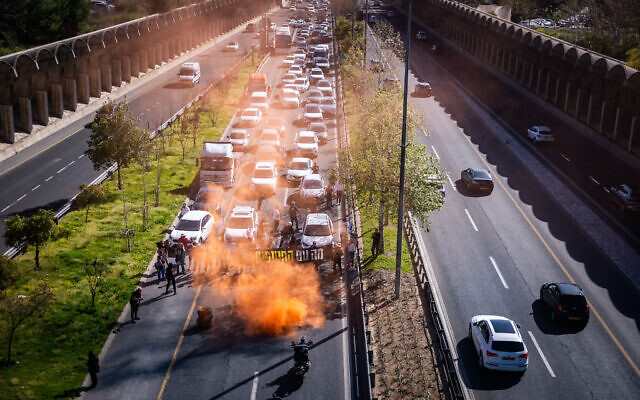
The proposed policies would prohibit protesters from blocking highways and major traffic arteries, roads leading to hospitals and isolated towns, emergency routes, and Ben Gurion Airport. Additionally, protesters would need to obtain approval from the police, which Ben Gvir oversees, to block roads within cities.
Several senior police officers have voiced their displeasure with the document, saying that decisions regarding such matters should be made by officers in the field rather than an elected official.
In April, the attorney general and the far-right minister agreed on a set of core principles with which he would comply in order for her to agree to defend him in the High Court of Justice against petitions asking the court to order him removed from office for unlawfully interfering with operative police policies and appointments.
“It can already be said that, on the face of it, the document that was formulated does not comply with these principles,” wrote Baharav-Miara’s office in a letter to Ben Gvir, adding that it also does not comply with the police commissioner’s position on the minister’s new policy proposals.
“Publishing the policy document in its current form, without a proper consultation process with the police commissioner and the attorney general, would constitute a blatant violation of the principles document, which — as stated in the [new] document itself and as also submitted to the High Court — binds you from the date of its formulation,” the Attorney General’s Office added.
“Publishing the document would also overstep the authority of the national security minister over the Israel Police,” it said.
Pushing back, Ben Gvir told the Attorney General’s Office that it had 24 hours to respond to his policy proposal before he brings those policies into effect.
He insisted that, despite the attorney general’s opposition, he is entitled to determine policy on operative police actions during protests.

“Determining policy in this context is the legal authority and even the duty of the national security minister,” he said.
The “threat” to refuse to defend him reflected an “illegitimate politicization” of the Attorney General’s Office, he said, adding that “threats and extortion” would not divert him from his intended course of action.
“I grant you 24 hours to fulfill the duty of [providing] legal advice in a professional and business-like manner,” he warned, adding that if the Attorney General’s Office does not respond by that time, he will put the new policies into effect.
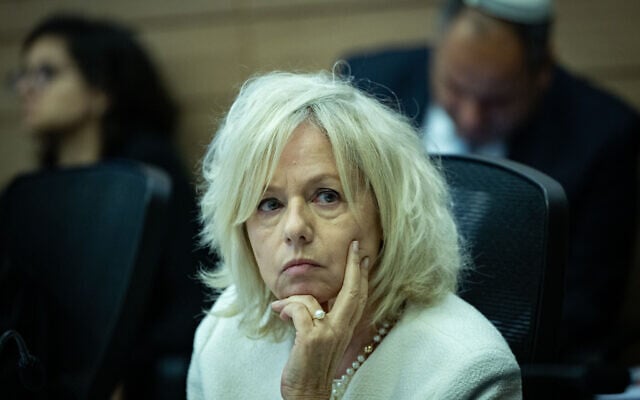
Baharav-Miara and Ben Gvir have long had an antagonistic relationship, most recently sparring over a dispute surrounding the blocked promotion of a police investigator involved in Prime Minister Benjamin Netanyahu’s corruption cases.
After the minister refused to sign off on the promotion of Supt. Rinat Saban, a high-ranking officer in the police Investigations and Intelligence Division, Baharav-Miara accused him of witness intimidation and obstruction of justice.
Critics, legal experts and the attorney general have accused the minister of using his authority in a manner that constitutes illegitimate intervention in the force, using promotions as a carrot-and-stick to influence police decision-making and advance his political agenda.







The Times of Israel Community.