

Ben Gvir plans new policy barring protests on major roads or at synagogues
Police minister seeks AG’s approval but vows to implement policy regardless if she does not respond within 5 days; opposition MKs decry attempt to ‘trample’ free expression
 Add ToI as a Preferred Source on Google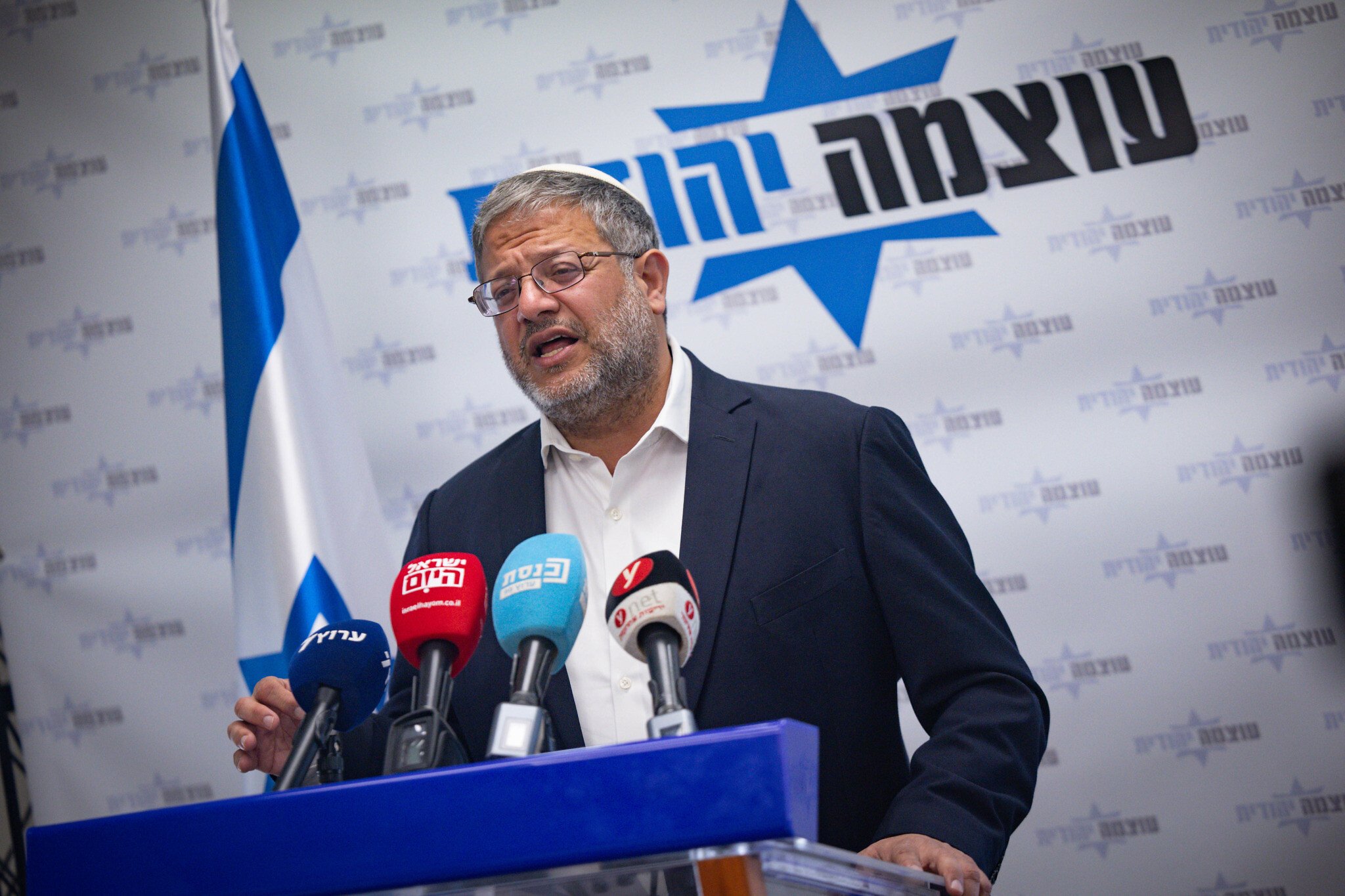
National Security Minister Itamar Ben Gvir is seeking to implement a new policy dictating how police are to handle protests, which would forbid demonstrators from blocking major roads or rallying at synagogues.
The plan is highly likely to face significant legal challenges.
The new policy, published in full Thursday, would prohibit protests blocking highways and major routes, as well as roads leading to hospitals, isolated towns, emergency routes and Ben Gurion Airport.
It would also require protesters to obtain approval from the police, who Ben Gvir oversees, in order to block roads within cities. Protests at synagogues would likewise be prohibited based on the claim that they impede freedom of religion. (Protesters have sometimes demonstrated against religious political leaders at the synagogues they frequent.)
“Freedom of religion and the [freedom of] conscience for worshipers in the synagogue overrides the freedom to protest within or at the site of a synagogue or any other house of worship,” the document reads.
Ben Gvir said he he had sought the approval of Attorney General Gali Baharav-Miara for the move several months ago, but claimed he received no response. He issued an ultimatum to the legal official Thursday, vowing to implement the restrictions regardless of her approval should she fail to respond within five days.
Several senior police officers voiced their displeasure with the restrictions, telling the Ynet news outlet that decisions regarding such matters should be made by officers on the ground, rather than an elected official.

Ben Gvir in April signed a legally binding compromise with the attorney general, which requires him to confer with her and the Israel Police chief before setting policy on matters of protests and freedom of expression.
The policy must be “published ahead of time” and be “future-oriented, public, general, equal and not be determined, published or changed according to [specific] protest events,” per the agreement.
Ben Gvir has feuded regularly with Baharav-Miara over his interference in police matters, particularly regarding the issues of anti-government protests and police promotions. She has frequently claimed that the minister’s behavior threatens to harm the force’s professional, apolitical character.
The government voted recently to push Baharav-Miara out of her post — a move that was frozen by the High Court until further notice as it prepares to review it.
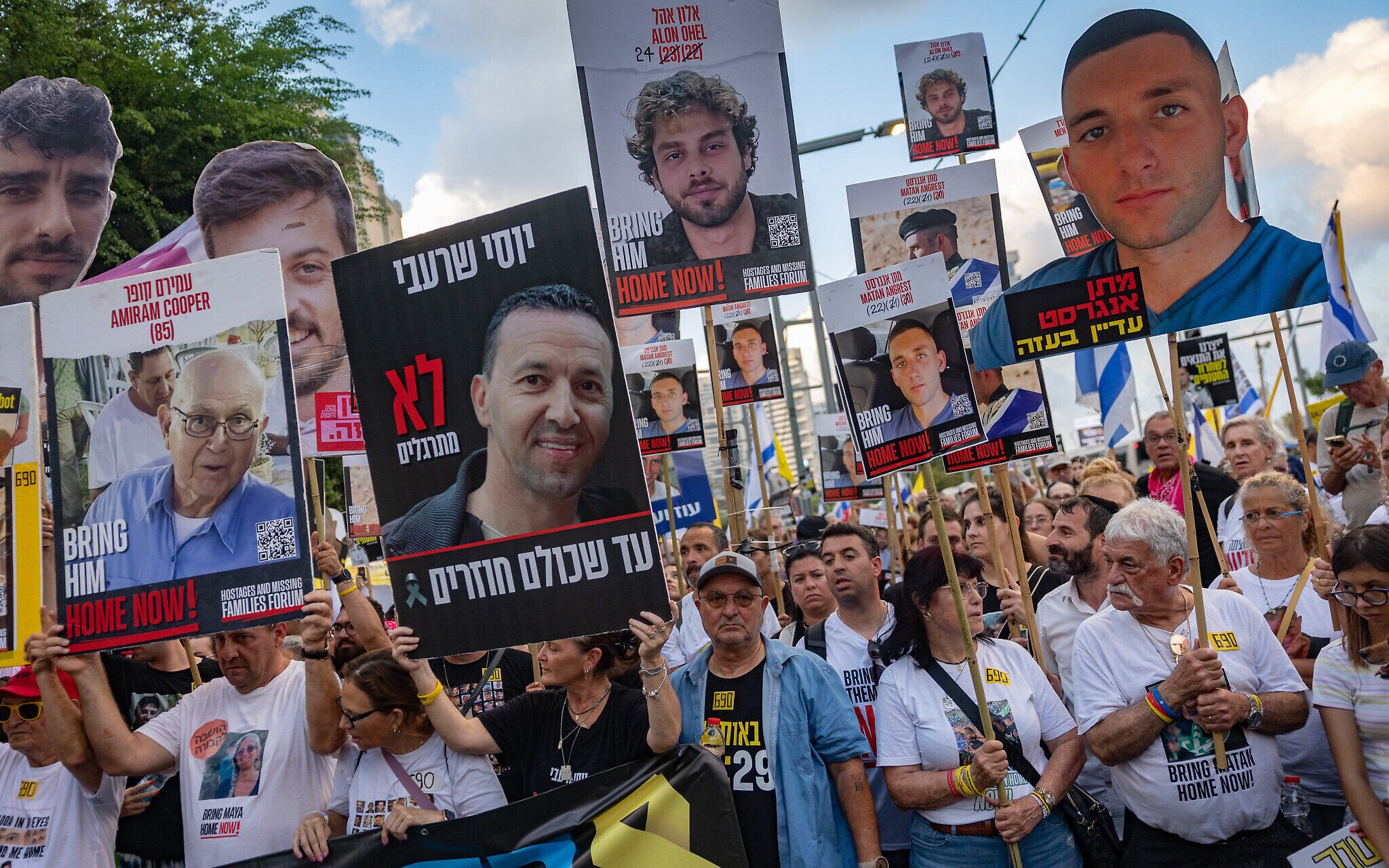
The far-right minister went public with his policy document days after protesters for a hostage-ceasefire deal staged nationwide demonstrations, blocking major highways between Tel Aviv and Jerusalem.
Two major days of protest have swept the country over the past two weeks, and organizers have vowed to continue to bring people out into the streets in a bid to exert pressure on the government to sign off on the hostage deal proposal on the table.
Several opposition lawmakers railed against Ben Gvir’s new restrictions following their publication.
Yesh Atid MK Yoav Segalovitz, formerly a high-ranking cop who headed the Lahav 433 major crimes unit, said the prospect of a minister drafting such a policy paper would be inconceivable “in a sane democratic regime.”
“It is no surprise that an unfit minister, a convicted criminal, is trying to influence police work in the area of demonstrations and freedom of expression, and along the way attempting another political maneuver against the attorney general and High Court of Justice. This policy document should be thrown in the garbage,” he wrote.
Labor MK Gilad Kariv, a left-wing lawmaker who sits on the Knesset National Security Committee and frequently attends anti-government protests in Tel Aviv, also denounced the document as an attempt to “trample freedom of expression.”
“Ben Gvir is afraid of the protest movement, and seeks to suppress it through the police, because he and his friends know that it expresses the demand of the majority of the public to bring back the hostages and end the war,” he wrote on X. “I call on the senior command of the Israel Police to show no confusion regarding their role, and to act in accordance with the letter of the law and court rulings.”
According to the Haaretz newspaper, Justice Ministry representatives were meeting Ben Gvir’s staffers to discuss the insertion of the agreement into the police ordinance.
The team intends to discuss the minister’s proposed policy on demonstrations in the coming weeks, and has requested a written statement from police chief Danny Levy and police’s legal counsel regarding the limitations.






The Times of Israel Community.