

Government fires attorney general; High Court immediately freezes her dismissal
Justice Minister Levin insists sacking of Baharav-Miara cannot be halted on ‘procedural grounds’; fellow minister Karhi vows to ignore court order temporarily preserving her authority; PM said to accuse AG of neglecting to act against threats he faces
 Add ToI as a Preferred Source on Google
Jeremy Sharon is The Times of Israel’s legal affairs and settlements reporter
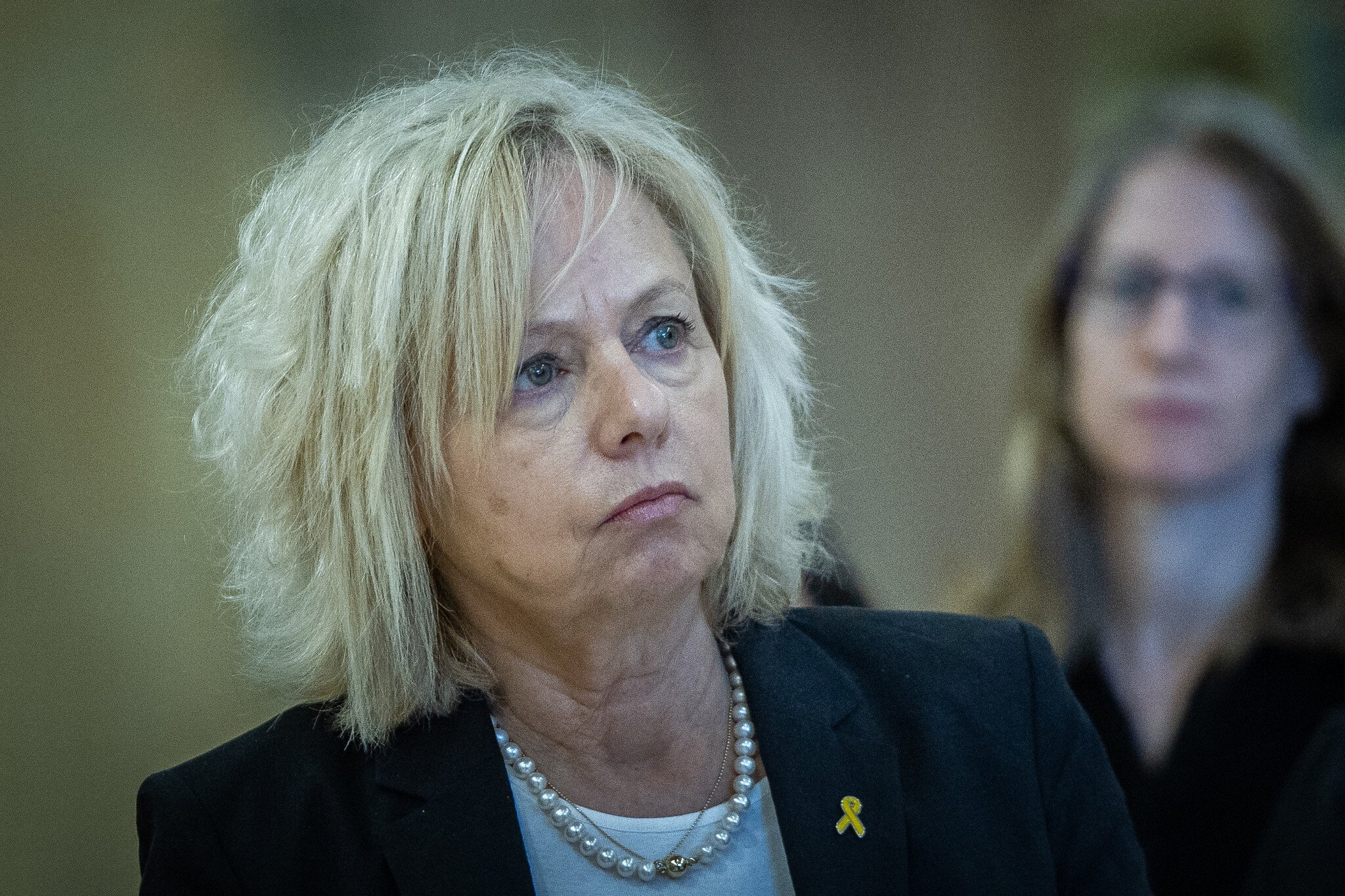
The government voted unanimously on Monday to dismiss Attorney General Gali Baharav-Miara from office, following months of confrontation between the two sides, in a decision that will have deep legal and political reverberations given the government’s long-running efforts to weaken the judiciary.
The move was then frozen by the High Court until the justices can rule on its legality. In a statement after the vote, Baharav-Miara called her dismissal “unlawful” and vowed that she and her office would remain faithful to the law and continue to act professionally and honestly.
The government has accused the attorney general of serially thwarting its will over policy, appointments and legislation, and asserted that it can no longer work effectively with her, while Baharav-Miara has argued she has simply been demarcating what the government can and cannot do under the law.
Baharav-Miara refused to attend the cabinet meeting at which she was to be dismissed, instead sending ministers a letter, warning that efforts to fire her would “mortally harm” the rule of law in Israel and undermine democracy.
Immediately following the vote, the High Court of Justice issued a temporary order upholding an earlier ruling that Baharav-Miara’s dismissal would not come into effect immediately, and until further notice from the court.
The court also barred the government from appointing a new attorney general, and from changing the working arrangements with Baharav-Miara until it issues further instructions. The attorney general is the government’s chief legal adviser and also heads the state prosecution, and is thus overseeing Prime Minister Benjamin Netanyahu’s ongoing criminal trial.
The court further asserted that the “normative status” of Baharav-Miara’s legal opinions on the government remain in effect, referring to the legally binding nature of the attorney general’s instructions to the government regarding its actions.
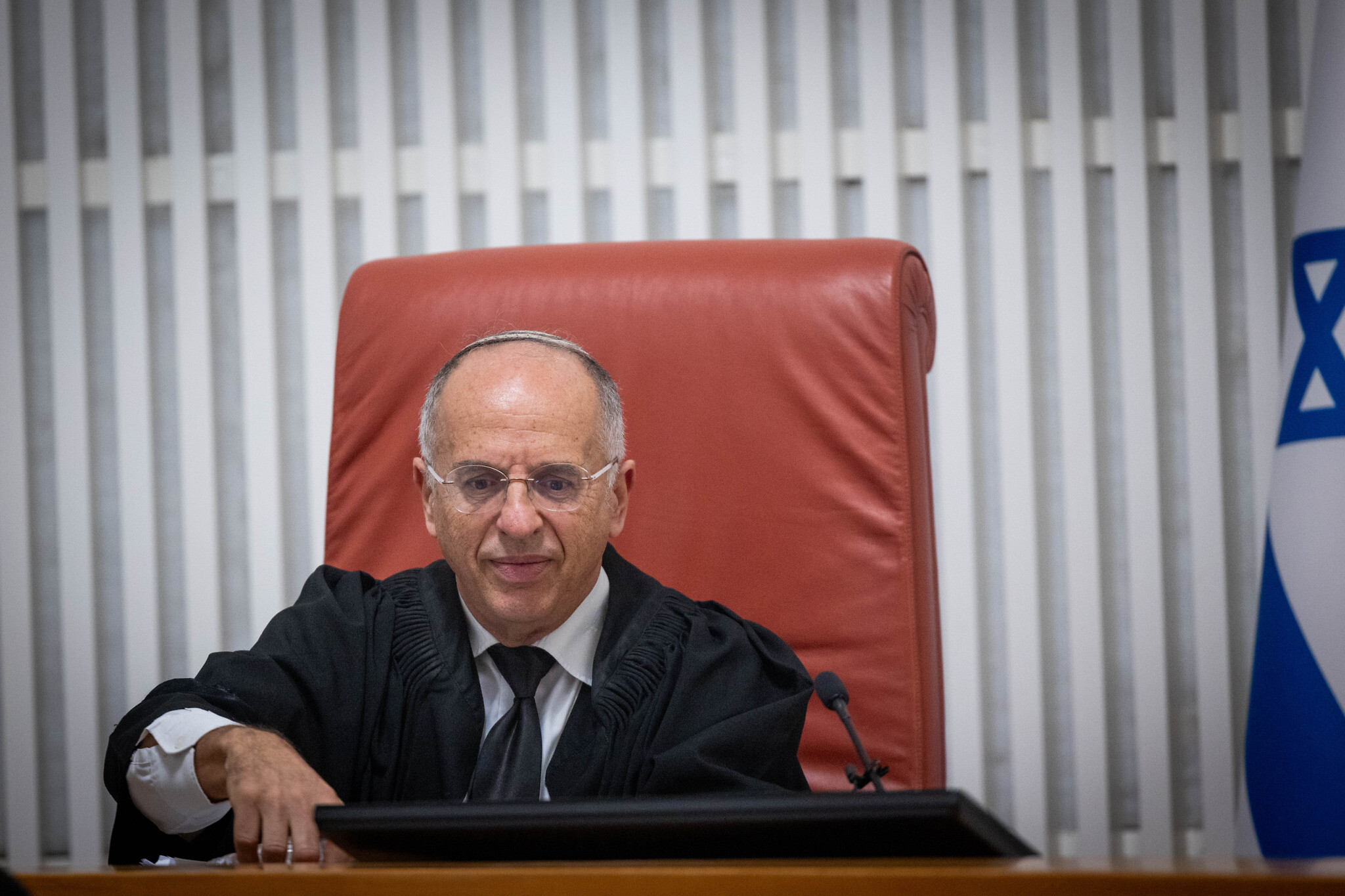
Judge Noam Sohlberg instructed all sides to respond to requests for interim orders against the government by Thursday, and ruled that a hearing on the petitions be heard by the court no later than September 4.
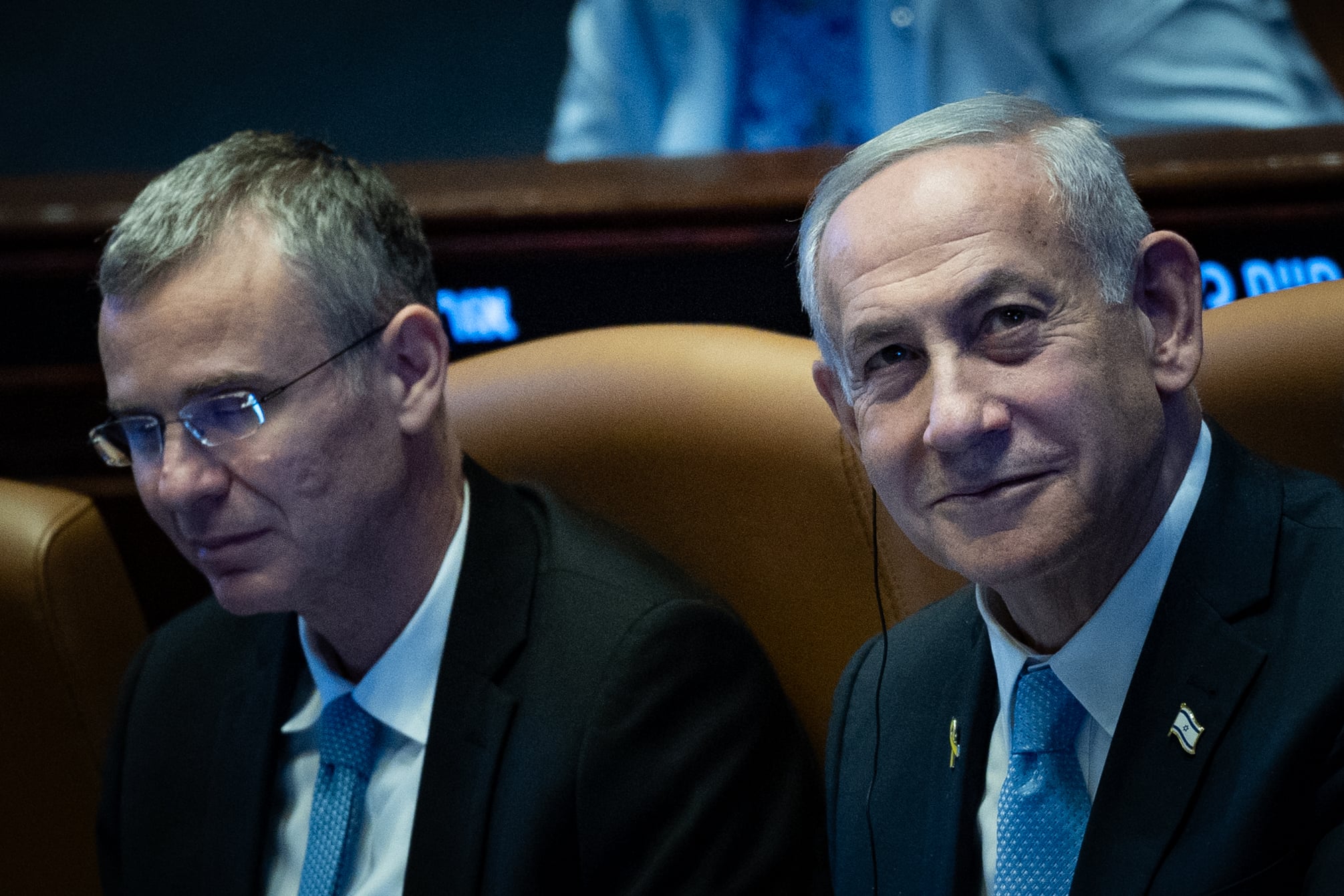
Removing the last legal restraints on the government
The government had invited Baharav-Miara to attend Monday’s cabinet meeting to defend her conduct, but she refused to attend, as she refused to attend the two hearings of the ministerial advisory committee last month that recommended her ouster.
Instead, she wrote a letter to the cabinet telling the ministers that their drive to fire her would make the role of attorney general a political position dependent on the grace of politicians, which she said would “mortally harm” the rule of law and other key legal principles that underpin Israel’s democracy.
“The implication of the process is turning the position of attorney general with their various roles… to one dependent on the good graces of the government,” wrote Baharav-Miara.
“This [deals] a fateful blow to the rule of law, equality before the law, human rights, and the ability of the law enforcement system to deal with government corruption,” she continued, saying that this would amount to the removal of “one of the only limitations on the power of the government that exists in the Israeli legal system.”
A political attorney general
Communications Minister Shlomo Karhi immediately vowed to flout the court’s order, saying his ministry would not pay any attention to legal opinions from the attorney general.
Justice Minister Yariv Levin indicated a similar attitude during comments his office released from the cabinet hearing, in which he said that an effort by the court “to force on the government a political attorney general” would be “unacceptable.”
According to Channel 12 news, National Security Minister Itamar Ben Gvir called on the government to cease working with Baharav-Miara immediately following the vote, saying it should stop inviting her to government meetings and halt all cooperation with her.
Levin also wrote to Baharav-Miara immediately after the vote to inform her of the decision, and told her she should stand down rather than try to fight her dismissal.
He also insisted that the government had full authority to fire her, regardless of the makeup of the advisory committee the government consulted.
“You cannot force the government to remain with an oppositional attorney general on procedural, technical grounds. The claim that, because there is a procedural problem in finding someone to sit on the committee, the government cannot dismiss the attorney general, is devoid of all logic. It is impossible to prevent the dismissal on this basis,” he argued.

In March, the government initiated the process of firing the attorney general by seeking the recommendation of the professional committee that was used to appoint her in 2022, in keeping with the terms of a cabinet resolution on the matter passed in 2000.
But in June, after failing to staff that committee with a former justice minister or attorney general as required under the original process, the cabinet passed a new resolution replacing the entire professional committee with a political panel comprised of five cabinet ministers to consider and then make the recommendation to oust her.
Several liberal government watchdog groups petitioned the High Court against the change, saying it amounted to moving the goalposts after the dismissal process had already begun, and that it contravened the Shamgar Committee recommendations from 1998 which determined that the hiring and firing of an attorney general must be done in a politically neutral manner.
‘The law is being enforced selectively’
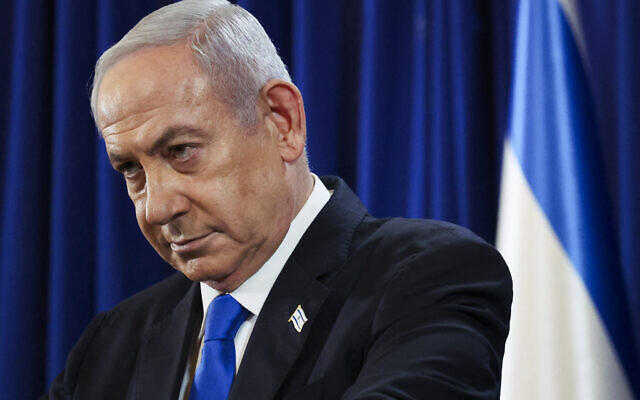
Netanyahu did not participate in the hearing or the vote on Baharav-Miara’s dismissal due to his conflict of interest in the matter as a result of his ongoing criminal trial and the attorney general’s role as head of the prosecution.
But his stance on the matter was clear from the statements issued by his loyalists, and ahead of the vote, Hebrew media reports Monday said the premier had launched a sharp attack against Baharav-Miara for “selective” enforcement of the law.
Netanyahu reportedly denounced what he described as the “normalization” of threats of murder and lawbreaking during a discussion on incitement against the premier and the need to bolster security around him.
“Incitement and threats of murder against the prime minister are being normalized, and the law is being enforced selectively,” he reportedly said, assigning blame to the attorney general for what he described as a “completely different” reality from that of the previous government, which was led by rivals of Netanyahu and which appointed Baharav-Miara.
An anti-government activist was arrested last month after allegedly plotting to assassinate Netanyahu, the latest in a series of Israelis to be nabbed in recent months for allegedly trying to kill the premier or inciting violence against him.
During the meeting, Netanyahu was said to have pointed to an “incited mob” of protesters who surrounded a Tel Aviv hair salon in March 2023 while his wife was inside as an alleged example of threats he faces.
Urgent petitions
Following the cabinet vote, watchdog groups filed urgent petitions to the High Court asking it to immediately freeze the decision in accordance with its ruling last month, and bar the government from “establishing irreversible facts on the ground” by appointing a new attorney general and changing its working relationship with her before a ruling.
“This illegal move constitutes an unprecedented attack on the independence of the Attorney General’s Office and on the system of checks and balances of Israeli democracy,” said head of the Movement for Quality Government in Israel Eliad Shraga.

Just an hour later, Sohlberg issued a temporary order granting all the requests made in the petitions, as well as insisting that Baharav-Miara’s legal positions were still binding on the government until the court issues further instructions.
Karhi nevertheless said he would defy the court order, claiming the order “contradicts the law” and was “invalid,” and adding that “For me in the ministry there will no longer be any significance for her or for her legal positions, and that is how the government needs to act as well.”
Baharav-Miara herself called the cabinet vote to remove her from office “unlawful,” and said the legal advisory system and the prosecution service would continue to be “faithful to the law,” in a letter to State Attorney Amit Aisman, her deputy attorney generals, and other senior figures in the legal advisory system and prosecution service.
“The government decision taken just now to end my tenure contravenes the law,” she wrote, adding, “Political pressure and behavior that contravenes the law will not deter us from continuing to carry out our jobs impartially, professionally, and honestly.”

Opposition denunciation
Earlier on Monday, hundreds of demonstrators rallied outside the Prime Minister’s Office in Jerusalem against the government’s drive to fire Baharav-Miara, with opposition politicians denouncing the government’s focus on firing the attorney general while the country faces severe challenges.
The Democrats party chairman Yair Golan said the cabinet was firing Baharav-Miara “as our hostages are dying in the tunnels, as Israeli society is tearing itself apart.”
A handful of counter-protesters, many of them members of bereaved families who had been testifying in the Knesset, shouted at the demonstrators, and derided them as “traitors” while police officers attempted to create distance between the groups. Two elderly women briefly scuffled on the sidewalk, but were quickly separated by law enforcement.
Firing the attorney general is a highly controversial step, since the role is considered one of the key positions safeguarding the rule of law in Israel, owing to its power to determine whether the government’s actions comply with the law, and due to the attorney general’s role as head of the prosecution service.
The Shamgar Commission in 1998 established the principle that the appointments and dismissal process for the attorney general should be apolitical to preserve the professional nature of the role, a principle which was adopted by the government resolution passed in 2000.
Monday’s move is seen as part of the government’s wider judicial overhaul that critics say aims to undermine the judiciary, remove the system of checks and balances, and threaten democracy.
Charlie Summers contributed to this report








The Times of Israel Community.