

AG to Netanyahu: Ben Gvir’s violations of police independence justify demands for dismissal
Baharav-Miara tells PM the minister has turned principle of police independence into ‘dead letter,’ failure to stop him gives legal basis to court petitions calling for removal
 Add ToI as a Preferred Source on Google
Jeremy Sharon is The Times of Israel’s legal affairs and settlements reporter
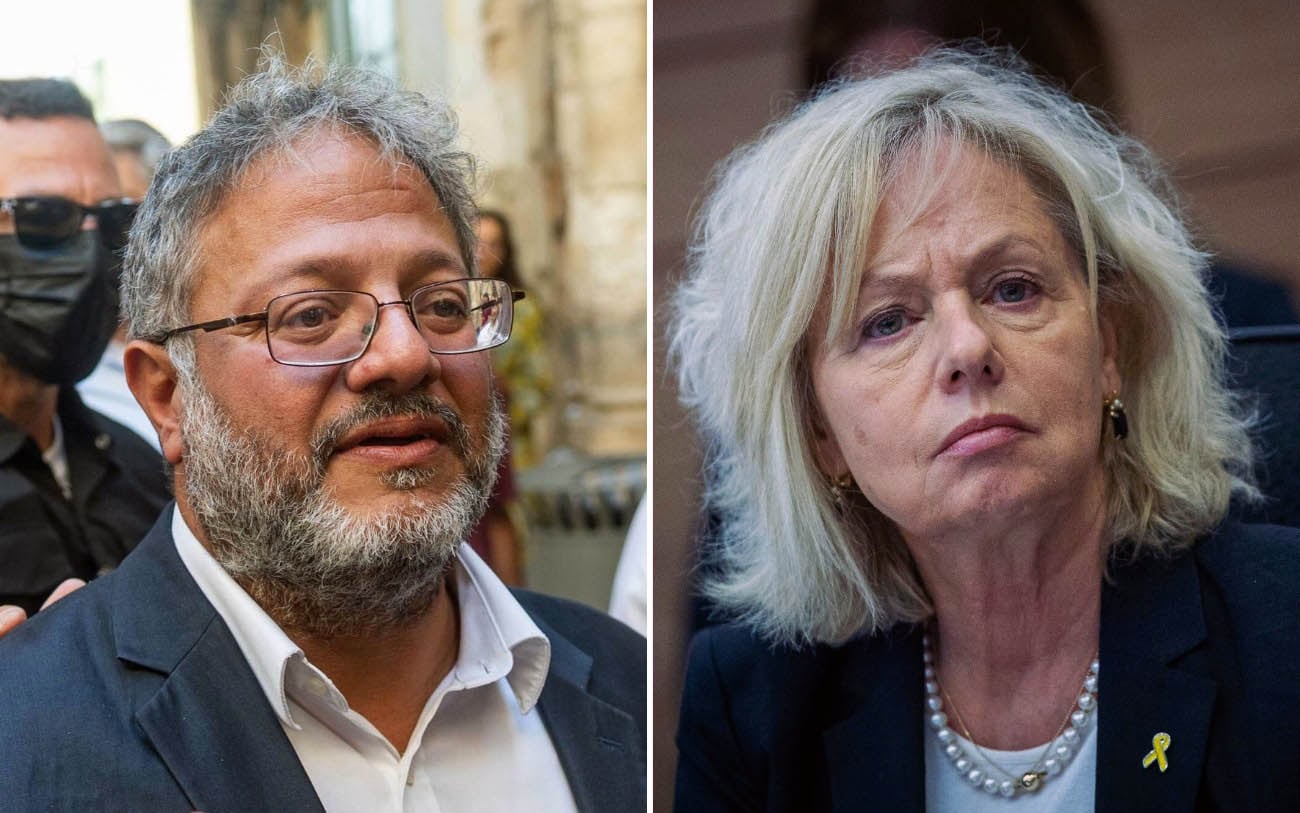
National Security Minister Itamar Ben Gvir is repeatedly violating the principle of police independence by unlawfully intervening in police investigations and appointments, Attorney General Gali Baharav-Miara told Prime Minister Benjamin Netanyahu on Tuesday.
Writing to the prime minister, Baharav-Miara detailed a series of incidents in which the far-right minister has publicly spoken out about ongoing police investigations, intervened over police promotions on political grounds, and sought to determine operative police policies in violation of High Court of Justice rulings.
These violations have provided a factual and legal foundation to petitions calling for his dismissal from office, she said.
“These are substantive violations repeated time and again in numerous contexts, which turn the law establishing the principle of police independence… into a dead letter,” the attorney general wrote.
She said that an attempt to come to a mutually agreed framework with Ben Gvir for ensuring police independence has failed, and that it is now impossible to defend police independence in the face of Ben Gvir’s “repeated, illegitimate interventions, which harm the rule of law and human rights.”
The attorney general added that given this inability to halt the minister’s “political intervention in police work,” the claims of petitioners asking the court to order Ben Gvir’s dismissal from office have become “anchored in a legal and factual foundation.”
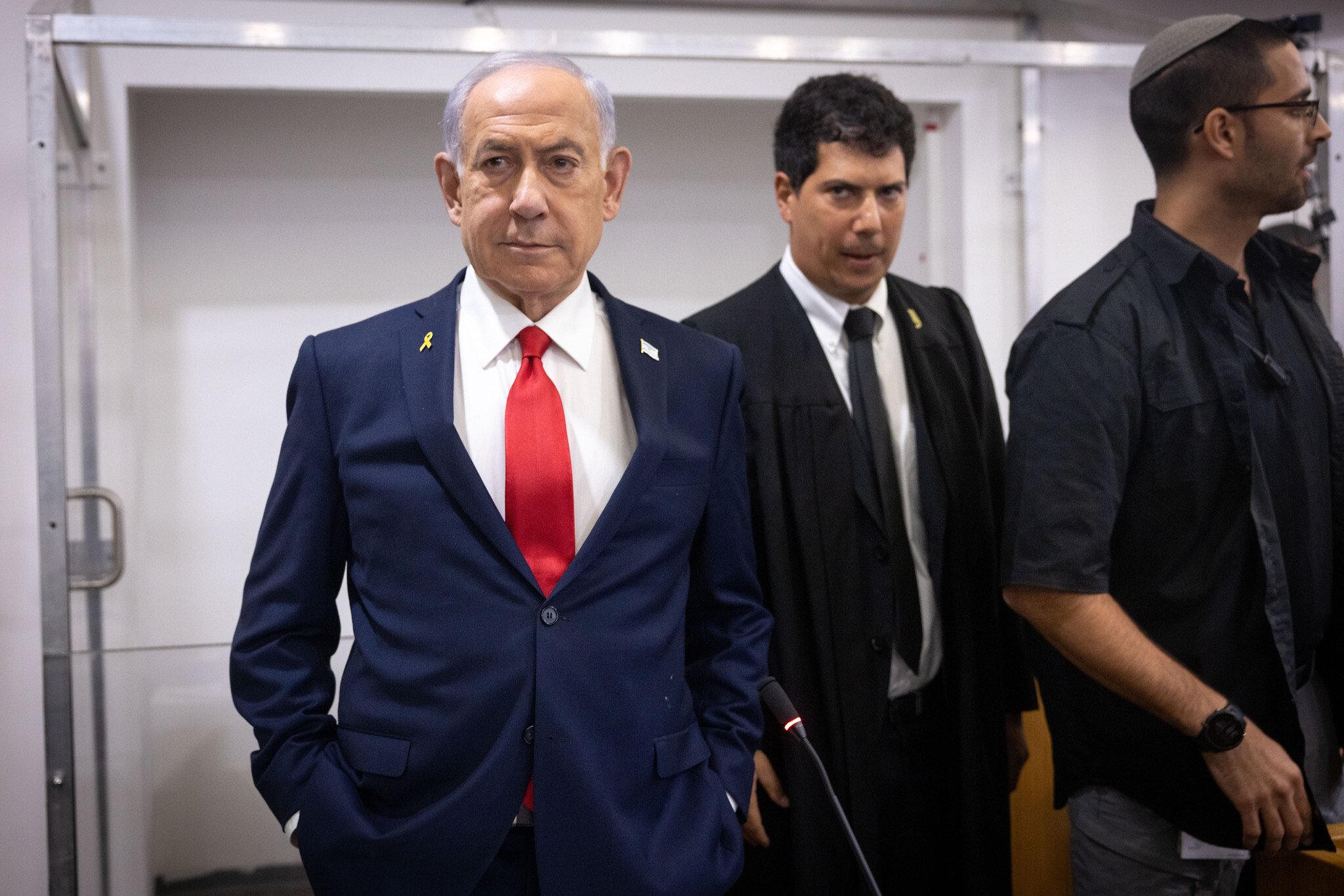
She said, therefore, that Netanyahu needs to address the issues she raises in her letter before she files a final response to the petitions on behalf of the state to the High Court.
Ben Gvir, in response, called Baharav-Miara “a criminal,” accusing her of obstructing justice in the investigation into the Sde Teiman video leak affair and of repeatedly trying to thwart the will of the government.
“I will not rest or be silent until her actions are investigated — Israel will not be a mafia state,” Ben Gvir said.
Petitions against Ben Gvir allege that he has been exercising unlawful influence over police policy on protests, police appointments and investigations. In April, the attorney general and Ben-Gvir agreed on a set of principles in which he committed to refrain from such actions, thereby enabling the attorney general to defend him in court.
The High Court accepted that framework in May and asked for periodic updates to assess whether Ben Gvir was abiding by those principles. In September, Baharav-Miara said in a filing that he was violating them.
Ben Gvir’s refusal to promote a policewoman involved in Netanyahu’s corruption trial, Supt. Rinat Saban, has also drawn criticism from the attorney general, as well as Israel Police Commissioner Daniel Levy.
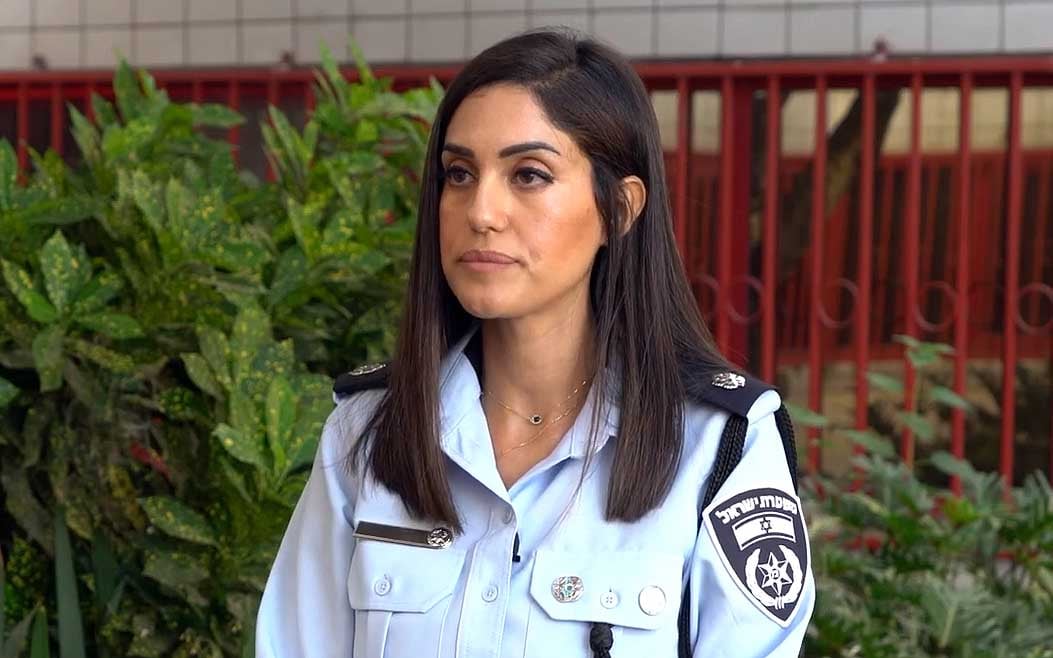
Saban, whose promotion Ben Gvir has been blocking since early June, testified against Netanyahu in March and previously investigated his advisers Jonatan Urich and Ofer Golan on suspicion of harassing Shlomo Filber, a state witness in Case 4000, the most serious of the three cases in the premier’s ongoing corruption trial.
In July, Baharav-Miara accused Ben Gvir of factoring political considerations into his decision to block Saban’s promotion, calling his behavior “highly unusual and unprecedented compared to past police promotions.”
At the time, she warned in a letter to the far-right minister that his behavior was “not just inappropriate but also an abuse of power,” and demanded, to no effect, that he immediately sign off on Saban’s promotion, as his signature was meant to be a formality and was not intended to grant him actual power over the promotion process.






The Times of Israel Community.