

Arab society marks deadliest year on record, with 252 murder victims in 2025
While police chief claims progress, killings still run rampant, including record number of female victims, with almost all deadly crime continuing to go unsolved, monitor says
 Add ToI as a Preferred Source on Google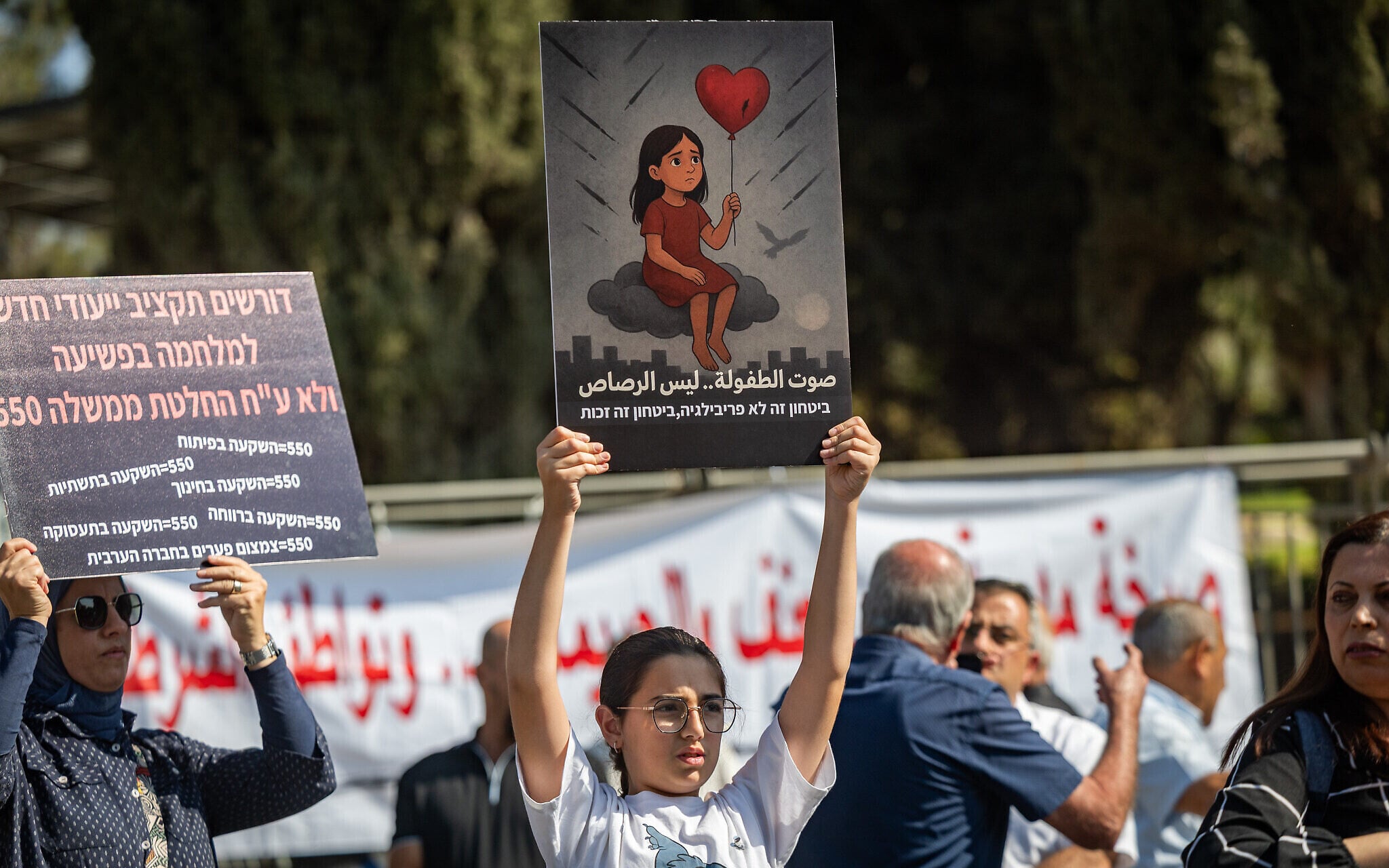
As 2025 draws to a close, Arab society in Israel is mourning its deadliest year on record, with 252 people having lost their lives in crime-related killings.
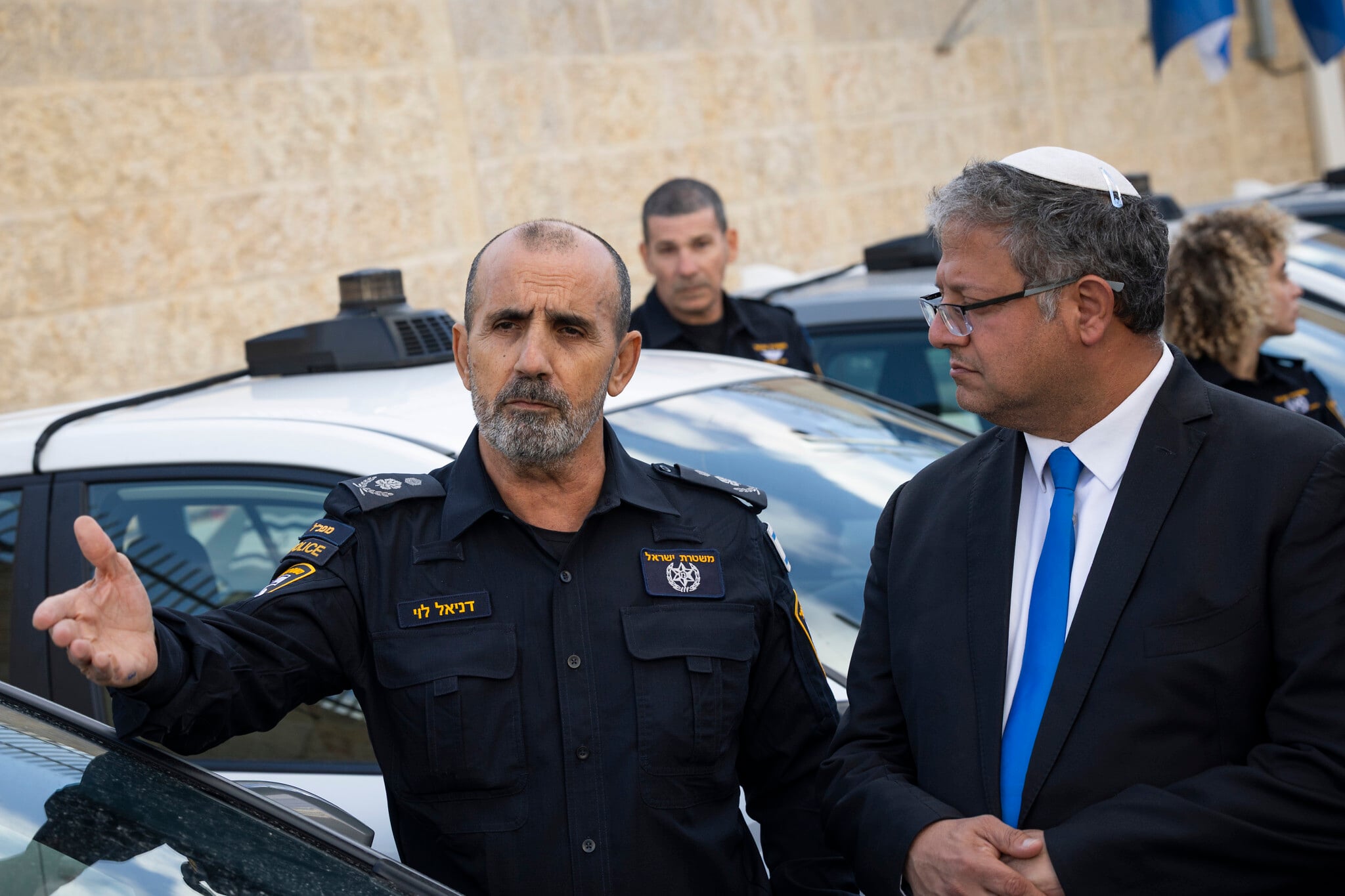
The tally by the Abraham Initiatives organization, a coexistence group that pivoted in recent years to focus on the human toll of surging crime in the Arab community, flies in the face of Police Chief Commissioner Danny Levy’s claim last week that law enforcement has seen a “continuous decrease in crime statistics” this year.
In fact, the past three years have seen a huge uptick in violent crime among Arab citizens of Israel. Homicides have become the new normal in Arab cities and towns, and many of those with blood on their hands are able to roam free, uncaught and unpunished.
According to the organization, of the 252 victims, the vast majority (88%) were killed in shootings, reflecting authorities’ struggle to combat a major uptick in arms trafficking through Israel’s borders.
The bulk of those killed were men ages 18-30, but a record number of women were also killed this year, with 23 female victims.
While often the victims were involved in criminal activity themselves, many of those killed and injured have been innocent bystanders. In some Arab locales, residents have taken to keeping indoors and say they hesitate to allow their kids to walk to school for fear of being caught in the crossfire.
On November 23, Sabah Abu al-Qian was in a supermarket in the northern town of Jatt with her 7-year-old sister when an expanding bullet caught her in the shoulder.
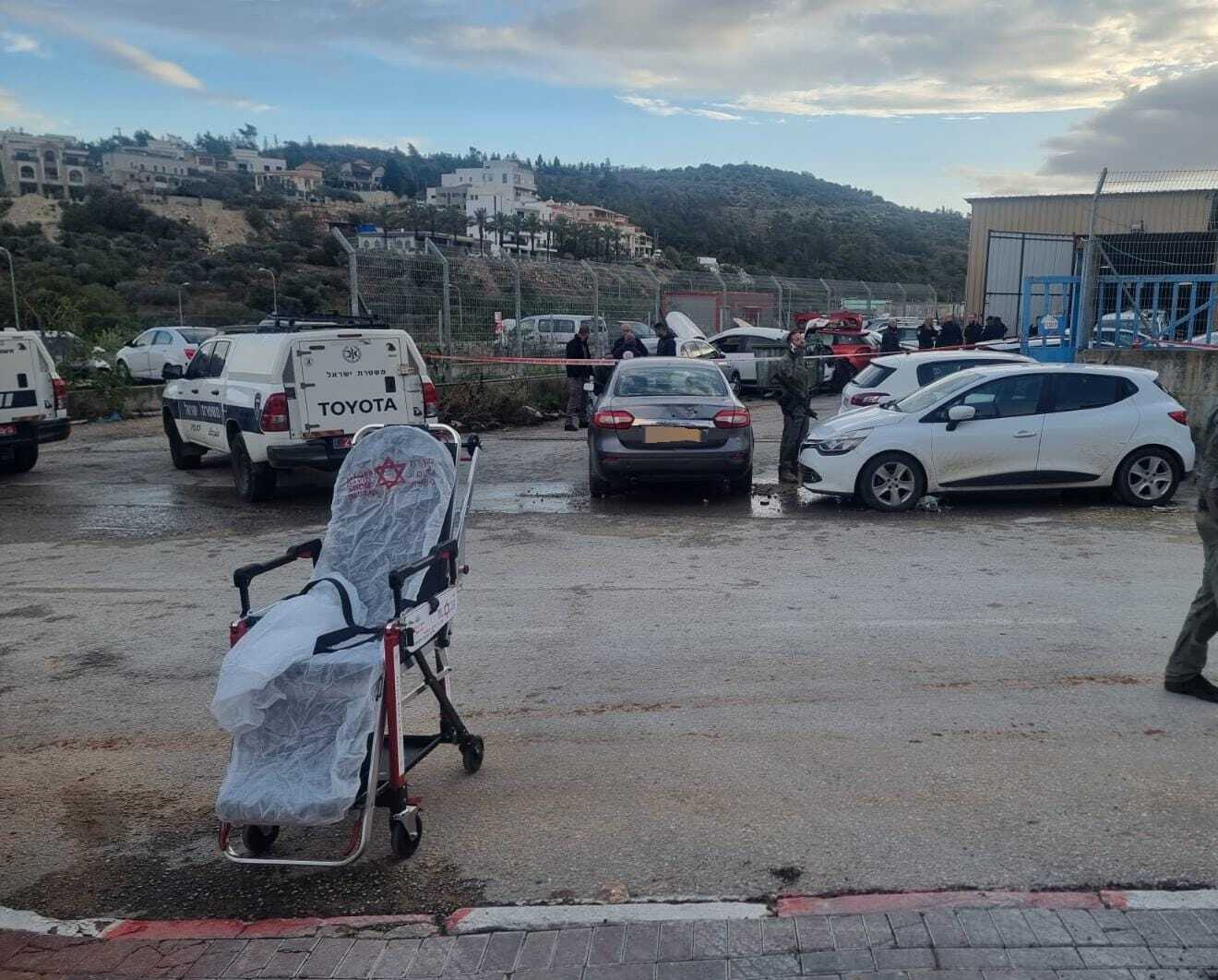
According to her cousin Anas, who spoke to The Times of Israel in early December, she held on long enough to call her father while being treated by paramedics, but died of her wounds in an ambulance en route to a hospital.
Of the 218 deadly criminal incidents tallied by the monitor, the majority took place in the north, where most of the country’s Arabs live. Nearly 57% of the murders (141 victims) occurred in the north, including Haifa.
The country’s central region, including Tel Aviv, accounted for around 28% of the killings (72 victims), while the south comprised 14% (35 victims).
In East Jerusalem — most of whose residents lack citizenship but are still governed by Israeli law enforcement — three Palestinian residents lost their lives.
This includes a toddler stabbed to death by her father and a 19-year-old killed in a dispute between families, which prompted the deceased’s relatives to launch an arson attack on his killer’s family.
In an edge case, an Arab Israeli citizen was killed in the West Bank city of Qalqilya, where he had been living for some time.
The homicide rate in Arab society began to tick upward in the late 2010s — coinciding, experts say, with a concerted police effort to crack down on mafia activity in Jewish areas of the country. But since 2023 it has spiked sharply beyond even those record-setting numbers.

Though Arabs make up only about a quarter of the population, they accounted for over 80% of the violent killings in Israel this year, a trend that has persisted throughout the crime wave.
If taken in isolation, Arab society’s murder rates put it on par with the most dangerous countries in the world. According to a parallel report released by Baladna, Arab Israelis rank eighth in homicides globally, behind Jamaica, Ecuador, Haiti, Honduras, Mexico, Costa Rica and Puerto Rico.
Community leaders have pointed to the sharp uptick over the past three years as proof against the notion that violent crime is a “cultural” issue intrinsic to Arab society.
Instead, they accuse the government of instituting policies that have allowed violent organized crime to proliferate in Arab towns and say police have largely failed to combat the problem, placing particular blame on the far-right politician responsible for law enforcement: National Security Minister Itamar Ben Gvir.
Ben Gvir “smiles each time an Arab is murdered,” Ta’al party chairman MK Ahmad Tibi, one of the most prominent national voices in Arab society, charged Saturday night during a interview with Channel 12.
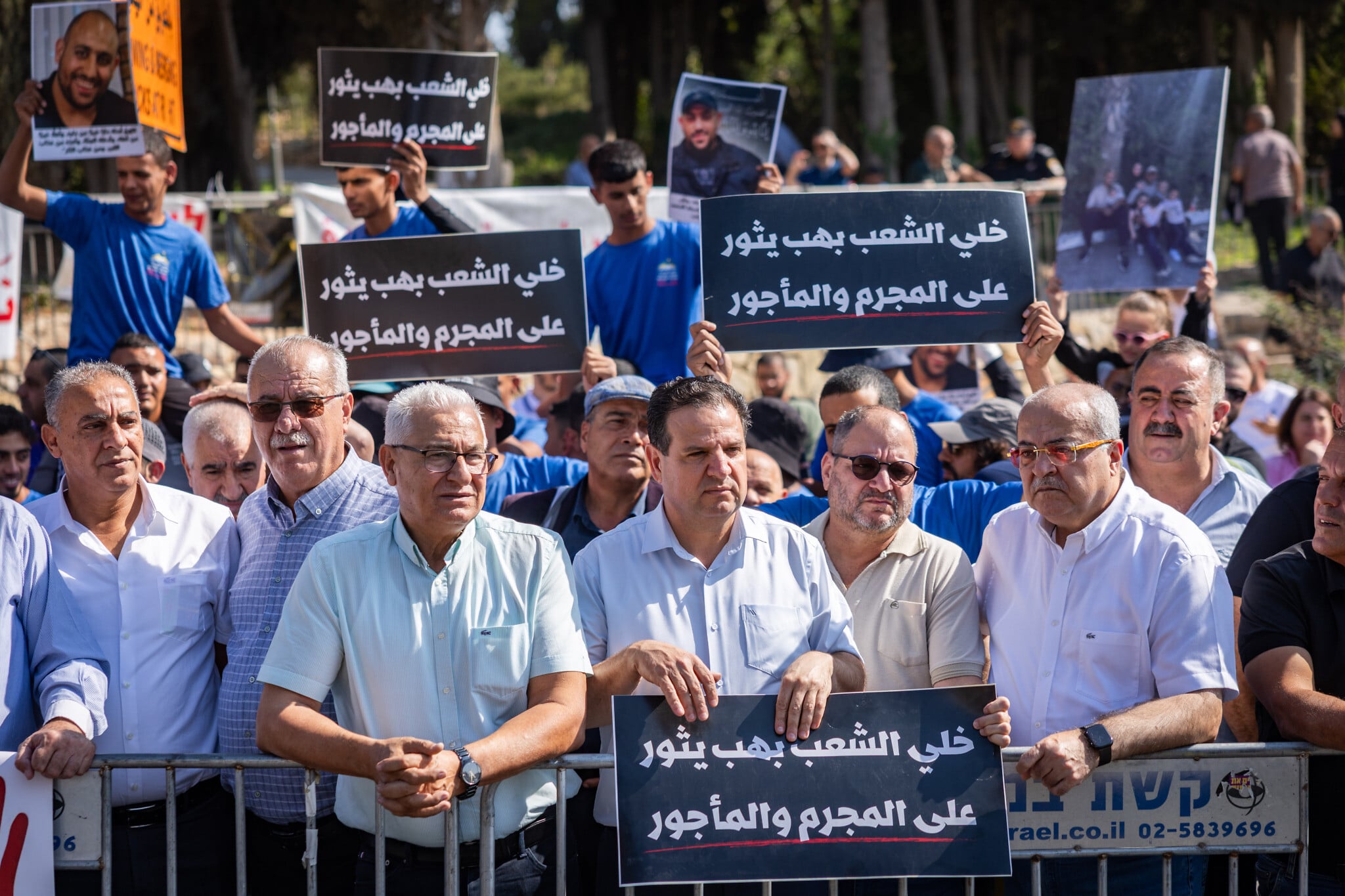
His remarks echoed an increasingly common sentiment among Arabs, and even some Jews, that sees law enforcement as not just failing at its job but pursuing an active policy of neglect when it comes to Arab citizens.
Recent polling by the Israel Democracy Institute has recorded a collapse in trust between Israel’s Arab minority and police.
In November, just 19% of Arab respondents said they trust police “very much” or “quite a lot” — as opposed to 27% who answered that way last year. Among Jewish Israelis, trust in police stands at 35%.
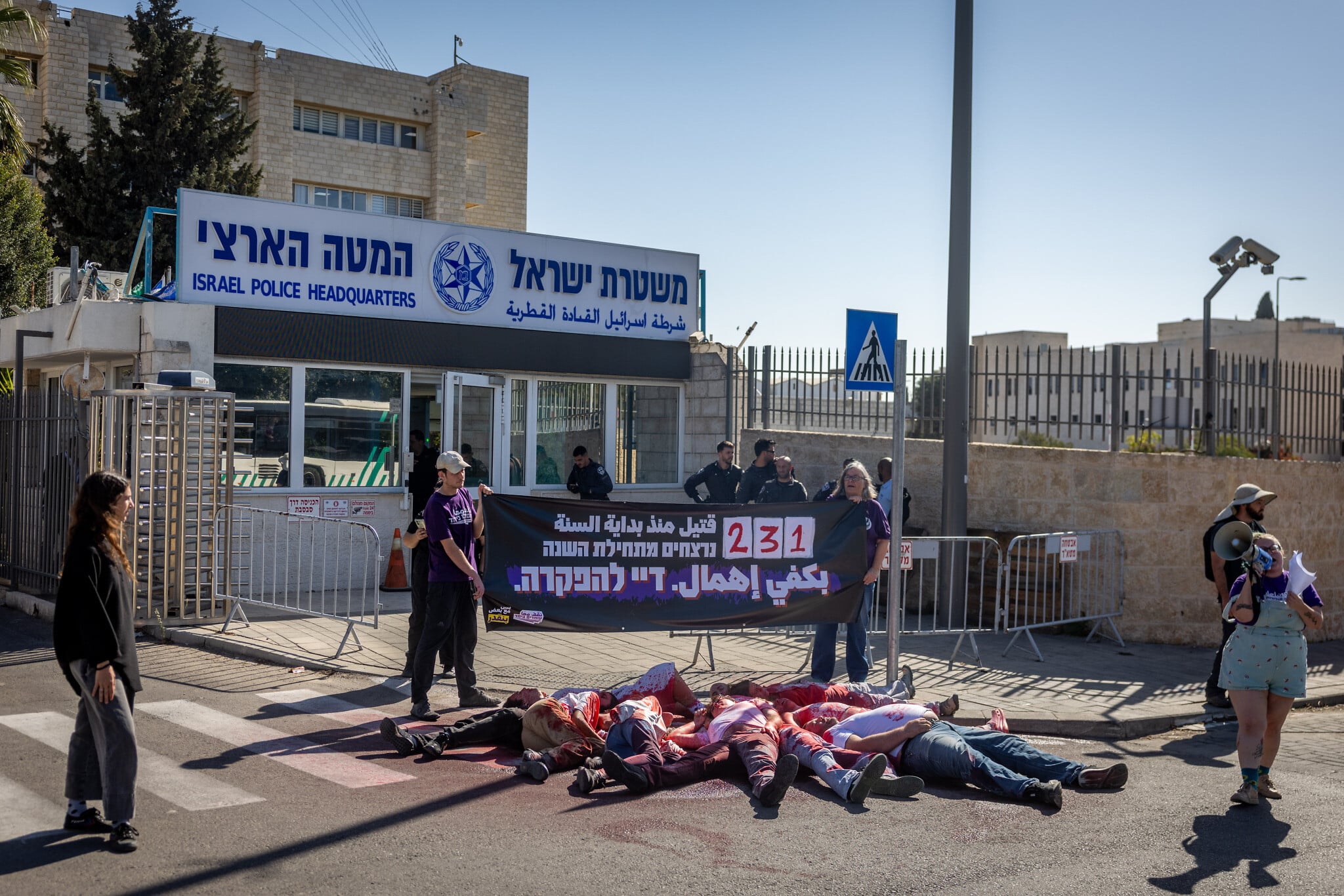
Police have stridently denied neglecting the Arab community and rebuffed criticism of their handling of crime in Arab locales, acknowledging the scourge but insisting that officers are doing all they can to combat the violence.
Police say intimidation of residents by criminals has hampered their efforts to combat violence in Arab areas. Indeed, underworld syndicates have become so insidious that many fear going to the police will make them a target of the criminal organizations that have come to dominate their neighborhoods.

As of June, just 10 percent of murders in the Arab community had been solved by police this year, according to the Abraham Initiatives.
Among the victims whose killers remain on the loose is Dr. Abdallah Awad, a 30-year-old pediatrician from Mazra’a who was killed in February while filling in for someone else at a health clinic in the neighboring town of Kafr Yasif.
“The police are failing,” said Qasem Awad, the father of the slain doctor, to the Abraham Initiatives. “Ten months after a murder in broad daylight — no arrests, no suspects, no communication with us.”
He accused police of “disrespecting the blood of an Arab citizen” with their management of his son’s case.
He contrasted law enforcement’s seeming impotence in the face of Arab sector homicides with police’s counter-terrorism capabilities.
“In security-related cases,” he asked, “they catch them within hours, so why don’t they here?”




The Times of Israel Community.