

Arab states urge Abbas to restore calm; fewer at West Bank protests Monday
PA president says he is making efforts to reduce tensions, tells Indian president Israeli religious groups fanning flames

 Add ToI as a Preferred Source on Google
Avi Issacharoff, The Times of Israel's Middle East analyst, fills the same role for Walla, the leading portal in Israel. He is also a guest commentator on many different radio shows and current affairs programs on television. Until 2012, he was a reporter and commentator on Arab affairs for the Haaretz newspaper. He also lectures on modern Palestinian history at Tel Aviv University, and is currently writing a script for an action-drama series for the Israeli satellite Television "YES." Born in Jerusalem, he graduated cum laude from Ben Gurion University with a B.A. in Middle Eastern studies and then earned his M.A. from Tel Aviv University on the same subject, also cum laude. A fluent Arabic speaker, Avi was the Middle East Affairs correspondent for Israeli Public Radio covering the Israeli-Palestinian conflict, the war in Iraq and the Arab countries between the years 2003-2006. Avi directed and edited short documentary films on Israeli television programs dealing with the Middle East. In 2002 he won the "best reporter" award for the "Israel Radio” for his coverage of the second intifada. In 2004, together with Amos Harel, he wrote "The Seventh War - How we won and why we lost the war with the Palestinians." A year later the book won an award from the Institute for Strategic Studies for containing the best research on security affairs in Israel. In 2008, Issacharoff and Harel published their second book, entitled "34 Days - The Story of the Second Lebanon War," which won the same prize.
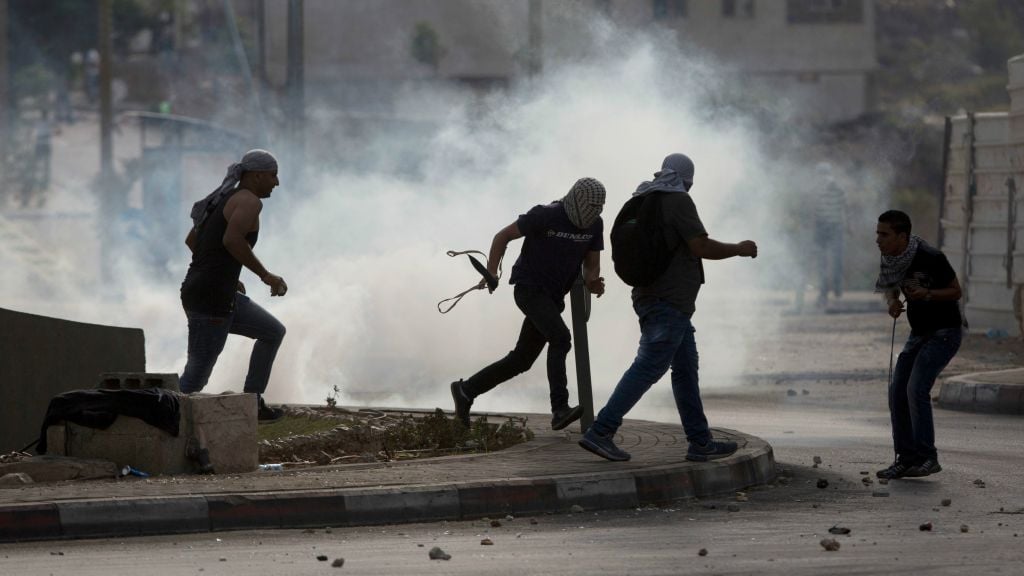
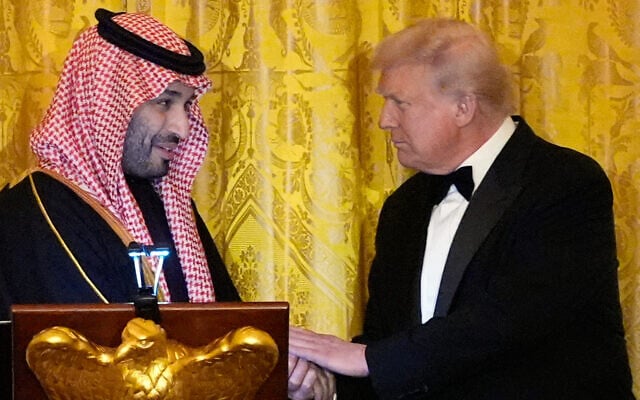
Several Arab states, including Egypt and Saudi Arabia, urged Palestinian Authority President Mahmoud Abbas last week to work to calm tensions and prevent further escalation of violence in the West Bank and Jerusalem.
The states are concerned that the violence could mark the start of a third intifada.
The Arab governments expressed concern that a full-blown intifada would lead to a loss of control over the Palestinian street and lead to the empowerment of extremist groups like Hamas and Islamic Jihad.
According to Palestinian sources, Abbas’s office has been in contact with the office of Prime Minister Benjamin Netanyahu, which sent a similar demand to work more aggressively against the escalating violence.
Netanyahu adviser Yitzhak Molcho and the IDF’s liaison to the Palestinians Maj. Gen. Yoav Mordechai reportedly met last week with senior aides to Abbas and demanded that the PA leader stop speaking out about the Temple Mount. It is that rhetoric, Israel believes, which has driven the escalation.
The Palestinian issue is slated to be taken up by Arab leaders at the next meeting of the Arab League.
Toward the end of last week, Abbas discernibly changed his policy toward the violence, and is now attempting to calm the flames.
“All the [Palestinian] Authority’s efforts are directed at restoring calm,” Abbas said on Monday, according to Channel 2.
At a meeting with Indian President Pranab Mukherjee in Ramallah, ahead of Mukherjee’s three-day trip to Israel starting Tuesday, Abbas accused “religious organizations from the other side [i.e., Israel]” of raising tensions.
On Sunday, Abbas met with leaders of the Tanzim, a Fatah paramilitary organization, and ordered them not to encourage or take part in violence against Israel, but rather to maintain a “popular struggle” — that is, a nonviolent one.
Abbas’s office, meanwhile, transferred some NIS 16 million to Palestinian universities to prevent them from going on strike, a step that would have increased the number of demonstrators at West Bank protests. Many of the demonstrations throughout the West Bank were organized by student organizations.
On Monday, the daily protests against Israeli security forces outside West Bank cities saw a marked drop in the number of participants. While the largest rally, at the northern entrance to Ramallah, had some 500 protesters, rallies elsewhere saw no more than a few dozen.
Tuesday has been proclaimed as a “day of rage” in Israel and the Palestinian territories, with a central protest planned at the Qalandiya checkpoint. The day may bring a rise in Wrst Bank and Gaza protests, likely to be bolstered by the general strike called in the Israeli Arab community.
While the popular demonstrations have dwindled, the phenomenon of daily stabbing attacks has shown no signs of abating.
Neither the security services nor politicians have been able to dissuade the attackers, most of whom are teens and acting of their own volition and not as part of a larger terror organization.
Proposals are being examined to improve the economic conditions in the West Bank, but few political or diplomatic efforts have been pushed forward as a way of easing the violence.
Times of Israel staff contributed to this report.








The Times of Israel Community.