

‘Aren’t you ashamed?’ Lapid assails Netanyahu as judicial rift dominates Knesset birthday
PM refuses to explain why Supreme Court chief Amit wasn’t invited, warns against one branch overpowering others — a crisis critics say he is deliberately deepening
 Add ToI as a Preferred Source on Google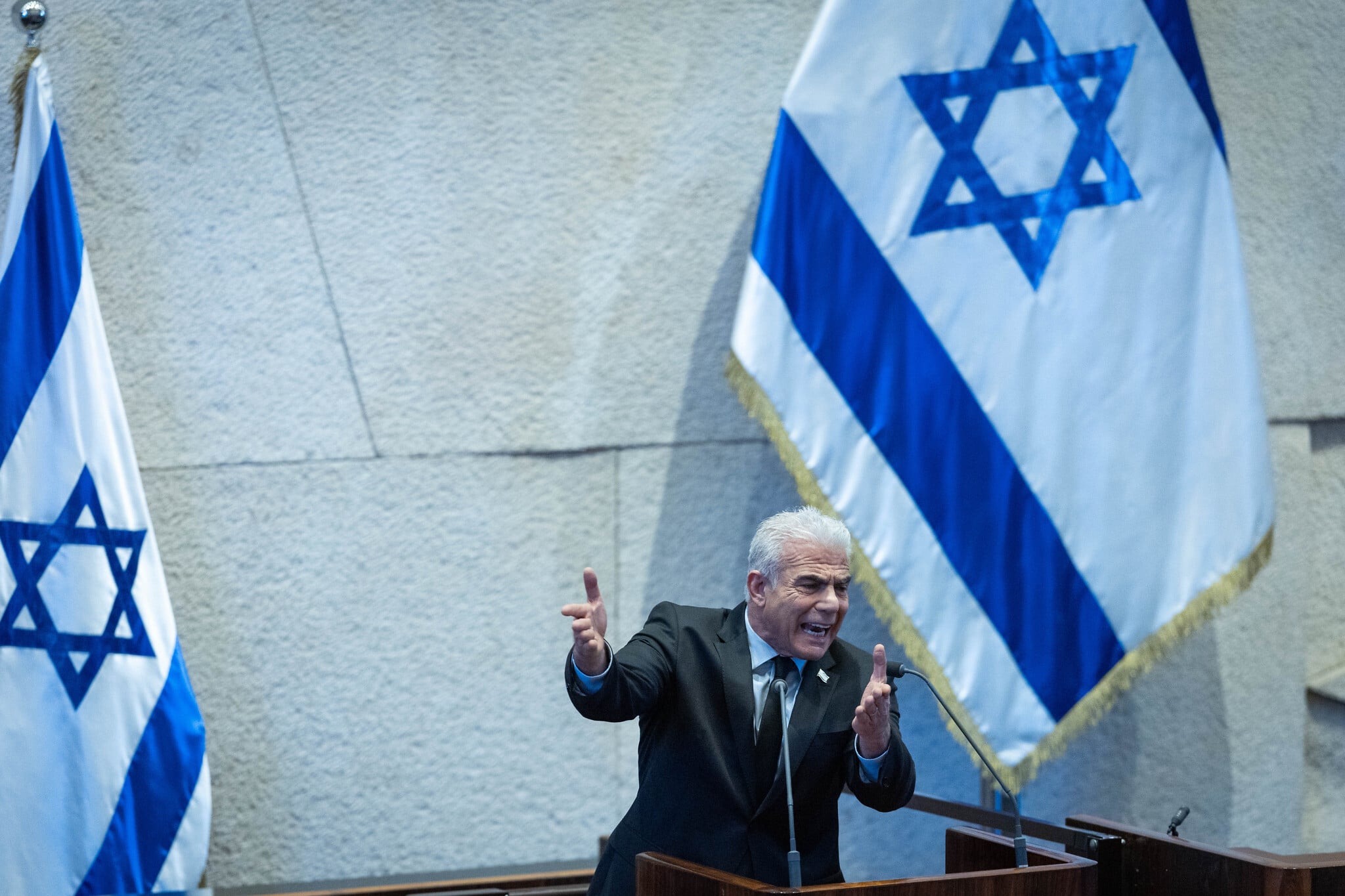
A Knesset session meant to celebrate the parliament building’s 60th birthday descended into a political confrontation Monday, as Opposition Leader Yair Lapid excoriated Prime Minister Benjamin Netanyahu for excluding Supreme Court President Isaac Amit, a decision the premier declined to explain.
The clash underscored the deepening rift between the government and the judiciary, with Netanyahu warning that democracy cannot survive if one branch of government dominates the others — a claim the opposition and legal critics insist rings hollow as the coalition advances measures they say are weakening the courts and subordinating them to the prime minister’s control.
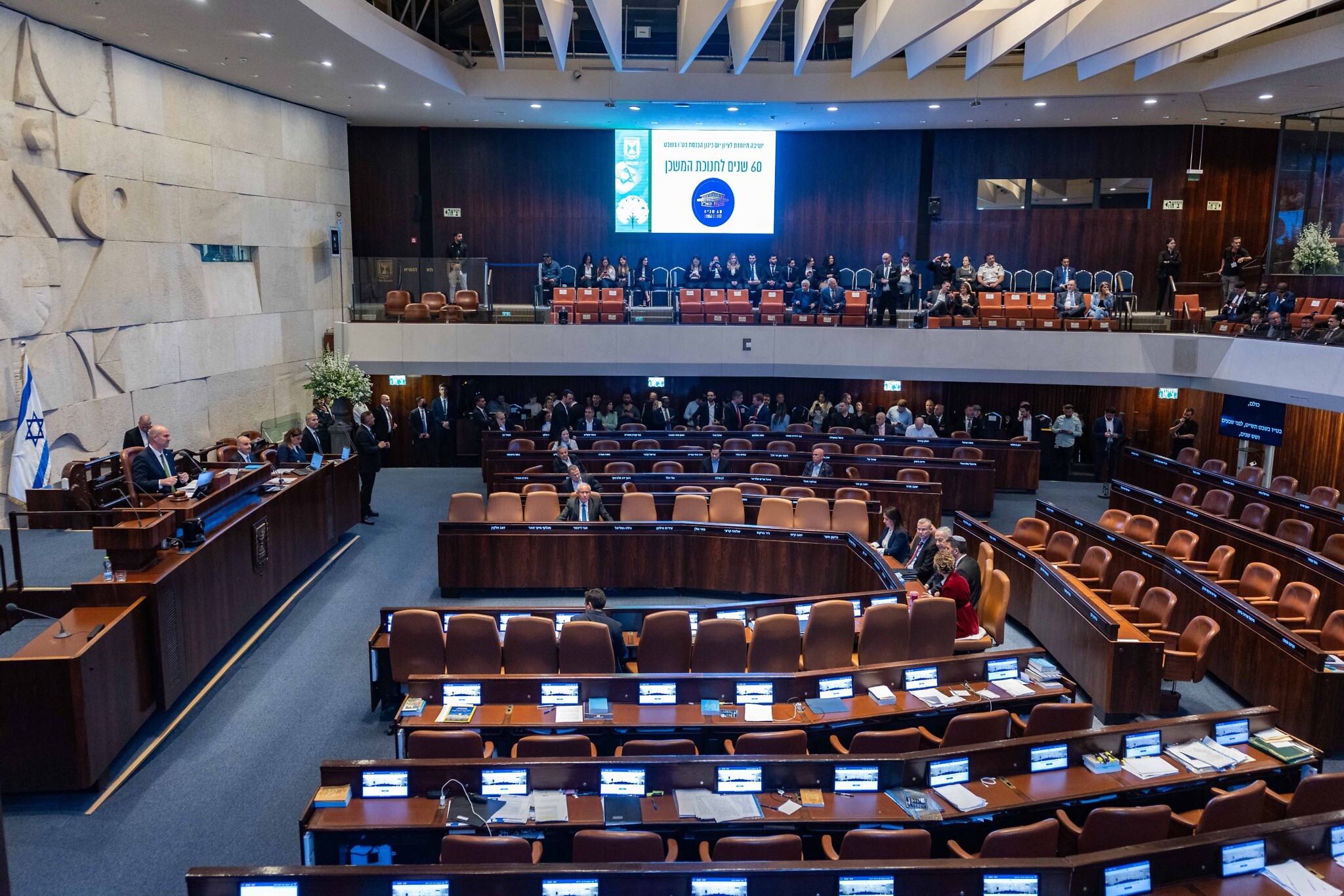
Knesset Speaker Amir Ohana’s decision not to invite Amit prompted an opposition boycott of the Knesset plenum, with Lapid the lone member of the opposition to address the plenary.
The opposition leader appeared only briefly to assail the government, accusing it of deliberately refusing to invite Amit to the event in order to stoke division, knowing that the opposition parties would not take part as a result.
“That was your goal: to make sure we wouldn’t come, so that even during the Knesset’s celebration, you could know that you had driven us out. Know that you’ve dismantled this country. Know that there is division and discord,” Lapid said, addressing members of the government directly in the plenum.
“What have you done? Is this what you wanted? Half a country? Half a people? Half a Knesset? Was that your goal? Will you not stop until you’ve completely destroyed us?” he continued.
“Do you want us to no longer live here together? For everyone to form their own nation, their own state, their own parliament, their own values?” the opposition leader railed.
“Is this what you’ve decided? To dismantle the State of Israel? Aren’t you ashamed? Mr. Prime Minister, aren’t you ashamed?” he said at one point, addressing Prime Minister Benjamin Netanyahu directly.
The premier, who also briefly addressed the plenum, refused to answer journalists’ questions about why Amit, who in recent months was also not invited to attend speeches by US President Donald Trump and several other world leaders, was not invited.
Netanyahu did not directly mention the judiciary in his speech, but he made a thinly veiled attack on it, framing himself as a protector of democracy, and his detractors and opponents as its enemies.
Throughout Israel’s history, he said, there were sharp disagreements, “but we knew we were operating in a framework of democracy.”
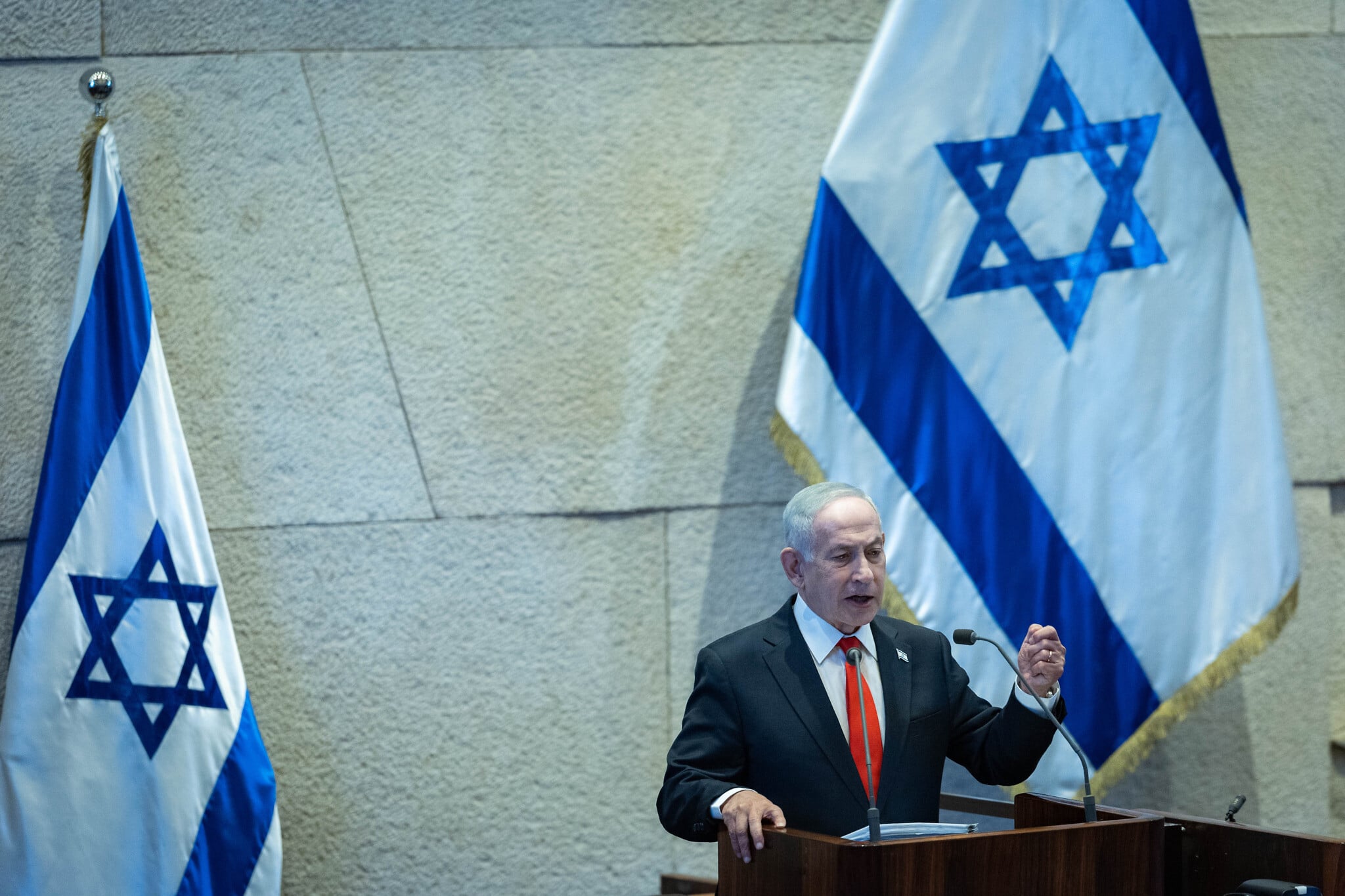
“That is being eroded, part of the nation laments it, screams about it,” said Netanyahu of the rationale for his government’s contentious judicial overhaul push, which critics slammed as being anti-democratic.
“We have to find a way to bring back the balance between the three branches,” he said. Democracy, the premier added, rests on protecting individual rights and ensuring that “there isn’t one branch that tramples the others.”
“There is the elected government, every branch has its role, and they all need gears that connect with the other branches,” he said, adding that he was trying to reach compromises on the checks and balances between the branches of government.
But, quipped Netanyahu, “there are those who think that the most dangerous thing in a democracy is democracy.”
The opposition and the prime minister’s critics say those warnings are deeply disingenuous, arguing that Netanyahu is actively exacerbating the imbalance he decries through sustained legislative and political efforts to discredit the judiciary and subordinate it to the political leadership.
For three years, his government has pursued a controversial judicial overhaul, the aim of which is to weaken the clout of the courts, which it says will allow the government to carry out the will of the electorate. Its critics call the measures a danger to democracy.
A fractured celebration
Unrelated to Amit, President Isaac Herzog was also not in attendance. The Times of Israel learned that he was only invited on Tuesday, less than a week prior, by which point he had preceding engagements.
More than 2,000 visitors were estimated to arrive at the Knesset, including soldiers, police officers, Holocaust survivors, and students from across the country to take part in the festivities, according to the Knesset Spokesperson’s Office.
Several events took place, including musical performances, displays, archaeological exhibits, an honor guard ceremony in the Knesset plaza, and a special plenary session.
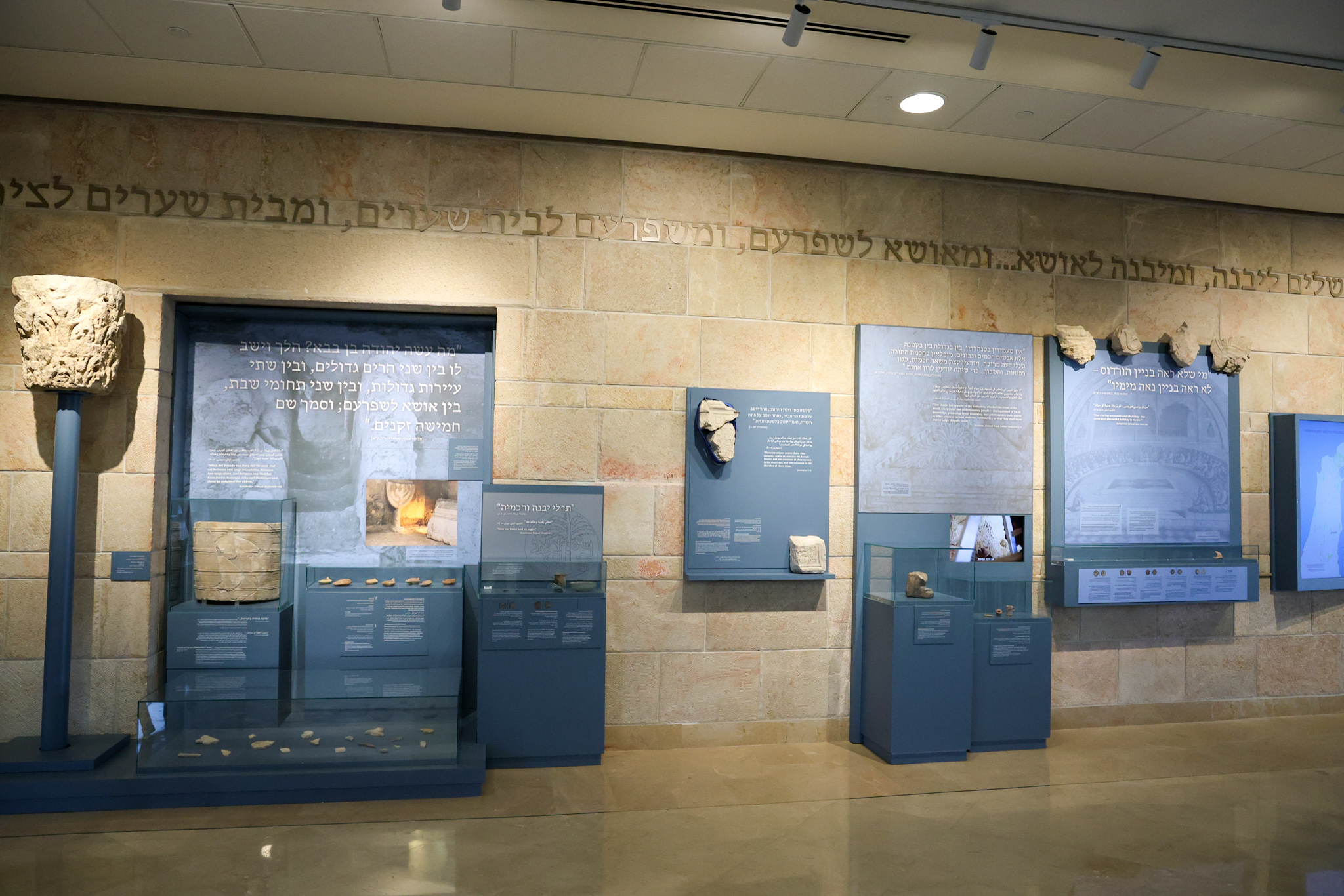
However, opposition parties announced earlier in the day that they would not attend the plenum session due to Amit’s absence.
“I suggest that the Knesset speaker and all coalition members focus on the war against Iran – not a war against the Supreme Court,” Blue and White leader Benny Gantz told reporters at the Knesset before a faction meeting, referring to ongoing tensions with Tehran, after his party said in a statement that it would not attend the session.
“We are marking the Knesset building’s 60th year, and instead of turning this into a Zionist, unifying moment, [Speaker Ohana] insists on turning the Knesset from the house of the people into the house of half the people,” he continued.
“I call on the Knesset speaker and the prime minister: Stop this madness. Don’t reward the extremists,” he added.
Labor MKs Naama Lazimi and Gilad Kariv also condemned the refusal to invite Amit, and said that their party, now known as the Democrats, would boycott the Knesset plenum session as well.
“Forgive me if I am not impressed by the flowers, exhibits, activity corners, and [David] Ben Gurion dolls,” Kariv said during a Knesset committee meeting.
He chided Ohana for inserting an “internal dispute between branches of government into the Knesset building.”
Addressing Ohana directly in a post on X, Kariv added that he has directly “damaged the status of this house and is an embarrassment to us all.”
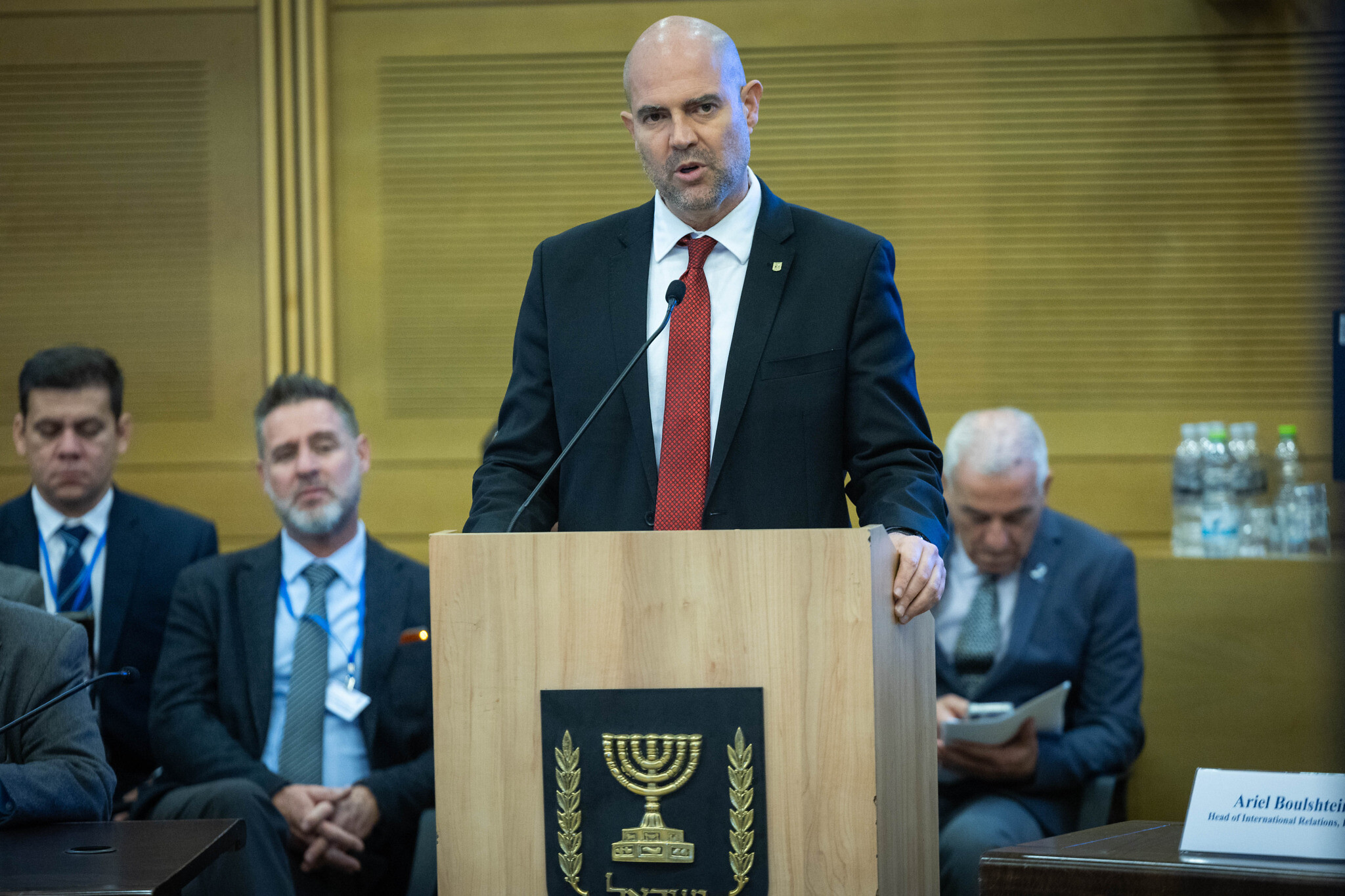
Ohana opened the plenum session celebrating the Knesset building’s birthday to overtly accuse the High Court of eroding the power of the elected government.
While he acknowledged that historically, Supreme Court justices have been invited to such ceremonies, he claimed that “other customs have also been violated.”
“I regret that once again, there are those who see the non-invitation to a ceremonial event as a substantive blow to Israel’s democratic system,” Ohana said.
“I regret even more that those same people accept with equanimity the transformation of the judicial branch into a super-authority that can adjudicate, legislate, and annul legislation and Basic Laws – like an all-powerful king,” he added.
“Respect between branches of government is not one-sided. One cannot demand that the legislative branch respect the judicial branch while the latter continues to erode the former’s powers of all substance,” Ohana continued, while adding that his “hand is extended” to “bridge the gaps.”
That remark was an apparent reference to Amit’s statement last week that he is “always extending a hand” to Justice Minister Yariv Levin, who has consistently refused to recognize his authority and legitimacy as president of the Supreme Court.
Jeremy Sharon contributed to this report.









The Times of Israel Community.