

At appeal, US-Israeli jailed in Russia says didn’t know she signed confession
Attorneys for Naama Issachar, who was sentenced to over seven years for 9 grams of marijuana found in her luggage during layover, say she was unaware substance was in bag
 Add ToI as a Preferred Source on Google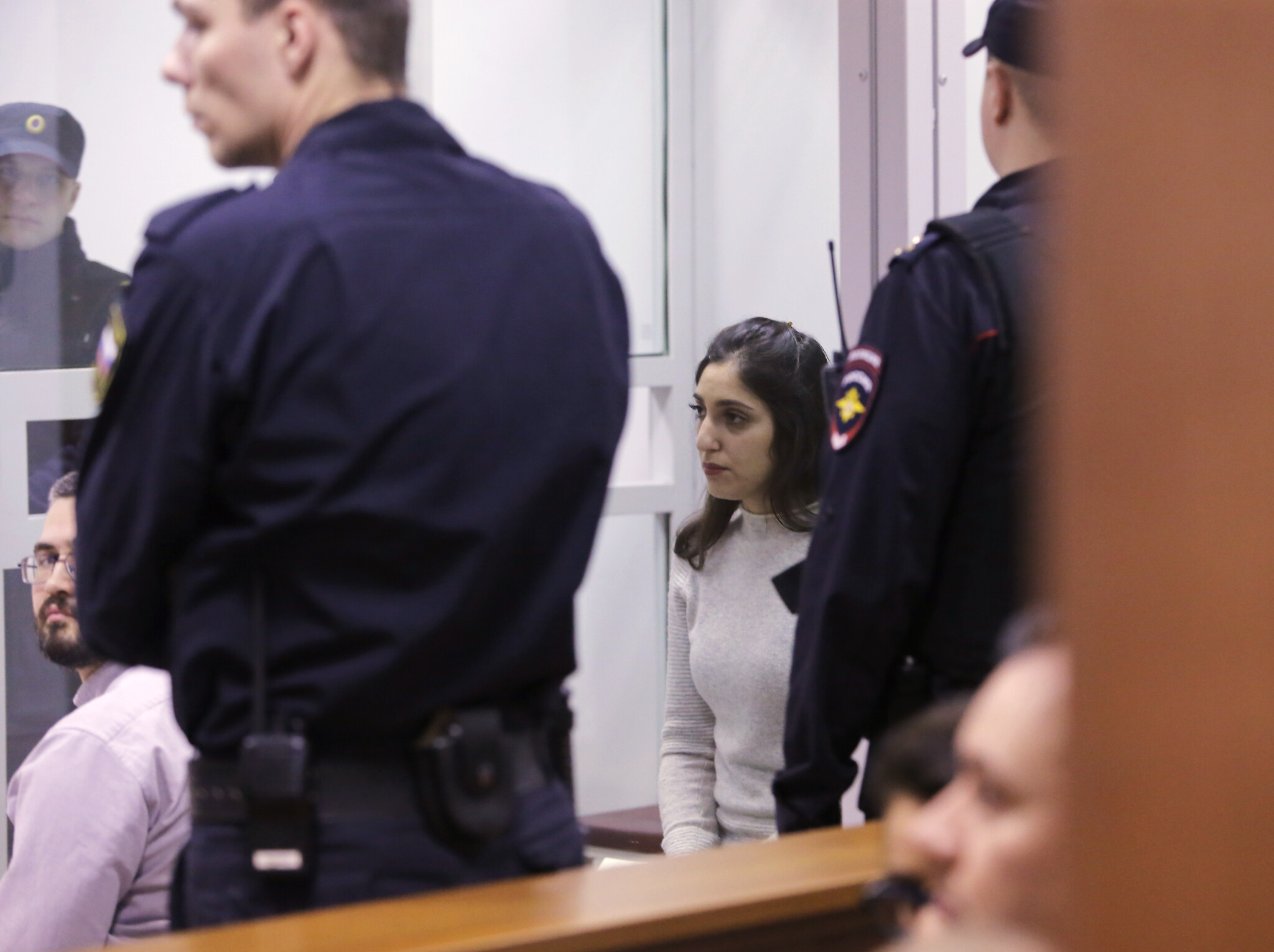
A US-Israeli woman, who was sentenced to over seven years in prison in Russia for a minor drug offense, told an appeal hearing in Moscow on Thursday that she didn’t know what was written in the confession she had signed because it was in Russian and there was no translator present.
Naama Issachar, who has been held in Russia since April, was arrested after a small amount of marijuana was found in her luggage during a layover in Moscow.
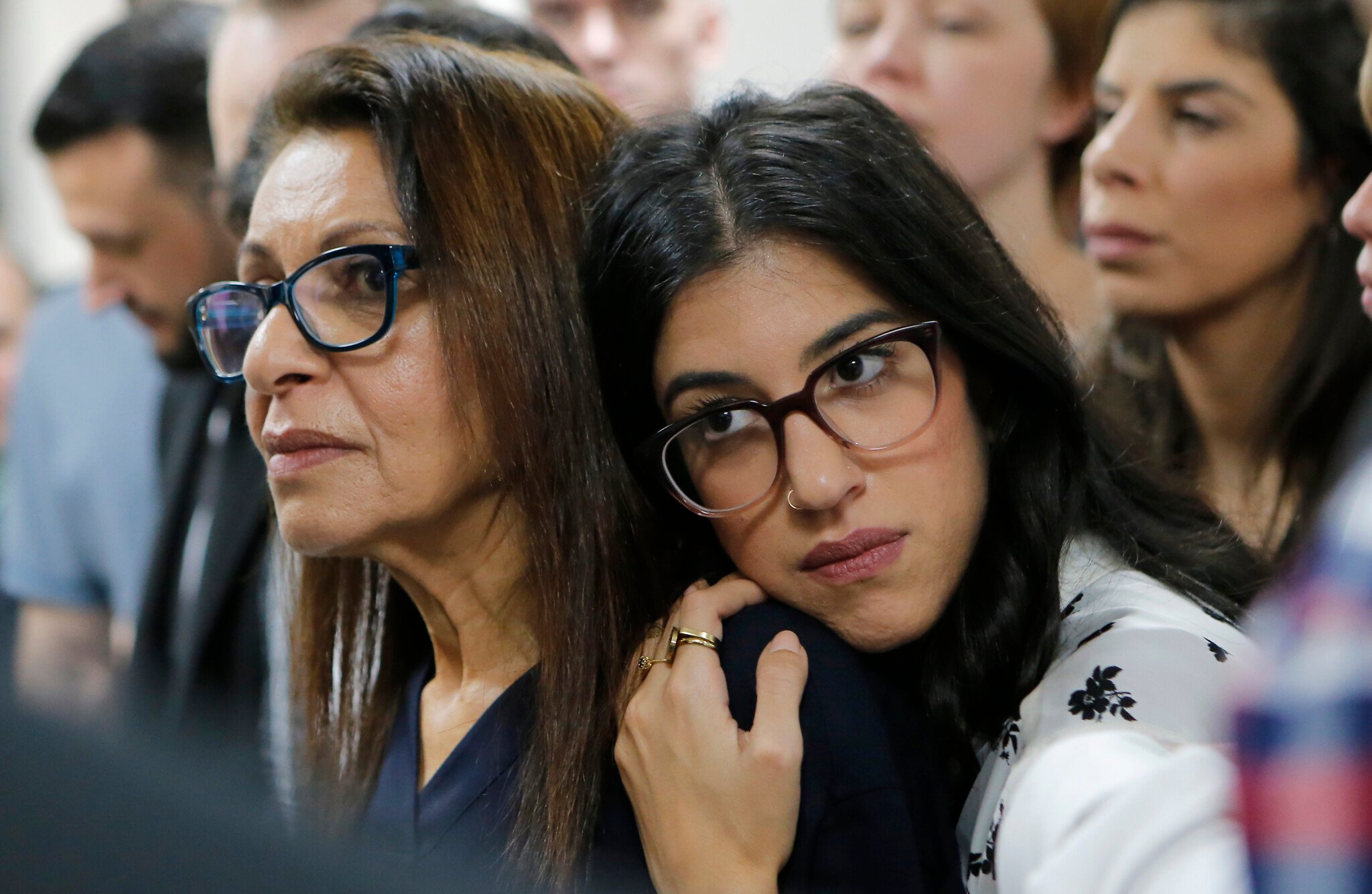
“I didn’t know that I signed a confession,” Issachar said from within a glass booth at the hearing, where she was prevented from meeting with her mother and sister who were in the courtroom. The charge d’affaires of Israel’s embassy in Russia, Yaakov Livne, and senior officials from the US consulate also attended.
Issachar said that when she was asked to sign the confession there was no one to translate the document for her and also suggested that some of it may have forged.
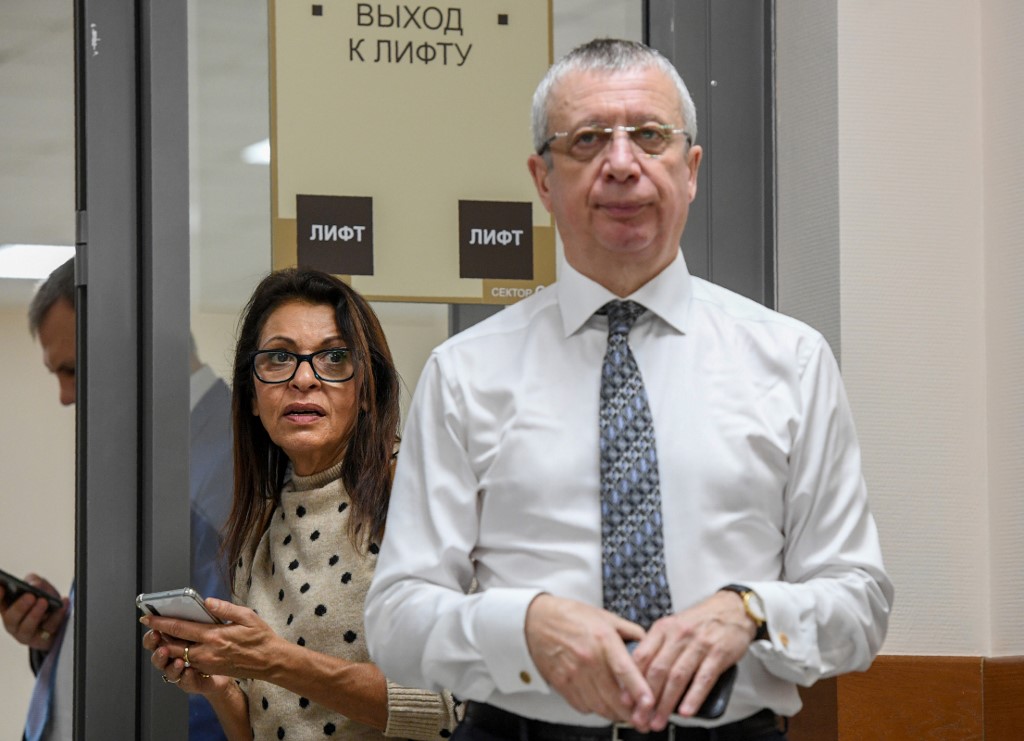
Issachar’s defense team, led by Russian attorney Vadim Klyuvgant, told the court that Issachar did not buy the drugs that were in her bag and did not know that they were there.
At the heart of the appeal against her conviction is the claim that because she was on a connecting flight and had no intention of leaving the airport, there was no crime of smuggling, making any offense she committed a minor one.
Klyuvgant argued that there was no indication that a crime was intended and, in addition, asked that the drugs found in her luggage be dismissed as evidence because the search of her bag was carried out without proper authority.
Before the court session, Issachar’s mother, Yaffa, told Channel 12 TV news that she was hoping to see her daughter released.
“I am still optimistic and believe that Naama will be released today,” she said. “I hope that the judges will see justice and bring it to light.”
A previous appeal hearing last Thursday was put off for a week because Issachar had not been permitted to attend the court.
Israeli officials have reportedly speculated that Naama’s release will come from diplomatic efforts rather than in the courtroom, and will require a pardon that can only be granted by Russian President Valdimir Putin himself.
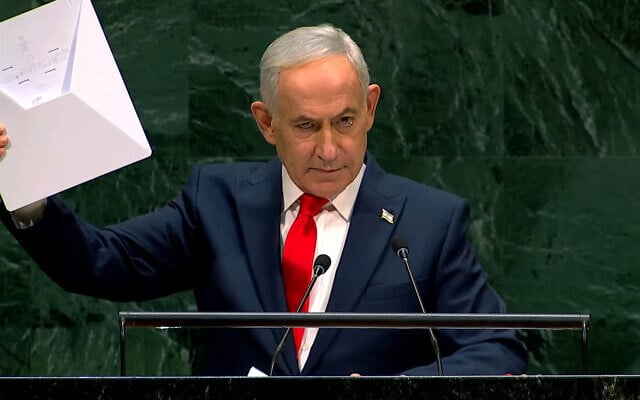
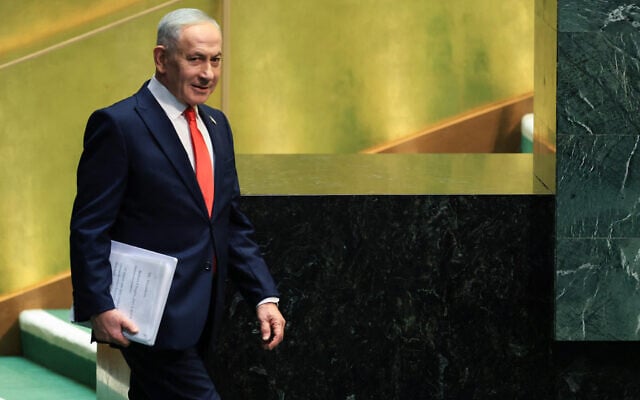
Earlier this month Prime Minister Benjamin Netanyahu discussed Issachar’s case with Putin when the two spoke about security issues in the Middle East. Putin is slated to visit Israel in January.
The phone call was the second in three weeks between the two leaders in which Netanyahu called on Putin to pardon the young Israeli-American.
The conversation came on the same day that Foreign Minister Israel Katz met with his Russian counterpart, Sergei Lavrov, in Rome and raised the issue of Issachar.
Moscow has said the Russian leader would consider the request.
Issachar was sentenced in October to seven and a half years in prison for drug smuggling after authorities in April found nine grams of marijuana in her luggage before she boarded a connecting flight on her way from India to Israel. She had not planned to enter Russia during the layover.
The amount is within the legal limit for personal use in Israel. It generally gets a slap on the wrist in Russia, and Israelis have alleged that the long sentence was politically motivated.
Russia had tried exchanging Issachar for Russian hacker Aleksey Burkov, but its advances were turned down by Israeli officials, who said they feared setting a precedent. Israel then extradited Burkov as scheduled to the United States, where he was wanted on embezzlement charges for a credit card scheme that allegedly stole millions of dollars from American consumers.
On Tuesday Netanyahu vowed at an election campaign rally that he “will bring Naama Issachar home,” but sources close the prime minister quickly clarified that he meant that he was making a commitment to help her, rather than declaring a coming development.
“It will still take time,” a source close to the prime minister said. “There are contacts about the matter and the prime minister is not letting up.”
On Thursday a Russian delegation arrived in Israel to discuss travel arrangements between the two countries. The Foreign Ministry confirmed the arrival of the delegation for an annual meeting and said that the sides would be discussing “consular matters.”
Israeli officials were expected to push for Issachar’s release and discuss an apparent tightening of restrictions on Israeli travel to the Russia.
The meeting was being held a day after Russia detained dozens of Israeli tourists and businesspeople at a Moscow airport for hours.
The ministry said it would seek “clarifications and explanations” regarding the holding of 46 Israelis, some for as long as six hours, at Domodedovo airport in the Russian capital on Wednesday. According to Hebrew media reports, the passports of the Israelis were confiscated and no reason for their detention was given. Some passengers were interrogated in Russian with no translation offered.
The move was designed to send a “message” to Jerusalem ahead of the arrival of a delegation in Israel to discuss the Kremlin’s frustration over the annual barring of thousands of its citizens from entering the Jewish state, Hebrew media reported on Wednesday night, citing diplomatic sources.
A number of Israeli travelers who arrived in Moscow Thursday were also reportedly detained for at the airport and subject to questioning.
In Israel next month, Putin is expected to join French President Emmanuel Macron at events to mark International Holocaust Remembrance Day in Jerusalem, in what is expected to be the largest-ever gathering focused on combating anti-Semitism.



The Times of Israel Community.